Esta obra presenta una sistemática transcripción de las cartas dirigidas al rey y al Consejo de Indias por parte de la Real Audiencia de Santafé y sus oficiales durante la presidencia de don Juan de Borja (1605-1628).
A new edition of Primo Levi's classic memoir of the Holocaust, with an introduction by David Baddiel, author of Jews Don't Count'With the moral stamina and intellectual poise of a twentieth-century Titan, this slightly built, dutiful, unassuming chemist set out systematically to remember the German hell on earth, steadfastly to think it through, and then to render it comprehensible in lucid, unpretentious prose.
This collection represents some of the latest research on Primo Levi, the famous Auschwitz survivor Italian author, in the field of Italian Studies, Holocaust Studies, Jewish Studies, literary theory, philosophy, and ethics.
Combining cultural history and literary analysis, this study proposes a new and thought-provoking reading of the changing relationship between Germans and Jews following the Holocaust.
This book describes the struggle for power between two totalitarian dictatorships in the north of Europe and the battle for survival of a small nation caught between them.
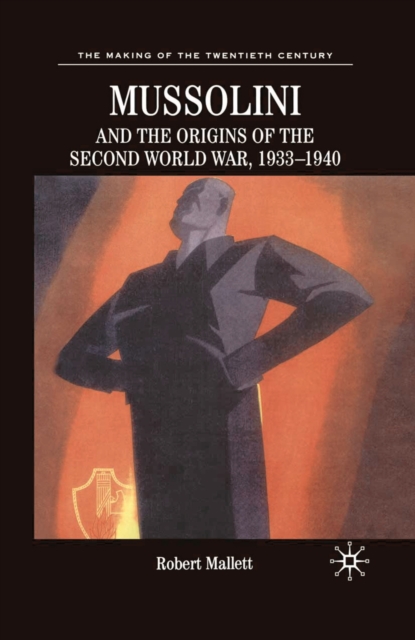
This book is the first to challenge current orthodoxy that Chamberlain's appeasement policy before World War Two was justified by Britain's inability to pay for rearmament.
By examining Mauritius and the Indian Ocean, this unique synthesis of imperial and naval/military history, reveals the depths of colonial involvement in the Second World War and the role of colonies in British strategic planning from the eighteenth century.
Jean Moulin is a universally recognized French hero, celebrated as the delegate of General de Gaulle to Nazi-occupied France in 1942-3 and founder of the National Resistance Council in May 1943.
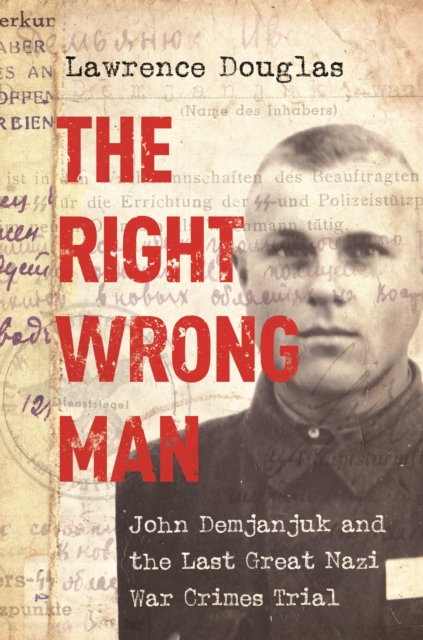
Now the subject of the Netflix documentary The Devil Next DoorThe incredible story of the most convoluted legal odyssey involving Nazi war crimesIn 2009, Harper's Magazine sent war-crimes expert Lawrence Douglas to Munich to cover the last chapter of the lengthiest case ever to arise from the Holocaust: the trial of eighty-nine-year-old John Demjanjuk.
In Erased, Omer Bartov uncovers the rapidly disappearing vestiges of the Jews of western Ukraine, who were rounded up and murdered by the Nazis during World War II with help from the local populace.
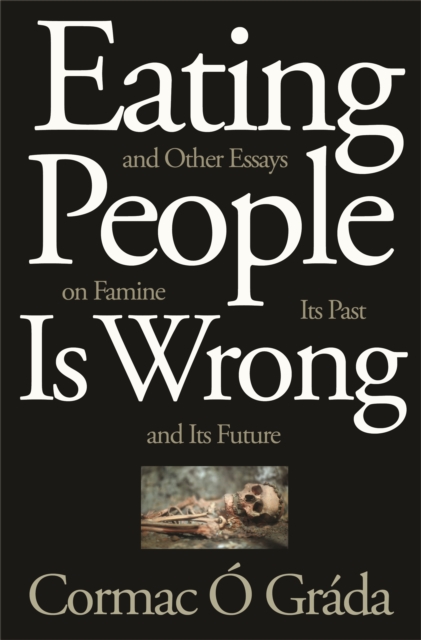
New perspectives on the history of famine-and the possibility of a famine-free worldFamines are becoming smaller and rarer, but optimism about the possibility of a famine-free future must be tempered by the threat of global warming.
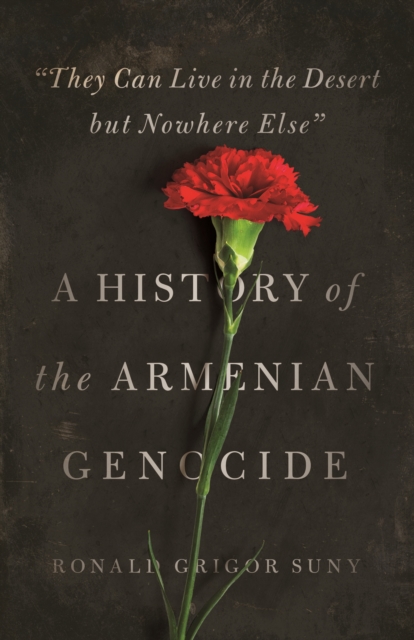
A definitive history of the 20th century's first major genocide on its 100th anniversaryStarting in early 1915, the Ottoman Turks began deporting and killing hundreds of thousands of Armenians in the first major genocide of the twentieth century.
Through moving interviews with five ordinary people who rescued Jews during the Holocaust, Kristen Monroe casts new light on a question at the heart of ethics: Why do people risk their lives for strangers and what drives such moral choice?
FULLY UPDATED'A fascinating and often violent odyssey, spanning more than 1,000 years of conflict and culture'INDEPENDENTFlat, fertile, and fatally tempting to invaders, for centuries Ukraine was fought over by more powerful neighbours.
'As in a good novel, the people, their feelings and reactions are instantly recognisable and as fresh and immediate today as they were then' GUARDIAN'She writes vividly and movingly' DAILY TELEGRAPH26th September 1939.
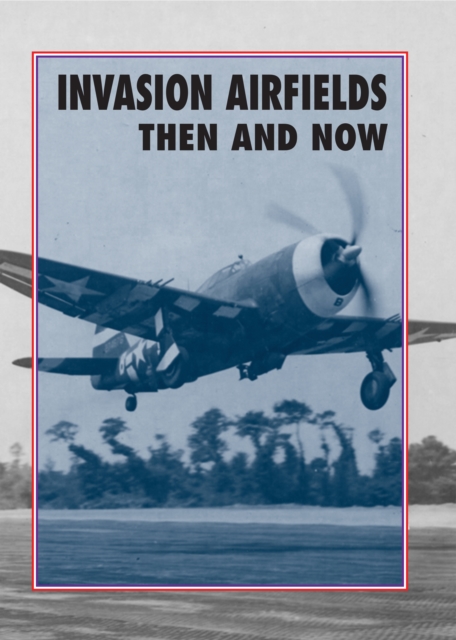
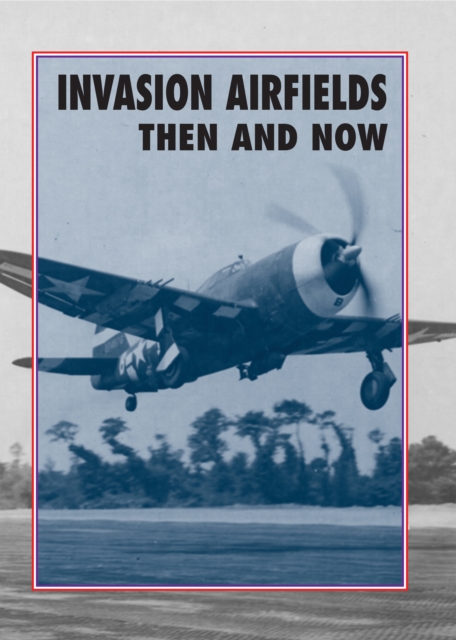
In his 1945 report to the Combined Chiefs-of-Staff on the success of Operation ‘Overlord’, the Supreme Commander General Eisenhower wrote that "on the morning of June 9 I was able to announce that for the first time since 1940, Allied air forces were operating from France, and that within three weeks of D-Day, 31 Allied squadrons were operating from the beach-head bases.
In his 1945 report to the Combined Chiefs-of-Staff on the success of Operation ‘Overlord’, the Supreme Commander General Eisenhower wrote that "on the morning of June 9 I was able to announce that for the first time since 1940, Allied air forces were operating from France, and that within three weeks of D-Day, 31 Allied squadrons were operating from the beach-head bases.
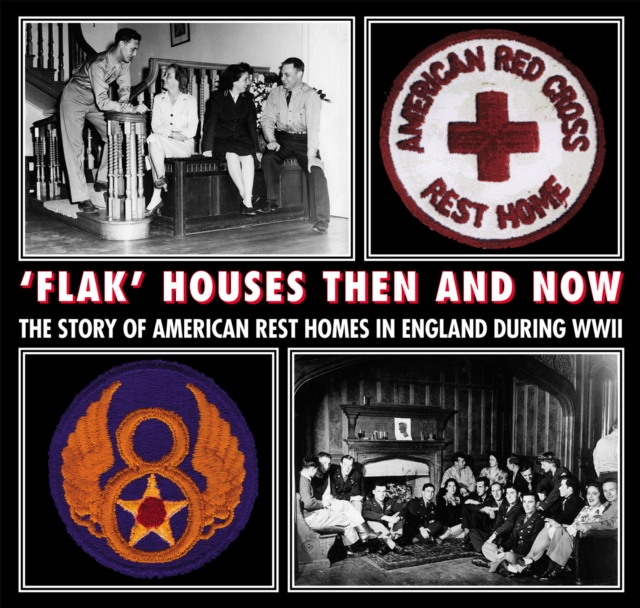
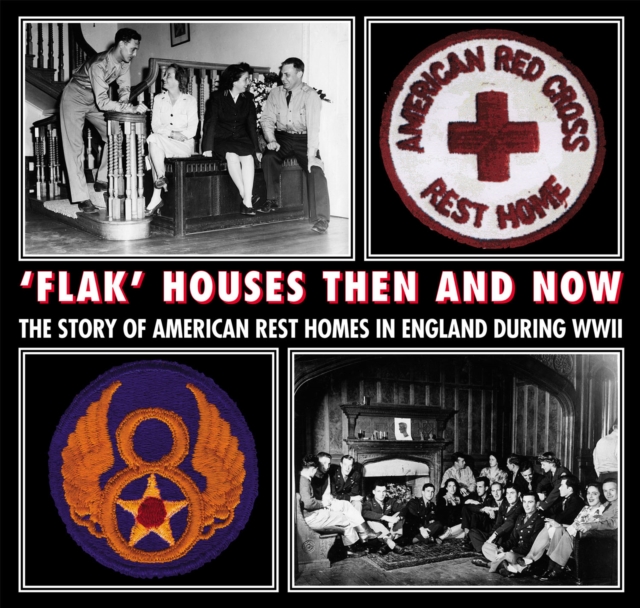
‘Flak’ Houses were the rest homes set up in England during the Second World War by the American Red Cross to provide centers of rest and recuperation for combat-weary airmen.
‘Flak’ Houses were the rest homes set up in England during the Second World War by the American Red Cross to provide centers of rest and recuperation for combat-weary airmen.
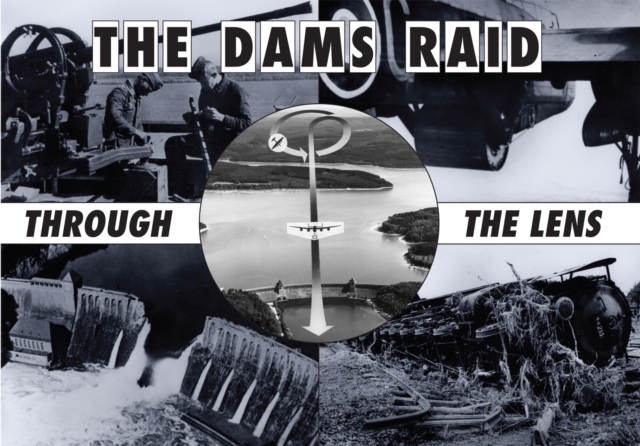
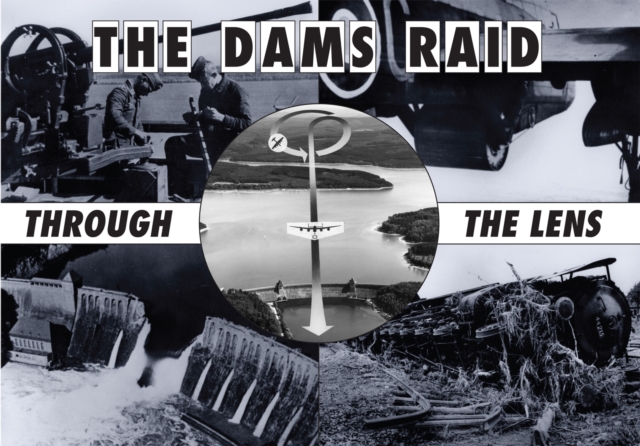
The story of the attack on the Möhne and Eder dams in the Ruhr has been recounted many times before, but not until now has it been told from the German side.
The story of the attack on the Möhne and Eder dams in the Ruhr has been recounted many times before, but not until now has it been told from the German side.
Peter Cornwell tells the story of the greatest air battle of the Second World War when six nations were locked in combat over north-western Europe for a traumatic six weeks in 1940.
Peter Cornwell tells the story of the greatest air battle of the Second World War when six nations were locked in combat over north-western Europe for a traumatic six weeks in 1940.