Religion and Genocide: Changing the Conversation is a cutting-edge introduction to the complex and controversial relationship between religion and genocide.
Religion and Genocide: Changing the Conversation is a cutting-edge introduction to the complex and controversial relationship between religion and genocide.
Through analyses of three eventful years in Nazi Germany's history - the Kristallnacht pogrom, the invasion of Poland and the invasion of Soviet Russia - this book explores the violence of states.
Through analyses of three eventful years in Nazi Germany's history - the Kristallnacht pogrom, the invasion of Poland and the invasion of Soviet Russia - this book explores the violence of states.
The Holocaust/Genocide Template in Eastern Europe discusses the "e;memory wars"e; in the course of the post-Communist re-narration of history since 1989 and the current authoritarian backlash.
The Holocaust/Genocide Template in Eastern Europe discusses the "e;memory wars"e; in the course of the post-Communist re-narration of history since 1989 and the current authoritarian backlash.
Challenges of Modernity offers a broad account of the social and economic history of Central and Eastern Europe in the twentieth century and asks critical questions about the structure and experience of modernity in different contexts and periods.
Challenges of Modernity offers a broad account of the social and economic history of Central and Eastern Europe in the twentieth century and asks critical questions about the structure and experience of modernity in different contexts and periods.
This is the first book to offer a comprehensive analysis of the emergence, nature, and function of Serbian paramilitary units during the violent breakup of Yugoslavia.
This is the first book to offer a comprehensive analysis of the emergence, nature, and function of Serbian paramilitary units during the violent breakup of Yugoslavia.
In this book Kornhaber and Woodward explore the vital connections which link generations to each other and expose a new social contract that destroys the emotional bonds between grandparents and grandchildren.
This volume is part of a comprehensive effort by Professor Rummel to understand and place in historical perspective the entire subject of genocide and mass murder-what is herein called Democide.
A Meaning-Based Approach to Art Therapy contextualizes the phenomena of Holocaust artwork for the field of art therapy and uses this canon of artwork to support the inclusion of logotherapy into art therapy theory and practice.
What Nazism Did to Psychoanalysis explores the impact Nazism had on the evolution of psychoanalysis and tackles the enigma of the transformation of individual hate into mass psychosis and of the autocratic creation of a neo-reality.
What Nazism Did to Psychoanalysis explores the impact Nazism had on the evolution of psychoanalysis and tackles the enigma of the transformation of individual hate into mass psychosis and of the autocratic creation of a neo-reality.
London has long been a magnet for migrants, millions of whom have been attracted by its economic, educational and cultural roles as a truly global city.
London has long been a magnet for migrants, millions of whom have been attracted by its economic, educational and cultural roles as a truly global city.
This book is about the experiences of Jewish children who were members of armed partisan groups in Eastern Europe during World War II and the Holocaust.
This book is about the experiences of Jewish children who were members of armed partisan groups in Eastern Europe during World War II and the Holocaust.
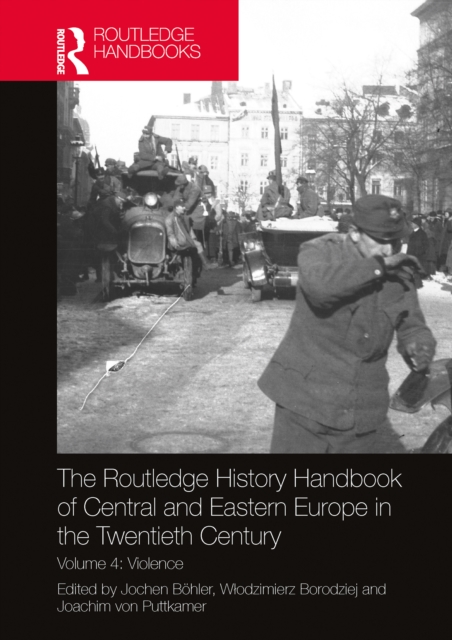
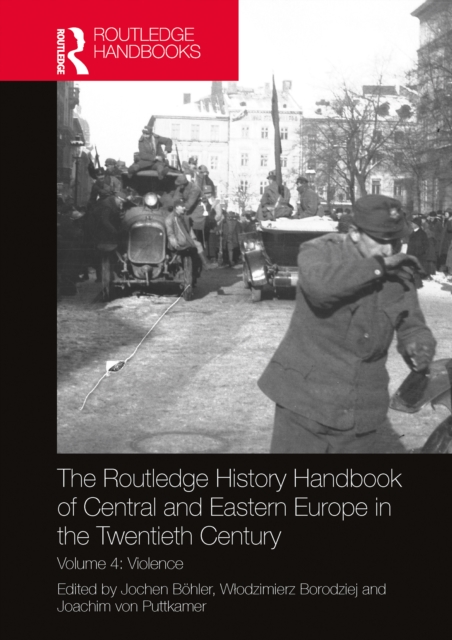
Violence analyzes both the violence exerted on the societies of Central and Eastern Europe during the twentieth century by belligerent powers and authoritarian and/or totalitarian regimes and armed conflicts between ethnic, social and national groups, as well as the interaction between these two phenomena.
Violence analyzes both the violence exerted on the societies of Central and Eastern Europe during the twentieth century by belligerent powers and authoritarian and/or totalitarian regimes and armed conflicts between ethnic, social and national groups, as well as the interaction between these two phenomena.
First published in 1969, Angry Adolescents is the story of unruly adolescents and of how a Youth Club with such an unpromising membership developed in a village in the Home Counties, some forty miles from London, just outside normal commuter territory.
First published in 1969, Angry Adolescents is the story of unruly adolescents and of how a Youth Club with such an unpromising membership developed in a village in the Home Counties, some forty miles from London, just outside normal commuter territory.
Originally published in 1981, this book tells the story of the Armenian dispersion and gives a graphic account of the persecution of the Armenians by the Turks from 1895 to 1922 which foreshadowed the Jewish holocaust at the hands of Hitler, who is said to have modelled some of his own ideas on those of the Young Turks.
Originally published in 1981, this book tells the story of the Armenian dispersion and gives a graphic account of the persecution of the Armenians by the Turks from 1895 to 1922 which foreshadowed the Jewish holocaust at the hands of Hitler, who is said to have modelled some of his own ideas on those of the Young Turks.
This book is a case study into the affective history of Holocaust drama offering a new perspective on the impact of The Diary of Anne Frank, the pivotal 1950s play that was a turning point in Holocaust consciousness.
The Routledge Handbook of Religion, Mass Atrocity, and Genocide explores the many and sometimes complicated ways in which religion, faith, doctrine, and practice intersect in societies where mass atrocity and genocide occur.
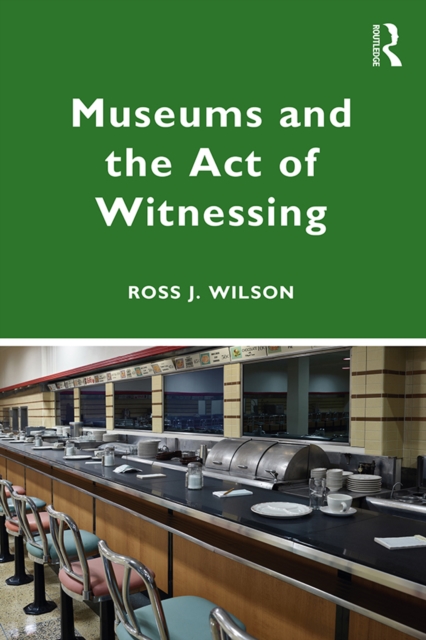
Museums and the Act of Witnessing examines how representations of traumatic histories and the legacies of the twentieth century in museums and heritage sites across the world shape political, social and cultural identities.