FULLY REVISED AND UPDATED The massacre of 1 million Rwandan Tutsis by ethnic Hutus in 1994 has become a symbol of the international community's helplessness in the face of human rights atrocities.
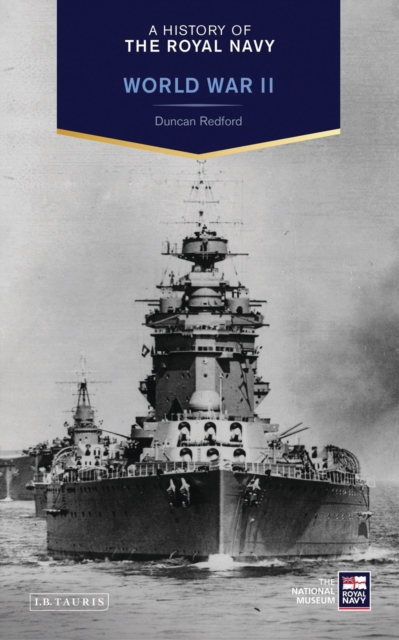
The Royal Navy's operations in World War II started on 3 September 1939 and continued until the surrender of Japan in August 1945 - there was no 'phoney war' at sea.
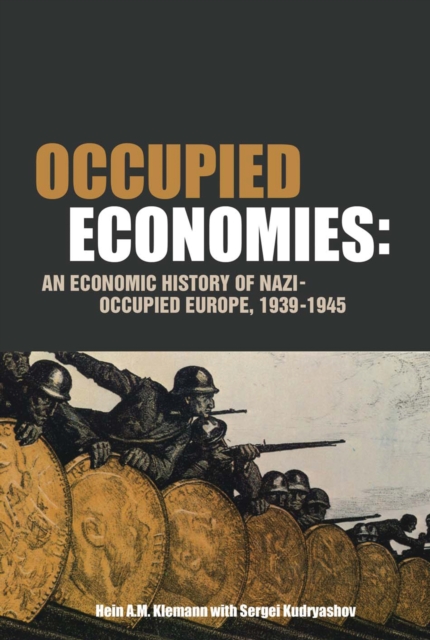
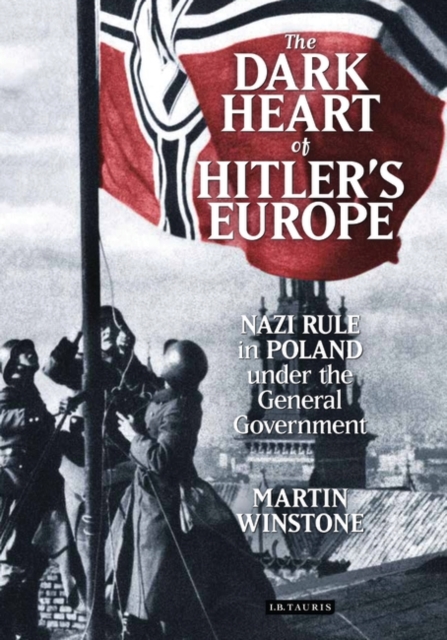
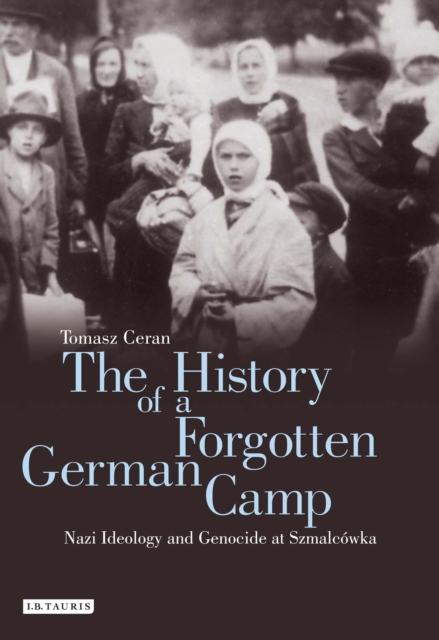
After the German and Soviet attack on Poland in 1939, vast swathes of Polish territory, including Warsaw and Krak w, fell under Nazi occupation in an administration which became known as the 'General Government'.
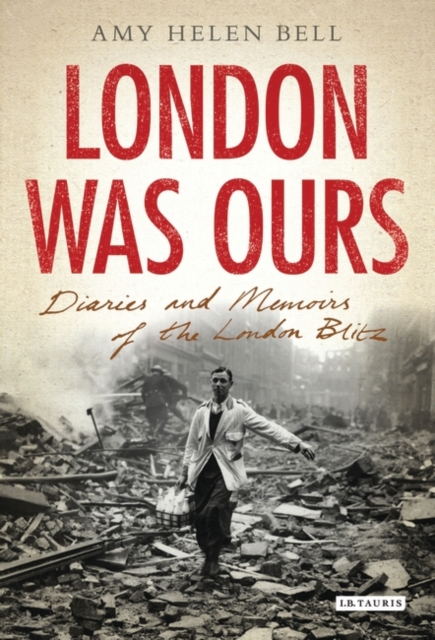
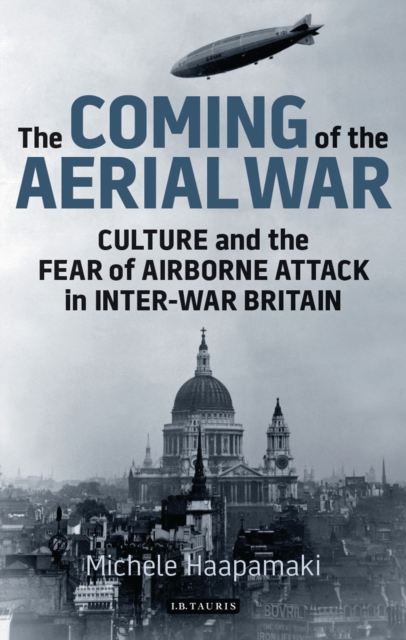
For the nine months of the Blitz, London was subjected to a brutal and indiscriminate bombing campaign, aimed for the first time in history at shattering the resolve of a nation.
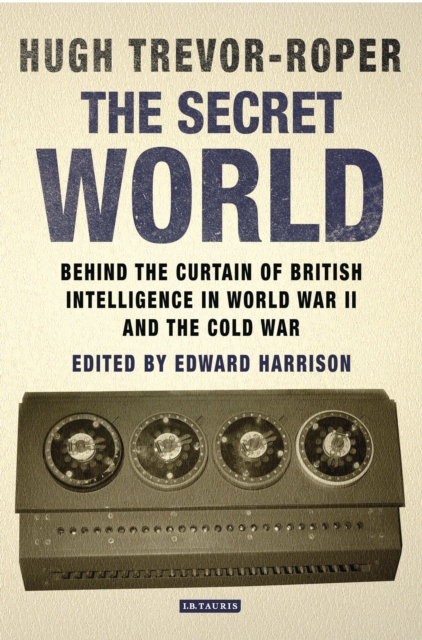
During World War II, Britain enjoyed spectacular success in the secret war between hostile intelligence services, enabling a substantial and successful expansion of British counter-espionage which continued to grow in the Cold War era.
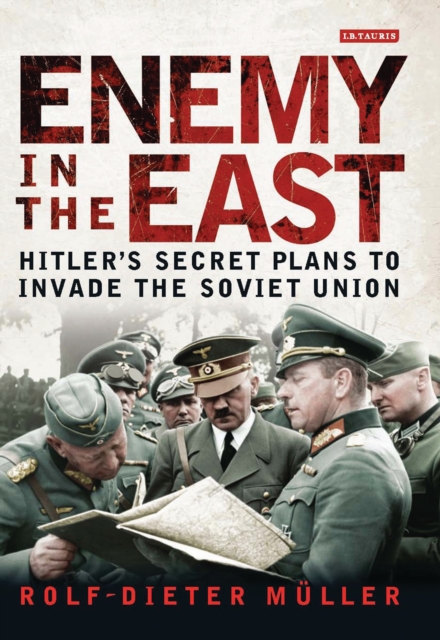
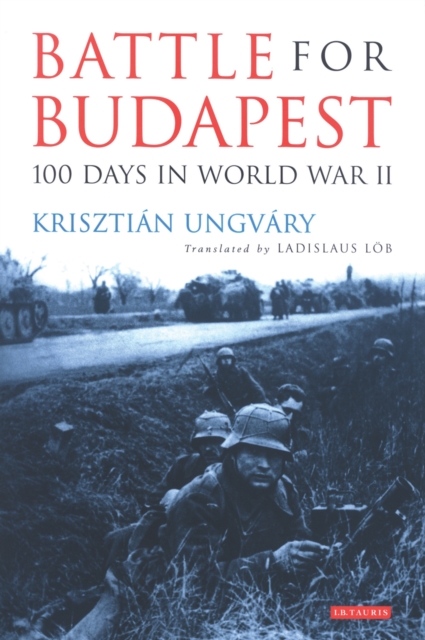
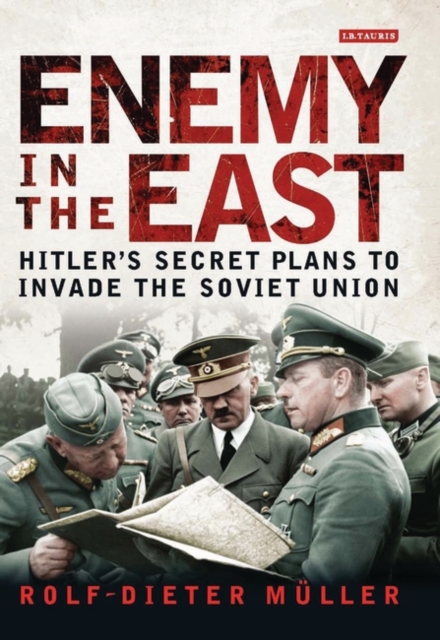
Operation Barbarossa, Hitler's invasion of the Soviet Union in 1941, led to one of the most brutal campaigns of World War II: of the estimated 70 million people who died in World War II, over 30 million died on the Eastern Front.
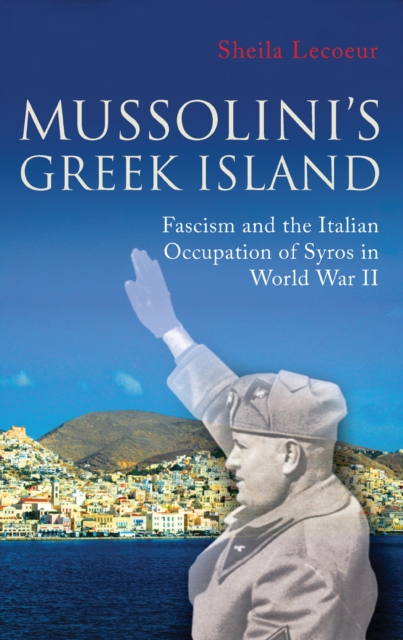
A powerful and unique study of the realities and long-term impact of occupation, "e;Mussolini's Greek Island"e; reveals the Italian dictator's imperial vision, the mechanisms of Italian occupation and its tragic consequences.
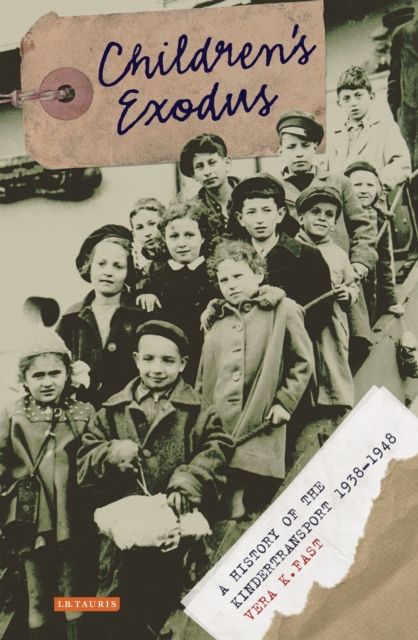
In the months leading up to the outbreak of World War Two, Britain rushed to evacuate nearly 10,000 Jewish children from the Nazi occupied territories.
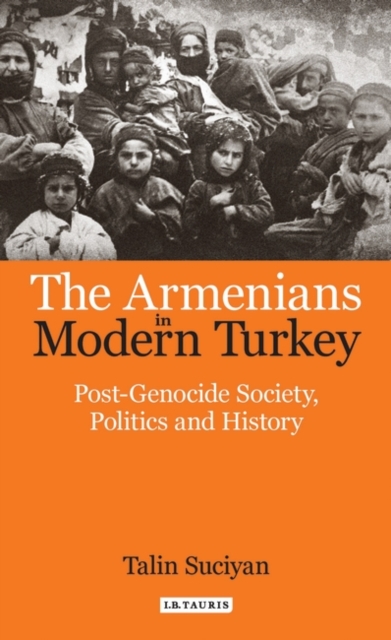
After the Armenian genocide of 1915, in which over a million Armenians died, thousands of Armenian-Turks lived and worked in the Turkish state alongside those who had persecuted their communities.
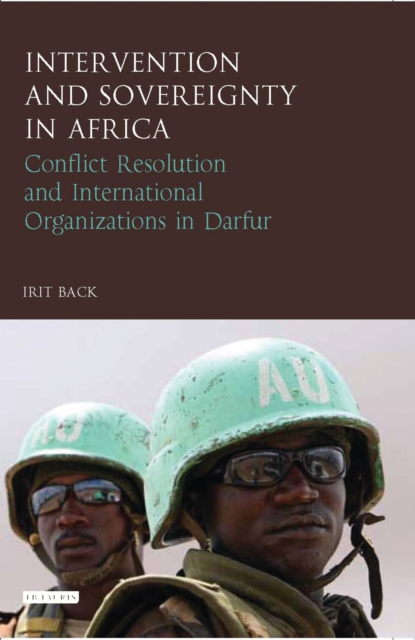
In response to the civil war in Darfur, the African Mission in Sudan (AMIS) force was established in May 2004, and by June its first contingents were on the ground.
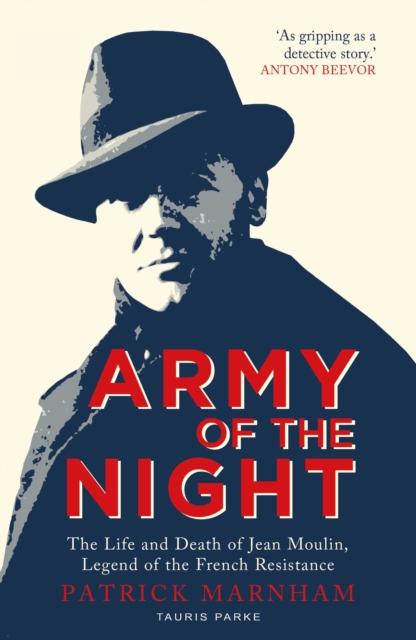
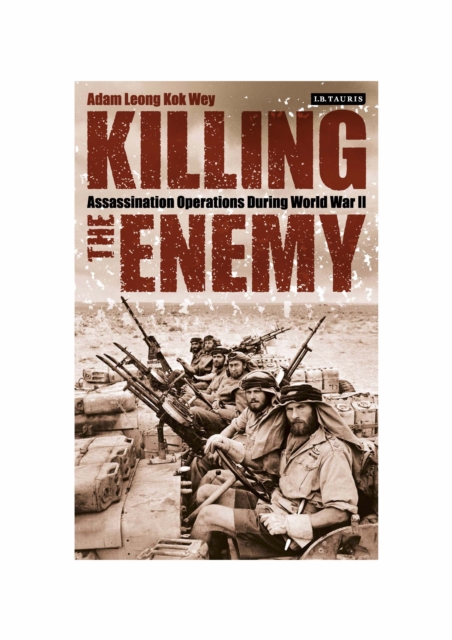
During World War II, the British formed a secret division, the 'SOE' or Special Operations Executive, in order to support resistance organisations in occupied Europe.
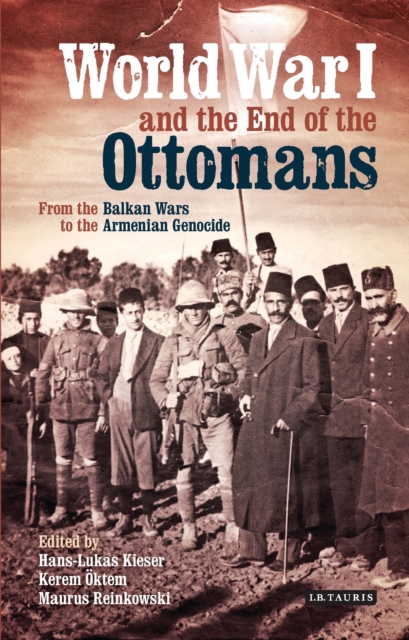
With the end of the First World War, the centuries-old social fabric of the Ottoman world an entangled space of religious co-existence throughout the Balkans and the Middle East came to its definitive end.
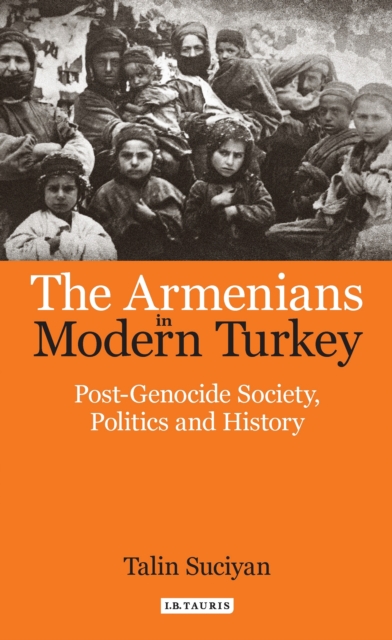
After the Armenian genocide of 1915, in which over a million Armenians died, thousands of Armenians lived and worked in the Turkish state alongside those who had persecuted their communities.
During World War II, the British formed a secret division, the 'SOE' or Special Operations Executive, in order to support resistance organisations in occupied Europe.
Operation Barbarossa, Hitler's invasion of the Soviet Union in 1941, led to one of the most brutal campaigns of World War II: of the estimated 70 million people who died in World War II, over 30 million died on the Eastern Front.