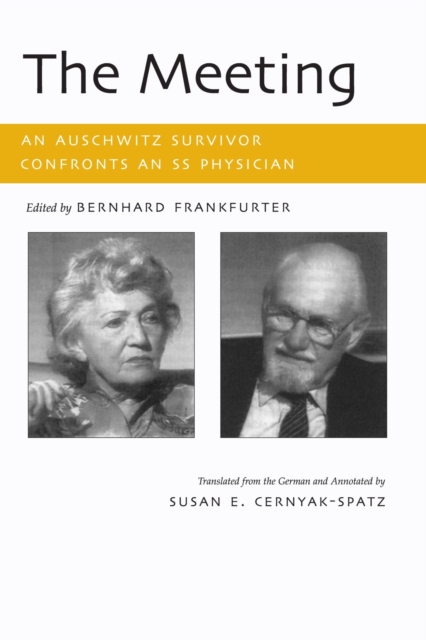
Fifty years after the war Dagmar Ostermann, a former prisoner at Auschwitz-Birkenau, and Hans Wilhelm Munch, former Nazi and SS physician, talk face to face.
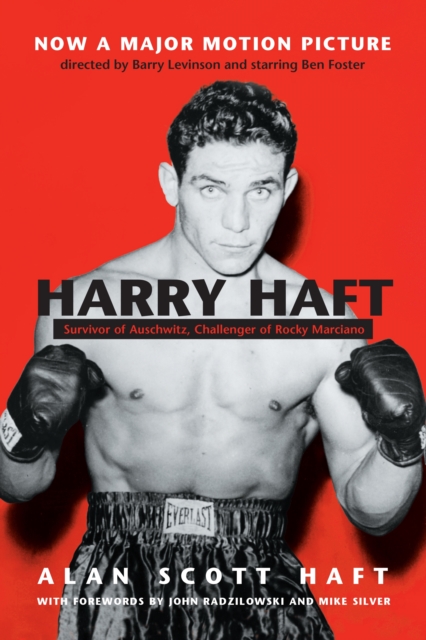
Alan Scott Haft provides the first-hand testimony of his father, Harry Haft, a holocaust victim with a singular story of endurance, desperation, and unrequited love.
First published in France in 2001, this translation includes an afterword by Israeli scholar Zeev Sternhell, which provides incisive comments that place Michlin's memoir within the larger context of contemporary French history.
Following the cataclysmic losses suffered in World War I, air power theorists in Europe advocated for long-range bombers to overfly the trenches and strike deep into the enemy's heartland.
At the close of World War II, the United States went from being allied with the Soviet Union against Germany to alignment with the Germans against the Soviet Unionalmost overnight.
Since the end of World War II, historians and psychologists have investigated the factors that motivated Germans to become Nazis before and during the war.
Since the end of World War II, historians and psychologists have investigated the factors that motivated Germans to become Nazis before and during the war.
Behind Japanese Lines has a great deal to say about the relations with the Filipinos and about the problems of dealing with and fighting the Hukbalahaps, the communist guerrillas or, indeed, in opposing the Japanese.
" Interviews with: Yitzhak Arad Leo Eitinger Emil Fackenheim Whitney Harris Jan Karski Arnost Lusting Mordecai Paldiel Marion Pritchard Dorothee Soelle Leon Wells Elie Wiesel Simon Wiesenthal The late Harry James Cargas was professor emeritus of literature and language at Webster University and author of thirty-two books, including Problems Unique to the Holocaust.
" Interviews with: Yitzhak Arad Leo Eitinger Emil Fackenheim Whitney Harris Jan Karski Arnost Lusting Mordecai Paldiel Marion Pritchard Dorothee Soelle Leon Wells Elie Wiesel Simon Wiesenthal The late Harry James Cargas was professor emeritus of literature and language at Webster University and author of thirty-two books, including Problems Unique to the Holocaust.
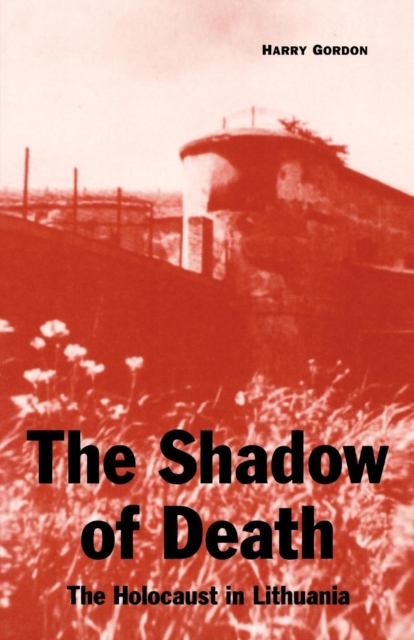
" Holocaust survivor Harry Gordon recalls in brutal detail the anguished years of his youth, a youth spent struggling to survive in a Lithuanian concentration camp.
Richard Lukas's book, encompassing the wartime recollections of sixty "ordinary" Poles under Nazi occupation, constitutes a valuable contribution to a new perspective on World War II.
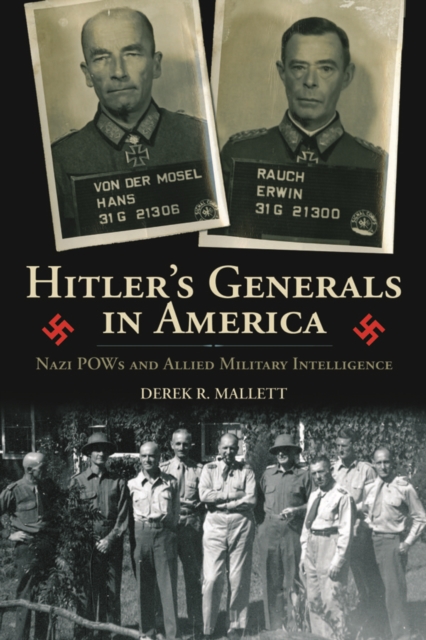
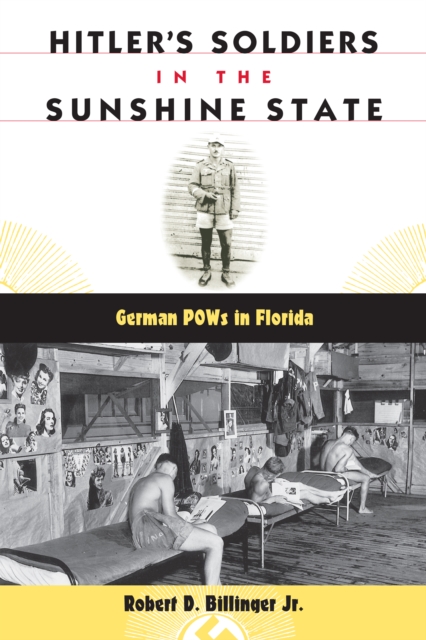
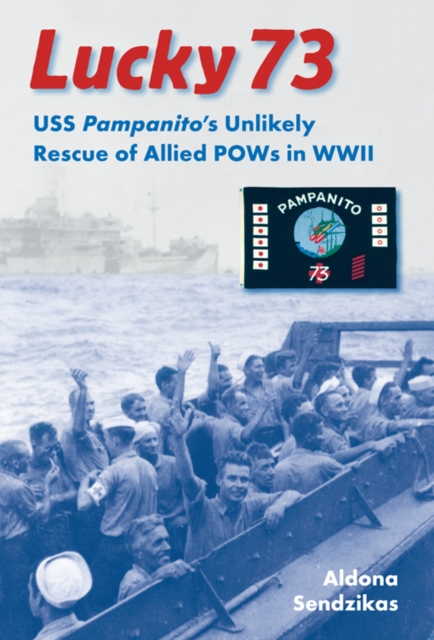
Americans are familiar with prisoner of war narratives that detail Allied soldiers' treatment at the hands of Germans in World War II: popular books and movies like The Great Escape and Stalag 17 have offered graphic and award-winning depictions of the American POW experience in Nazi camps.
As World War II recedes from living memory, there remain untold stories of important behind-the-scenes operatives who provided vital support to the leaders celebrated in historical accounts.
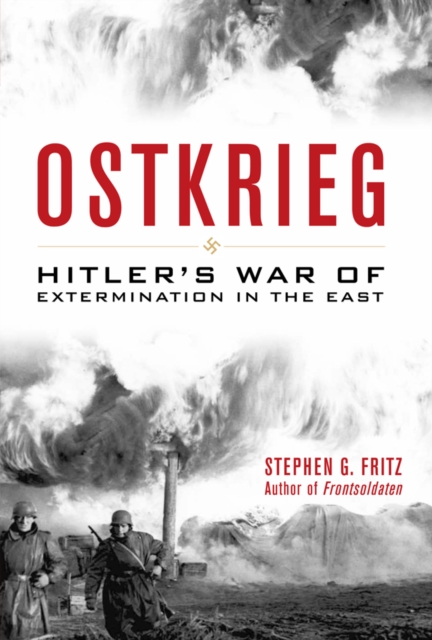
On June 22, 1941, Germany launched the greatest land assault in history on the Soviet Union, an attack that Adolf Hitler deemed crucial to ensure German economic and political survival.
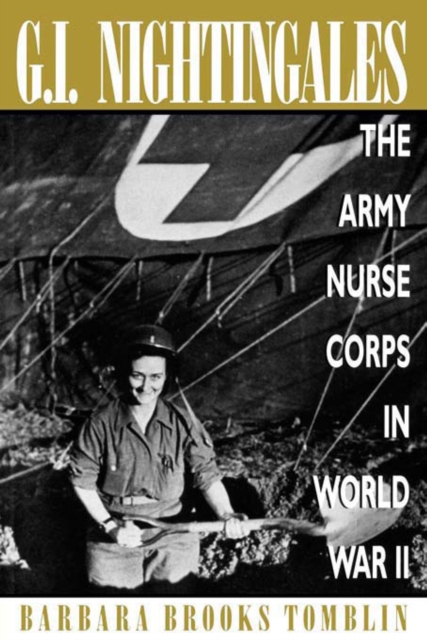
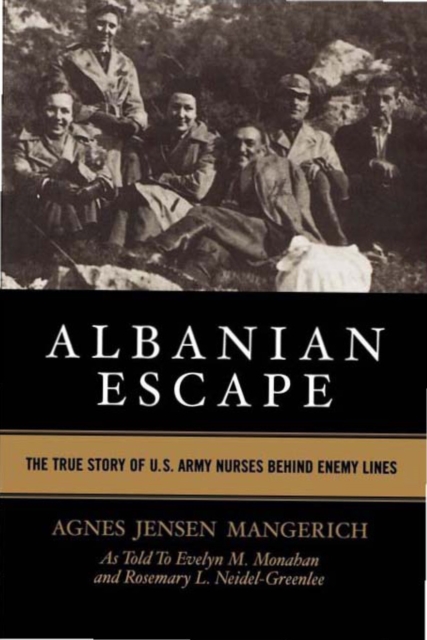
Weaving together information from official sources and personal interviews, Barbara Tomblin gives the first full-length account of the US Army Nurse Corps in the Second World War.
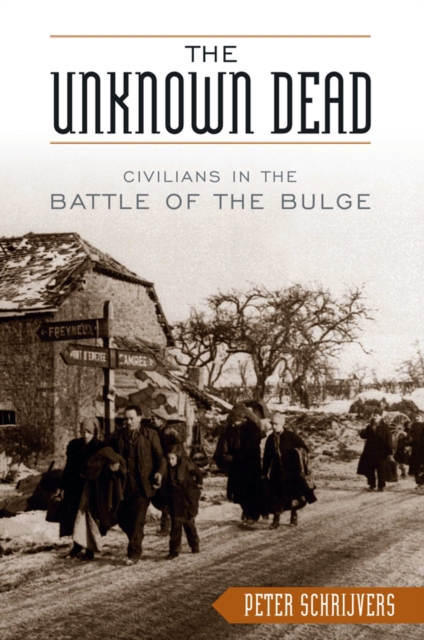
Traditional histories of the hard-fought Battle of the Bulge routinely include detailed lists of the casualties suffered by American, British, and German troops.
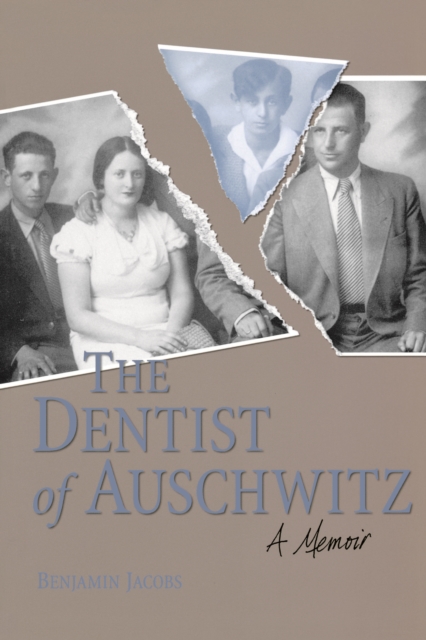
In 1941 Berek Jakubowicz (now Benjamin Jacobs) was deported from his Polish village and remained a prisoner of the Reich until the final days of the war.
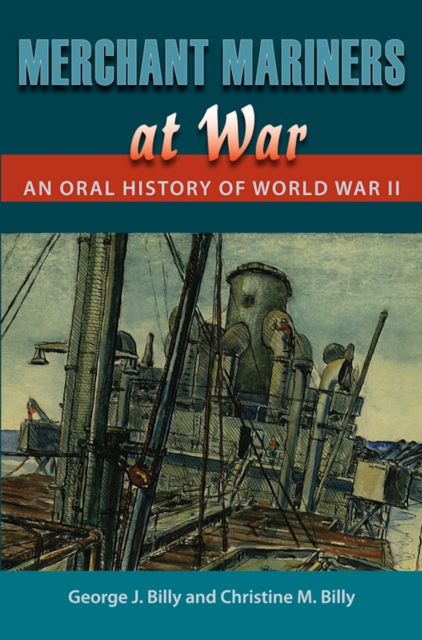
Thousands of cargo ships sailed in both the Atlantic and Pacific theaters of World War II manned by young men who braved blockades, torpedoes, and bombings to deliver vital supplies to the Allied forces and make victory possible.