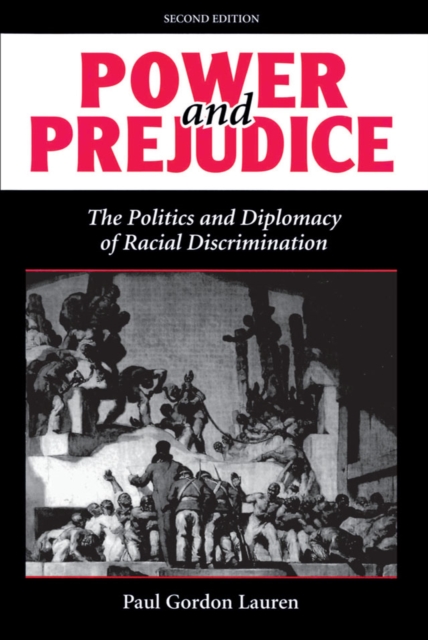
Since it first appeared, Power and Prejudice has been hailed as a bold, pioneering work dealing with one of the central and most controversial issues of our time?
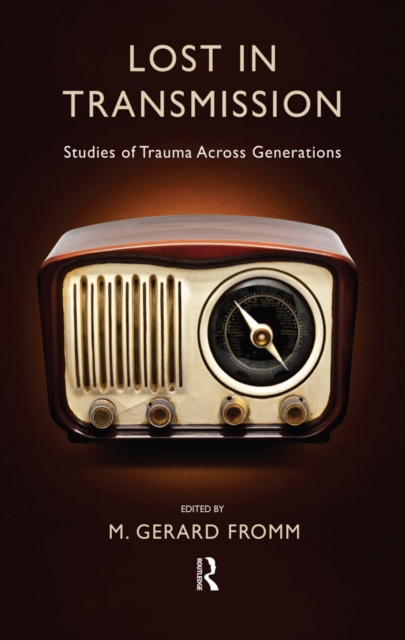
This book is about how traumatic psychological injury is passed down to the children and grandchildren of those who originally experienced it and about finding the shared humanity in families, in psychotherapy, in society, and in memories of the past that repairs the damage people do to one another.
This book deals with affects and memories from extreme traumatization of Jewish survivors, who were children themselves during the Holocaust, and teenagers who survived the genocide in Rwanda in 1994, presenting an illustration of how complex affect regulating is for traumatized individuals.
2015 was the seventieth anniversary of the end of World War Two, and, for Jews, the seventieth anniversary of the end of the worst Jewish catastrophe in diaspora history.
This book tells the dramatic story of the recruitment and training of a group of German communist exiles by the London office of the Office of Strategic Services for key spy missions into Nazi Germany during the final months of World War II.
This book tells the dramatic story of the recruitment and training of a group of German communist exiles by the London office of the Office of Strategic Services for key spy missions into Nazi Germany during the final months of World War II.
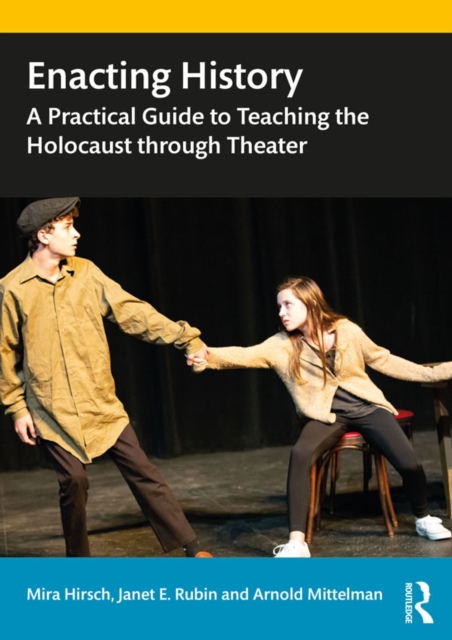
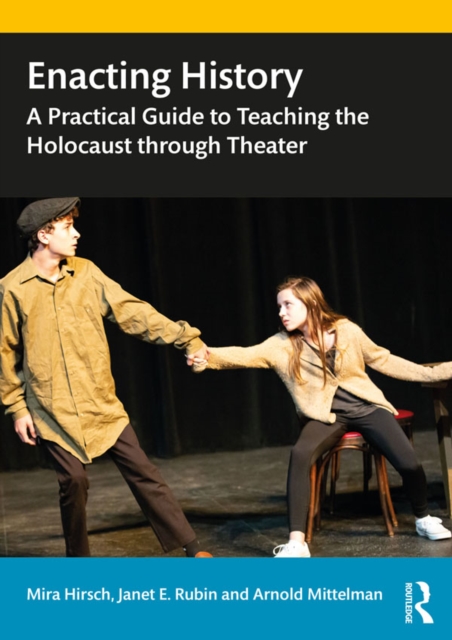
Enacting History is a practical guide for educators that provides methodologies and resources for teaching the Holocaust through a variety of theatrical means, including scripted texts, verbatim testimony, devised theater techniques and process-oriented creative exercises.
Enacting History is a practical guide for educators that provides methodologies and resources for teaching the Holocaust through a variety of theatrical means, including scripted texts, verbatim testimony, devised theater techniques and process-oriented creative exercises.
Unknown Conflicts of the Second World War: Forgotten Fronts is a collection of chapters dealing with various overlooked aspects of the Second World War.
Unknown Conflicts of the Second World War: Forgotten Fronts is a collection of chapters dealing with various overlooked aspects of the Second World War.
Residential Schools and Indigenous Peoples provides an extended multi-country focus on the transnational phenomenon of genocide of Indigenous peoples through residential schooling.
Residential Schools and Indigenous Peoples provides an extended multi-country focus on the transnational phenomenon of genocide of Indigenous peoples through residential schooling.
A Group Analytic Approach to Understanding Mass Violence makes an analytic examination of the enactment of genocide by Nazi Germany during World War II to explore how mass and state-sponsored violence can arise within societies and how the false beliefs that are used to justify such actions are propagated within society.
A Group Analytic Approach to Understanding Mass Violence makes an analytic examination of the enactment of genocide by Nazi Germany during World War II to explore how mass and state-sponsored violence can arise within societies and how the false beliefs that are used to justify such actions are propagated within society.
Genocide and Victimology examines genocide in its diverse features, from different yet connected perspectives, to offer an interdisciplinary, victimological imagination of genocide.
Genocide and Victimology examines genocide in its diverse features, from different yet connected perspectives, to offer an interdisciplinary, victimological imagination of genocide.
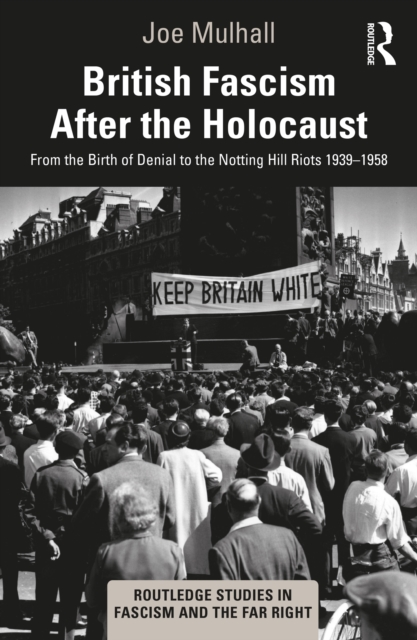
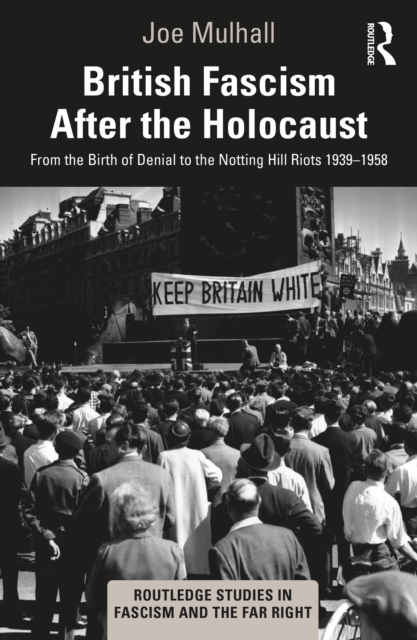
This book explores the policies and ideologies of a number of individuals and groups who attempted to relaunch fascist, antisemitic and racist politics in the wake of World War II and the Holocaust.
This book explores the policies and ideologies of a number of individuals and groups who attempted to relaunch fascist, antisemitic and racist politics in the wake of World War II and the Holocaust.
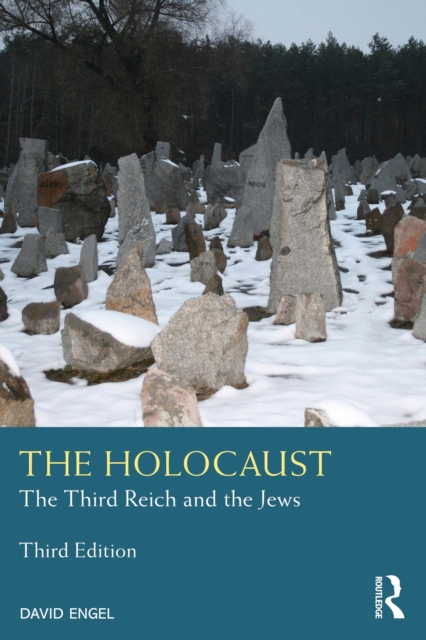
The second edition of this book frames the Holocaust as a catastrophe emerging from varied international responses to the Jewish question during an age of global crisis and war.
The second edition of this book frames the Holocaust as a catastrophe emerging from varied international responses to the Jewish question during an age of global crisis and war.
The year 2016 marked the twenty-fifth anniversary of statutory teaching and learning about the Holocaust in English state-maintained schools, which was introduced with the first English National Curriculum in 1991.
The year 2016 marked the twenty-fifth anniversary of statutory teaching and learning about the Holocaust in English state-maintained schools, which was introduced with the first English National Curriculum in 1991.
The 1971 genocide in Bangladesh took place as a result of the region's long history of colonization, the 1947 partition of the Indian subcontinent into largely Muslim Pakistan and Hindu India, and the continuation of ethnic and religious politics in Pakistan, specifically the political suppression of the Bengali people of East Pakistan.
The 1971 genocide in Bangladesh took place as a result of the region's long history of colonization, the 1947 partition of the Indian subcontinent into largely Muslim Pakistan and Hindu India, and the continuation of ethnic and religious politics in Pakistan, specifically the political suppression of the Bengali people of East Pakistan.
Young People and the Struggle for Participation rethinks dominant concepts and meanings of participation by exploring what young people do in public spaces and what these spaces mean to them, individually and collectively.
Young People and the Struggle for Participation rethinks dominant concepts and meanings of participation by exploring what young people do in public spaces and what these spaces mean to them, individually and collectively.
Published in 1997, this text is built around themes agreed upon for a conference which aimed to set the agenda for youth research over the next decade.
Published in 1997, this text is built around themes agreed upon for a conference which aimed to set the agenda for youth research over the next decade.