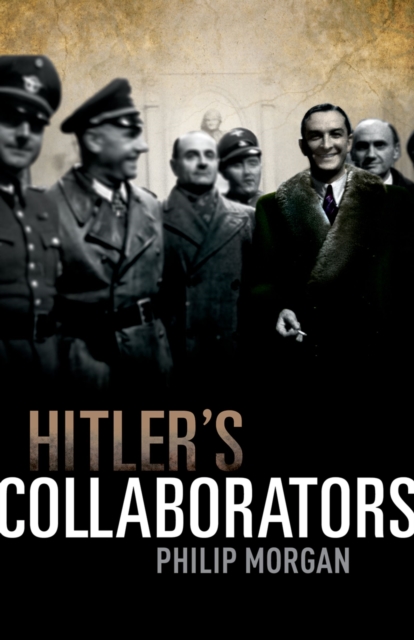
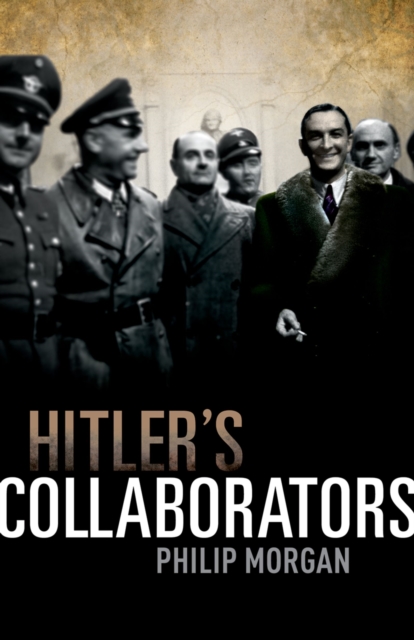
Hitler's Collaborators focuses the spotlight on one of the most controversial and uncomfortable aspects of the Nazi wartime occupation of Europe: the citizens of those countries who helped Hitler.
Hitler's Collaborators focuses the spotlight on one of the most controversial and uncomfortable aspects of the Nazi wartime occupation of Europe: the citizens of those countries who helped Hitler.
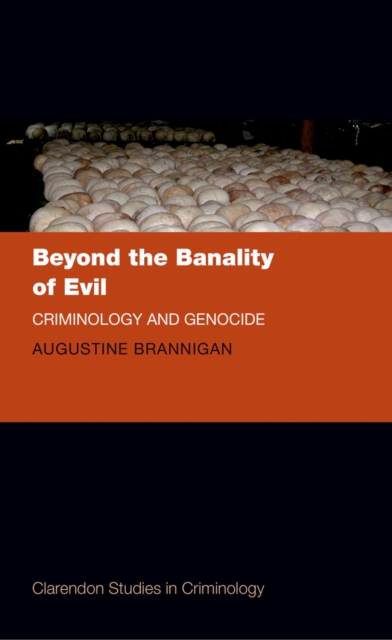
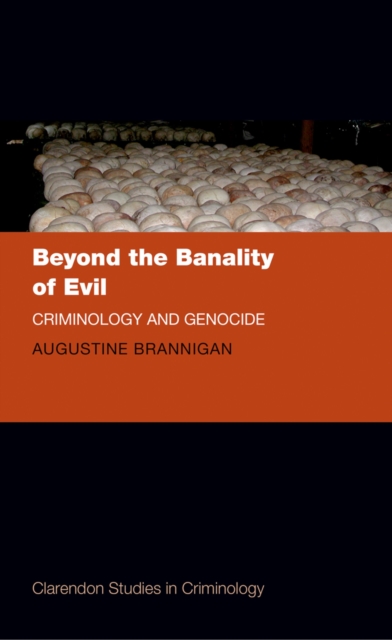
Positioning itself within significant developments in genocide studies arising from misgivings about two noteworthy observers, Arendt and Milgram, this book asks what lies 'beyond the banality of evil'?
Positioning itself within significant developments in genocide studies arising from misgivings about two noteworthy observers, Arendt and Milgram, this book asks what lies 'beyond the banality of evil'?
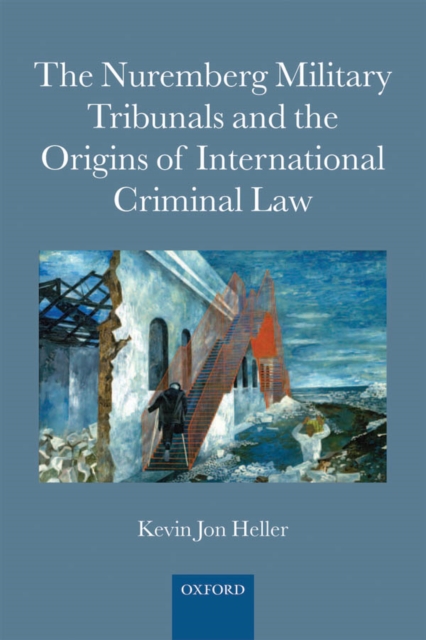
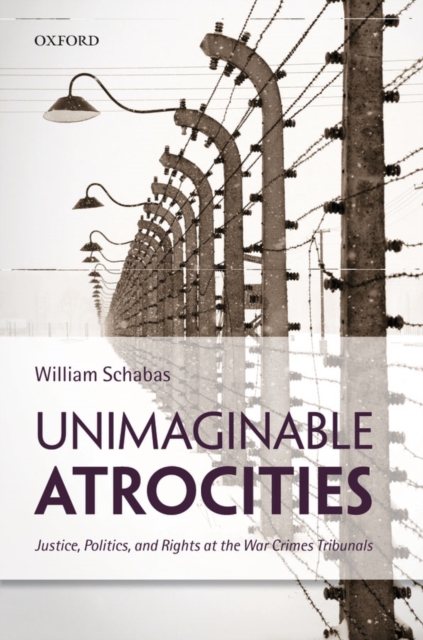
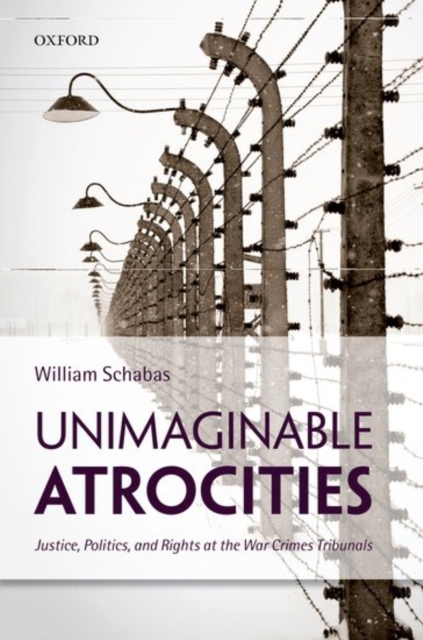
This book provides the first comprehensive legal analysis of the twelve war crimes trials held in the American zone of occupation between 1946 and 1949, collectively known as the Nuremberg Military Tribunals (NMTs).
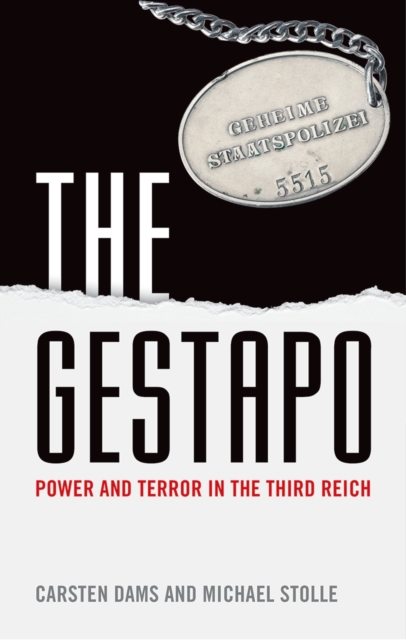
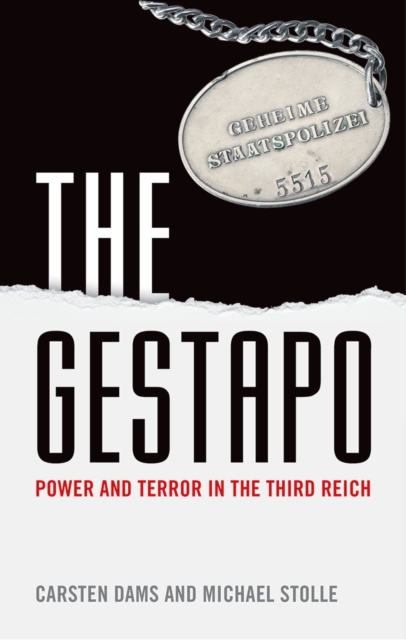
The Gestapo was the most feared instrument of political terror in the Third Reich, brutally hunting down and destroying anyone it regarded as an enemy of the Nazi regime: socialists, Communists, Jews, homosexuals, and anyone else deemed to be an 'anti-social element'.
The Gestapo was the most feared instrument of political terror in the Third Reich, brutally hunting down and destroying anyone it regarded as an enemy of the Nazi regime: socialists, Communists, Jews, homosexuals, and anyone else deemed to be an 'anti-social element'.
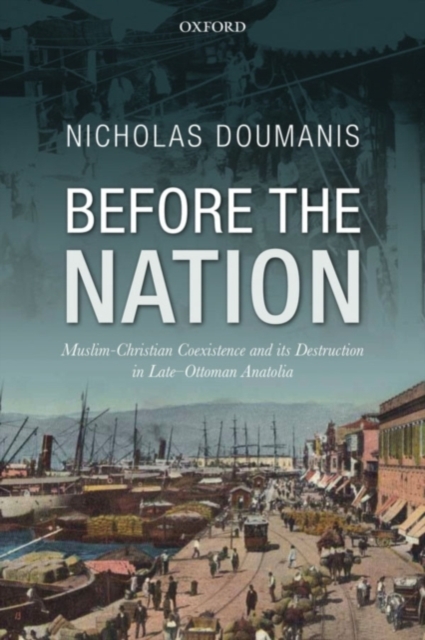
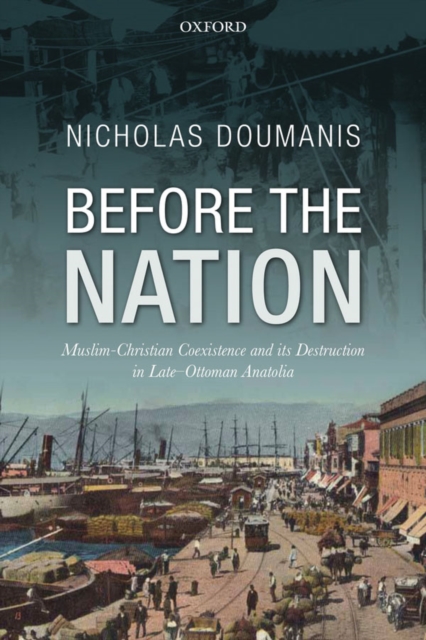
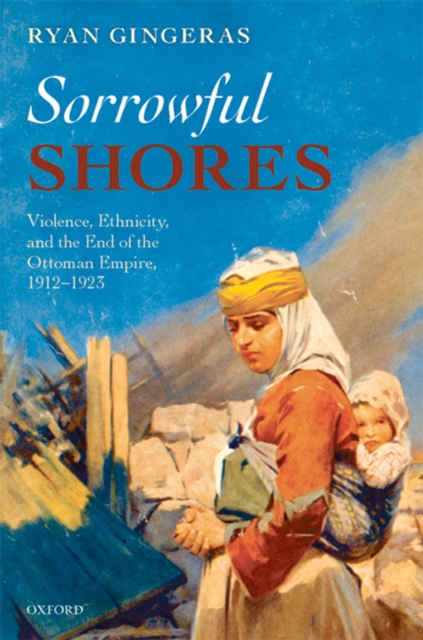
The eastern provinces of the Ottoman Empire used to be a multi-ethnic region where Armenians, Kurds, Syriacs, Turks, and Arabs lived together in the same villages and cities.
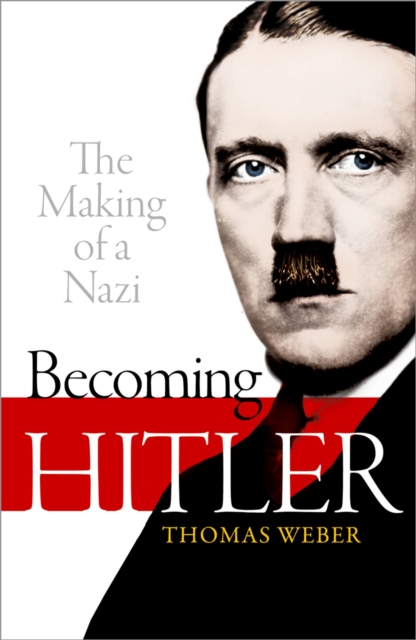
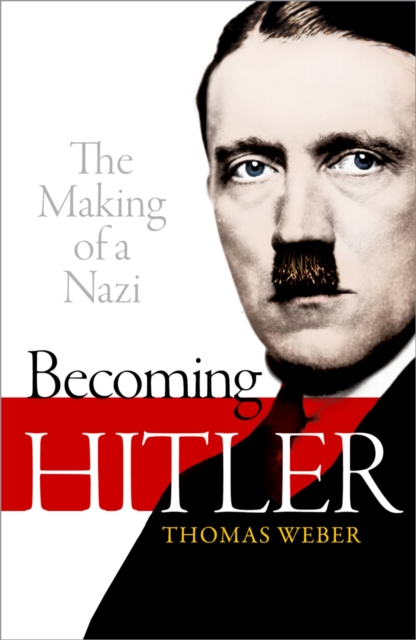
The story of the making of Adolf Hitler that we are all familiar with is the one Hitler himself wove in his 1924 trial, and then expanded upon in Mein Kampf.
The story of the making of Adolf Hitler that we are all familiar with is the one Hitler himself wove in his 1924 trial, and then expanded upon in Mein Kampf.
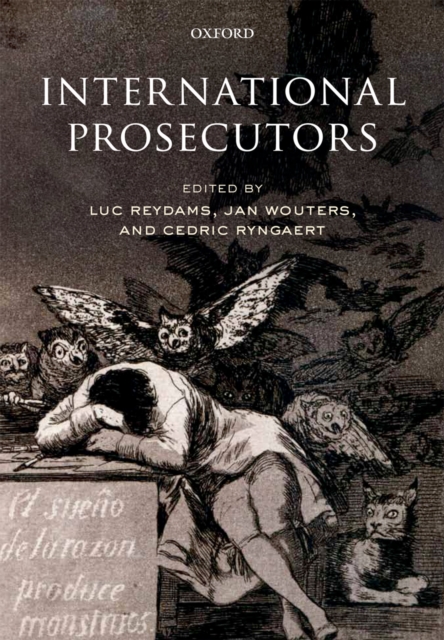
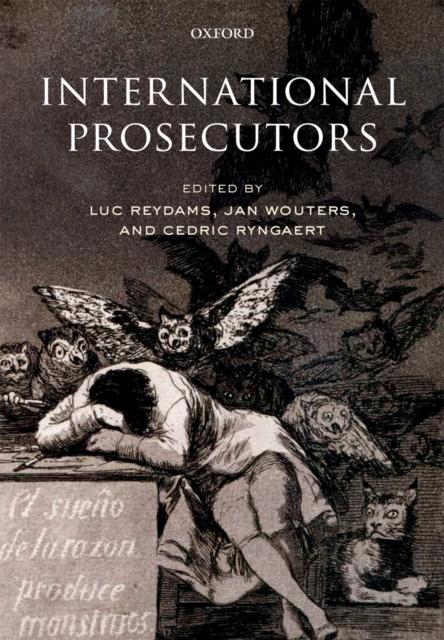
This volume examines the prosecution as an institution and a function in a dozen international and hybrid criminal tribunals, from Nuremberg to the International Criminal Court.
This volume examines the prosecution as an institution and a function in a dozen international and hybrid criminal tribunals, from Nuremberg to the International Criminal Court.
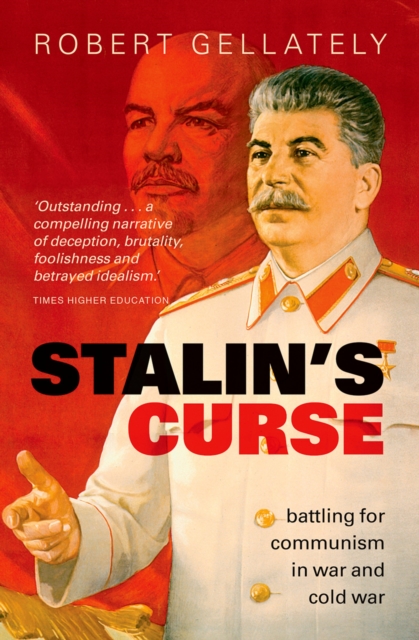
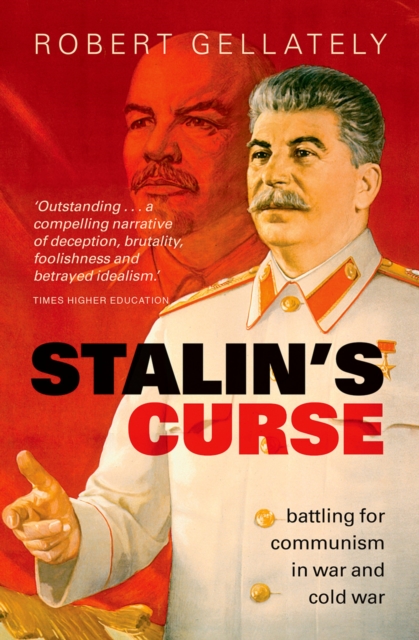
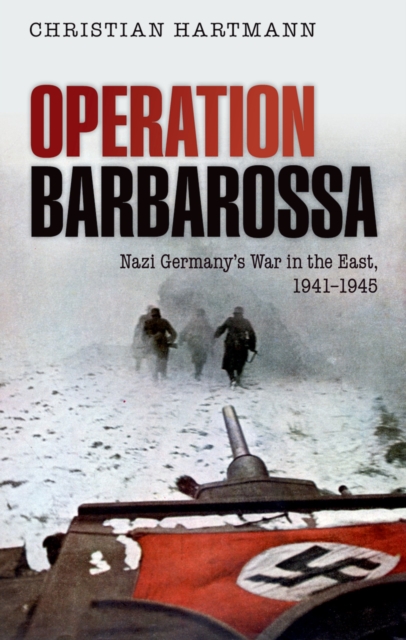
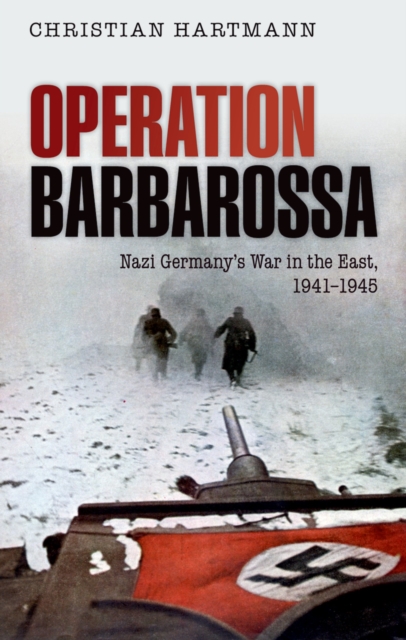
The war between Nazi Germany and Stalin's Soviet Union that raged between 1941 and 1945 was the ultimate confrontation between the two great totalitarian ideologies of the twentieth century.
The war between Nazi Germany and Stalin's Soviet Union that raged between 1941 and 1945 was the ultimate confrontation between the two great totalitarian ideologies of the twentieth century.
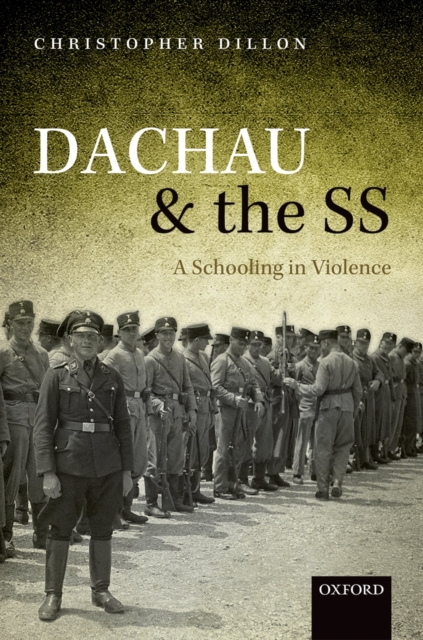
Dachau and the SS studies the concentration camp guards at Dachau, the first SS concentration camp and a national 'school' of violence for its concentration camp personnel.
The Oxford Bible Commentary is a Bible study and reference work for 21st century students and readers that can be read with any modern translation of the Bible.
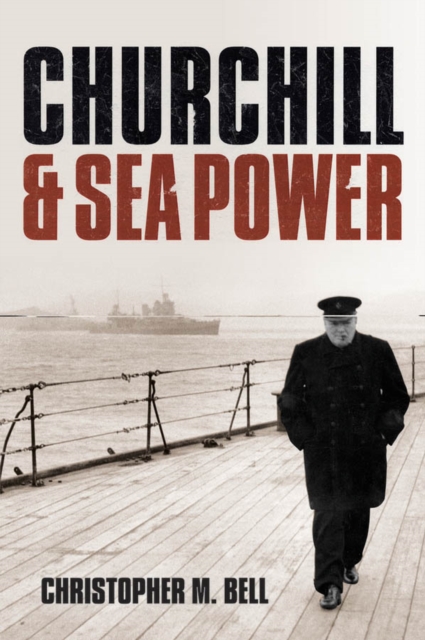
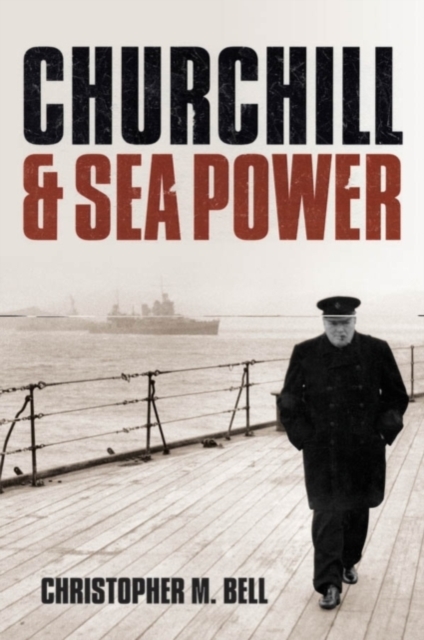
Winston Churchill had a longer and closer relationship with the Royal Navy than any British statesman in modern times, but his record as a naval strategist and custodian of the nation's sea power has been mired in controversy since the ill-fated Dardanelles campaign in 1915.
Winston Churchill had a longer and closer relationship with the Royal Navy than any British statesman in modern times, but his record as a naval strategist and custodian of the nation's sea power has been mired in controversy since the ill-fated Dardanelles campaign in 1915.
This book provides the first comprehensive legal analysis of the twelve war crimes trials held in the American zone of occupation between 1946 and 1949, collectively known as the Nuremberg Military Tribunals (NMTs).
As head of the SS, chief of police, 'Reichskommissar for the Consolidation of Germanness', and Reich Interior Minister, Heinrich Himmler enjoyed a position of almost unparalleled power and responsibility in Nazi Germany.
The eastern provinces of the Ottoman Empire used to be a multi-ethnic region where Armenians, Kurds, Syriacs, Turks, and Arabs lived together in the same villages and cities.
As head of the SS, chief of police, 'Reichskommissar for the Consolidation of Germanness', and Reich Interior Minister, Heinrich Himmler enjoyed a position of almost unparalleled power and responsibility in Nazi Germany.
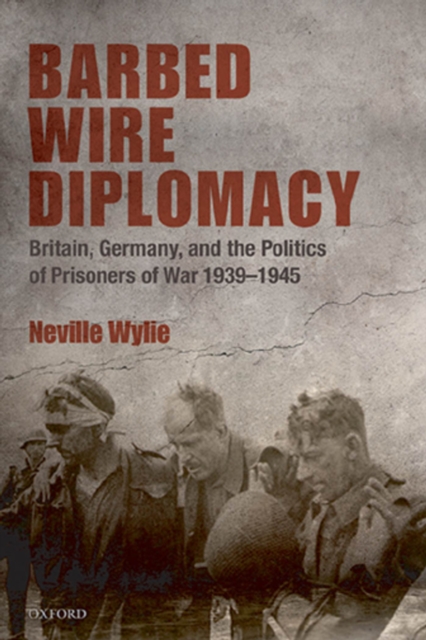
Barbed Wire Diplomacy examines how the United Kingdom government went about protecting the interests, lives and well-being of its prisoners of war (POWs) in Nazi Germany between 1939 and 1945.
As international criminal courts and tribunals have proliferated and international criminal law is increasingly seen as a key tool for bringing the world's worst perpetrators to account, the controversies surrounding the international trials of war criminals have grown.
As international criminal courts and tribunals have proliferated and international criminal law is increasingly seen as a key tool for bringing the world's worst perpetrators to account, the controversies surrounding the international trials of war criminals have grown.
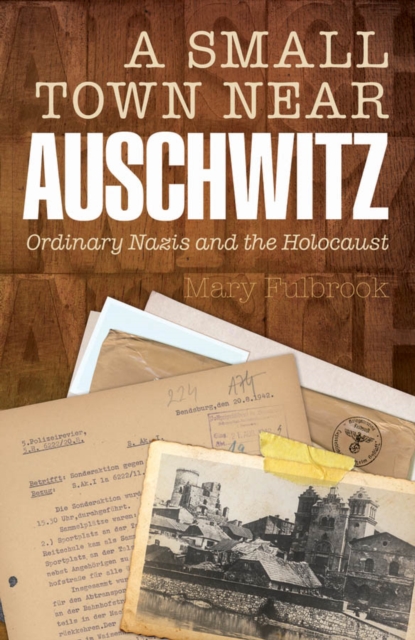
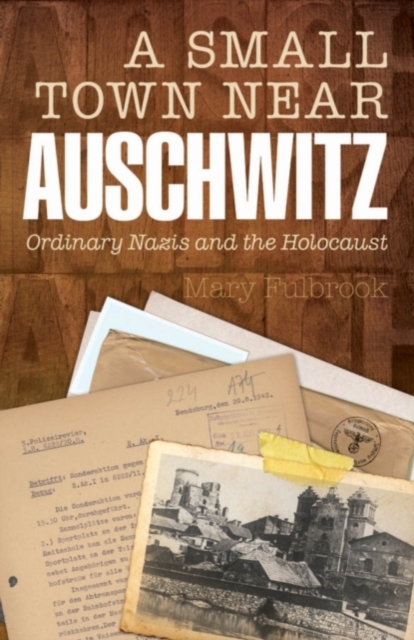
The Silesian town of Bedzin lies a mere twenty-five miles from Auschwitz; through the linked ghettos of Bedzin and its neighbouring town, some 85,000 Jews passed on their way to slave labour or the gas chambers.
The Silesian town of Bedzin lies a mere twenty-five miles from Auschwitz; through the linked ghettos of Bedzin and its neighbouring town, some 85,000 Jews passed on their way to slave labour or the gas chambers.
James Hinton uses diaries kept by nine 'ordinary' people in wartime Britain to re-evaluate the social history of the Second World War, and to reflect on the twentieth-century making of the modern self.
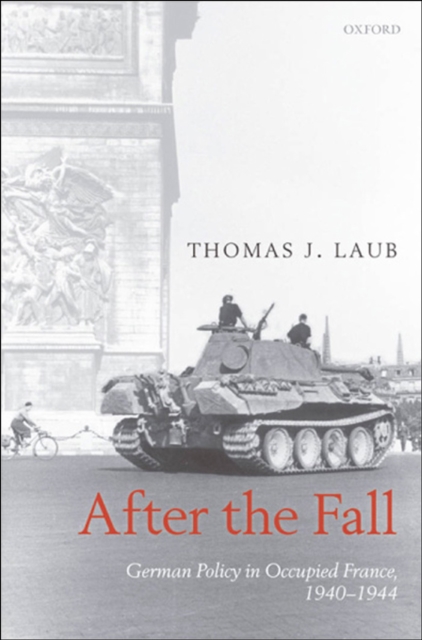
German policy in occupied France during the Second World War was in many ways a story of bitter internal conflict between the various German agencies in charge of the occupation.
The Second World War affected the lives and shaped the experience of millions of individuals in Germany - soldiers at the front, women, children and the elderly sheltering in cellars, slave labourers toiling in factories, and concentration-camp prisoners and POWs clearing rubble in the Reich's devastated cities.