TRANS-MISSISSIPPI THEATER BOOK OF THE YEAR (BATTLES AND CAMPAIGNS) – CIVIL WAR BOOKS AND AUTHORSThe Sand Creek battle (or massacre) occurred on November 29-30, 1864, a confrontation between Cheyenne and Arapaho Indians and Colorado volunteer soldiers.
This compelling book offers a fresh perspective on how the natural world has been imagined, built on, and transformed by human beings throughout history and around the globe.
In the fourteenth century, a culture arose in and around the Edwards Plateau of Central Texas that represents the last prehistoric peoples before the cultural upheaval introduced by European explorers.
Useful for academic and recreational archaeologists alike, this book identifies and describes over 200 projectile points and stone tools used by prehistoric Native American Indians in Texas.
Since its discovery by Europeans in 1500, explorers, visionaries, soldiers of fortune, men of God, scientists, and slavers have been drawn to the legendary Amazon.
Within these pages, celebrated Native American writer Gabriel Horn weaves a hauntingly beautiful tapestry of traditional stories, songs, and prayers that highlight the sacred Native way of life.
In this elegantly written and illustrated book, bestselling author Susan Chernak McElroy has gathered the voices of the wind, weather, animals, and elements and transcribed the he truths they have to share.
Coopers Landscapes: An Essay on the Picturesque Vision delves into the vivid and enduring landscapes of James Fenimore Coopers works, exploring how his descriptive artistry shaped the American literary imagination.
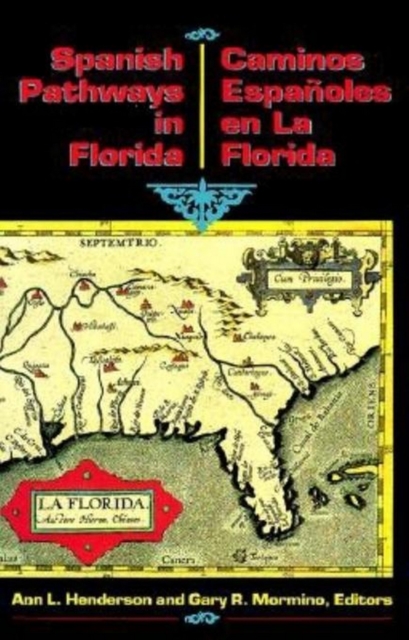
Florida served as one of the great meeting grounds of the planet, a place where peoples from Indian America, Latin America, Africa, the Caribbean and Europe converged.
Whether you start your journey down the Seminole Trail as an armchair adventurer or seek to visit the sites in person, this unique guide will give greater understanding to the prominent role of Seminole Indians in the place we call Florida.
An unsettling study of two tragic events at an Indian residential school in British Columbia which serve as a microcosm of the profound impact the residential school system had on Aboriginal communities in Canada throughout this century.
The captivating story of Mary John (who passed away in 2004), a pioneering Carrier Native whose life on the Stoney Creek reserve in central BC is a capsule history of First Nations life from a unique woman's perspective.
One of the first books published to deal with the phenomenon of residential schools in Canada, Resistance and Renewal is a disturbing collection of Native perspectives on the Kamloops Indian Residential School(KIRS) in the British Columbia interior.
Judgement at Stoney Creek has been released in a new edition of an aboriginal studies classic: an engrossing look at the investigation into the hit-and-run death of Coreen Thomas, a young Native woman in her ninth month of pregnancy, at the wheels of a car driven by a young white man in central BC.
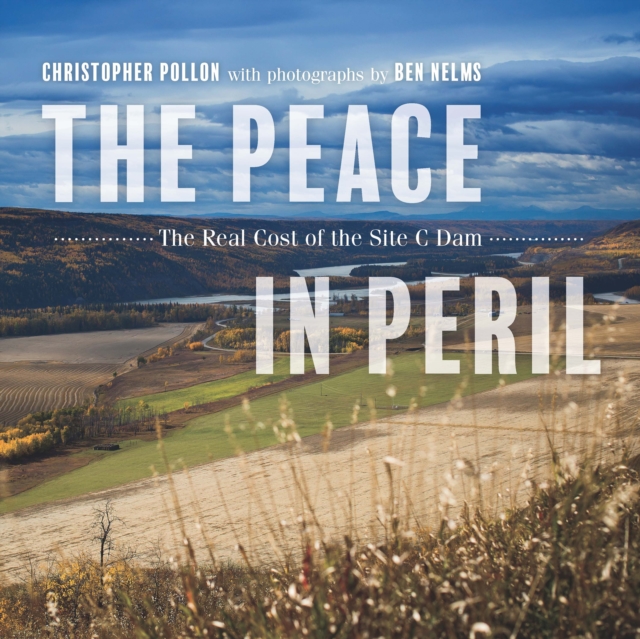
In the next decade, a 60-metre-high wall of compacted earth will stretch more than a kilometre across the main stem of the Peace River, causing the waters behind it to swell into a 93-square-kilometre artificial lake, drowning the best topsoil left in the BC north.
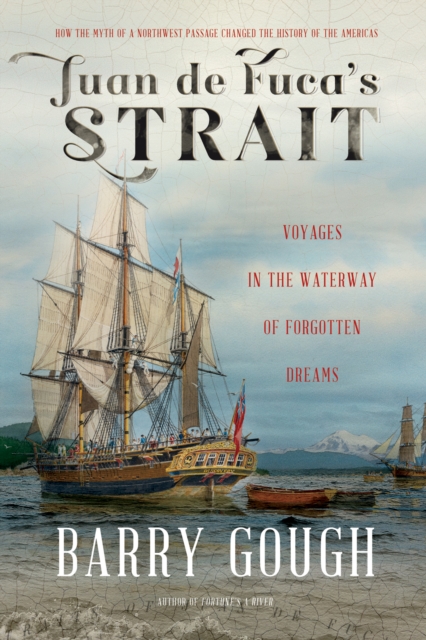
The tale begins in sixteenth-century Venice, when explorer Juan de Fuca encountered English merchant Michael Lok and relayed a fantastic story of a marine passageway that connected the Pacific and Atlantic Oceans.
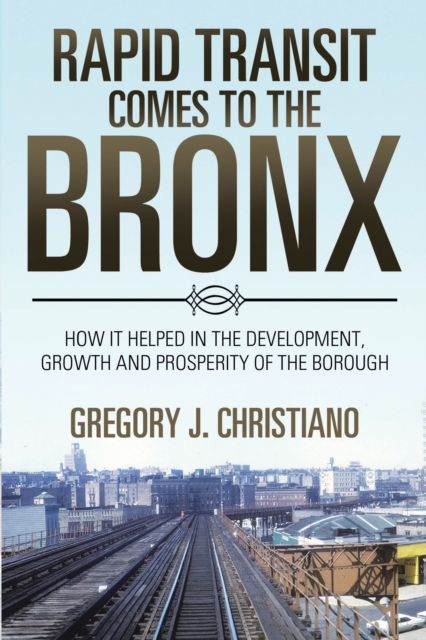
After the merger of New York City and lower Westchester in 1874, there was a heightened interest in extending rapid transit lines across the Harlem River into this new section of the city.
"e;Garden Ponds and Pools"e; is a vintage guide to large garden water features, with chapters on designing, constructing, populating, and maintaining them.
Originally published in 1875, this work details what life was like on the Upper Thames before the 20th century, the people who lived there and the trades they developed.
Mobility was central to imperialism, from the human movements entailed in exploration, travel and migration to the information, communications and commodity flows vital to trade, science, governance and military power.