The contributors to this volume, originally published in 1962, explain the raison d'etre of their own specialism in history be it archaeology, political, local, economic or social history or historical geography.
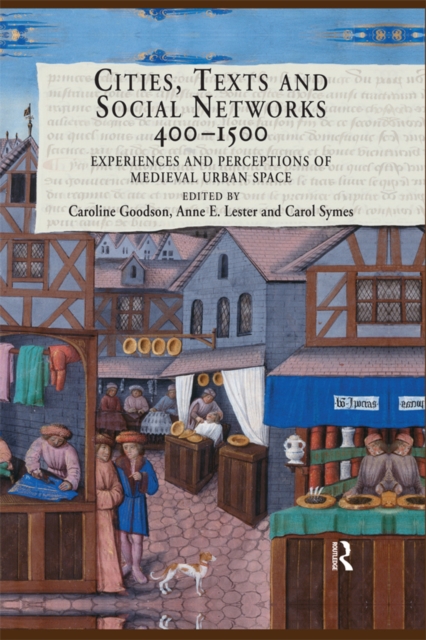
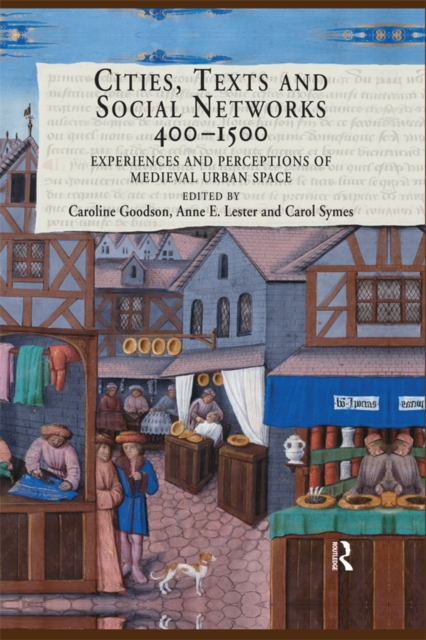
Cities, Texts and Social Networks examines the experiences of urban life from late antiquity through the close of the fifteenth century, in regions ranging from late Imperial Rome to Muslim Syria, Iraq and al-Andalus, England, the territories of medieval Francia, Flanders, the Low Countries, Italy and Germany.
Cities, Texts and Social Networks examines the experiences of urban life from late antiquity through the close of the fifteenth century, in regions ranging from late Imperial Rome to Muslim Syria, Iraq and al-Andalus, England, the territories of medieval Francia, Flanders, the Low Countries, Italy and Germany.
Drawing on a body of research covering primarily Europe and the Americas, but stretching also to Asia and Africa, from the mid-eighteenth century to the present, this book explores the methodological and heuristic implications of studying cities in relation to one another.
Drawing on a body of research covering primarily Europe and the Americas, but stretching also to Asia and Africa, from the mid-eighteenth century to the present, this book explores the methodological and heuristic implications of studying cities in relation to one another.
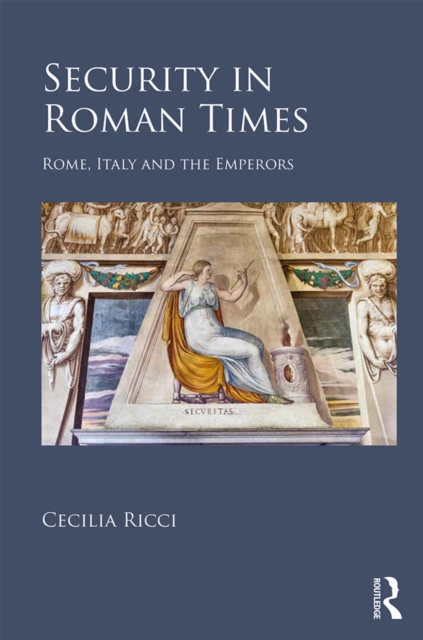
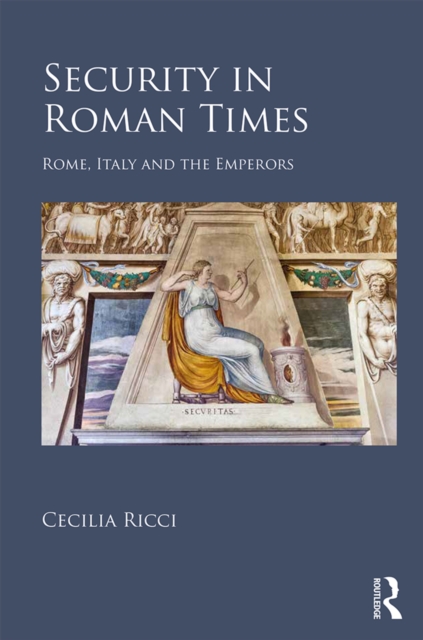
Using literary, epigraphic, numismatic and iconographic sources this book investigates the safety devices that were in place for the protection of the emperor and the city of Rome in the imperial age.
Using literary, epigraphic, numismatic and iconographic sources this book investigates the safety devices that were in place for the protection of the emperor and the city of Rome in the imperial age.
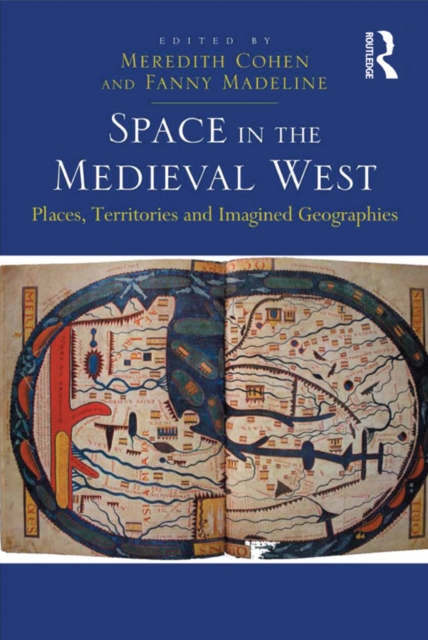
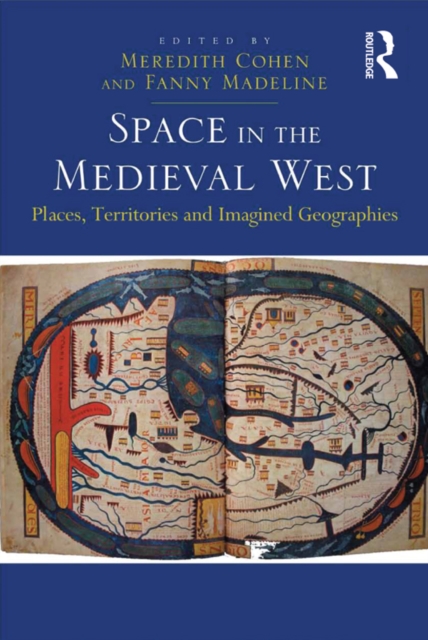
In the last two decades, research on spatial paradigms and practices has gained momentum across disciplines and vastly different periods, including the field of medieval studies.
In the last two decades, research on spatial paradigms and practices has gained momentum across disciplines and vastly different periods, including the field of medieval studies.
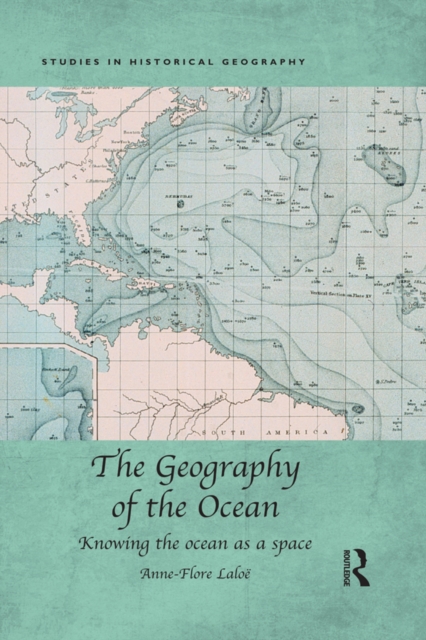
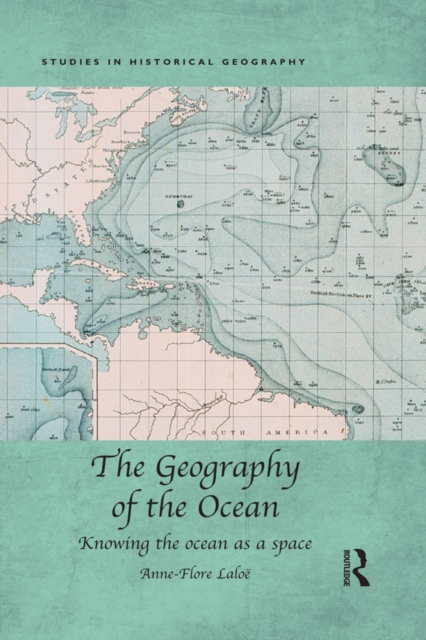
Despite the fact that the vast majority of the earth's surface is made up of oceans, there has been surprisingly little work by geographers which critically examines the ocean-space and our knowledge and perceptions of it.
Despite the fact that the vast majority of the earth's surface is made up of oceans, there has been surprisingly little work by geographers which critically examines the ocean-space and our knowledge and perceptions of it.
Extreme weather events, such as droughts, strong winds and storms, flash floods and extreme heat and cold, are among the most destructive yet fascinating aspects of climate variability.
Extreme weather events, such as droughts, strong winds and storms, flash floods and extreme heat and cold, are among the most destructive yet fascinating aspects of climate variability.
Providing a modern English translation of a key selection of Ibn Fadl Allah al-`Umari's Masalik al-absar, this book offers a rich description of Egypt and Syria under the Mamluks in the first half of the fourteenth-century A.
Providing a modern English translation of a key selection of Ibn Fadl Allah al-`Umari's Masalik al-absar, this book offers a rich description of Egypt and Syria under the Mamluks in the first half of the fourteenth-century A.
Typically, cities and nature are perceived as geographic opposites, cities being manufactured social creations, and nature being outside of human construction.
Typically, cities and nature are perceived as geographic opposites, cities being manufactured social creations, and nature being outside of human construction.