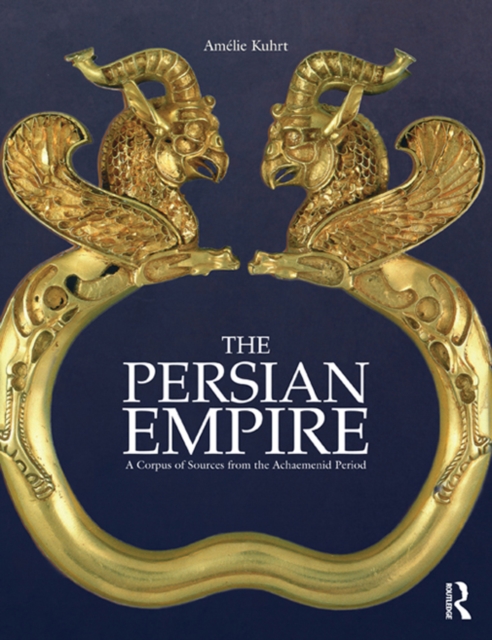
Bringing together a wide variety of material in many different languages that exists from the substantial body of work left by this large empire, The Persian Empire presents annotated translations, together with introductions to the problems of using it in order to gain an understanding of the history and working os this remarkable political entity.
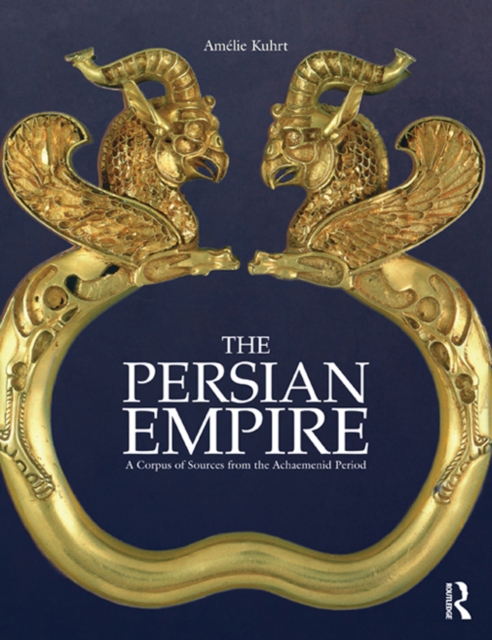
Bringing together a wide variety of material in many different languages that exists from the substantial body of work left by this large empire, The Persian Empire presents annotated translations, together with introductions to the problems of using it in order to gain an understanding of the history and working os this remarkable political entity.
The Study focuses on the social and, more especially, the cultural processes governing colonial urban development and develops a theory and methodology to do this.
The Study focuses on the social and, more especially, the cultural processes governing colonial urban development and develops a theory and methodology to do this.
The rise of cities in the United States from the early seventeenth century to the 1960s is the subject of this sophisticated and witty appraisal by a Pulitzer Prize historian.
The rise of cities in the United States from the early seventeenth century to the 1960s is the subject of this sophisticated and witty appraisal by a Pulitzer Prize historian.
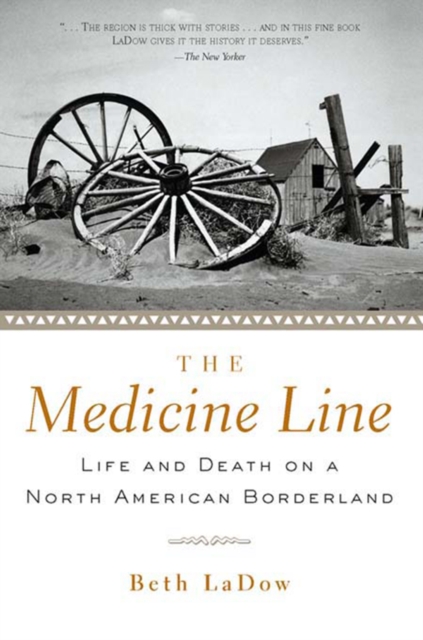
The Medicine Line: Life and Death on the North AmericanBorderland, is a complex and oftentimes dramatic mix of narrative storytelling and history in which ironies are explored, patterns of deed and response are uncovered, examined and evaluated.
The Medicine Line: Life and Death on the North AmericanBorderland, is a complex and oftentimes dramatic mix of narrative storytelling and history in which ironies are explored, patterns of deed and response are uncovered, examined and evaluated.
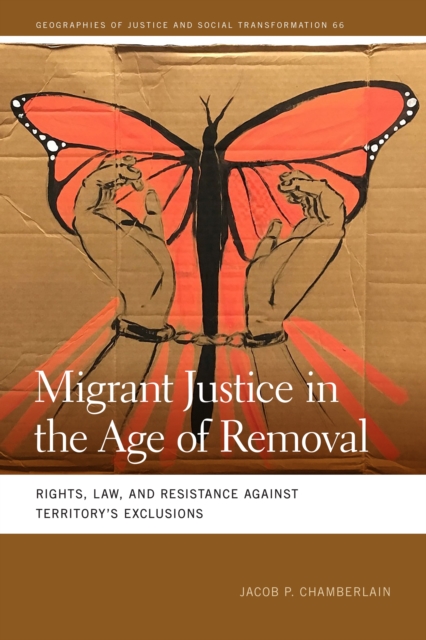
Migrant Justice in the Age of Removal details the story of Migrant Justice, a migrant rights organization led by undocumented workers in a complicated and perhaps unexpected location: Vermont, United States.
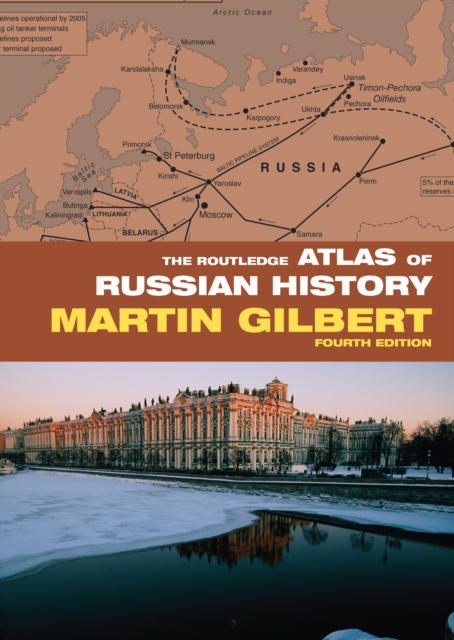
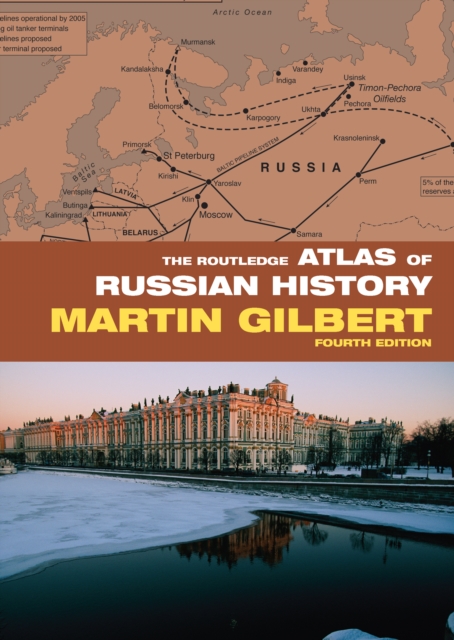
The complex and often turbulent history of Russia over the course of 2,000 years is brought to life in a series of 176 maps by one of the most prolific and successful historian authors today.
The complex and often turbulent history of Russia over the course of 2,000 years is brought to life in a series of 176 maps by one of the most prolific and successful historian authors today.