WINNER OF THE WAINWRIGHT PRIZE FOR CONSERVATION 2023The Sunday Times Science Book of the YearAs seen on Countryfile'If anyone was born to save Britain's rainforests, it was Guy Shrubsole' Sunday TimesShortlisted for the Richard Jefferies Society Literary PrizeTemperate rainforest may once have covered up to one-fifth of Britain, inspiring Celtic druids, Welsh wizards, Romantic poets, and Arthur Conan Doyle's most loved creations.
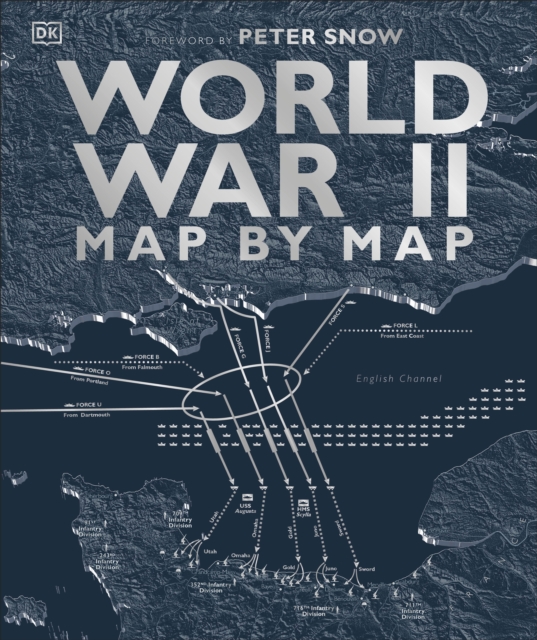
The deadliest war in history brought to life through bold, easy-to-grasp mapsIn this stunning visual history ebook, purpose-made maps reveal the full story of the Second World War.
This volume explores the spatial framework of Herodotus' Histories, the Greek historian's account of Persian imperialism in the sixth and fifth century BC and its culmination in a series of grand expeditions against Greece itself.
A bold new perspective on the history of South Asia, telling its story through its climate, and the long quest to tame its watersSouth Asia's history has been shaped by its waters.
WINNER OF THE WOLFSON HISTORY PRIZE 2020A SUNDAY TIMES, FINANCIAL TIMES, THE TIMES AND BBC HISTORY MAGAZINE BOOK OF THE YEARFor most of human history, the seas and oceans have been the main means of long-distance trade and communication between peoples - for the spread of ideas and religion as well as commerce.
A radical and exciting history of a city - its culture, its people and its politics - that refreshes our image of Europe's past and of the writing of history itself.
Britains Structure and Scenery deals with the physical background, the stage on which the drama of life is played and which provides the fundamental environment for plants, newnaturalists.
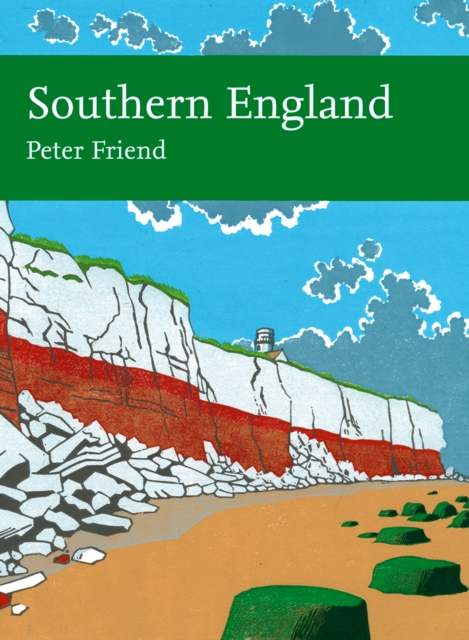
Illustrated with beautifully detailed photographs throughout, New Naturalist Southern England comprehensively explores the formation of these wonderful landscapes that are so universally admired.
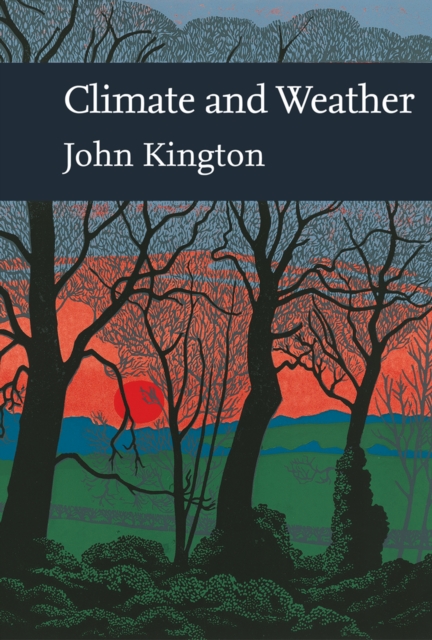
Reviewing the history and causes of climatic change and evaluating regional models, this New Naturalist volume offers an important analysis of climatic variations.
Over the years, millions of school children must have written out their address in the same way - their house number and street, their town, their country, their continent, planet Earth, the universe.
Harnessing recent developments in computer technology, the latest New Naturalist volume uses the most up-to-date and accurate maps, diagrams and photographs to analyse the diverse landscapes of Scotland.
Part historical narrative, part travelogue through the wilds of the West and part environmental polemic, 'Selling Your Father's Bones' is a thrilling journey through the history and wilderness of the stunning area of landscape that is Continental USA.
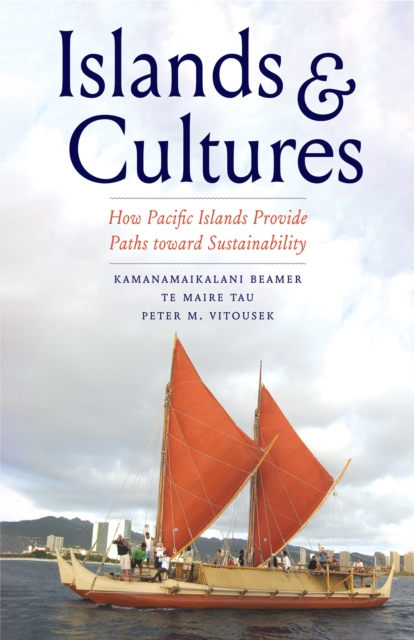
A uniquely collaborative analysis of human adaptation to the Polynesian islands, told through oral histories, biophysical evidence, and historical records Humans began to settle the area we know as Polynesia between 3,000 and 800 years ago, bringing with them material culture, including plants and animals, and ideas about societal organization, and then adapting to the specific biophysical features of the islands they discovered.
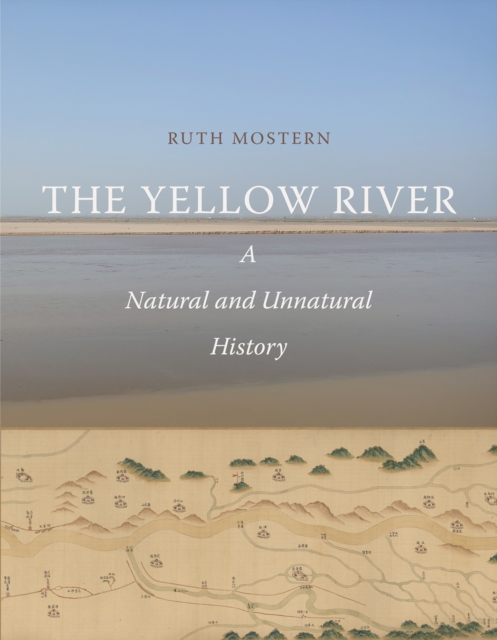
A three-thousand-year history of the Yellow River and the legacy of interactions between humans and the natural landscape From Neolithic times to the present day, the Yellow River and its watershed have both shaped and been shaped by human society.
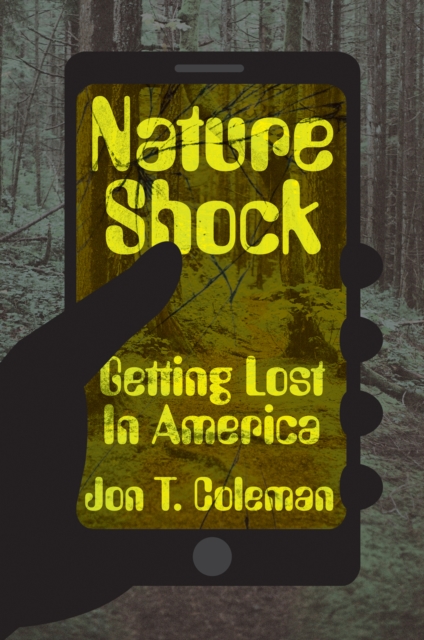
An award'winning environmental historian explores American history through wrenching, tragic, and sometimes humorous stories of getting lost The human species has a propensity for getting lost.
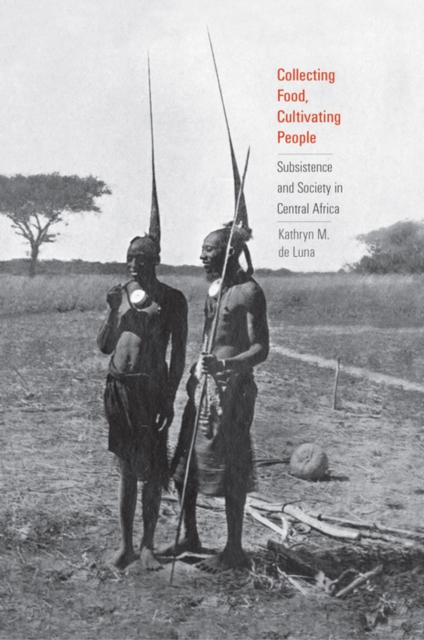
A rich analysis of the complex dynamic between food collection and food production in the farming societies of precolonial south central Africa Engaging new linguistic evidence and reinterpreting published archaeological evidence, this sweeping study explores the place of bushcraft and agriculture in the precolonial history of south central Africa across nearly three millennia.
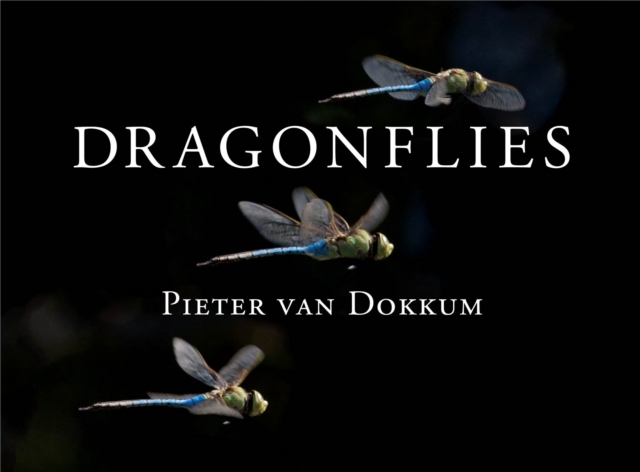
A gorgeous tribute to the magic and mystique of dragonflies, with intimate photographs of their entire life cycle Almost without our noticing, dragonflies dart through our world, flying, seeing, hunting, mating.
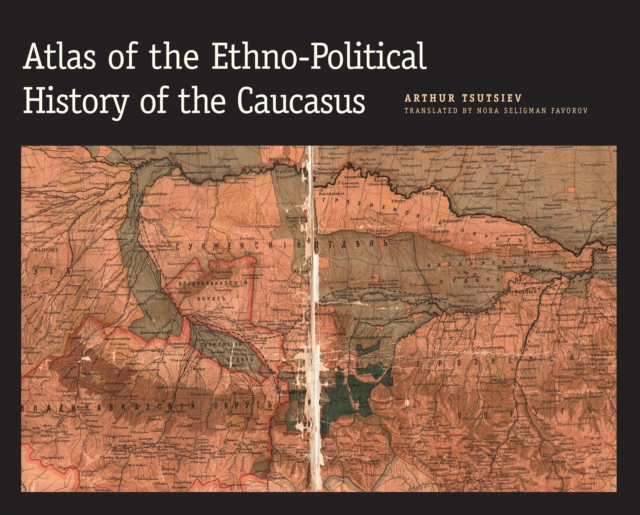
The Atlas of the Ethno-Political History of the Caucasus is a magnificent collection of fifty-six original maps with commentaries that detail the ethnic, religious, and linguistic makeup of the Caucasus—the region located between the Black and Caspian Seas that contains Europe’s highest mountain—from the eighteenth century to the present.
This book examines the role of (post)colonial ports in creating and shaping the ecotonal, cultural, historical, material, environmental, socio-political, and economic contexts in formerly colonized regions, spanning the Caribbean, Africa, North America, Europe, and the Pacific.
From explorers tracing rivers to navigators hunting for longitude, spatial awareness and the need for empirical understanding were linked to British strategy in the 1700s.
From explorers tracing rivers to navigators hunting for longitude, spatial awareness and the need for empirical understanding were linked to British strategy in the 1700s.
Geographic information systems (GIS) have spurred a renewed interest in the influence of geographical space on human behavior and cultural development.
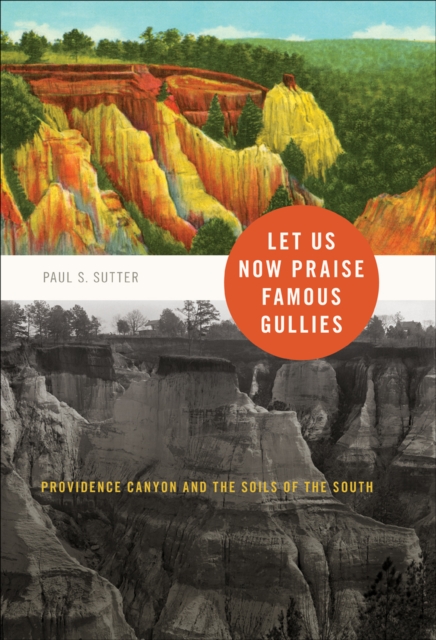
Providence Canyon State Park, also known as Georgia's "e;Little Grand Canyon,"e; preserves a network of massive erosion gullies allegedly caused by poor farming practices during the nineteenth century.
This book explores the multifaceted world of dark tourism and delves into the evolving perceptions and complex narratives surrounding tourism at sites of tragedy and historical significance.
'A bold, ambitious and truly wonderful history of the world' Peter Wohlleben, author of The Hidden Life of Trees'A fascinating story and a crucial revision of the momentous importance of tropical forests to human history' Lewis Dartnell, author of Origins_________________________ Jungle tells the remarkable story of the world's tropical forests, from the arrival of the first plants millions of years ago to the role of tropical forests in the evolution of the world's atmosphere, the dinosaurs, the first mammals and even our own species and ancestors.
SHORTLISTED FOR THE SAMUEL JOHNSON PRIZESHORTLISTED FOR THE WAINWRIGHT PRIZEFrom the bestselling author of UNDERLAND, THE OLD WAYS and THE LOST WORDS'Few books give such a sense of enchantment; it is a book to give to many, and to return to repeatedly' Independent 'Enormously pleasurable, deeply moving.