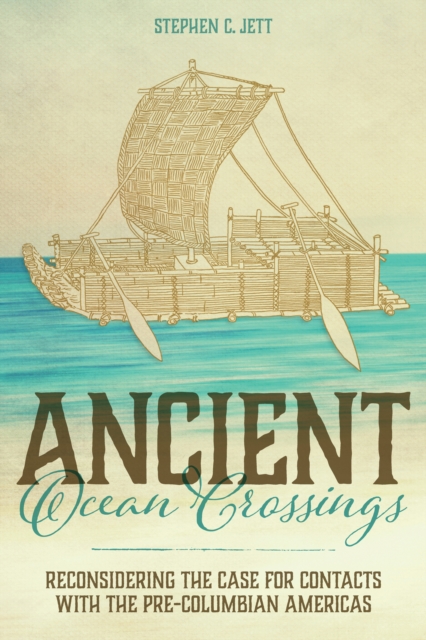
Paints a compelling picture of impressive pre-Columbian cultures and Old World civilizations that, contrary to many prevailing notions, were not isolated from one another In Ancient Ocean Crossings: Reconsidering the Case for Contacts with the Pre-Columbian Americas, Stephen Jett encourages readers to reevaluate the common belief that there was no significant interchange between the chiefdoms and civilizations of Eurasia and Africa and peoples who occupied the alleged terra incognita beyond the great oceans.
Florida Historical Society Stetson Kennedy AwardFlorida Book Awards, Bronze Medal for Florida NonfictionAmericas wettest state is running out of water.
South America is an area of fascination and study for geographers and other scholars from around the world, and its land and people have played important roles in the discovery and distribution of civilizations, resources, and nations for millennia.
Islandology is a fast-paced, fact-filled comparative essay in critical topography and cultural geography that cuts across different cultures and argues for a world of islands.
John Warkentin looks at the work of geographers from 1831 to 1977 through the regional descriptions of seven perceptive observers of Canada who provide very different but illuminating interpretations: Joseph Bouchette, a surveyor-general from Lower Canada; George Parkin, an educator and journalist from New Brunswick; J.
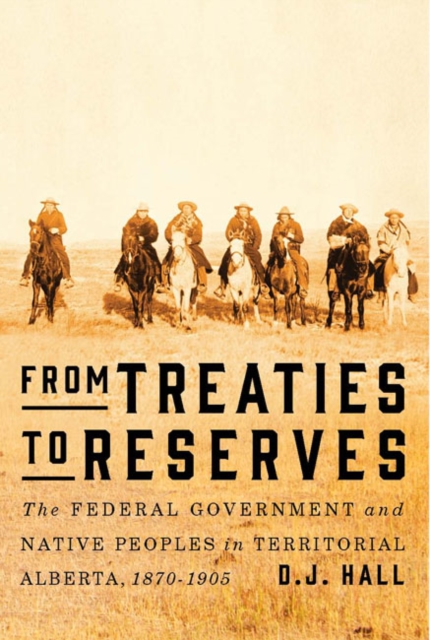
Though some believe that the Indian treaties of the 1870s achieved a unity of purpose between the Canadian government and First Nations, in From Treaties to Reserves D.
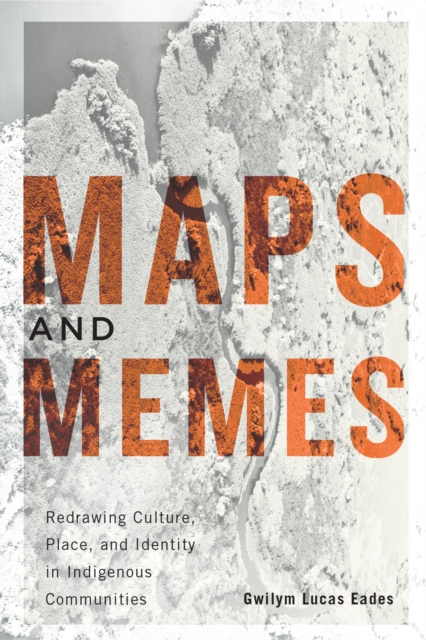
Maps and cartography have long been used in the lands and resources offices of Canada's indigenous communities in support of land claims and traditional-use studies.
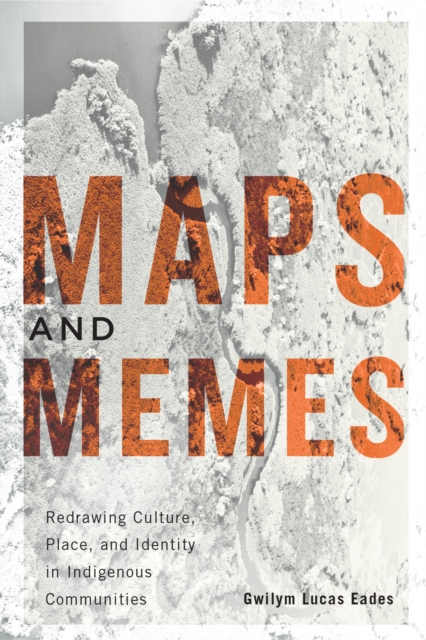
Maps and cartography have long been used in the lands and resources offices of Canada's indigenous communities in support of land claims and traditional-use studies.
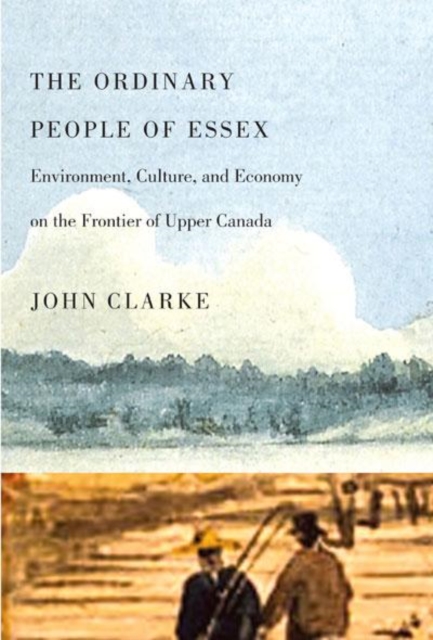
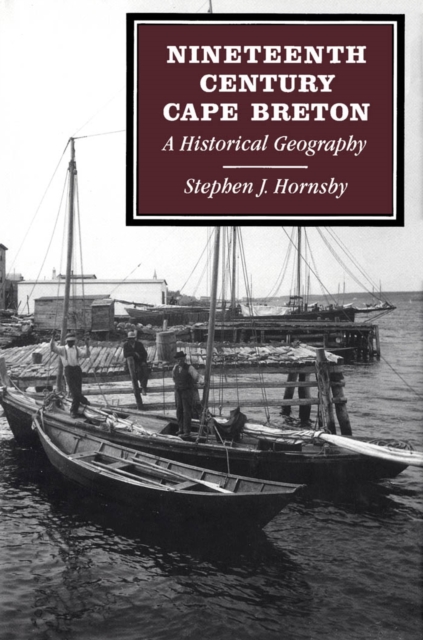
Clarke covers a remarkable number of topics, including geographic factors in the choice of agricultural land, land acquisition and clearance, energy expended in clearing and planting the land, and selection of specific crops and their extent and yields in particular combinations of soils.
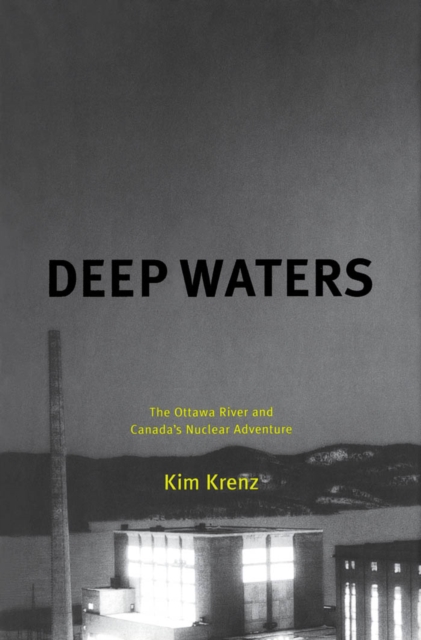
Deep Waters is an intimate account of the principal events and personalities involved in the successful development of the Canadian nuclear power system (CANDU), an achievement that is arguably one of Canada's greatest scientific and technical successes of the twentieth century.
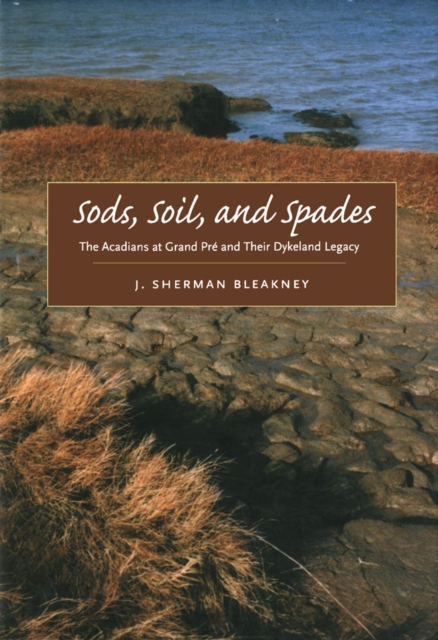
Sherman Bleakney examines the unusual physical and biological features of this region of the Bay of Fundy, home to the only successful pioneer society in North America to farm below sea level.
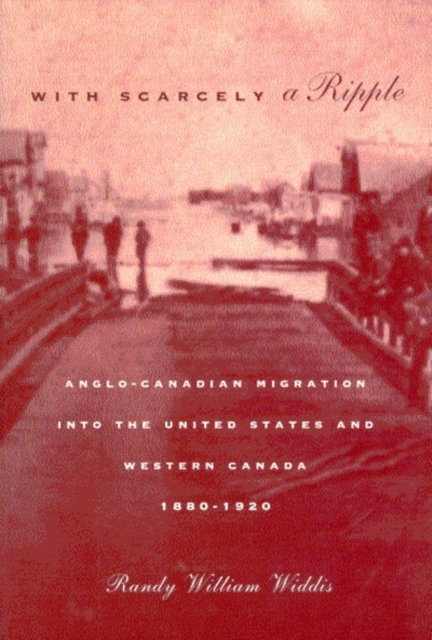
Using a prosopographical approach that combines descriptive exposition, quantitative tabulation, and structural analysis, Randy Widdis determines the geographical and social origins of migrants, the distance and direction of migration corridors, and geographical destinations in both the United States and Canada.
During the North American colonial period, the expansion of European capital and labour into North America created two broad patterns of regional development: agricultural settlement and the exploitation of raw materials or staples.
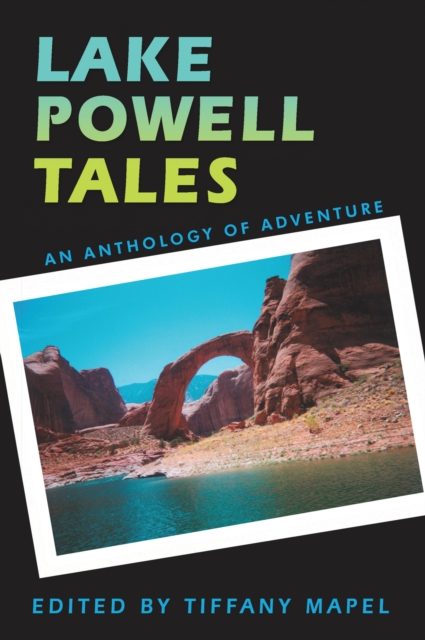
Lake Powell Tales-an engaging and entertaining collection of personal stories that span the decades about exploring and enjoying America's most scenic lake, in the heart of Glen Canyon National Recreation Area.
This volume brings together aspects of contemporary study of cultural geography and selected passages from prophetic texts of the Hebrew Bible/ Old Testament.
From Central District Seattle to Harlem to Holly Springs, Black people have built a dynamic network of cities and towns where Black culture is maintained, created, and defended.
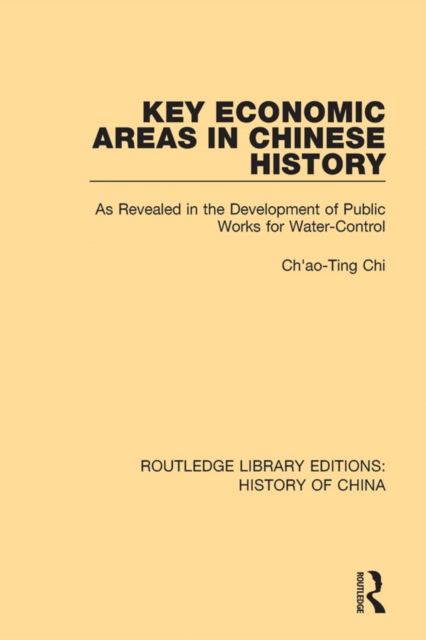
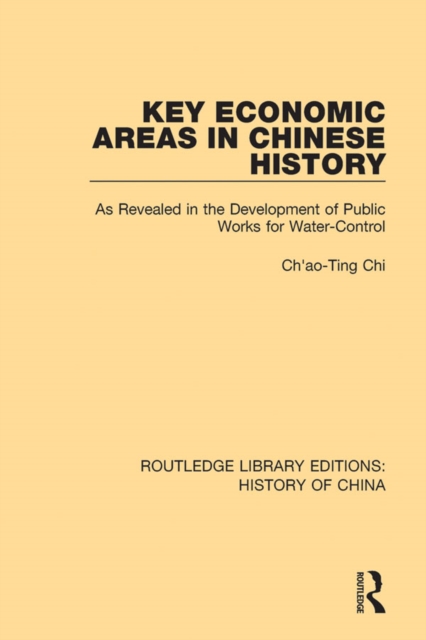
This book, first published in 1936, offers the conception of the dynamics of the Key Economic Area as an aid to the understanding of Chinese economic history.
This book, first published in 1936, offers the conception of the dynamics of the Key Economic Area as an aid to the understanding of Chinese economic history.
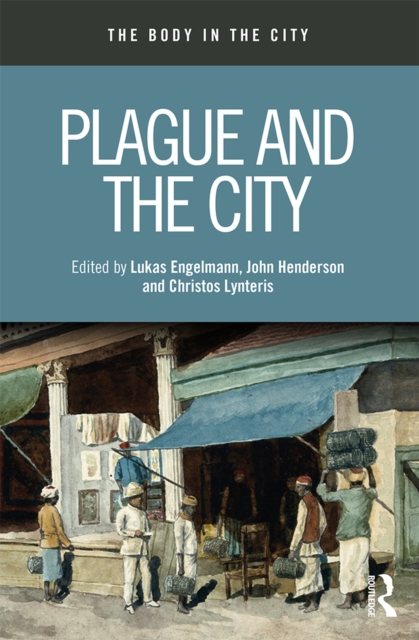
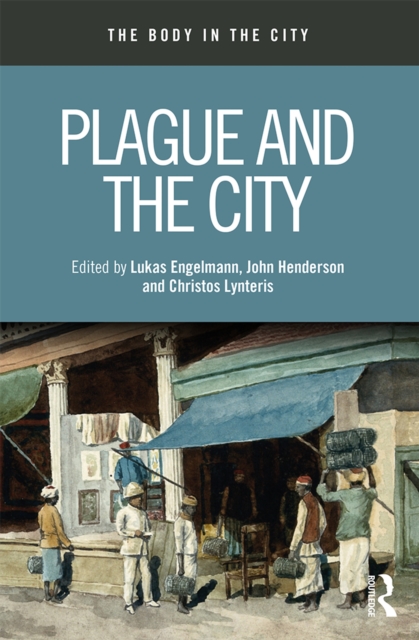
Plague and the City uncovers discourses of plague and anti-plague measures in the city during the medieval, early modern and modern periods, and explores the connection between plague and urban environments including attempts by professional bodies to prevent or limit the outbreak of epidemic disease.
Plague and the City uncovers discourses of plague and anti-plague measures in the city during the medieval, early modern and modern periods, and explores the connection between plague and urban environments including attempts by professional bodies to prevent or limit the outbreak of epidemic disease.
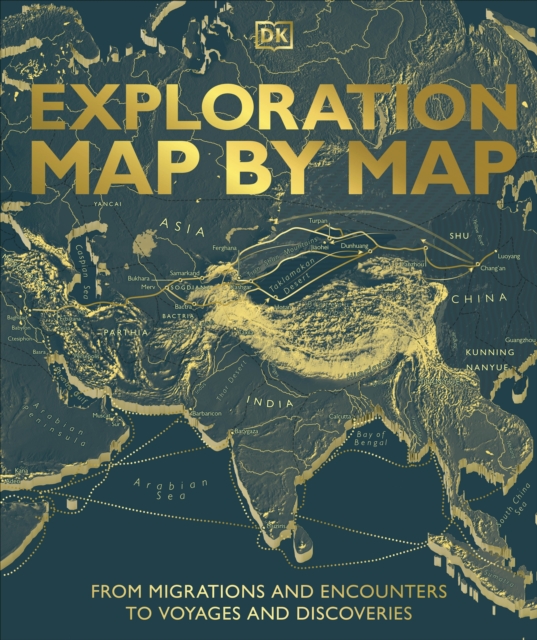
Discover the epic history of human exploration and migration, and the stories of fearless pioneers the world over, with this stunning tour of history - map by map.
Knowledge and the Early Modern City uses case studies from the sixteenth to the eighteenth centuries to examine the relationships between knowledge and the city and how these changed in a period when the nature and conception of both was drastically transformed.
Knowledge and the Early Modern City uses case studies from the sixteenth to the eighteenth centuries to examine the relationships between knowledge and the city and how these changed in a period when the nature and conception of both was drastically transformed.
How the specter of climate has been used to explain history since antiquityScientists, journalists, and politicians increasingly tell us that human impacts on climate constitute the single greatest threat facing our planet and may even bring about the extinction of our species.
This book focusses on the instruments, practices, and materialities produced by various authorities to monitor, regulate, and identify migrants in European cities from the sixteenth to the twentieth centuries.
This book focusses on the instruments, practices, and materialities produced by various authorities to monitor, regulate, and identify migrants in European cities from the sixteenth to the twentieth centuries.