Originally published in 1987, this volume filled a notable gap in Scottish urban history and considers the place of Scottish towns in urban life during the 16th and 17th Centuries.
Originally published in 1987, this volume filled a notable gap in Scottish urban history and considers the place of Scottish towns in urban life during the 16th and 17th Centuries.
Ornamental Lakes traces the history of lakes in England, from their appearance in the early eighteenth century, through their development in the 1750s, and finally to their decline in the nineteenth century.
Ornamental Lakes traces the history of lakes in England, from their appearance in the early eighteenth century, through their development in the 1750s, and finally to their decline in the nineteenth century.
Originally published in 1992, this book provides students with a well-illustrated, clearly written text which offers a coherent overview of Britain's development from a pre-modern to a modern economy and society.
Originally published in 1992, this book provides students with a well-illustrated, clearly written text which offers a coherent overview of Britain's development from a pre-modern to a modern economy and society.
Originally published in 1991 and focussing on the countryside, this book examines patterns of settlement and agriculture in Scotland and considers how these were increasingly altered during the 17th and 18th Centuries by the first Improvers and then by the more widespread impact of the Agricultural Revolution.
Originally published in 1991 and focussing on the countryside, this book examines patterns of settlement and agriculture in Scotland and considers how these were increasingly altered during the 17th and 18th Centuries by the first Improvers and then by the more widespread impact of the Agricultural Revolution.
First published in 1982, The English Medieval Landscape was written to recreate and analyse the development of the major elements of the medieval landscape.
First published in 1982, The English Medieval Landscape was written to recreate and analyse the development of the major elements of the medieval landscape.
Originally published in 1979, this volume is an invaluable study of a railway system and its adjustment to changing political-geographical conditions, as well as changes in economic and social geography.
Originally published in 1979, this volume is an invaluable study of a railway system and its adjustment to changing political-geographical conditions, as well as changes in economic and social geography.
The principal aims of Urbanisation in Roman Spain and Portugal: Civitates Hispaniae in the Early Empire are to provide a comprehensive reconstruction of the urban systems of the Iberian Peninsula during the Early Empire and to explain why these systems looked the way they did.
The principal aims of Urbanisation in Roman Spain and Portugal: Civitates Hispaniae in the Early Empire are to provide a comprehensive reconstruction of the urban systems of the Iberian Peninsula during the Early Empire and to explain why these systems looked the way they did.
First published in 1986, The Transformation of Britain, 1830-1939 delves into the significant changes that occurred across the landscape and society of Britain during this prominent age of reform and innovation.
First published in 1986, The Transformation of Britain, 1830-1939 delves into the significant changes that occurred across the landscape and society of Britain during this prominent age of reform and innovation.
During the nineteenth century, gridding, graphing, and surveying proliferated as never before as nations and empires expanded into hitherto "e;unknown"e; territories.
During the nineteenth century, gridding, graphing, and surveying proliferated as never before as nations and empires expanded into hitherto "e;unknown"e; territories.
This collection of Sonja Brentjes's articles deals with travels, encounters and the exchange of knowledge in the Mediterranean and Western Asia during the 16th and 17th centuries, focusing on three historiographical concerns.
This collection of Sonja Brentjes's articles deals with travels, encounters and the exchange of knowledge in the Mediterranean and Western Asia during the 16th and 17th centuries, focusing on three historiographical concerns.
This volume investigates how urban growth and prosperity transformed the cities of the Roman Mediterranean in the last centuries BCE and the fi rst centuries CE, integrating debates about Roman urban space with discourse on Roman urban history.
This volume investigates how urban growth and prosperity transformed the cities of the Roman Mediterranean in the last centuries BCE and the fi rst centuries CE, integrating debates about Roman urban space with discourse on Roman urban history.
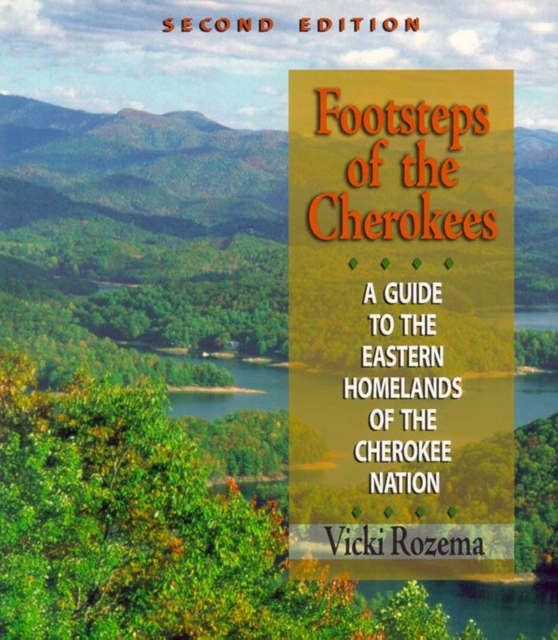
The presence of the once-powerful Cherokees is still evident throughout the southeastern United States in names like Chickamauga, Hiwassee, Chattahoochee, Unicoi, Oconee, and Tuscaloosa.
Under the corn and soybean fields of southern Minnesota lies the memory of vast, age-old wetlands, drained away over the last 130 years in the name of agricultural progress.
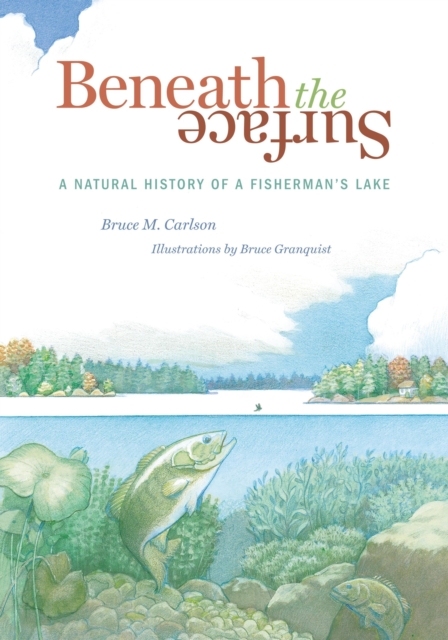
Each summer millions experience the beauty of Americas lakesthe whirl of sights and sounds as boats cut through the water and birds call to each other from surrounding trees.
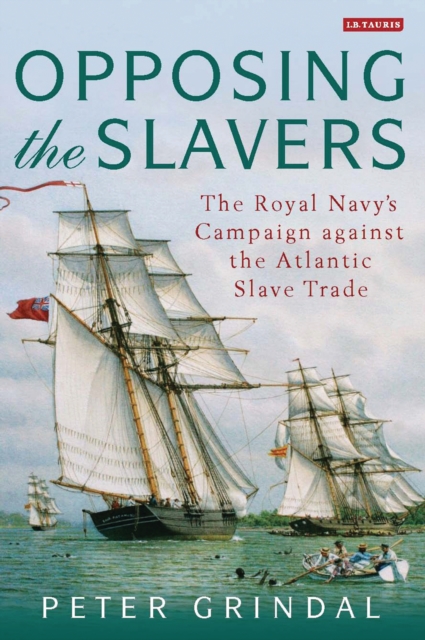
Much is known about Britain's role in the Atlantic slave trade during the eighteenth century but few are aware of the sustained campaign against slaving conducted by the Royal Navy after the passing of the Slave Trade Abolition Act of 1807.
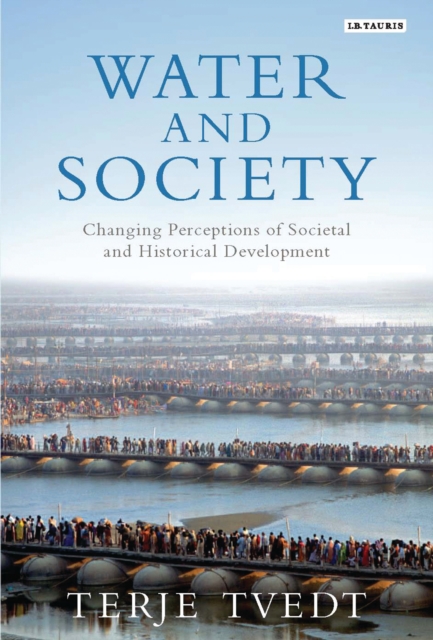
Despite the central importance that water has held for civilizations both ancient and modern, its social significance has made surprisingly little impact on our contemporary understanding of human history and development.
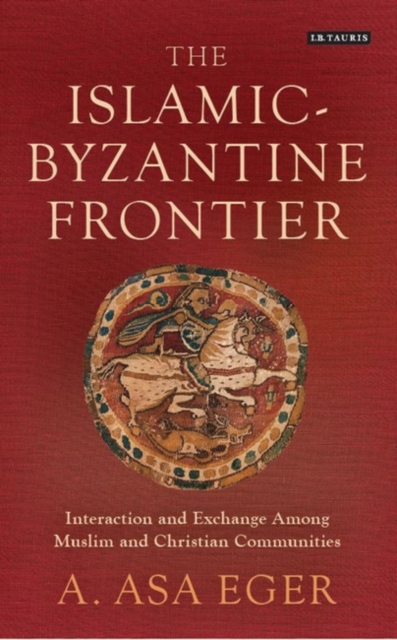
The retreat of the Byzantine army from Syria in around 650 CE, in advance of the approaching Arab armies, is one that has resounded emphatically in the works of both Islamic and Christian writers, and created an enduring motif: that of the Islamic-Byzantine frontier.
The beginnings of what we now call 'globalization' dates from the early sixteenth century, when Europeans, in particular the Iberian monarchies, began to connect 'the four parts of the world'.
The retreat of the Byzantine army from Syria in around 650 CE, in advance of the approaching Arab armies, is one that has resounded emphatically in the works of both Islamic and Christian writers, and created an enduring motif: that of the Islamic-Byzantine frontier.
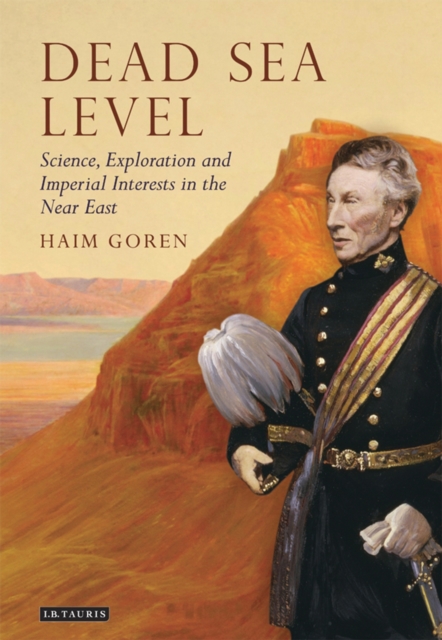
In the nineteenth century The Dead Sea and the Tigris-Euphrates river system had great political significance: the one as a possible gateway for a Russian invasion of Egypt, the other as a potentially faster route to India.
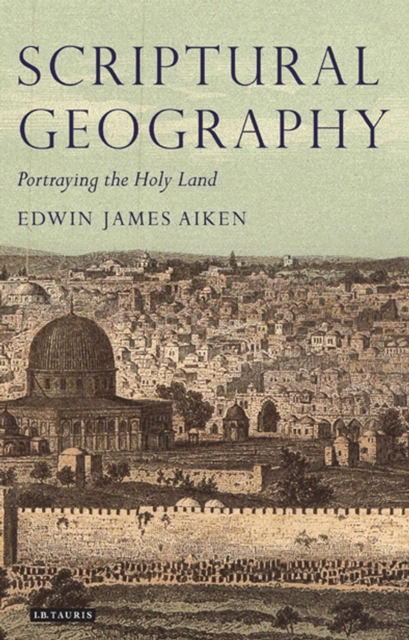
For nineteenth century scholars the Holy Land was not just a region of the globe - it was an idea, an intellectual and moral space charged with the heat of debate between those trying to understand the religious, social and scientific upheavals of the time.
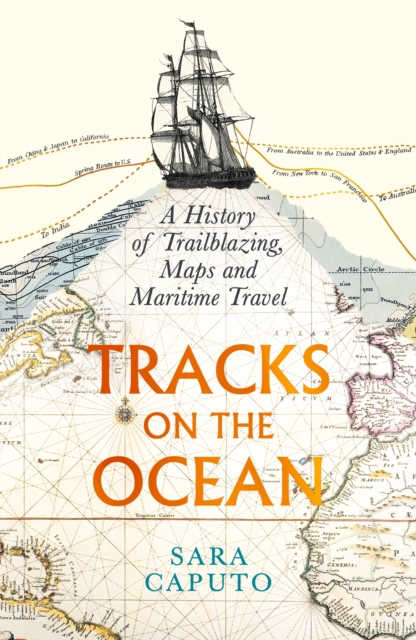
Longlisted for the 2025 BSHS Hughes Prize 'Enthralling' Philip Ball'Ingenious' Sujit SivasundaramIn Tracks on the Ocean, Sara Caputo tells how our journeys around the globe became fixed lines on maps - and how journey lines themselves reshaped maps and the way that we view the world.