Visit one of the most incredible natural environments, to discover the Amazon's plants and wildlife, and its peopleA unique, beautifully illustrated guide to the beauty and diversity of the Amazon - the rainforest and the river, its flora and fauna, and the people who live in the region.
Discover the 12 crucial moments in Britain's past that will answer the greatest questions for our future in this richly insightful and fascinating history'A richly entertaining canter through the country's past.
'As fascinating as it is beautifully written' JARED DIAMOND, Pulitzer Prize-winning author of Guns, Germs and SteelRivers, more than any road, technology or political event, have shaped the course of civilization.
From Morocco to Iran and the Black Sea to the Red, Water on Sand rewrites the history of the Middle East and North Africa from the Little Ice Age to the Cold War era.
From Morocco to Iran and the Black Sea to the Red, Water on Sand rewrites the history of the Middle East and North Africa from the Little Ice Age to the Cold War era.
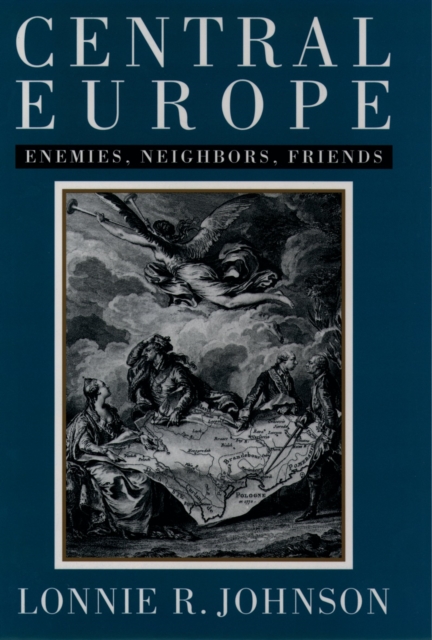
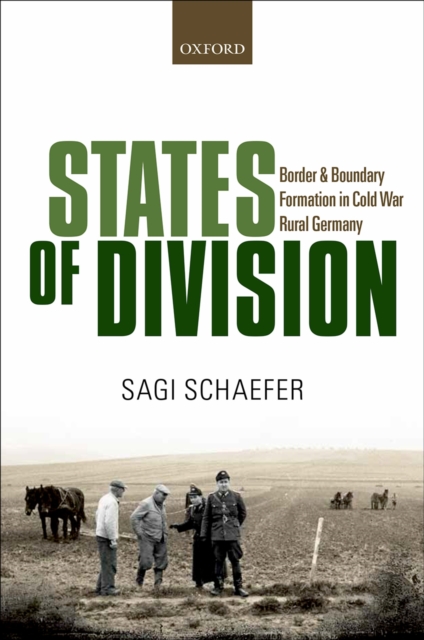
Throughout the Cold War era, the Iron Curtain divided Central Europe into a Communist East and a democratic West, and we grew accustomed to looking at this part of the world in bipolar ideological terms.
This volume considers "e;lived space"e; as a scholarly approach to the past, showing how spatial approaches can present innovative views of the world of Late Antiquity, integrating social, economic and cultural developments and putting centre stage this fundamental dimension of social life.
A Commerce of Knowledge tells the story of three generations of Church of England chaplains who served the English Levant Company in Syria during the seventeenth and eighteenth centuries.
A Commerce of Knowledge tells the story of three generations of Church of England chaplains who served the English Levant Company in Syria during the seventeenth and eighteenth centuries.
Katarzyna Lecky explores how early modern British poets paid by the state adapted inclusive modes of nationhood charted by inexpensive, small-format maps.
Katarzyna Lecky explores how early modern British poets paid by the state adapted inclusive modes of nationhood charted by inexpensive, small-format maps.
This volume explores the spatial framework of Herodotus' Histories, the Greek historian's account of Persian imperialism in the sixth and fifth century BC and its culmination in a series of grand expeditions against Greece itself.
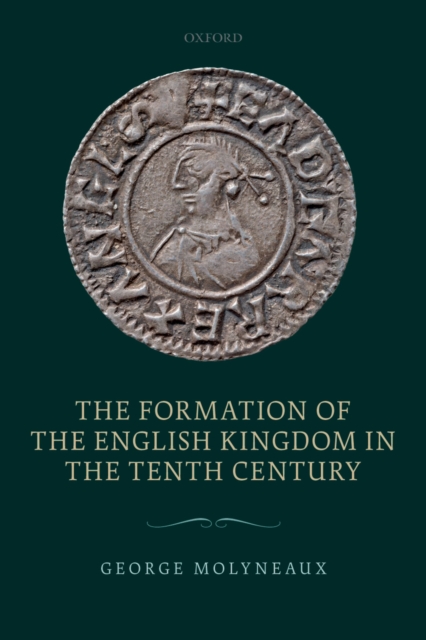
The central argument of The Formation of the English Kingdom in the Tenth Century is that the English kingdom which existed at the time of the Norman Conquest was defined by the geographical parameters of a set of administrative reforms implemented in the mid- to late tenth century, and not by a vision of English unity going back to Alfred the Great (871-899).
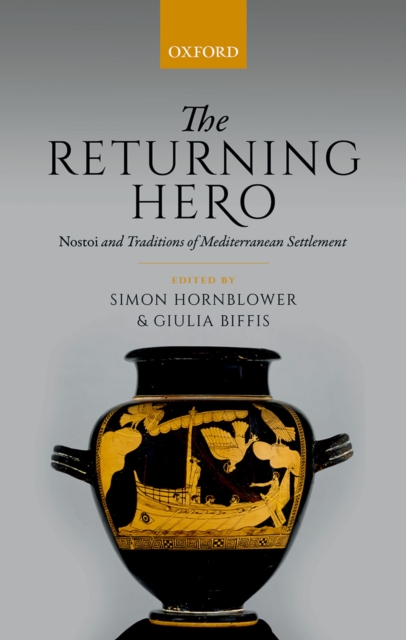
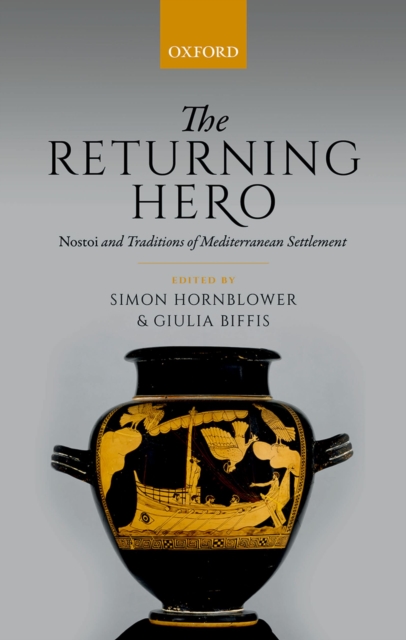
A recurring and significant theme in ancient Greek literature is that of returns and returning, chiefly - but by no means only - of mythical Greek heroes from Troy.
A recurring and significant theme in ancient Greek literature is that of returns and returning, chiefly - but by no means only - of mythical Greek heroes from Troy.
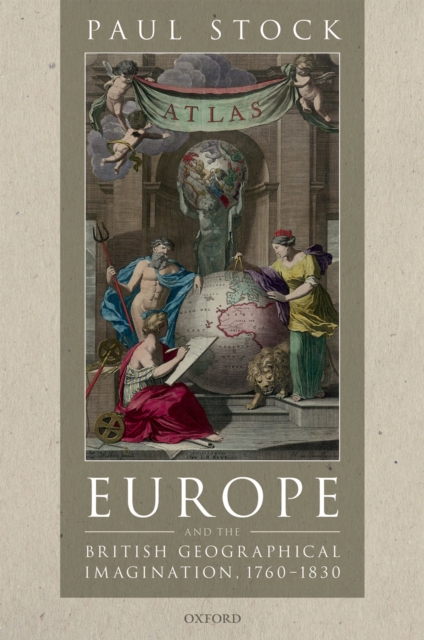
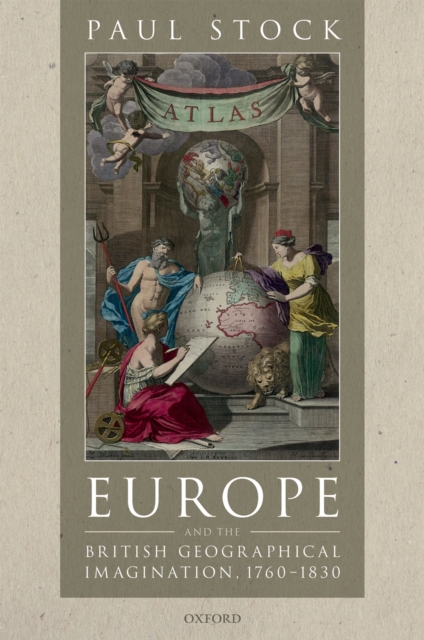
Europe and the British Geographical Imagination, 1760-1830 explores what literate British people understood by the word 'Europe' in the late eighteenth and early nineteenth centuries.
Europe and the British Geographical Imagination, 1760-1830 explores what literate British people understood by the word 'Europe' in the late eighteenth and early nineteenth centuries.
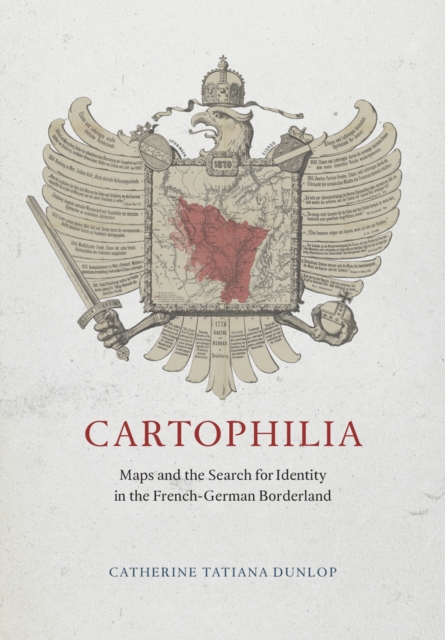
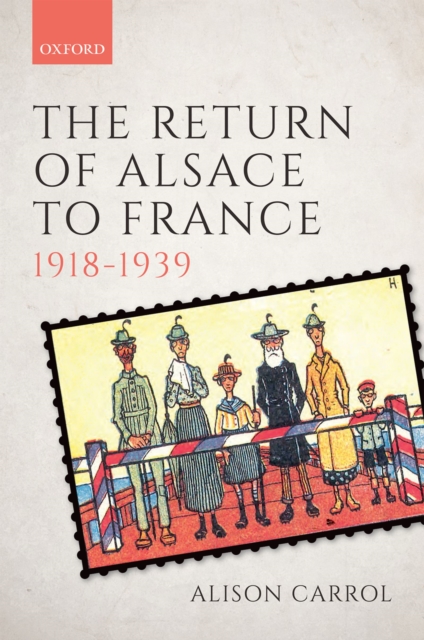
In 1918, the end of the First World War triggered the return of Alsace and Lorraine to France after almost fifty years of annexation into the German Empire.
In 1918, the end of the First World War triggered the return of Alsace and Lorraine to France after almost fifty years of annexation into the German Empire.
Farming was the basis of the wealth that made England worth invading, twice, in the eleventh century, while trade and manufacturing were insignificant by modern standards.
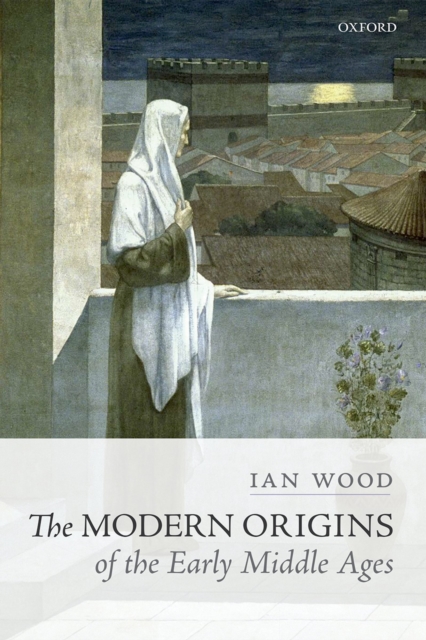
The Early Middle Ages, which marked the end of the Roman Empire and the creation of the kingdoms of Western Europe, was a period central to the formation of modern Europe.
In this book, Tomas Balkelis explores how the Lithuanian state was created and shaped by the Great War from its onset in 1914 to the last waves of violence in 1923.
In the course of the fifth century, the farms and villas of lowland Britain were replaced by a new, distinctive form of rural settlement: the settlements of the Anglo-Saxons.
This new edition of the Oxford Bible Atlas, now with full-colour maps and illustrations, has been thoroughly revised to bring it up to date with regard both to biblical scholarship and to archaeology and topography.