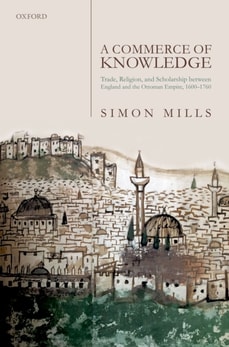
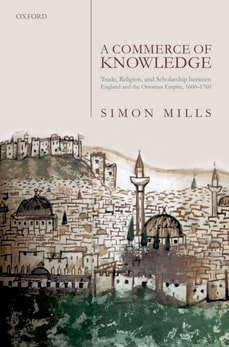
A Commerce of Knowledge tells the story of three generations of Church of England chaplains who served the English Levant Company in Syria during the seventeenth and eighteenth centuries.
A Commerce of Knowledge tells the story of three generations of Church of England chaplains who served the English Levant Company in Syria during the seventeenth and eighteenth centuries.
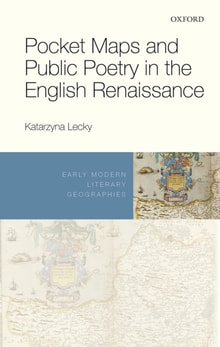
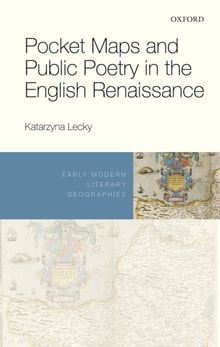
Katarzyna Lecky explores how early modern British poets paid by the state adapted inclusive modes of nationhood charted by inexpensive, small-format maps.
Katarzyna Lecky explores how early modern British poets paid by the state adapted inclusive modes of nationhood charted by inexpensive, small-format maps.
The two decades between the first and second world wars saw the emergence of nuclear physics as the dominant field of experimental and theoretical physics, owing to the work of an international cast of gifted physicists.
This volume explores the spatial framework of Herodotus' Histories, the Greek historian's account of Persian imperialism in the sixth and fifth century BC and its culmination in a series of grand expeditions against Greece itself.
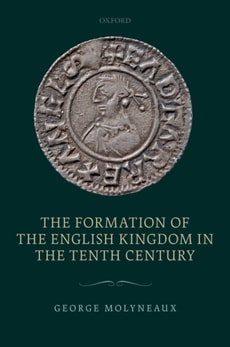
The central argument of The Formation of the English Kingdom in the Tenth Century is that the English kingdom which existed at the time of the Norman Conquest was defined by the geographical parameters of a set of administrative reforms implemented in the mid- to late tenth century, and not by a vision of English unity going back to Alfred the Great (871-899).
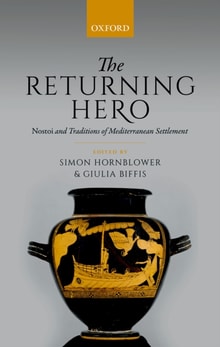
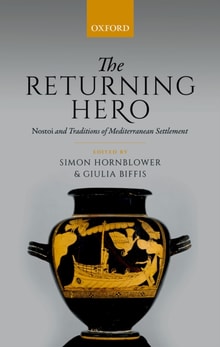
A recurring and significant theme in ancient Greek literature is that of returns and returning, chiefly - but by no means only - of mythical Greek heroes from Troy.
A recurring and significant theme in ancient Greek literature is that of returns and returning, chiefly - but by no means only - of mythical Greek heroes from Troy.
Europe and the British Geographical Imagination, 1760-1830 explores what literate British people understood by the word 'Europe' in the late eighteenth and early nineteenth centuries.
Europe and the British Geographical Imagination, 1760-1830 explores what literate British people understood by the word 'Europe' in the late eighteenth and early nineteenth centuries.
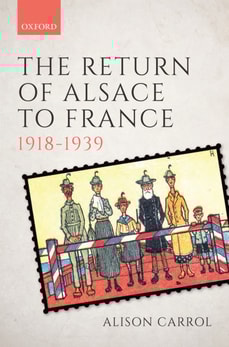
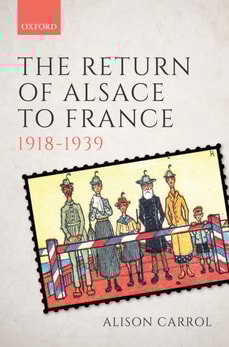
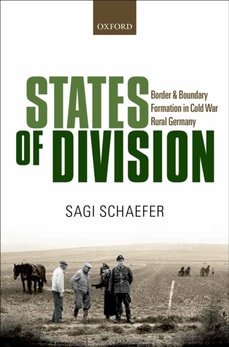
In 1918, the end of the First World War triggered the return of Alsace and Lorraine to France after almost fifty years of annexation into the German Empire.
In 1918, the end of the First World War triggered the return of Alsace and Lorraine to France after almost fifty years of annexation into the German Empire.
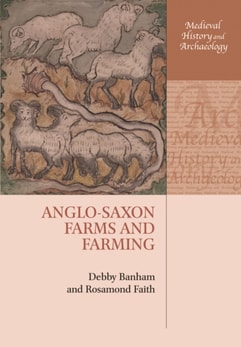
Farming was the basis of the wealth that made England worth invading, twice, in the eleventh century, while trade and manufacturing were insignificant by modern standards.
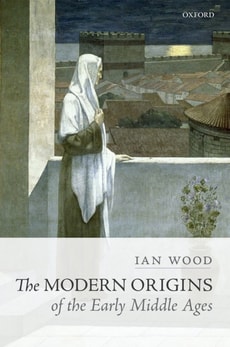
The Early Middle Ages, which marked the end of the Roman Empire and the creation of the kingdoms of Western Europe, was a period central to the formation of modern Europe.
In this book, Tomas Balkelis explores how the Lithuanian state was created and shaped by the Great War from its onset in 1914 to the last waves of violence in 1923.
In the course of the fifth century, the farms and villas of lowland Britain were replaced by a new, distinctive form of rural settlement: the settlements of the Anglo-Saxons.
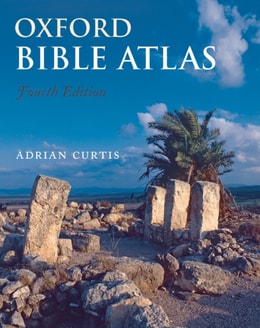
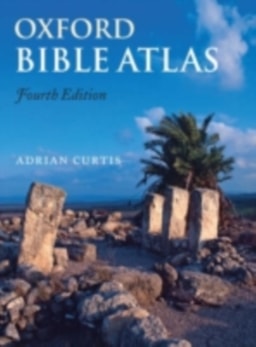
This new edition of the Oxford Bible Atlas, now with full-colour maps and illustrations, has been thoroughly revised to bring it up to date with regard both to biblical scholarship and to archaeology and topography.
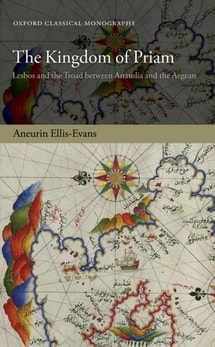
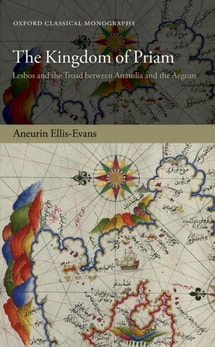
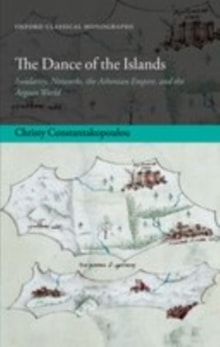
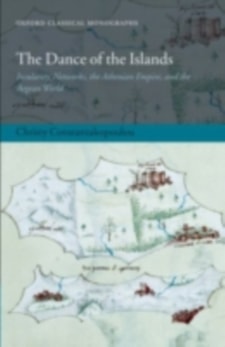
Christy Constantakopoulou examines the history of the Aegean islands and changing concepts of insularity, with particular emphasis on the fifth century BC.
The Agricultural Revolution in Prehistory addresses one of the most debated and least understood revolutions in the history of our species, the change from hunting and gathering to farming.
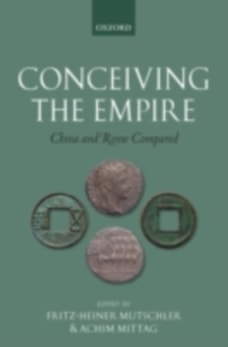
The essays in Conceiving the Empire explore the mental images, ideas, and symbolical representations of `empire' which developed in the two most powerful political entities of antiquity: China and Rome.
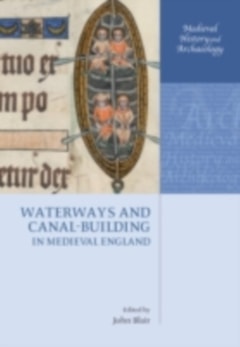
The first study of Anglo-Saxon and Anglo-Norman canals and waterways, this book is based on new evidence surrounding the nature of water transport in the period.
Christy Constantakopoulou examines the history of the Aegean islands and changing concepts of insularity, with particular emphasis on the fifth century BC.
This new edition of the Oxford Bible Atlas, now with full-colour maps and illustrations, has been thoroughly revised to bring it up to date with regard both to biblical scholarship and to archaeology and topography.
In this sequel to Kingston, Jamaica: Urban Development and Social Change, 1692 to 1962 (1975) Colin Clarke investigates the role of class, colour, race, and culture in the changing social stratification and spatial patterning of Kingston, Jamaica since independence in 1962.
Jim Glassman addresses the role of the state in the industrial transformation of what was, before the economic crisis of 1997-98, one of Southeast Asia's fastest growing economies.
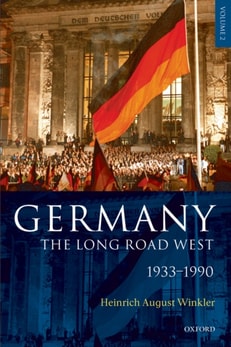
Vivid, succinct, and highly accessible, Heinrich Winkler's magisterial history of modern Germany offers the history of a nation and its people through two turbulent centuries.
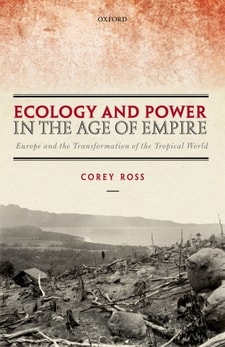
Ecology and Power in the Age of Empire provides the first wide-ranging environmental history of the heyday of European imperialism, from the late nineteenth century to the end of the colonial era.
Ecology and Power in the Age of Empire provides the first wide-ranging environmental history of the heyday of European imperialism, from the late nineteenth century to the end of the colonial era.