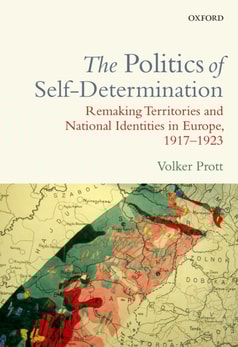
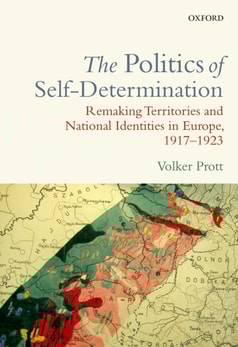
The Politics of Self-Determination examines the territorial restructuring of Europe between 1917 and 1923, when a radically new and highly fragile peace order was established.
The Politics of Self-Determination examines the territorial restructuring of Europe between 1917 and 1923, when a radically new and highly fragile peace order was established.
Modern Russian identity and historical experience has been largely shaped by Russia's imperial past: an empire that was founded in the early modern era and endures in large part today.
Modern Russian identity and historical experience has been largely shaped by Russia's imperial past: an empire that was founded in the early modern era and endures in large part today.
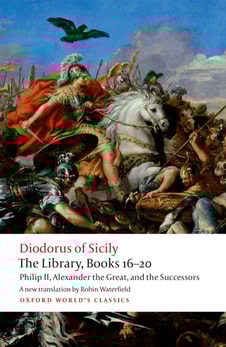
Starting with the most meagre resources, Philip made his kingdom the greatest power in Europe The Greek historian Diodorus of Sicily is one of our most valuable sources from ancient times.
Starting with the most meagre resources, Philip made his kingdom the greatest power in Europe The Greek historian Diodorus of Sicily is one of our most valuable sources from ancient times.
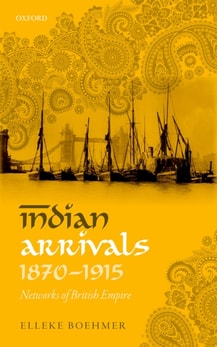
Indian Arrivals, 1870-1915: Networks of British Empire explores the rich and complicated landscape of intercultural contact between Indians and Britons on British soil at the height of empire, as reflected in a range of literary writing, including poetry and life-writing.
The central argument of The Formation of the English Kingdom in the Tenth Century is that the English kingdom which existed at the time of the Norman Conquest was defined by the geographical parameters of a set of administrative reforms implemented in the mid- to late tenth century, and not by a vision of English unity going back to Alfred the Great (871-899).
Mapping the Germans explores the development of statistical science and cartography in Germany between the beginning of the nineteenth century and the start of World War One, examining their impact on the German national identity.
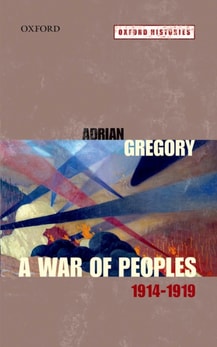
A War of Peoples, 1914-1919 provides a new perspective on the First World War, offering a concise narrative of the war from the first military actions in July 1914 until the signing of the peace treaty by Germany in July 1919.
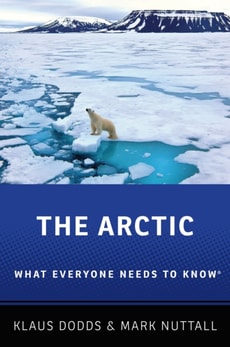
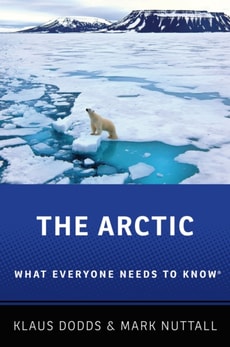
Conversations defining the Arctic region often provoke debate and controversy -- for scientists, this lies in the imprecise and imaginary line known as the Arctic Circle; for countries like Canada, Russia, the United States, and Denmark, such discussions are based in competition for land and resources; for indigenous communities, those discussions are also rooted in issues of rights.
Conversations defining the Arctic region often provoke debate and controversy -- for scientists, this lies in the imprecise and imaginary line known as the Arctic Circle; for countries like Canada, Russia, the United States, and Denmark, such discussions are based in competition for land and resources; for indigenous communities, those discussions are also rooted in issues of rights.
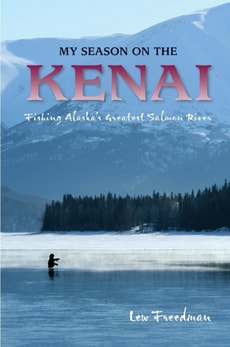
The Kenai is a world-class salmon river that attracts fishermen from all over the world, but is also the "e;everyman"e; river of the great fishing paradise of Alaska because of its accessibility.
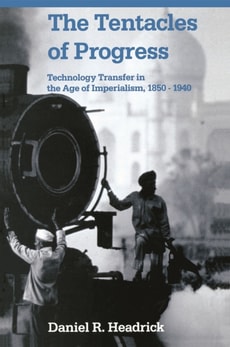
This penetrating examination of a paradox of colonial rule shows how the massive transfers of technology--including equipment, techniques, and experts--from the European imperial powers to their colonies in Asia and Africa resulted not in industrialization but in underdevelopment.
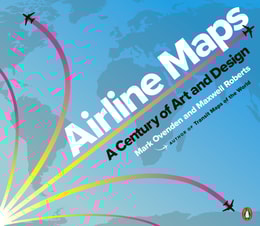
In this gorgeously illustrated collection of airline route maps, Mark Ovenden and Maxwell Roberts look to the skies and transport readers to another time.
THE EXTRAORDINARY TALE OF THE FATHER OF MODERN GEOLOGYHidden behind velvet curtains above a stairway in a house in London's Piccadilly is an enormous and beautiful hand-coloured map - the first geological map of anywhere in the world.
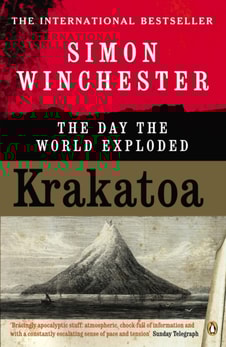
'Bracingly apocalyptic stuff: atmospheric, chock-full of information and with a constantly escalating sense of pace and tension' Sunday TelegraphSimon Winchester's brilliant chronicle of the destruction of the Indonesian island of Krakatoa in 1883 charts the birth of our modern world.
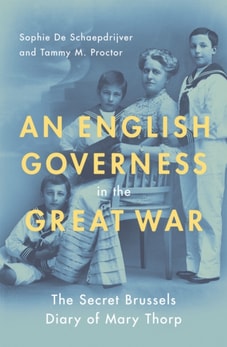
September 1914, and the whole of Europe was at war following the assassination of Archduke Franz Ferdinand and his beloved wife Sophie by Gavrilo Princip in Sarajevo on 28th June 1914.