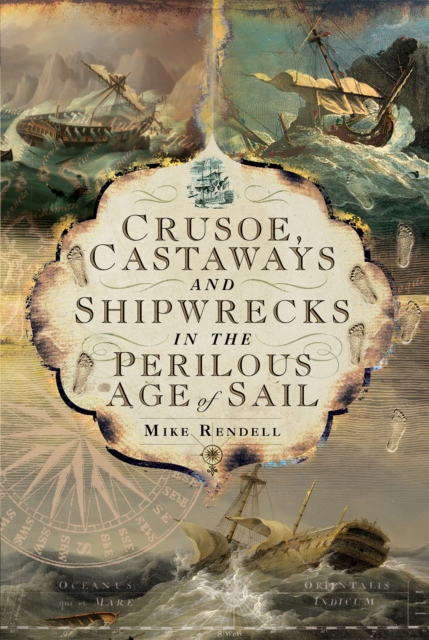
"e;Fascinating"e; stories of real-life people and events that inspired the author of the classic adventure novel Robinson Crusoe (Historical Novel Society).
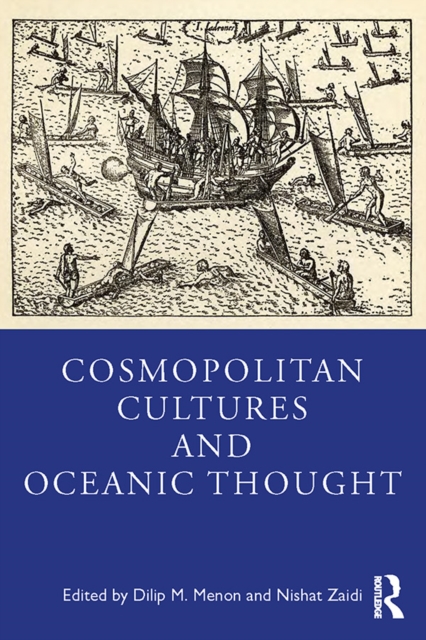
This book presents the socio-cultural and historical trajectories of the Deccan plateau as well as the coastal areas of the current states of Andhra Pradesh, Maharashtra, Karnataka and Goa.
This book presents the socio-cultural and historical trajectories of the Deccan plateau as well as the coastal areas of the current states of Andhra Pradesh, Maharashtra, Karnataka and Goa.
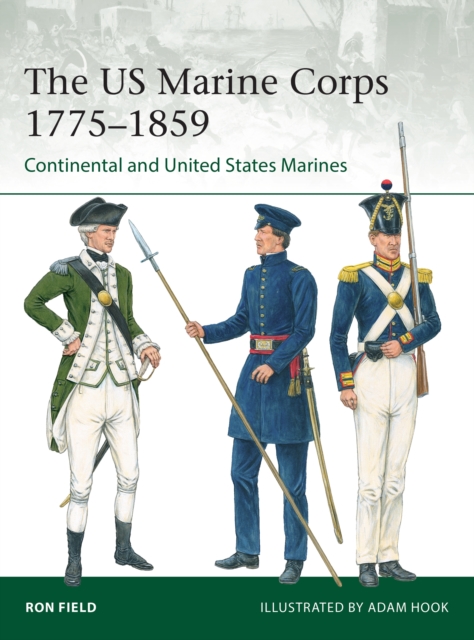
Featuring specially commissioned artwork and archive illustrations, this engrossing study describes the US Marine Corps' early operations and illustrates its evolving uniforms and personal equipment.
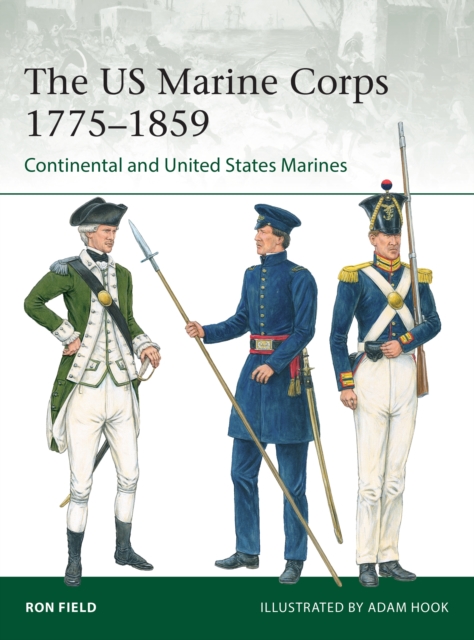
Featuring specially commissioned artwork and archive illustrations, this engrossing study describes the US Marine Corps' early operations and illustrates its evolving uniforms and personal equipment.
In 1807 genteel, Bermuda-born Fanny Palmer (1789-1814) married Jane Austen's youngest brother, Captain Charles Austen, and was thrust into a demanding life within the world of the British navy.
Early Records of British India (1972) is an important collection of source material deriving from official documents which now form part of the India Office Records.
May We Be Spared to Meet on Earth is a privileged glimpse into the private correspondence of the officers and sailors who set out in May 1845 on the Erebus and Terror for Sir John Franklin's fateful expedition to the Arctic.
Early Records of British India (1972) is an important collection of source material deriving from official documents which now form part of the India Office Records.
British Honduras (1951) examines this most neglected of the British colonies, from the early days of settlement by the logwood-cutters and buccaneers up to the post-war period.
British Honduras (1951) examines this most neglected of the British colonies, from the early days of settlement by the logwood-cutters and buccaneers up to the post-war period.
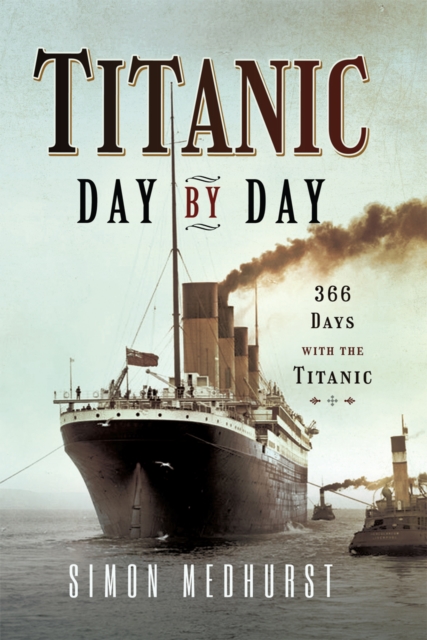
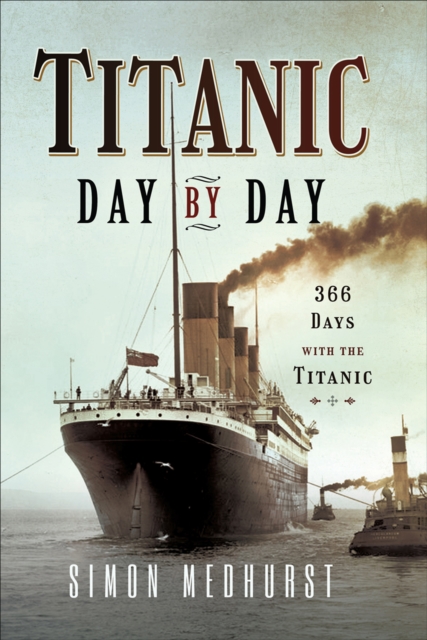
Organized by days of the year, this reference presents detailed information on the HMS Titanic, from the ship itself to passengers, crew, and survivors.
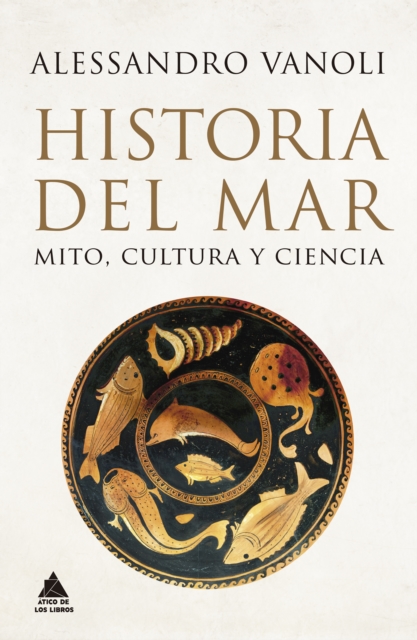
Un viaje al reino de los maresEl mar es fascinante y misterioso a partes iguales, y Alessandro Vanoli nos guía en el apasionante relato de cuatro mil millones de años de historia para, tras navegar entre criaturas, abismos y civilizaciones, llegar a los mares del presente.
THE SUNDAY TIMES NUMBER ONE BESTSELLER *LONGLISTED FOR THE 2023 BAILLIE GIFFORD PRIZE FOR NON-FICTION* The beauty ofThe Wagerunfurls like a great sail.
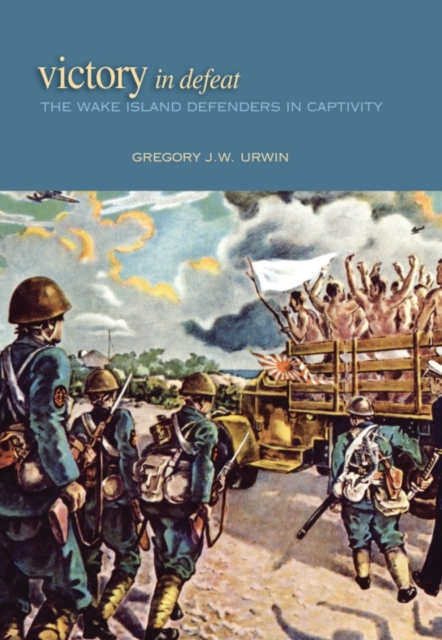
Told here for the first time in vivid detail is the story of the defenders of Wake Island following their surrender to the Japanese on December 23, 1941.
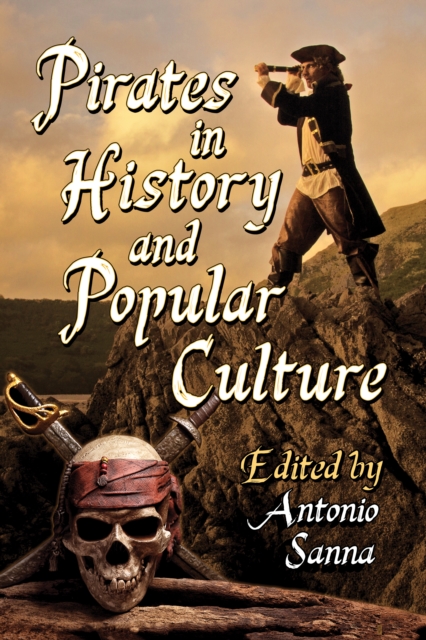
This collection of new essays covers the myriad portrayals of the figure of the pirate in historical records, literary narratives, films, television series, opera, anime and games.
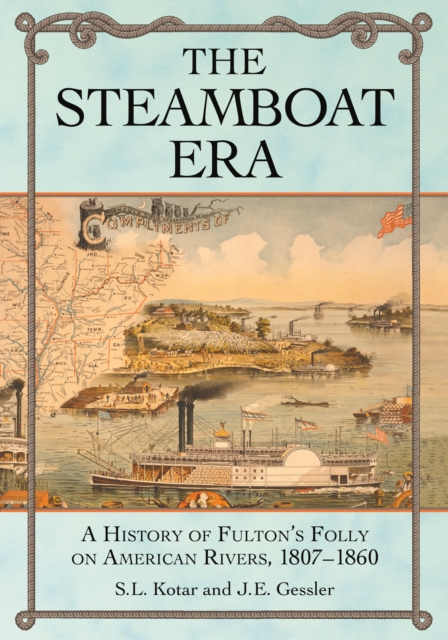
The steamboat evokes images of leisurely travel, genteel gambling, and lively commerce, but behind the romanticized view is an engineering marvel that led the way for the steam locomotive.
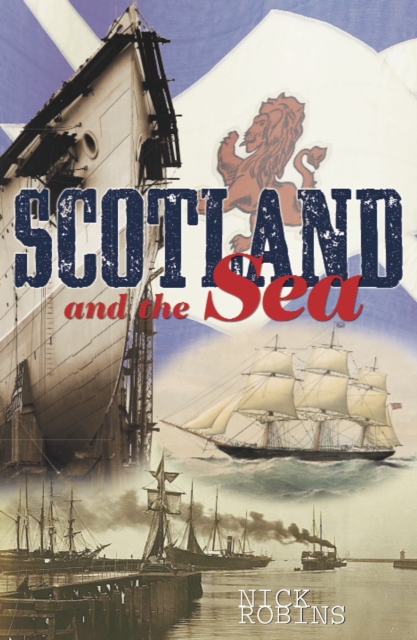
Scotland's maritime heritage is a highly significant one, embracing as it does a quite outstanding contribution to Britain's development both as an empire and as the world's leading maritime power in the nineteenth century.
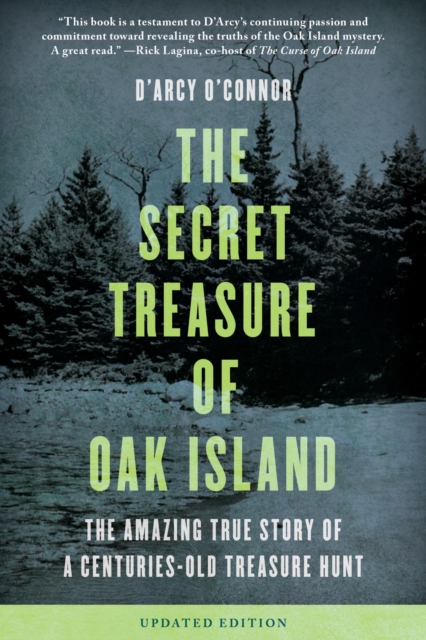
It started on a summer afternoon in 1795 when a young man named Daniel McGinnis found what appeared to be an old site on an island off the Acadian coast, a coastline fabled for the skullduggery of pirates.
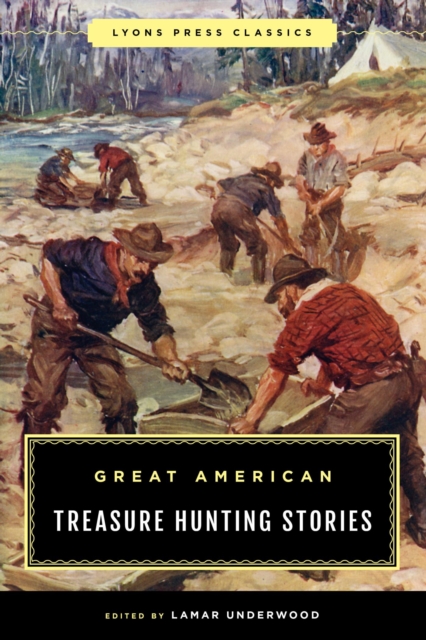
Two of mankind's most persistent quests';get rich quick' and ';something for nothing'provide the power driving these tales of treasure-seekers in action.
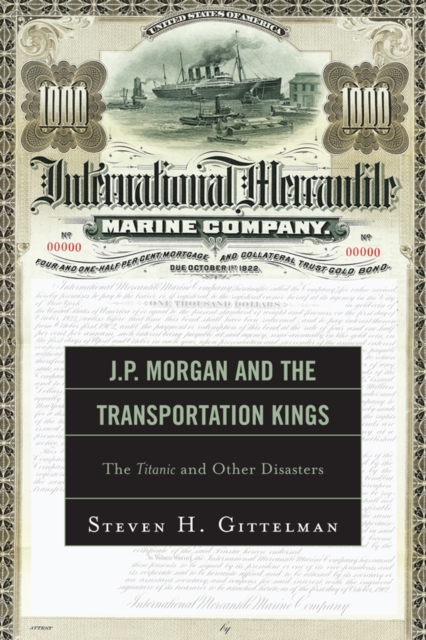
The concept was simple, to link American railroads and global dominance of the seas with a railroad line through China and Russia, enter the back door of Europe, and create new royalty: the Transportation Kings.
A vivid and revealing portrait of shipboard life as experienced by eighteenth-century migrants from Europe to the New World In October 1735, James Oglethorpe’s Georgia Expedition set sail from London, bound for Georgia.
Prior histories of the first Spanish mariners to circumnavigate the globe in the sixteenth century have focused on Ferdinand Magellan and the other illustrious leaders of these daring expeditions.
For years before the outbreak of the First World War, it was the expectation of most officers of the Royal Navy and the Imperial German Navy that very shortly thereafter; a decisive fleet action would be fought.
The unlikely beginnings of the East India Company-from Tudor origins and rivalry with the superior Dutch-to laying the groundwork for future British expansion The East India Company was the largest commercial enterprise in British history, yet its roots in Tudor England are often overlooked.