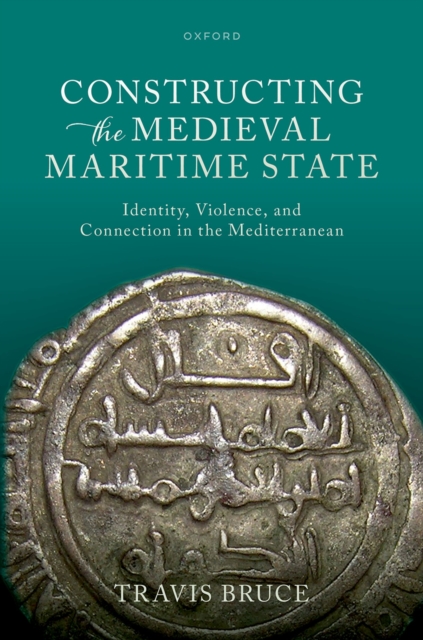
Constructing the Medieval Maritime State: Identity, Violence, and Connection in the Mediterranean explores how the small medieval kingdom of Denia in Spain became a powerful maritime state after the collapse of the Umayyad Caliphate.
SUBMERGED STORIES FROM THE GRAVEYARD OF THE PACIFICOver the past 350 years, an untold number of ships have met their end along the northern Oregon and southern Washington coasts.
SUBMERGED STORIES FROM THE GRAVEYARD OF THE PACIFICOver the past 350 years, an untold number of ships have met their end along the northern Oregon and southern Washington coasts.
England has a rich heritage of overseas exploration - the names of Francis Drake and Walter Raleigh immediately spring to mind - but the first of the great Tudor explorations took place when Drake was just a boy of thirteen.
'Excellent' - Financial Times'Stirring, impressively detailed' - Time magazineThe Battle for the Falklands is a thoughtful and informed analysis of an astonishing chapter in modern British history from journalist and military historian Sir Max Hastings and political editor Simon Jenkins.
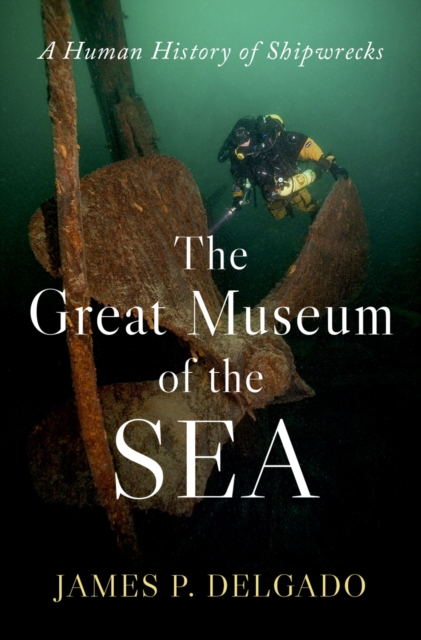
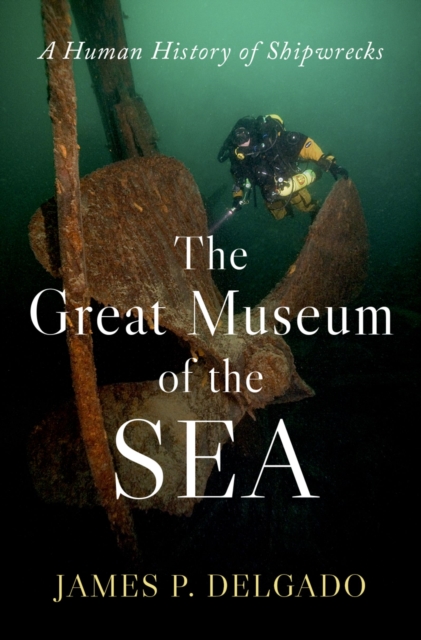
An immersive dive into the meaning and mystique of shipwrecksThe sea is the largest museum on earth, with more than a million lost ships resting in its depths.
An immersive dive into the meaning and mystique of shipwrecksThe sea is the largest museum on earth, with more than a million lost ships resting in its depths.
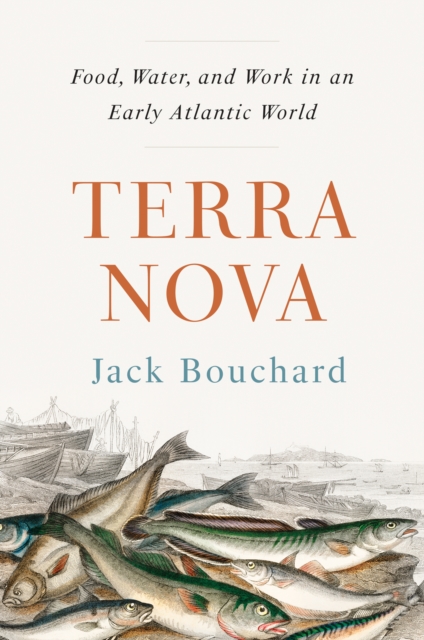
A bottom-up story of the fishworkers, whalers, First Nations, merchantwomen, oceans, and animals who together made a new colonial world in the early Atlantic In the early decades of the sixteenth century, mariners from across Europe forged a vast seasonal fishery along the coasts of the northwest Atlantic.
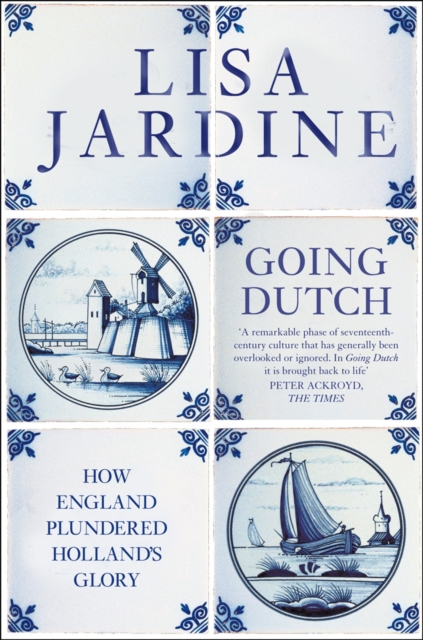
A fascinating exploration of the relationship of competition and assimilation between the Netherlands and England during the 17th century, revealing the ways in which Dutch tolerance, resilience and commercial acumen effectively conquered Britain by reshaping its intellectual landscape, long before Dutch monarchs sat on the English throne.
Fort des acquis de l'historiographie sur le negoce des ports europeens de la fin de l'epoque medievale au debut de la periode contemporaine, l'ambition de ce livre est de faire dialoguer l'histoire portuaire et maritime avec l'histoire des femmes et du genre.
Fort des acquis de l'historiographie sur le negoce des ports europeens de la fin de l'epoque medievale au debut de la periode contemporaine, l'ambition de ce livre est de faire dialoguer l'histoire portuaire et maritime avec l'histoire des femmes et du genre.
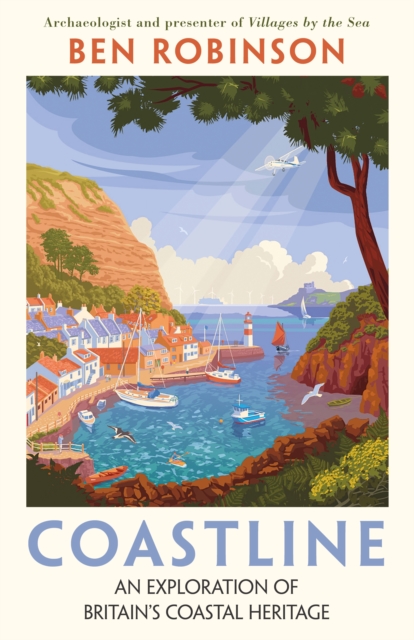
THE STUNNING NEW BOOK FROM THE HOST OF BBC 2'S VILLAGES BY THE SEAFrom prehistory to the modern era, our coastline had shaped Britain, not only physically but socially, economically and culturally.
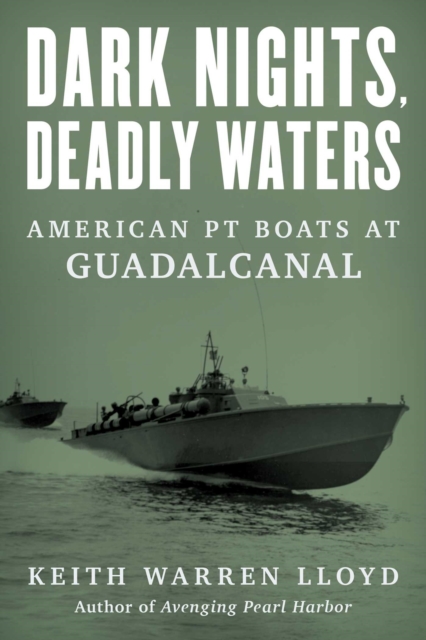
Eighty feet long, built of layered mahogany and powered by three monstrous 1500-horsepower V-12 engines, the US Navy's Patrol Torpedo (PT) boats screamed across the water at over forty knots.
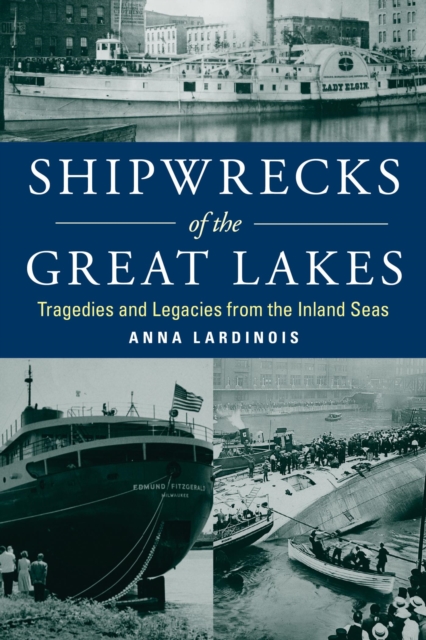
Submerged stories from the inland seasThe newest addition to Globe Pequot's Shipwrecks series covers the sensational wrecks and maritime disasters from each of the five Great Lakes.
Submerged stories from the inland seasThe newest addition to Globe Pequot's Shipwrecks series covers the sensational wrecks and maritime disasters from each of the five Great Lakes.
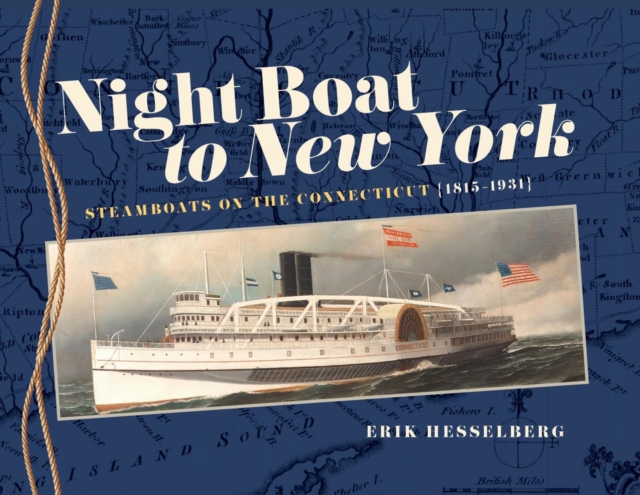
Night Boat to New York: Steamboats on the Connecticut, 1824-1931, is a portrait of the vanished steamboat dayswhen a procession of stately sidewheelers plied between Hartford and New York City, docking at Peck's Slip on the East River in the shadow of the Brooklyn Bridge.
Night Boat to New York: Steamboats on the Connecticut, 1824-1931, is a portrait of the vanished steamboat dayswhen a procession of stately sidewheelers plied between Hartford and New York City, docking at Peck's Slip on the East River in the shadow of the Brooklyn Bridge.
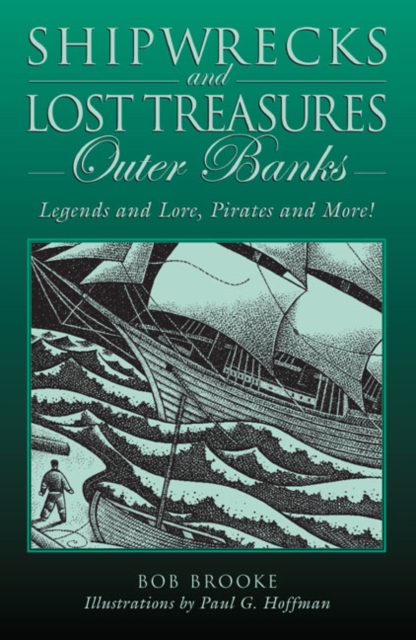
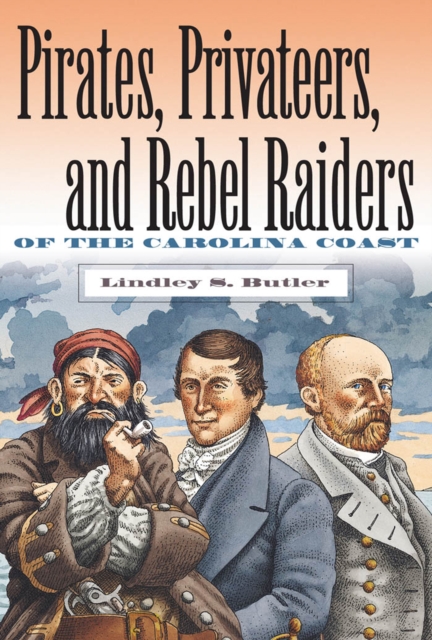
North Carolina possesses one of the longest, most treacherous coastlines in the United States, and the waters off its shores have been the scene of some of the most dramatic episodes of piracy and sea warfare in the nations history.
North Carolina possesses one of the longest, most treacherous coastlines in the United States, and the waters off its shores have been the scene of some of the most dramatic episodes of piracy and sea warfare in the nations history.