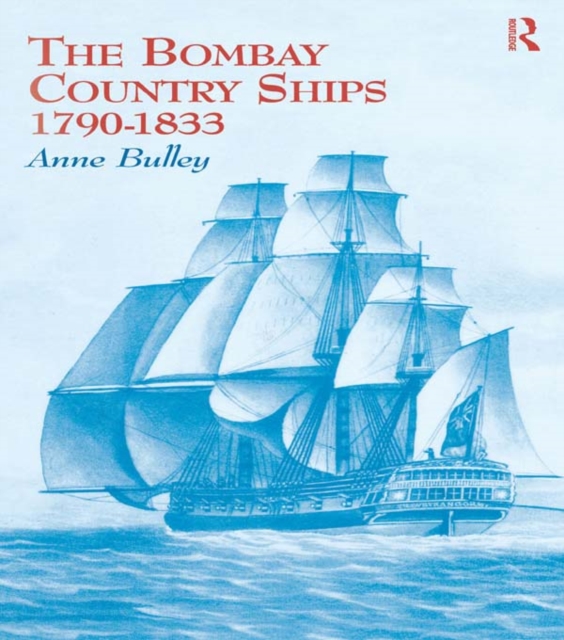
Concentrates on the period 1790-1833, especially the early nineteenth century when the Bombay merchant fleet was at its zenith, studying the ships, their trade and the men who owned or sailed in them.
Like the industrial revolution before it, the information technology revolution appears to be creating a new ruling class, a new economy and a new society.
Like the industrial revolution before it, the information technology revolution appears to be creating a new ruling class, a new economy and a new society.
This study eschews the uncritical acceptance of secondary sources that has characterized studies in this field, going back to and reinterpreting previously neglected primary sources, thereby enabling it to chart linkages between the European and Asian trades that have been regarded as parallel but unrelated (or at best competing) activities.
This study eschews the uncritical acceptance of secondary sources that has characterized studies in this field, going back to and reinterpreting previously neglected primary sources, thereby enabling it to chart linkages between the European and Asian trades that have been regarded as parallel but unrelated (or at best competing) activities.
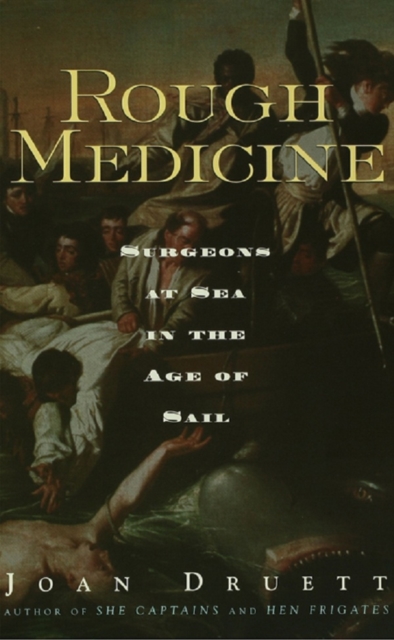
Using diaries, journals, and correspondences, Druett recounts the daily grind surgeons on nineteenth-century whaling ships faced: the rudimentary tools they used, the treatments they had at their disposal, the sorts of people they encountered in their travels, and the dangers they faced under the harsh conditions of life at sea.
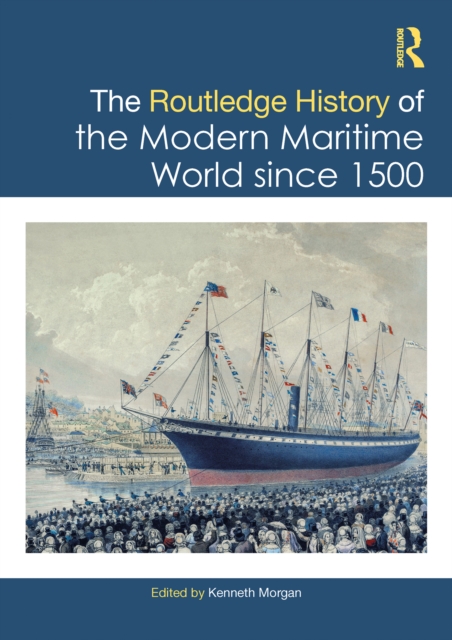
The Routledge History of the Modern Maritime World since 1500 provides a wide-ranging set of chapters, covering the sixteenth century to the present, which represent the main lines of current enquiry in maritime history.
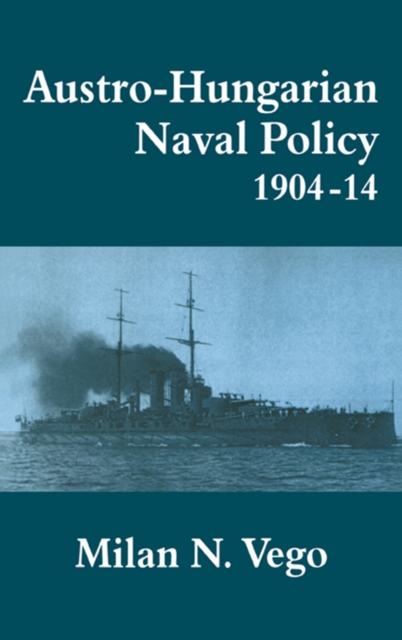
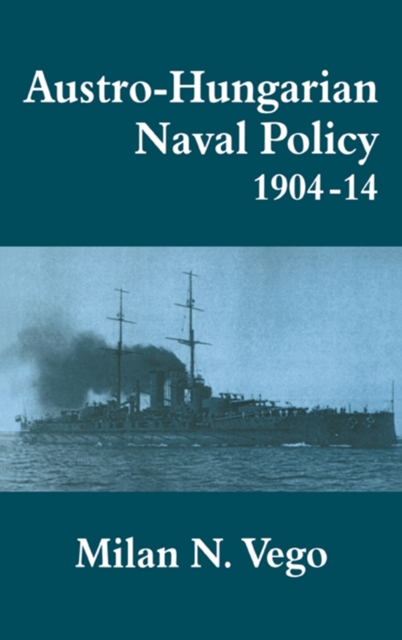
This unique and comprehensive account describes the interplay of internal and external factors in the emergence of the Austro-Hungarian Navy from a coastal defence force in 1904 to a respectable battle force capable of the joint operations with other Triple Alliance fleets in the Mediterranean by the eve of World War I.
This unique and comprehensive account describes the interplay of internal and external factors in the emergence of the Austro-Hungarian Navy from a coastal defence force in 1904 to a respectable battle force capable of the joint operations with other Triple Alliance fleets in the Mediterranean by the eve of World War I.
,[A] fascinating volume, which establishes marine environmental history as a major new discipline for academics as well as an exciting way to bring history and the natural world alive for the public.
,[A] fascinating volume, which establishes marine environmental history as a major new discipline for academics as well as an exciting way to bring history and the natural world alive for the public.
Focussing on the mechanics of social change and the interaction between ethnic groups, cultures, structures and value systems the background questions of ecology, demography and history are also examined and the process of urbanization and rural revolution described.
Focussing on the mechanics of social change and the interaction between ethnic groups, cultures, structures and value systems the background questions of ecology, demography and history are also examined and the process of urbanization and rural revolution described.
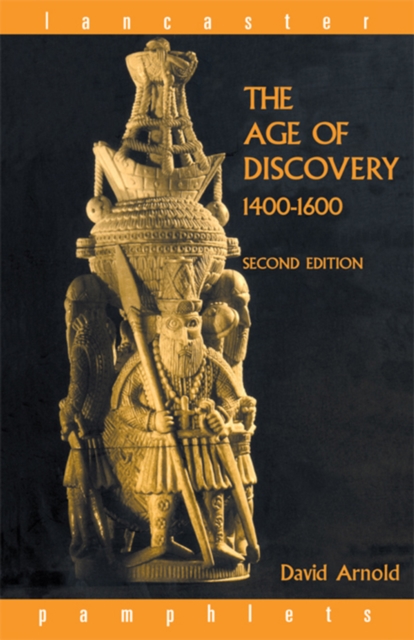
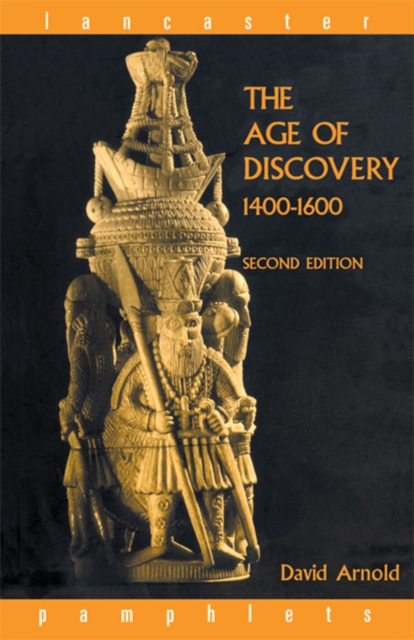
The Age of Discovery explores one of the most dramatic features of the late medieval and early modern period: when voyagers from Western Europe led by Spain and Portugal set out across the world and established links with Africa, Asia and the Americas.
The Age of Discovery explores one of the most dramatic features of the late medieval and early modern period: when voyagers from Western Europe led by Spain and Portugal set out across the world and established links with Africa, Asia and the Americas.