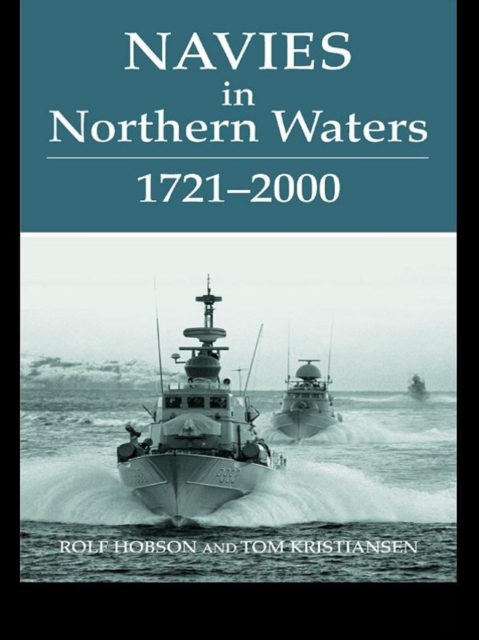
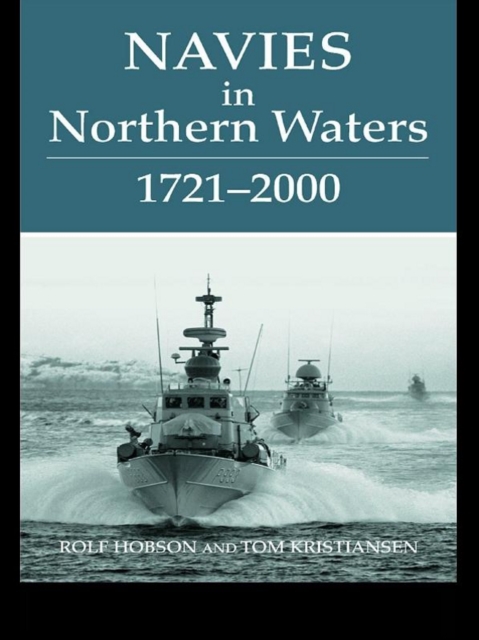
Navies in Northern Waters is a collection of articles covering the roles played by the secondary navies of northern European powers and the United States within the maritime balance of power.
Navies in Northern Waters is a collection of articles covering the roles played by the secondary navies of northern European powers and the United States within the maritime balance of power.
This authoritative publication by the official historian, the late Sir Brooks Richards, vividly describes and analyses the clandestine naval operations that took place during World War II.
This new book brings together Britain's leading naval historians and analysts to present a comprehensive investigation of British naval thinking and what has made it so distinctive over the last three centuries, from the sailing ship era to the current day.
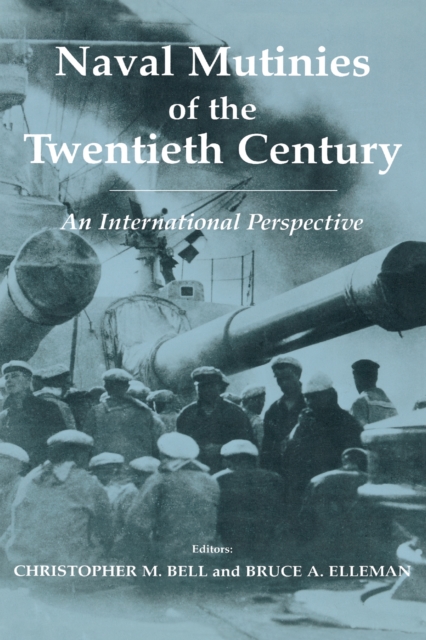
This volume brings together a set of scholarly, readable and up-to-date essays covering the most significant naval mutinies of the 20th century, including Russia (1905), Brazil (1910), Austria (1918), Germany (1918), France (1918-19), Great Britain (1931), Chile (1931), the United States (1944), India (1946), China (1949), Australia, and Canada (1949)
Following the stranding of a Soviet Whiskey-class submarine in 1981 on the Swedish archipelago, a series of massive submarine intrusions took place within Swedish waters.
This new book explores innovation within the Royal Navy from the financial constraints of the 1930s to World War Two, the Cold War and the refocusing of the Royal Navy after 1990.
Think of maritime slavery, and the notorious Middle Passage - the unprecedented, forced migration of enslaved Africans across the Atlantic - readily comes to mind.
Think of maritime slavery, and the notorious Middle Passage - the unprecedented, forced migration of enslaved Africans across the Atlantic - readily comes to mind.
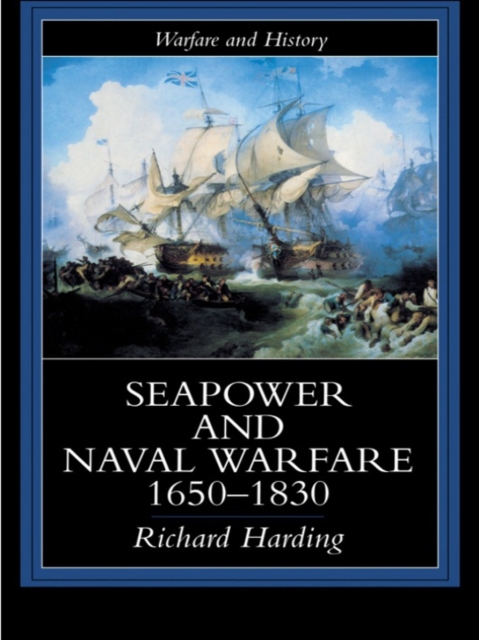
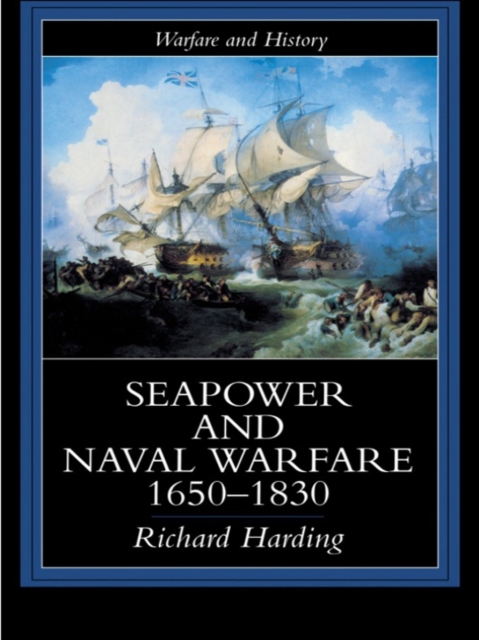
From the author of "e;Amphibious Warfare in the Eighteenth Century"e; and "e;The Evolution of the Sailing Navy, 1509-1815"e;, this book serves as a single- volume survey of war at sea and the expansion of naval power in the 18th century.
From the author of "e;Amphibious Warfare in the Eighteenth Century"e; and "e;The Evolution of the Sailing Navy, 1509-1815"e;, this book serves as a single- volume survey of war at sea and the expansion of naval power in the 18th century.
This is a comnpendium volume of three Battle Summaries or Naval Staff Histories produced soon after the war by the Naval Historical Branch of the Admiralty.
This is a comnpendium volume of three Battle Summaries or Naval Staff Histories produced soon after the war by the Naval Historical Branch of the Admiralty.
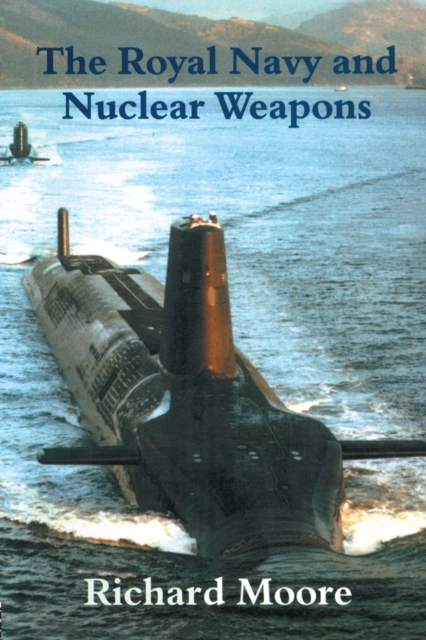
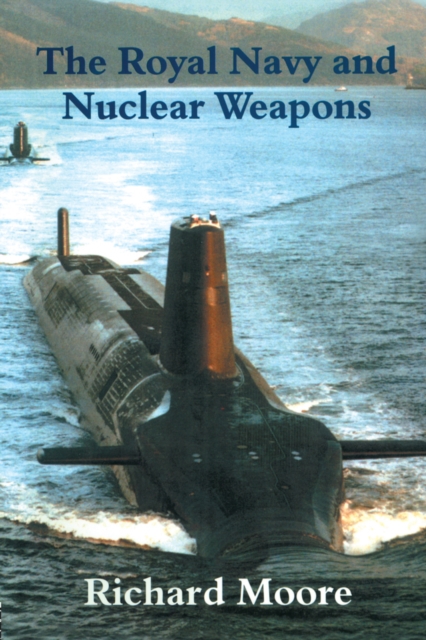
This work examines British thinking about nuclear weapons in the period up to about 1970, looking at the subject through the eyes of the Royal Navy, in the belief that this can offer new insights in this field.
This work examines British thinking about nuclear weapons in the period up to about 1970, looking at the subject through the eyes of the Royal Navy, in the belief that this can offer new insights in this field.
This volume deals with the first 15 months of the Mediterranean Campaign including the preparations for war, the effect of the entry of Italy into the war in June, 1940, the tragic actions against the French Fleet, and the achievement of British command of the sea, which was the defining factor for all subsequent Mediterranean operations.
This volume deals with the first 15 months of the Mediterranean Campaign including the preparations for war, the effect of the entry of Italy into the war in June, 1940, the tragic actions against the French Fleet, and the achievement of British command of the sea, which was the defining factor for all subsequent Mediterranean operations.
The technical transformation of the Royal Navy during the Victorian era posed many design, tactical and operational problems for administrators from the 1830s onwards.
After the bitter lessons of German self-disarmament in 1919, Britain was far more alert and focused when it came to overseeing the disarmament of Germany's naval forces after World War II.
After the bitter lessons of German self-disarmament in 1919, Britain was far more alert and focused when it came to overseeing the disarmament of Germany's naval forces after World War II.
This book reappraises the ill-fated raid named operation Jubilee, focusing on aspects such as naval and air operations in the Channel, signals, radar intelligence, agents and deception.
This book reappraises the ill-fated raid named operation Jubilee, focusing on aspects such as naval and air operations in the Channel, signals, radar intelligence, agents and deception.
The Soviet Study of War"e; series examines the lessons Soviet military theorists and commanders learned from the study of their own military experience.
The Soviet Study of War"e; series examines the lessons Soviet military theorists and commanders learned from the study of their own military experience.
This book provides a broad account of the international history of East Asia from 1900 to 1968 - a subject that is essential to any understanding of the modern epoch.
This book provides a broad account of the international history of East Asia from 1900 to 1968 - a subject that is essential to any understanding of the modern epoch.
In The Routledge Atlas of the Second World War, Martin Gilbert graphically charts the wars political, military, economic and social history through 257 illuminating maps.
In The Routledge Atlas of the Second World War, Martin Gilbert graphically charts the wars political, military, economic and social history through 257 illuminating maps.
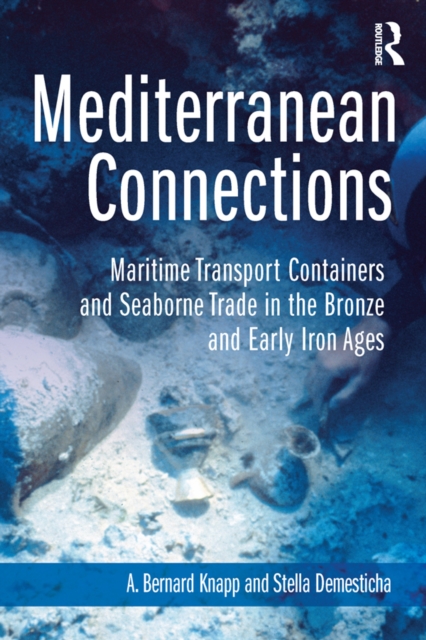
Mediterranean Connections focuses on the origin and development of maritime transport containers from the Early Bronze through early Iron Age periods (ca.