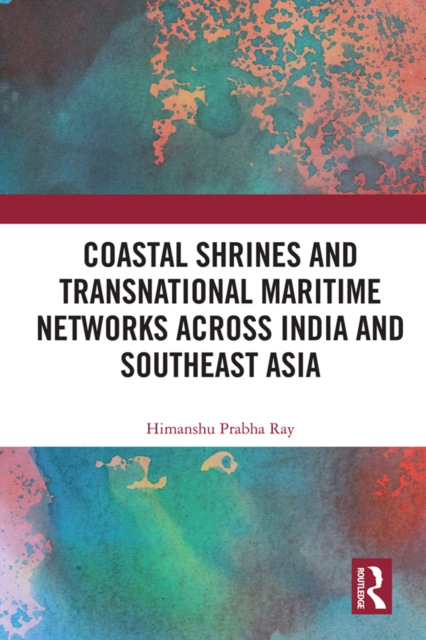
This book breaks new ground by examining trans-oceanic connectivity through the perspective of coastal shrines and maritime cultural landscapes across the Bay of Bengal and the South China Sea.
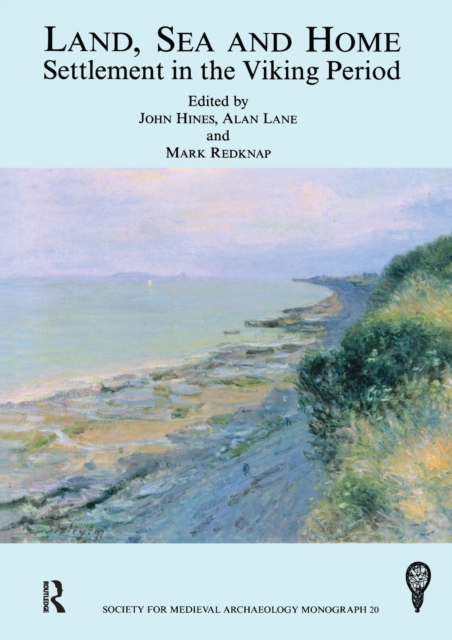
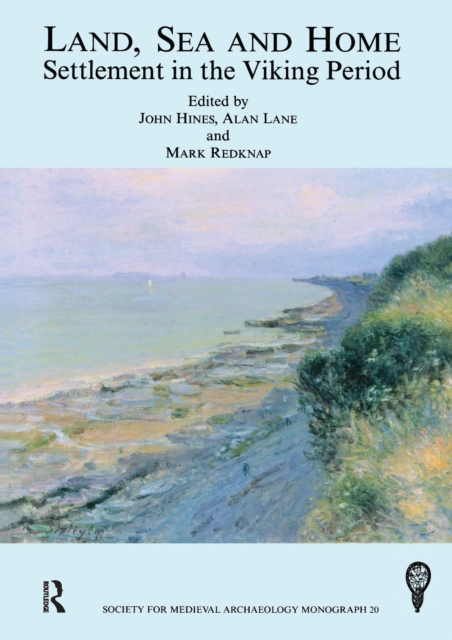
This book provides a realistic historical and geographical perspective to begin closest to the Scandinavian homelands of Vikings and the Viking ideology and material culture, by looking at new research into aspects of their use of the sea, maritime communications and trade.
The Ming World draws together scholars from all over the world to bring China's Ming Dynasty (1368-1662) to life, exploring recent scholarly trends and academic debates that highlight the dynamism of the Ming and its key place in the early modern world.
The Ming World draws together scholars from all over the world to bring China's Ming Dynasty (1368-1662) to life, exploring recent scholarly trends and academic debates that highlight the dynamism of the Ming and its key place in the early modern world.
This book provides a realistic historical and geographical perspective to begin closest to the Scandinavian homelands of Vikings and the Viking ideology and material culture, by looking at new research into aspects of their use of the sea, maritime communications and trade.
The Maltese Dialogue is the first comprehensive treatise of the history, institutions, and political projects of the Order of the Knights of Saint John of the Hospital, commonly known as the Maltese Order.
This book explores how the Medici Grand Dukes pursued ways to expand their political, commercial, and cultural networks beyond Europe, cultivating complex relations with the Ottoman Empire and other Islamicate regions, and looking further east to India, China, and Japan.
This book explores how the Medici Grand Dukes pursued ways to expand their political, commercial, and cultural networks beyond Europe, cultivating complex relations with the Ottoman Empire and other Islamicate regions, and looking further east to India, China, and Japan.
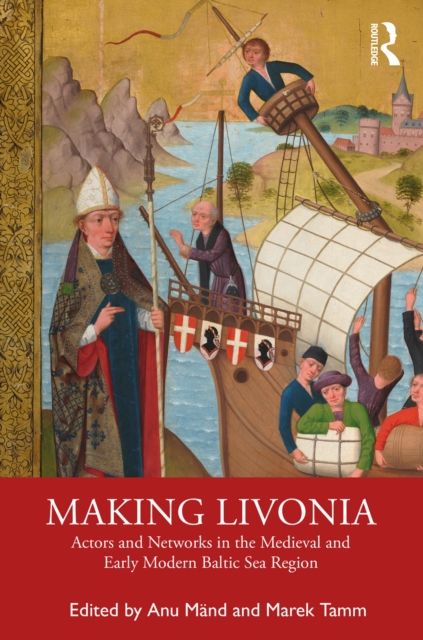
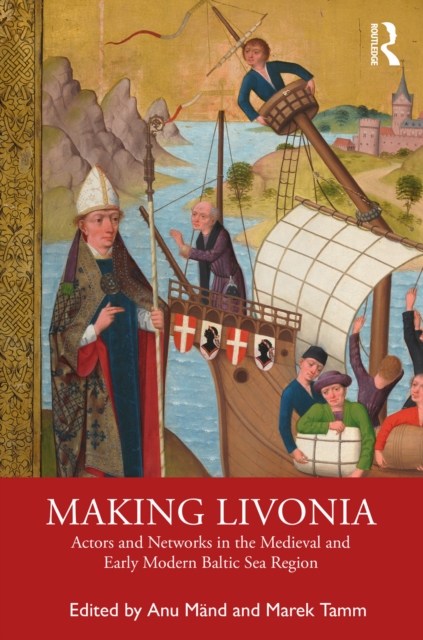
The region called Livonia (corresponding to modern Estonia and Latvia) emerged out of the rapid transformation caused by the conquest, Christianisation and colonisation on the north-east shore of the Baltic Sea in the late twelfth and the early thirteenth centuries.
The region called Livonia (corresponding to modern Estonia and Latvia) emerged out of the rapid transformation caused by the conquest, Christianisation and colonisation on the north-east shore of the Baltic Sea in the late twelfth and the early thirteenth centuries.
The Maltese Dialogue is the first comprehensive treatise of the history, institutions, and political projects of the Order of the Knights of Saint John of the Hospital, commonly known as the Maltese Order.
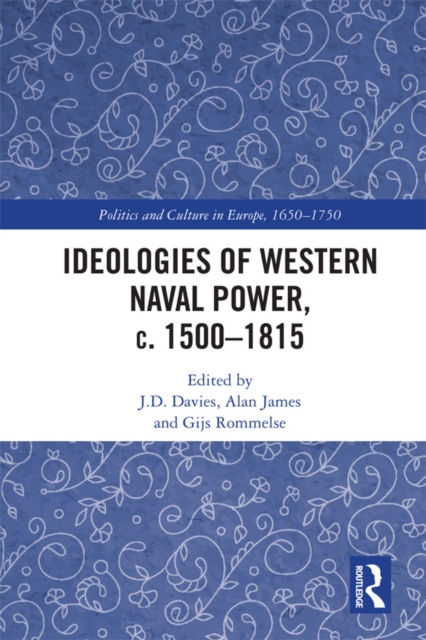
This ground-breaking book provides the first study of naval ideology, defined as the mass of cultural ideas and shared perspectives that, for early modern states and belief systems, justified the creation and use of naval forces.
This ground-breaking book provides the first study of naval ideology, defined as the mass of cultural ideas and shared perspectives that, for early modern states and belief systems, justified the creation and use of naval forces.
The Real Pirates of the Caribbean (Complete Edition: Volume 1&2) gathers the notorious lives of early eighteenth-century sea rovers into a vivid documentary romance of the Atlantic world.
When originally published in 1984, and based on archival research, this book was the first fully documented discussion of German naval strategy and planning from 1862-1914 against France, Russia, Great Britain, the United States and Japan.
When originally published in 1945 this book was the first to give a detailed account, based largely upon original sources, of the 'Scheldt Question' from its medieval origins to the settlement of 1839 and to set it against an adequate background of political and economic history.
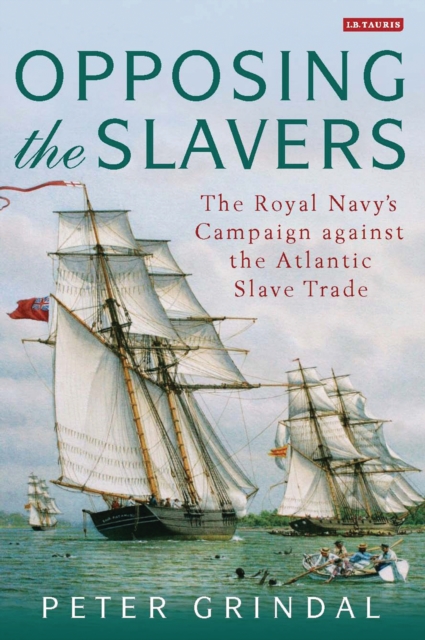
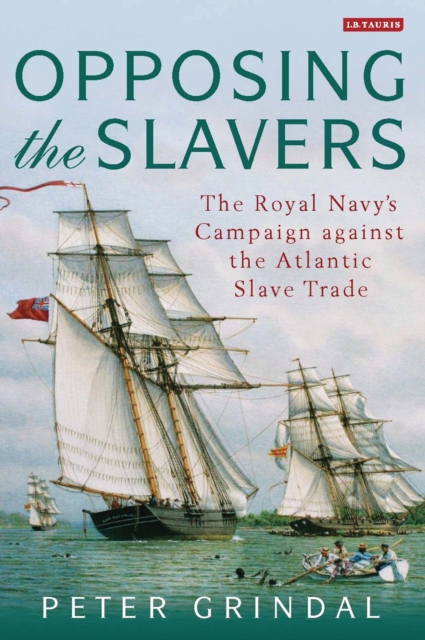
Much is known about Britain's role in the Atlantic slave trade during the eighteenth century but few are aware of the sustained campaign against slaving conducted by the Royal Navy after the passing of the Slave Trade Abolition Act of 1807.
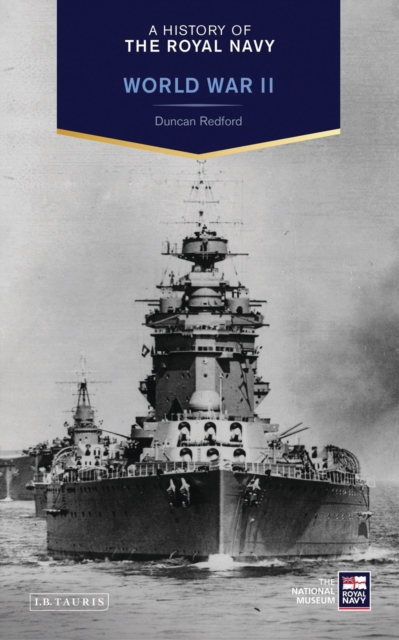
The Royal Navy's operations in World War II started on 3 September 1939 and continued until the surrender of Japan in August 1945 - there was no 'phoney war' at sea.
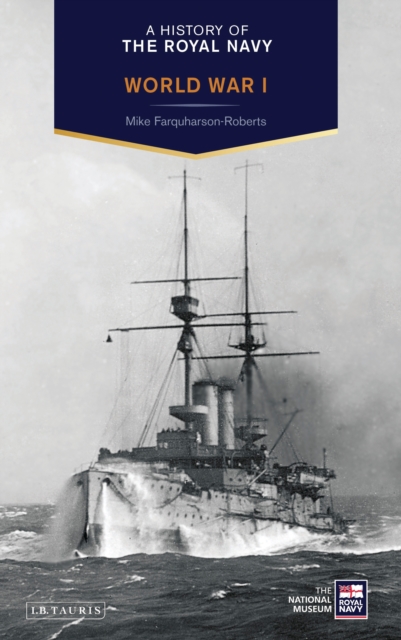
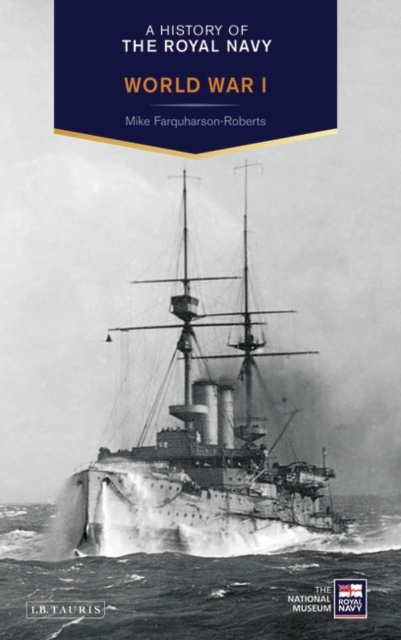
For many years the naval warfare of World War I has been largely overlooked; yet, at the outbreak of that war, the British Government had expected and intended its military contribution to the conflict to be largely naval.
From 1501, when the first slaves arrived in Hispaniola, until the nineteenth century, some twelve million people were abducted from west Africa and shipped across thousands of miles of ocean - the infamous Middle Passage - to work in the colonies of the New World.
Much is known about Britain's role in the Atlantic slave trade during the eighteenth century but few are aware of the sustained campaign against slaving conducted by the Royal Navy after the passing of the Slave Trade Abolition Act of 1807.