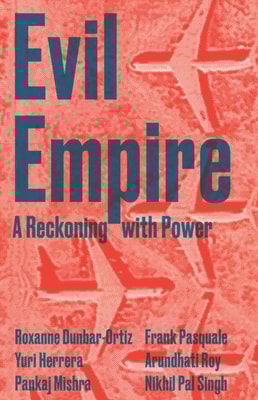
';All history,' writes Maximillian Alvarez in his contribution to this issue, ';is the history of empirea bid for control of that greatest expanse of territory, the past.
The post-2000 period in Zimbabwe saw the launch of a fast track land reform programme, resulting in a flurry of accounts from white Zimbabweans about how they saw the land, the land invasions, and their own sense of belonging and identity.
The post-2000 period in Zimbabwe saw the launch of a fast track land reform programme, resulting in a flurry of accounts from white Zimbabweans about how they saw the land, the land invasions, and their own sense of belonging and identity.
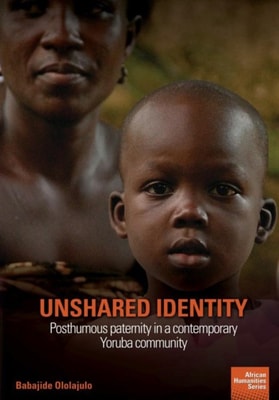
Unshared Identity employs the practice of posthumous paternity in Ilupeju-Ekiti, a Yoruba-speaking community in Nigeria, to explore endogenous African ways of being and meaning-making that are believed to have declined when the Yoruba and other groups constituting present-day Nigeria were preyed upon by European colonialism and Westernisation.
Unshared Identity employs the practice of posthumous paternity in Ilupeju-Ekiti, a Yoruba-speaking community in Nigeria, to explore endogenous African ways of being and meaning-making that are believed to have declined when the Yoruba and other groups constituting present-day Nigeria were preyed upon by European colonialism and Westernisation.
Looking at decolonization in the conditional tense, this volume teases out the complex and uncertain ends of British and French empire in Africa during the period of 'late colonial shift' after 1945.
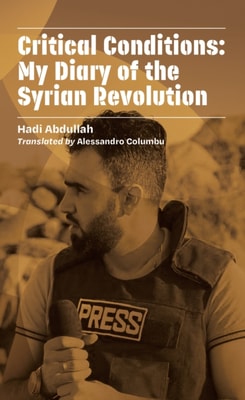
As seen and heard on 60 Minutes, This American Life, and in The New York Times a frontline eyewitness account of the Syrian Revolution from prizewinning journalist and activist Hadi Abdullah.
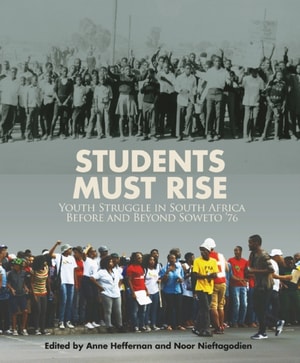
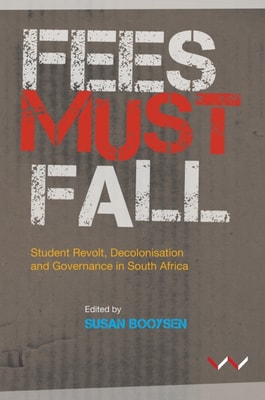
#FeesMustFall, the student revolt that began in October 2015, was an uprising against lack of access to, and financial exclusion from, higher education in South Africa.
#FeesMustFall, the student revolt that began in October 2015, was an uprising against lack of access to, and financial exclusion from, higher education in South Africa.
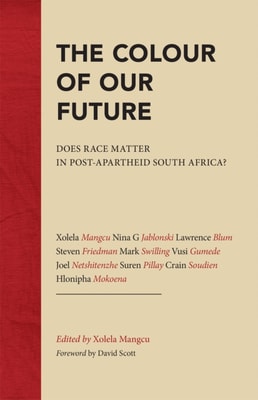
South Africa is ready for a new vocabulary than can form the basis for a national consciousness which recognises racialised identities while affirming that, as human beings, we are much more than our racial, sexual, class, religious or national identities.
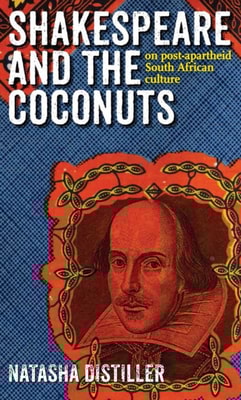
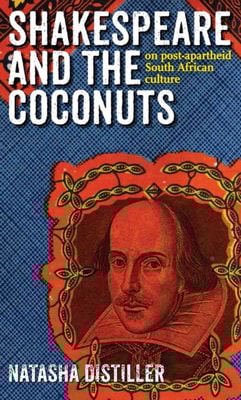
In this book Natasha Distiller explores historic and contemporary uses of Shakespeare in South African society which illustrate the complexities of colonial and post-colonial realities as they relate to iconic Englishness.
South Africa is ready for a new vocabulary than can form the basis for a national consciousness which recognises racialised identities while affirming that, as human beings, we are much more than our racial, sexual, class, religious or national identities.
In this book Natasha Distiller explores historic and contemporary uses of Shakespeare in South African society which illustrate the complexities of colonial and post-colonial realities as they relate to iconic Englishness.
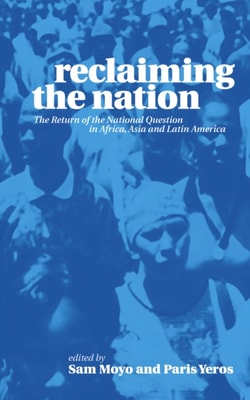
This book compares the trajectories of states and societies in Africa, Asia and Latin America under neoliberalism, a time marked by serial economic crises, escalating social conflicts, the remilitarisation of North-South relations and the radicalisation of social and nationalist forces.
This book is the result of a conference organised by the Contemporary Portuguese Political History Research Centre (CPHRC) and the University of Dundee that took place during September 2000.
Early in life, Walter Rodney became a major revolutionary figure in a dizzying range of locales that traversed the breadth of the Black diaspora: in North America and Europe, in the Caribbean and on the African continent.
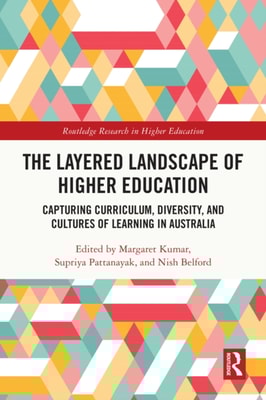
This edited collection interrogates notions of curriculum, inclusivity, diversity, and cultures of learning in higher education from a variety of cultural backgrounds and educational perspectives.
Dhirendra Jha's deeply researched history places Nathuram Godse's life as the juncture of the dangerous fault lines in contemporary India: the quest for independence and the rise of Hindu nationalism.
Ho Chi Minh, the founder of the Vietminh and President of the Democratic Republic of Vietnam, having defeated Japanese and French colonialist became a hate figure of the USA during the Vietnam War.
In his short life, the Guyanese intellectual Walter Rodney emerged as one of the leading thinkers and activists of the anticolonial revolution, leading movements in North America, South America, the African continent, and the Caribbean.