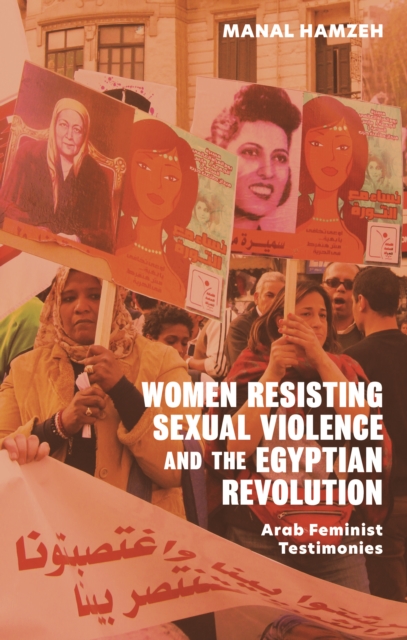
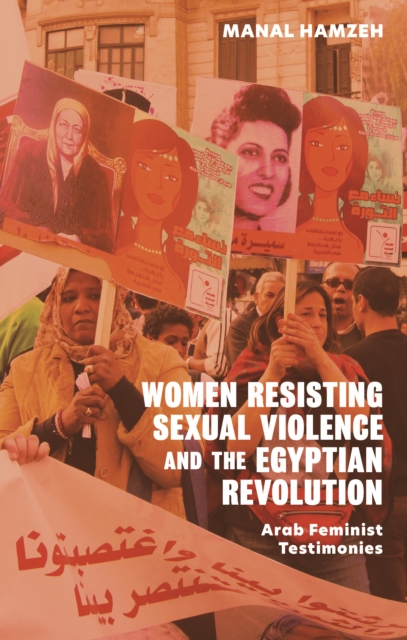
Women were at the forefront of the Egyptian Revolution in 2011, with the Arab Spring protests providing an unprecedented opportunity to make their voices heard.
Women were at the forefront of the Egyptian Revolution in 2011, with the Arab Spring protests providing an unprecedented opportunity to make their voices heard.
This concise people's history of Europe tells the story of the last hundred years of a very old continent and the ordinary people that shaped the events that defined it from World War I to today.
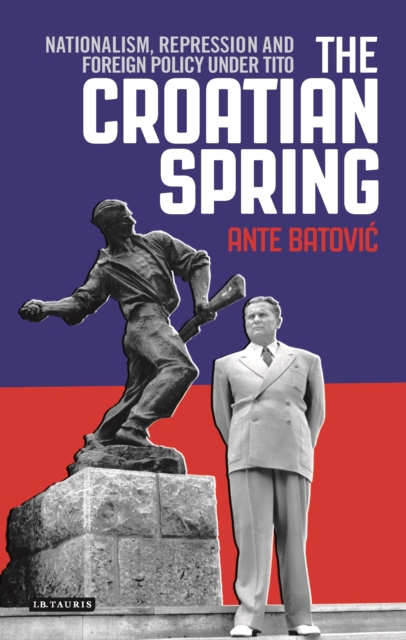
Yugoslavia's twentieth-century bore witness to civil war, sharp ideological struggles and a series of 'partisan ruptures'; revolutionary events that changed the face of Yugoslavian society, politics and culture, which were felt on a global level.
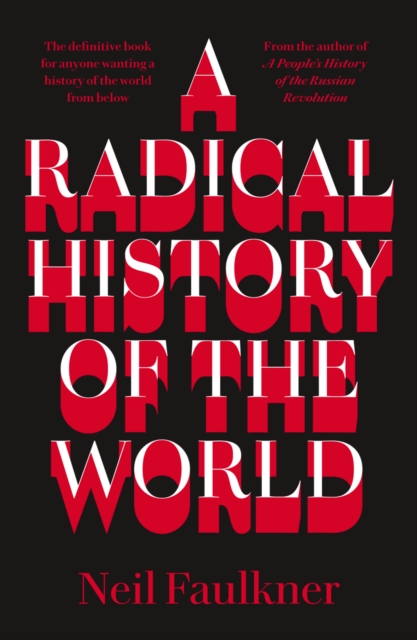
Histories of the Russian Revolution often present the Bolshevik seizure of power in 1917 as the central event, neglecting the diverse struggles of urban and rural revolutionaries across the heartlands of the Russian Empire.
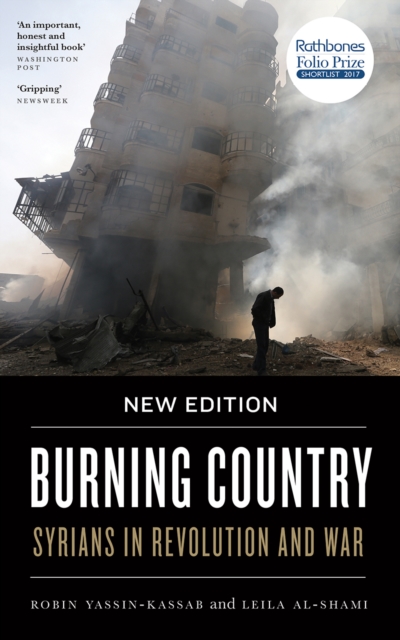
Syria has been at the centre of world news since 2011, following the beginnings of a popular uprising in the country and its subsequent violent repression.
On the 25th April 1974, a coup destroyed the ranks of Portugal’s fascist Estado Novo government as the Portuguese people flooded the streets of Lisbon, placing red carnations in the barrels of guns and demanding a ‘land for those who work in it’.
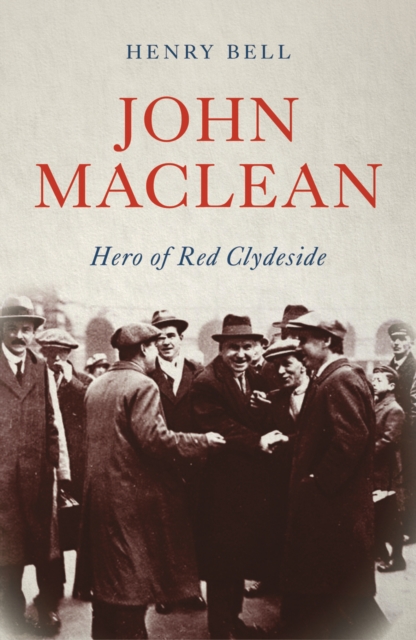
'I am not here, then, as the accused; I am here as the accuser of capitalism dripping with blood from head to foot' - John Maclean, Speech from the Dock, 1918.
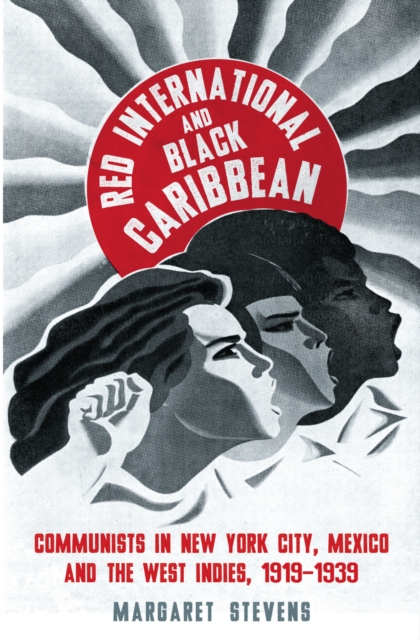
*Selected as one of openDemocracy's Best Political Books of 2017*This is the history of the black radicals who organised as Communists between the two imperialist wars of the twentieth century.
'In overthrowing me, you have done no more than cut down the trunk of the tree of liberty - it will spring back from the roots, for they are numerous and deep.
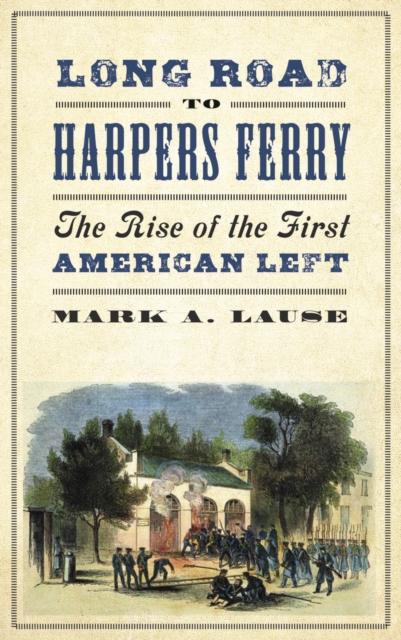
This is the first comprehensive history of pre-Civil War American radicalism, mapping the journeys of the land reformers, Jacksonian radicals and militant abolitionists on the long road to the failed slave revolt of Harpers Ferry in 1859.
*Shortlisted for the Rathbones Folio Prize 2017*In 2011, many Syrians took to the streets of Damascus to demand the overthrow of the government of Bashar al-Assad.
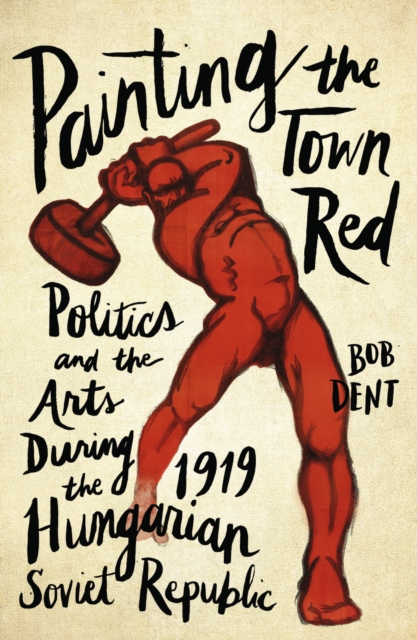
The intensely political cultural production that erupted during Hungary's short-lived Soviet Republic of 1919 encompassed music, art, literature, film and theatre.
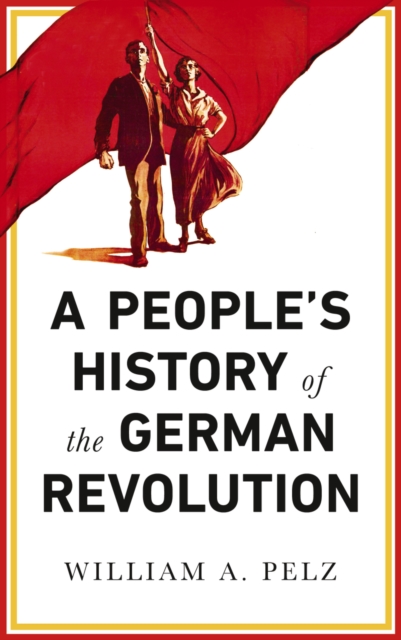
In October 1918, war-weary German sailors mutinied when the Imperial Naval Command ordered their engagement in one final, fruitless battle with the British Royal Navy.
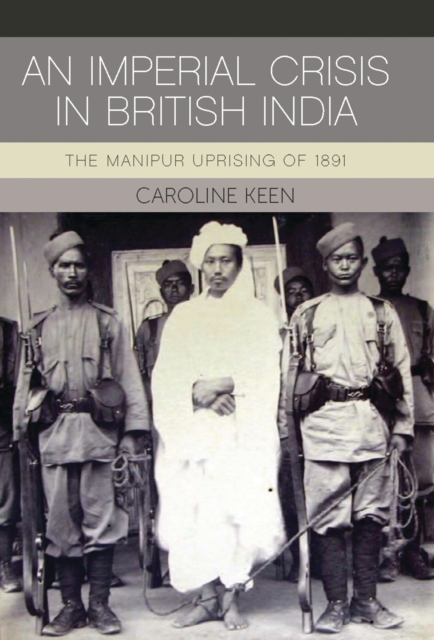
In 1891 a major anti-British revolt erupted in the northeast Indian princely state of Manipur after a dangerously miscalculated attempt by the Government of India to assert its authority in the wake of a palace coup.
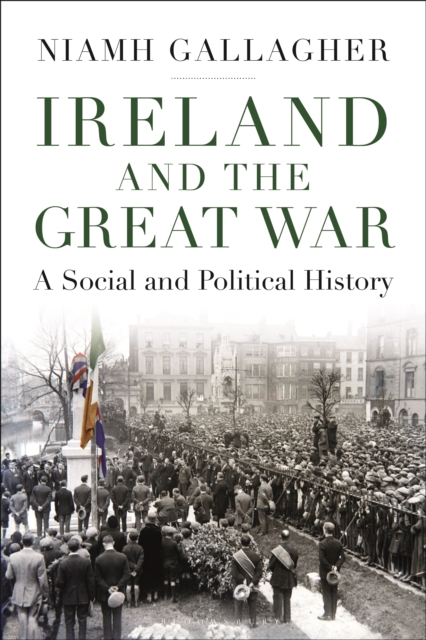
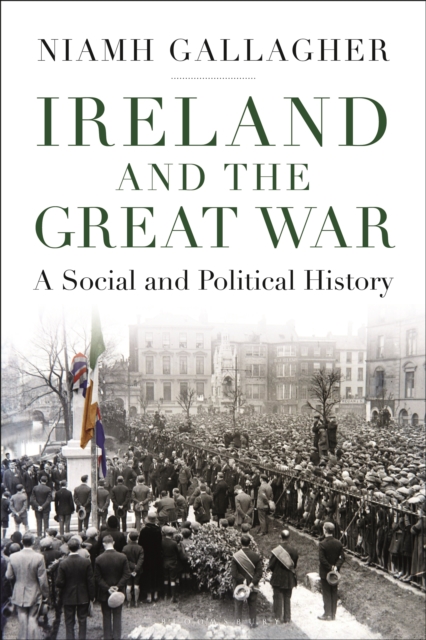
Winner of the Whitfield Book Prize 2020On 4 August 1914 following the outbreak of European hostilities, large sections of Irish Protestants and Catholics rallied to support the British and Allied war efforts.
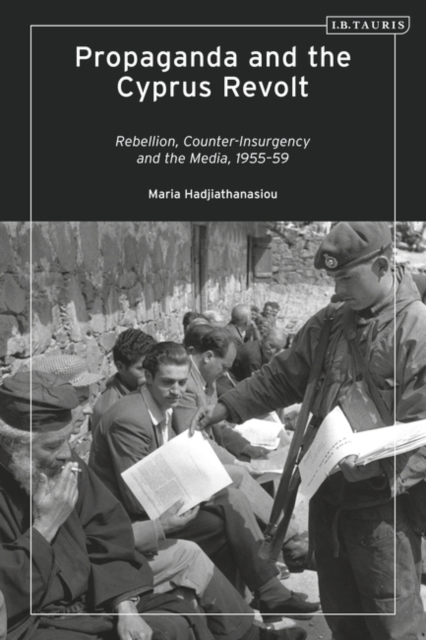
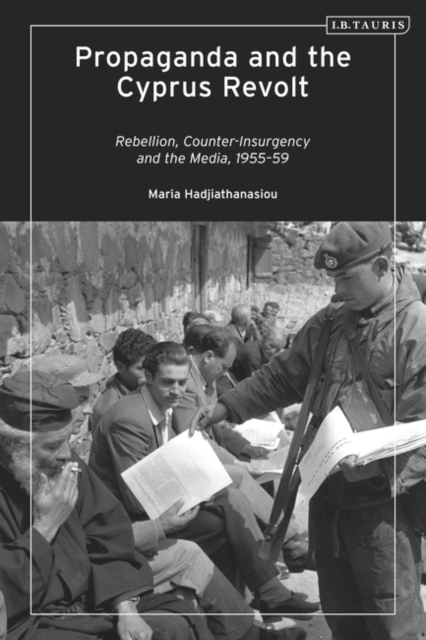
During the EOKA period of Greek Cypriot revolt against British colonial rule, the Greek Cypriots and the British deployed propaganda as a means of swaying allegiances, both within Cyprus and on the international scene.
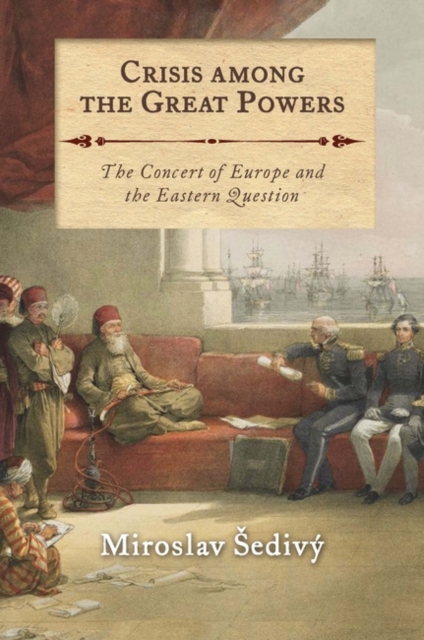
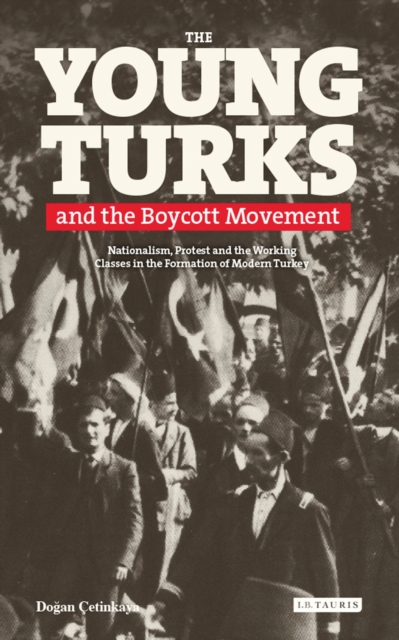
In 1840, conflict within the Ottoman Empire gave rise to a serious all-European crisis which led to a diplomatic rupture between France and other Great Powers.
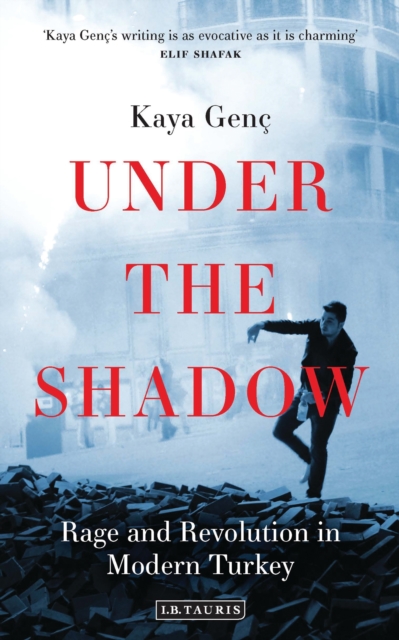
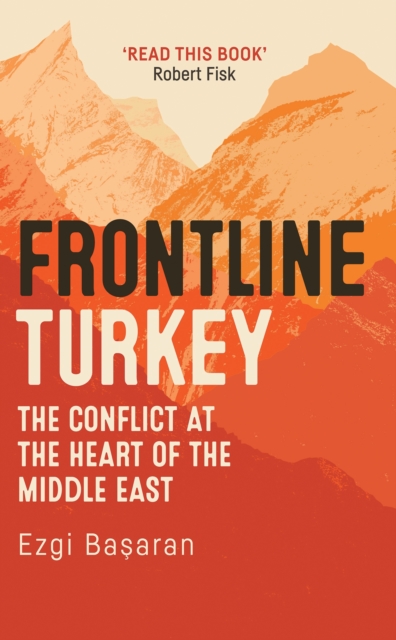
Turkey stands at the crossroads of the Middle East--caught between the West and ISIS, Syria and Russia, and governed by an increasingly forceful leader.
Winner of the Whitfield Book Prize 2020On 4 August 1914 following the outbreak of European hostilities, large sections of Irish Protestants and Catholics rallied to support the British and Allied war efforts.
During the EOKA period of Greek Cypriot revolt against British colonial rule, the Greek Cypriots and the British deployed propaganda as a means of swaying allegiances, both within Cyprus and on the international scene.
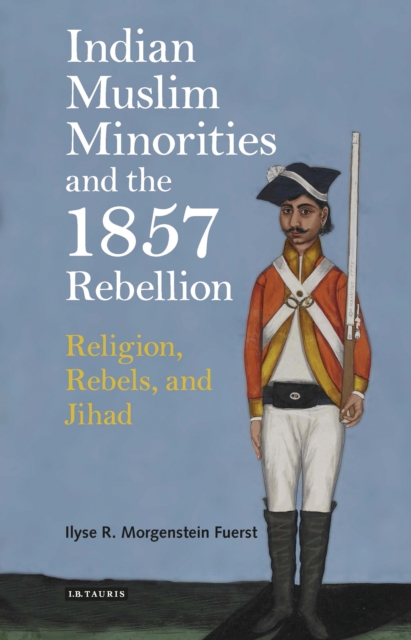
While jihad has been the subject of countless studies in the wake of recent terrorist attacks, scholarship on the topic has so far paid little attention to South Asian Islam and, more specifically, its place in South Asian history.
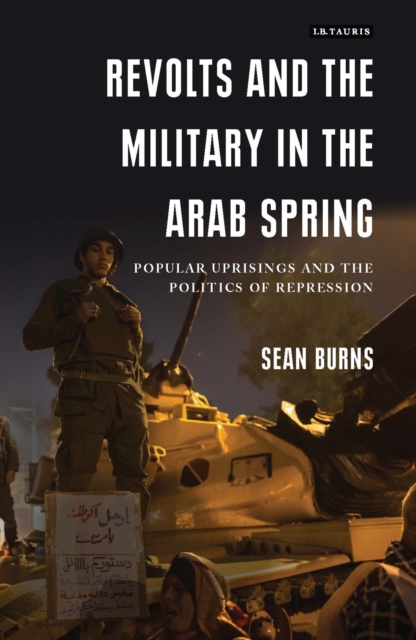
Through detailed exploration of events in Tunisia, Egypt, Bahrain, Libya, Syria and Yemen, Sean Burns here breaks down the concept of professionalism within the armed forces into its component parts and demonstrates how variation in military structures determines their behaviour.
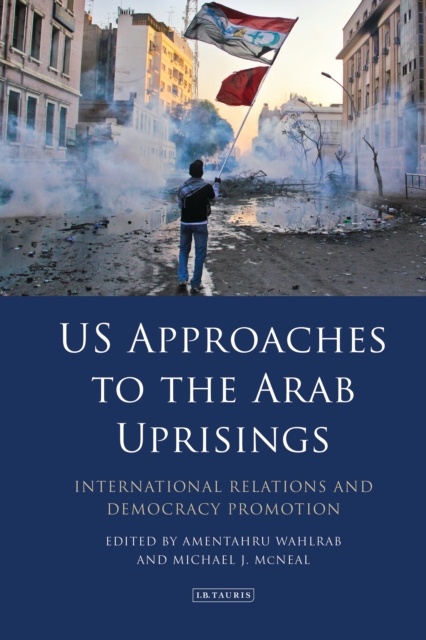
From nonviolent protests in Cairo and Manama to the ousting of Libya's Gaddafi and the beginning of the Syrian Civil War, the series of uprisings which swept through the Middle East and North Africa from late 2010 have been burdened with the collective hopes and expectations of the world.