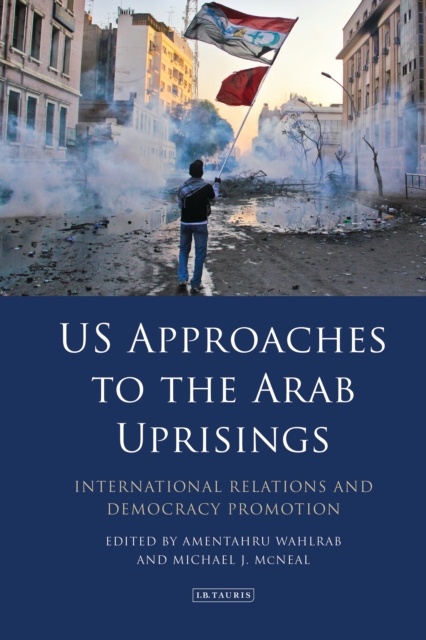
From nonviolent protests in Cairo and Manama to the ousting of Libya's Gaddafi and the beginning of the Syrian Civil War, the series of uprisings which swept through the Middle East and North Africa from late 2010 have been burdened with the collective hopes and expectations of the world.
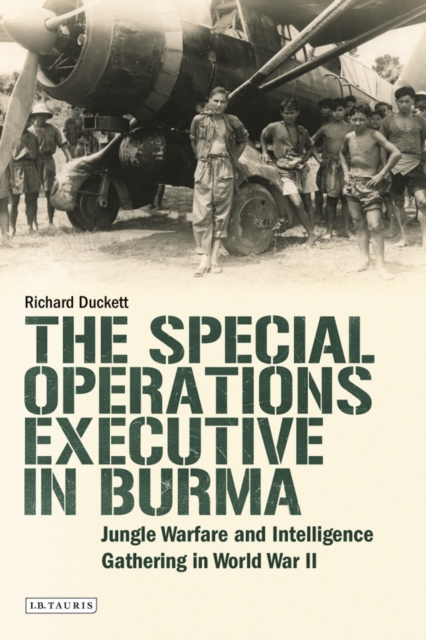
In the mountains and jungles of occupied Burma during World War II, British special forces launched a series of secret operations, assisted by parts of the Burmese population.
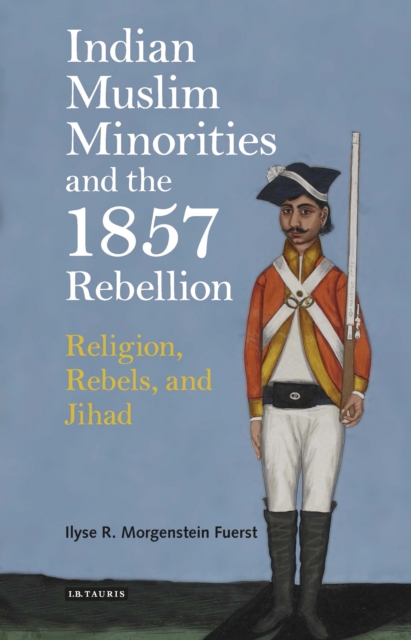
While jihad has been the subject of countless studies in the wake of recent terrorist attacks, scholarship on the topic has so far paid little attention to South Asian Islam and, more specifically, its place in South Asian history.
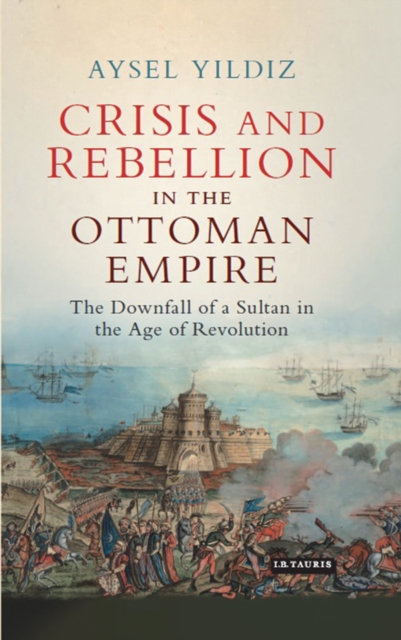
In 1840, conflict within the Ottoman Empire gave rise to a serious all-European crisis which led to a diplomatic rupture between France and other Great Powers.
Turkey stands at the crossroads of the Middle East--caught between the West and ISIS, Syria and Russia, and governed by an increasingly forceful leader.
Once called 'the wellspring of the revolution' by Fidel Castro, Jose Marti (1853-1895) is revered as one of the greatest figures in the history of Cuba.
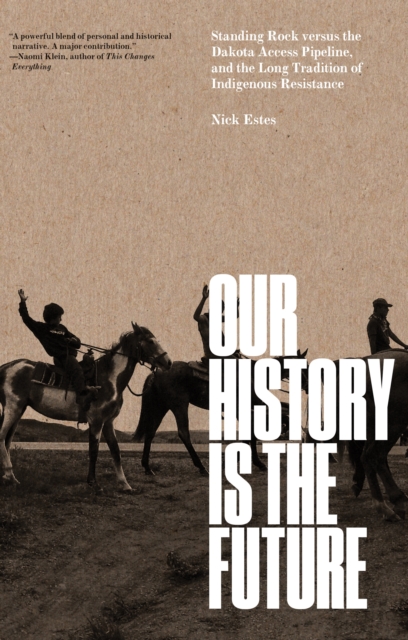
In 2016, a small protest encampment at the Standing Rock reservation in North Dakota, initially established to block construction of the Dakota Access oil pipeline, grew to be the largest Indigenous protest movement in the twenty-first century, attracting tens of thousands of Indigenous and non-Native allies from around the world.
This book examines key cases of terrorist violence to show that the invention of terrorism was linked to the birth of modernity in Europe, Russia and the United States, rather than to Tsarist despotism in 19th century Russia or to Islam sects in Medieval Persia.
Among the most influential political and social forces of the twentieth century, modern communism rests firmly on philosophical, political, and economic underpinnings developed by Vladimir Ilyich Ulyanov, later known as Lenin.
Louis-Auguste Blanqui (1805-1881) was one of the most important and controversial figures in nineteenth-century French revolutionary politics, and he played a major role in all of the great upheavals that punctuated his life - the insurrections of 1830, 1848 and 1870-71.
Among the most influential political and social forces of the twentieth century, modern communism rests firmly on philosophical, political, and economic underpinnings developed by Vladimir Ilyich Ulyanov, later known as Lenin.
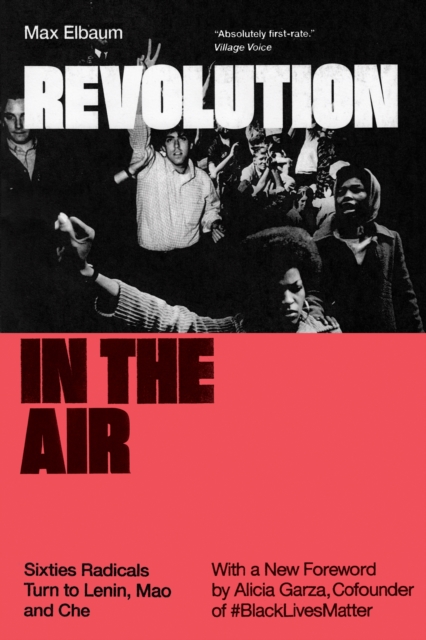
Revolution in the Air is the definitive study of how radicals from the sixties movements embraced twentieth-century Marxism, and what movements of dissent today can learn from the legacies of Lenin, Mao and Che.
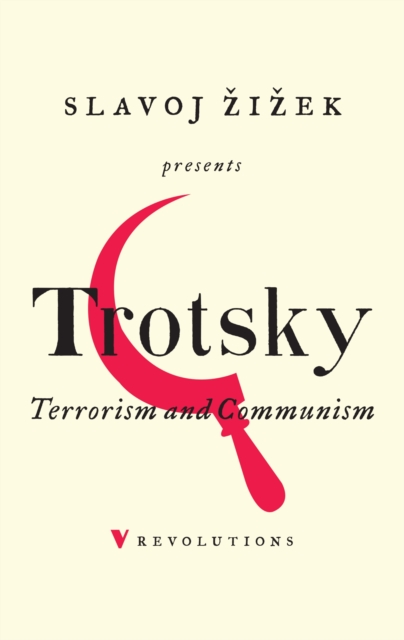
Written in the white heat of revolutionary Russia's Civil War, Trotsky's Terrorism and Communism is one of the most potent defenses of revolutionary dictatorship.
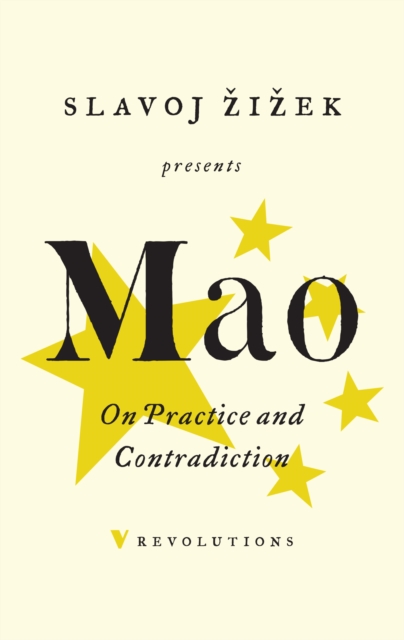
These early philosophical writings underpinned the Chinese revolutions, and their clarion calls to insurrection remain some of the most stirring of all time.
Robespierre's defense of the French Revolution remains one of the most powerful and unnerving justifications for political violence ever written, and has extraordinary resonance in a world obsessed with terrorism and appalled by the language of its proponents.
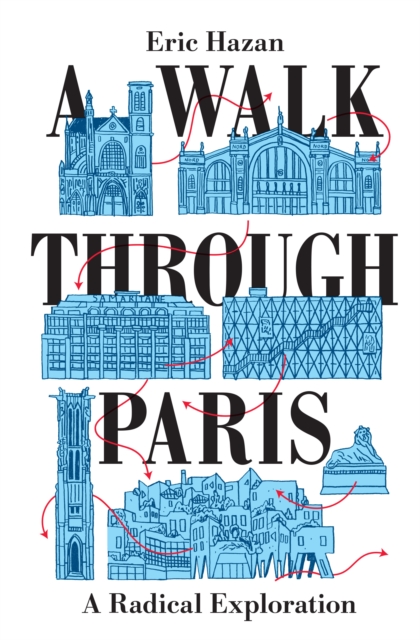
Eric Hazan, author of the acclaimed The Invention of Paris, leads us by the hand in this walk from Ivry to Saint-Denis, passing such familiar landmarks as the Luxembourg Gardens, the Pompidou Centre, the Gare du Nord and Montmartre, as well as little-known alleyways and arcades.
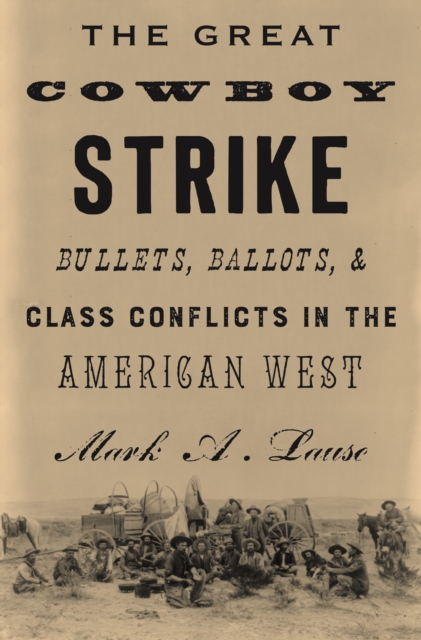
Although later made an icon of "e;rugged individualism,"e; the American cowboy was a grossly exploited and underpaid seasonal worker, who waged a series of militant strikes in the generally isolated and neglected corners of the Old West.
The basic discoveries underlying Marx's critique of political economy - labour power, surplus value, use value - are all in some way built upon the concept of need.
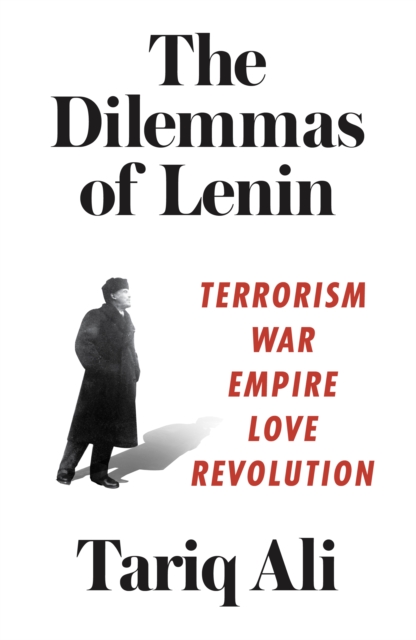
Commissioned by Oliver Stone in 2015 to commemorate the Russian Revolution, Tariq Ali's captivating screenplay of the life and times of Vladimir Lenin puts flesh on the bones of the historical record and gets its pulse racing.
Bringing together over forty established and emerging scholars, this landmark volume is the first to comprehensively examine the evolution and current practice of social movement studies in a specifically European context.
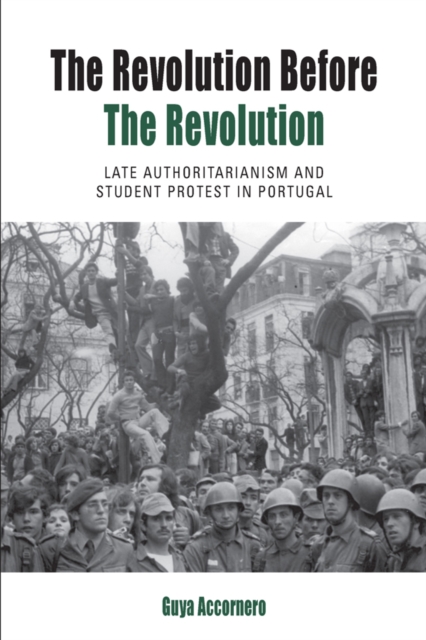
Histories of Portugal s transition to democracy have long focused on the 1974 military coup that toppled the authoritarian Estado Novo regime and set in motion the divestment of the nation s colonial holdings.
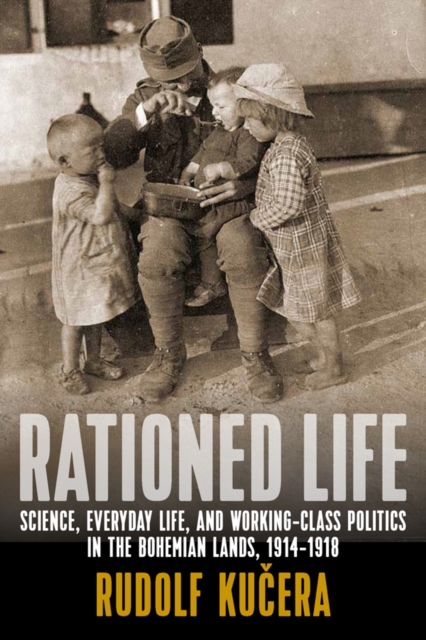
Far from the battlefront, hundreds of thousands of workers toiled in Bohemian factories over the course of World War I, and their lives were inescapably shaped by the conflict.
Protest is a ubiquitous and richly varied social phenomenon, one that finds expression not only in modern social movements and political organizations but also in grassroots initiatives, individual action, and creative works.
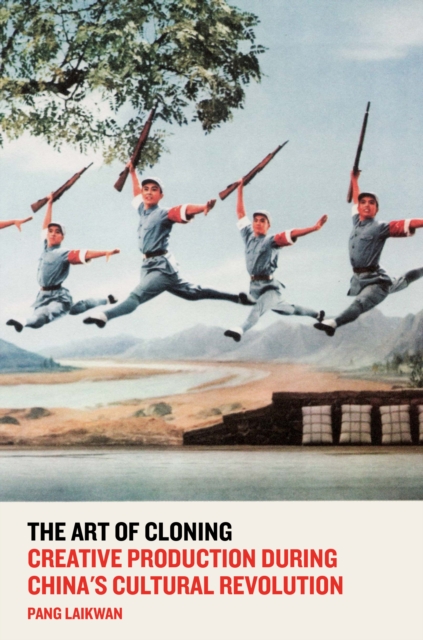
In the 1950s, a French journalist joked that the Chinese were "e;blue ants under the red flag,"e; dressing identically and even moving in concert like robots.
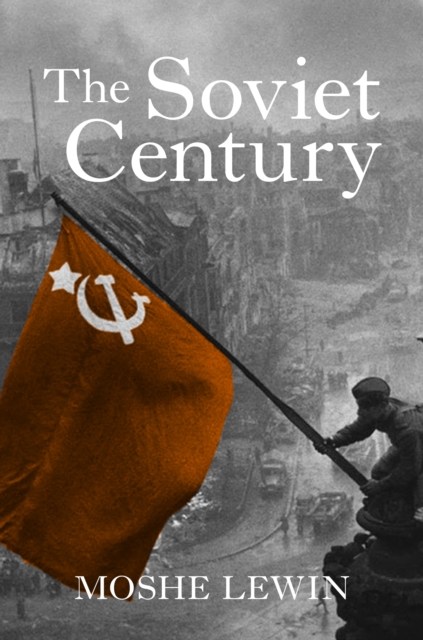
Reflecting on the fate of the Russian Revolution one hundred years after October, Ronald Grigor Suny-one of the world's leading historians of the period-explores the historiographical controversies over 1917, Stalinism, and the end of "e;Communism"e; and provides an assessment of the achievements, costs, losses and legacies of the choices made by Soviet leaders.
One hundred years after the Russian Revolution the Soviet Union remains the most extraordinary, yet tragic, attempt to create a society beyond capitalism.