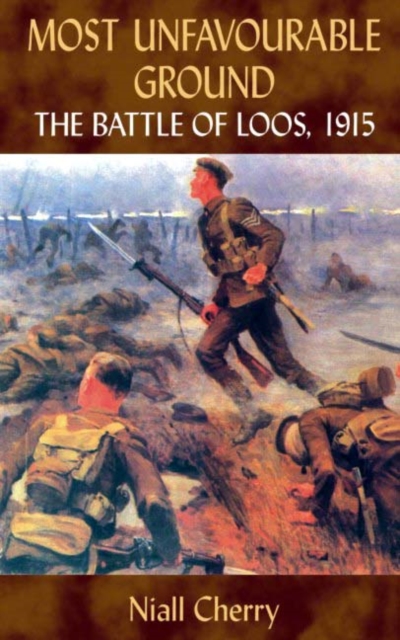
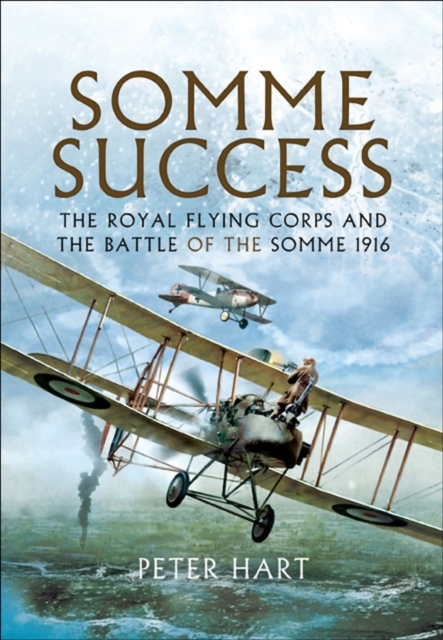
The year of 1914 had been a difficult one for the British Expeditionary Force, the war that had started in August had not been over by the expected time of Christmas.
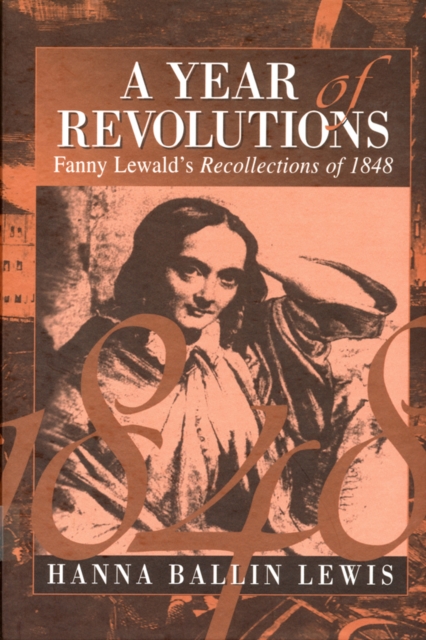
Lewald (1811-1889), the best-selling German woman writer in the nineteenth century, proved akeen and perceptive observer of the social, artistic, and political life of her times, of which these Recollections offer an excellent example.
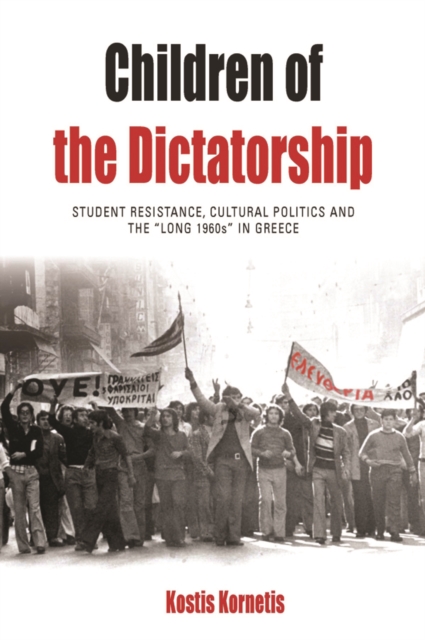
Putting Greece back on the cultural and political map of the Long 1960s, this book traces the dissent and activism of anti-regime students during the dictatorship of the Colonels (1967-74).
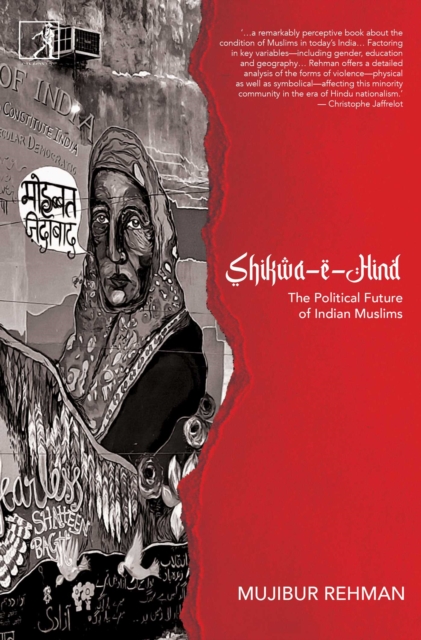
In the annals of India's history, a monumental uprising unfolded in 2020, echoing the resilience and coming together of large sections of its agrarian base.
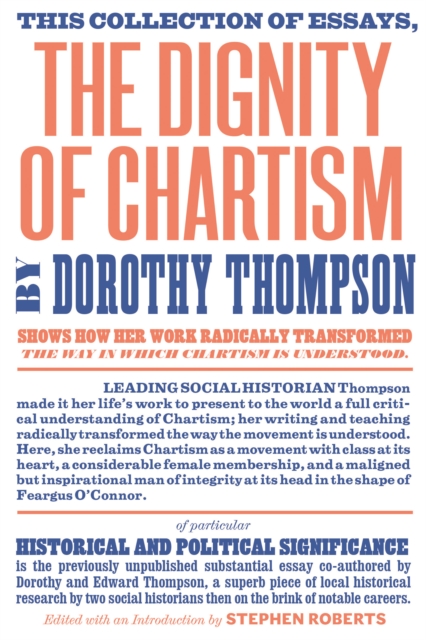
This is the first collection of essays on Chartism by leading social historian Dorothy Thompson, whose work radically transformed the way in which Chartism is understood.
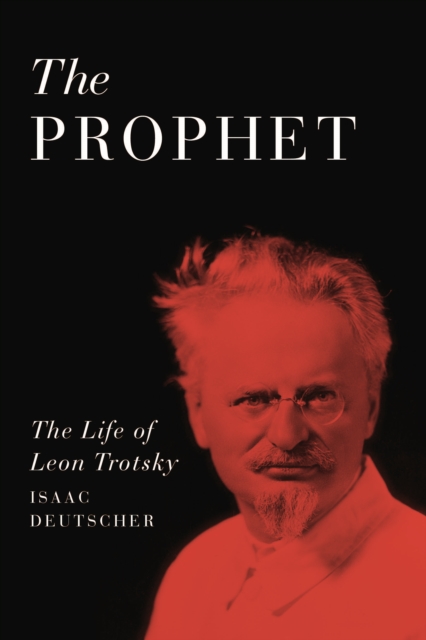
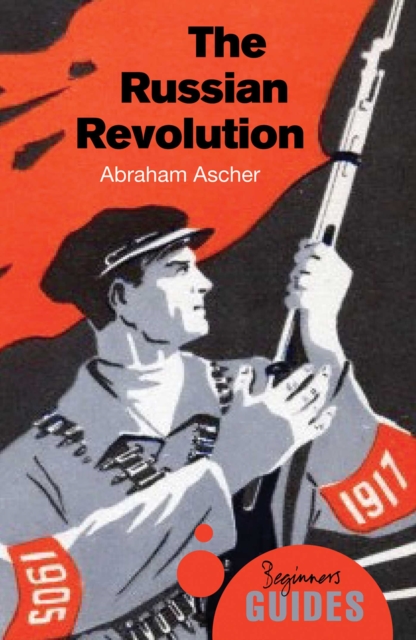
Few political figures of the twentieth century have aroused such intensities of fierce admiration and reactionary fear as Russian revolutionary Leon Trotsky.
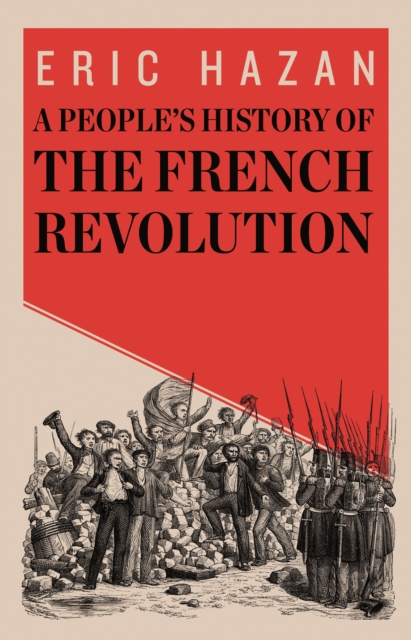
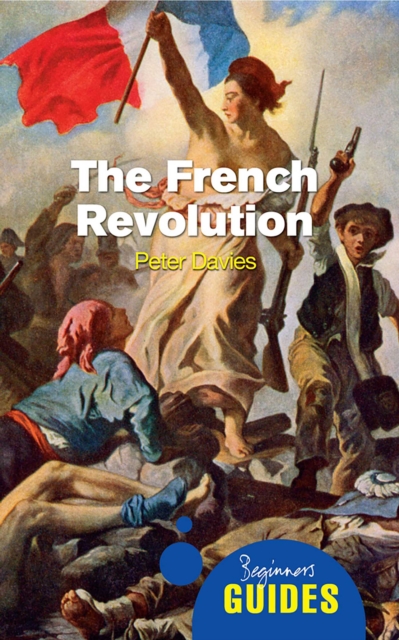
The assault on the Bastille, the Reign of Terror, Danton mocking his executioner, Robespierre dispensing a fearful justice, and the archetypal gadfly Marat - the events and figures of the French Revolution have exercised a hold on the historical imagination for more than 200 years.
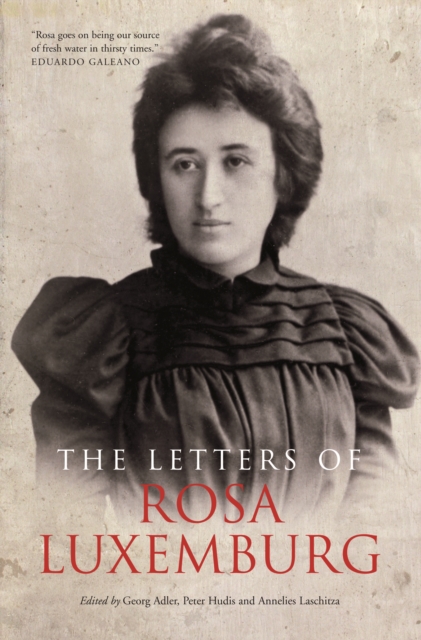
The most comprehensive collection of letters by Rosa Luxemburg ever published in English, this book includes 190 letters written to leading figures in the European and international labor and socialist movements-Leo Jogiches, Karl Kautsky, Clara Zetkin and Karl Liebknecht-who were among her closest friends, lovers and colleagues.
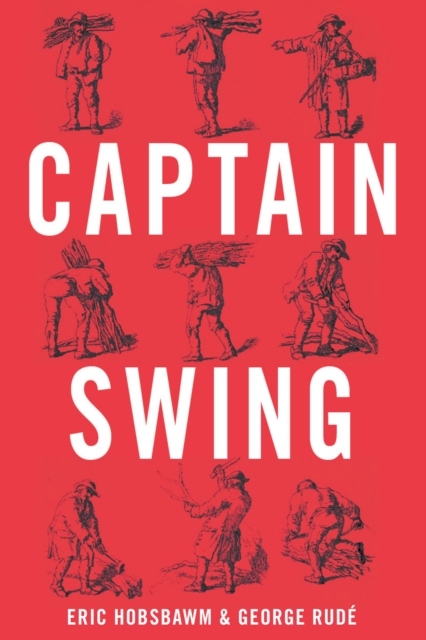
Sir Your name is down amongst the Black hearts in the Black Book and this is to advise you and the like of you, who are Parson Justasses, to make your wills Ye have been the Blackguard Enemies of the People on all occasions, Ye have not yet done as ye ought - SwingIn our increasingly mechanized age, the Swing revolts are a timely record of the relationship between technological advance, labour and poverty.
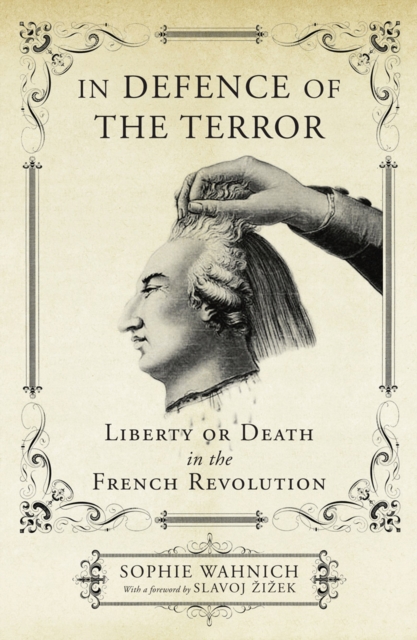
For two hundred years after the French Revolution, the Republican tradition celebrated the execution of princes and aristocrats, defending the Terror that the Revolution inflicted upon on its enemies.
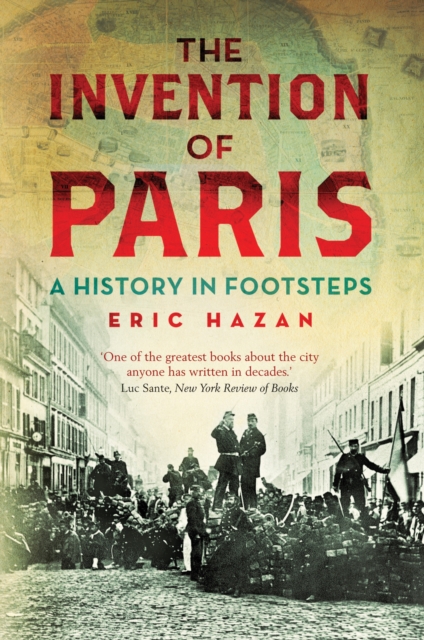
The Invention of Paris is a tour through the streets and history of the French capital under the guidance of radical Parisian author and publisher Eric Hazan.
Handy introduction to one of the most significant and studied events in world historyBlending narrative with analysis, Peter Davies explores a time of obscene opulence, mass starvation, and ground-breaking ideals; where the streets of Paris ran red with blood, and the numbers requiring execution precipitated the invention of the guillotine.
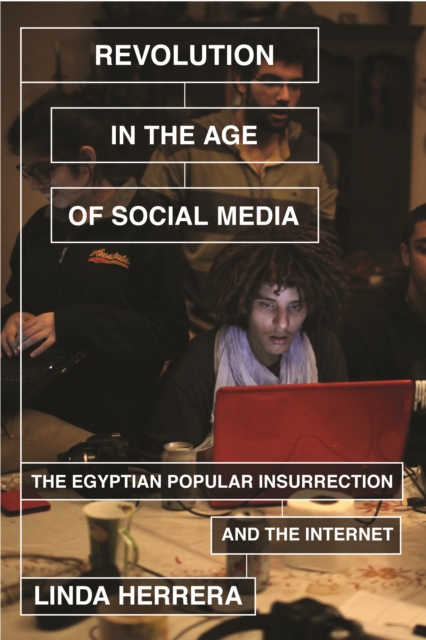
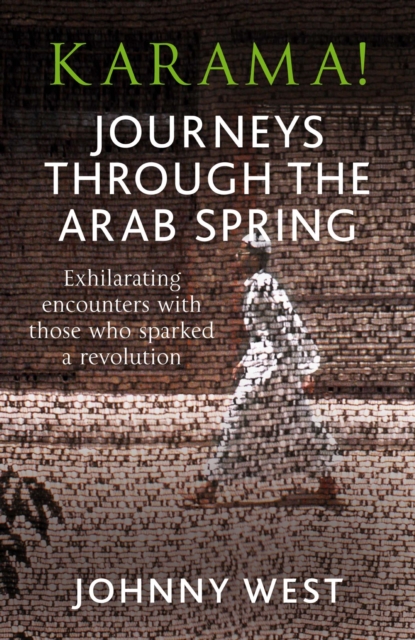
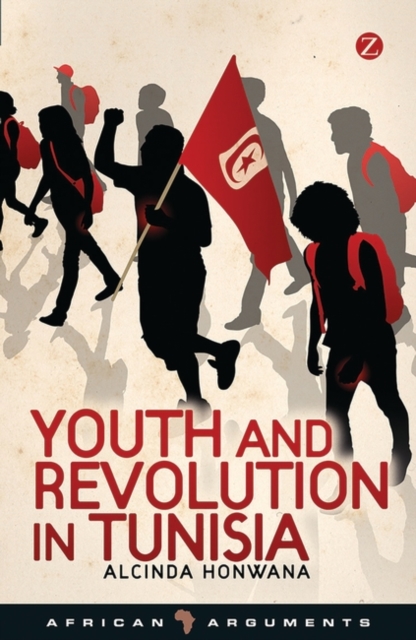
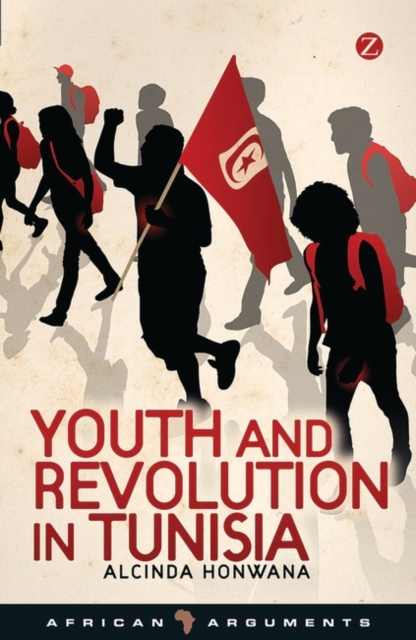
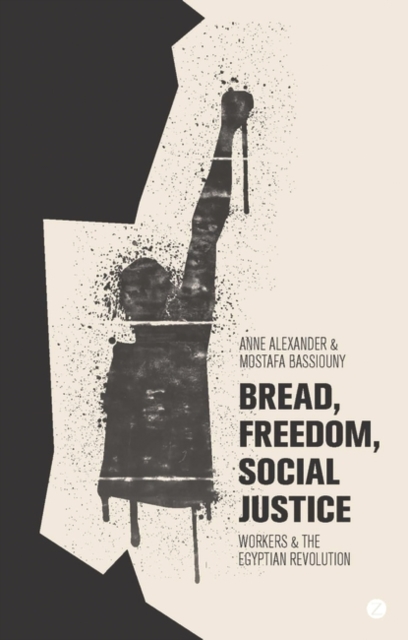
The uprising in Tunisia has come to be seen as the first true revolution of the twenty-first century, one that kick-started the series of upheavals across the region now known as the Arab Spring.
The uprising in Tunisia has come to be seen as the first true revolution of the twenty-first century, one that kick-started the series of upheavals across the region now known as the Arab Spring.
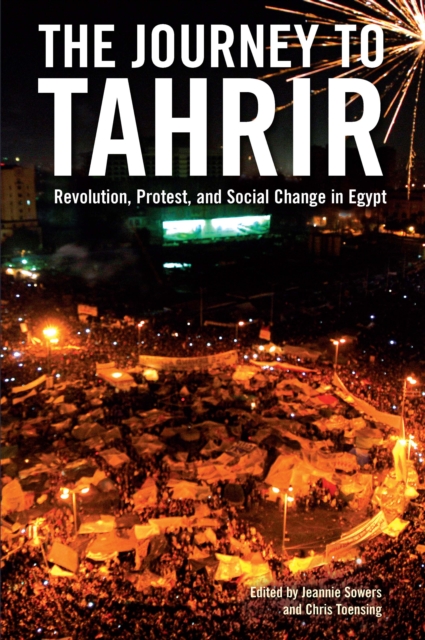
From Tahrir Square to Occupy, from the Red Shirts in Thailand to the Teachers in Oaxaca, protest camps are a highly visible feature of social movements' activism across the world.
From Tahrir Square to Occupy, from the Red Shirts in Thailand to the Teachers in Oaxaca, protest camps are a highly visible feature of social movements' activism across the world.
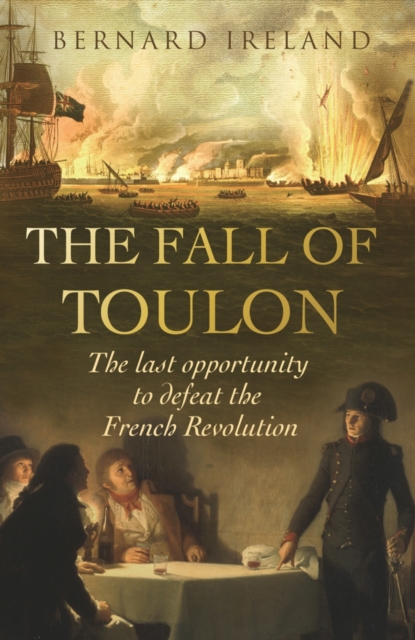
The tragic story of the last Royalist attempt to overthrow the French revolutionIn the summer of 1793 French Royalists surrendered the great naval base at Toulon to the British, intending this to be the springboard for a full-scale counter-revolution.
Revolution and Civil War in North Russia shines a much-needed light on the establishment and consolidation of Bolshevik power on the civil war periphery and examines the Allied/anti-Bolshevik military and home fronts from a previously uncharted perspective.
"e;An unforgettable portrait of a woman who became one of the most notorious figures of her day and whose scandalous story sheds fascinating light not only on her own tumultuous time but ours as well.