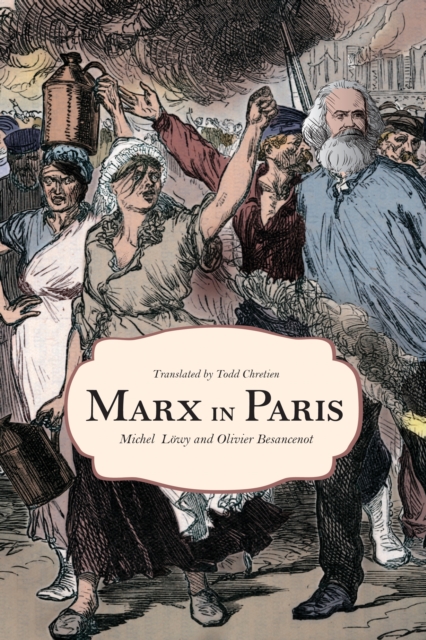
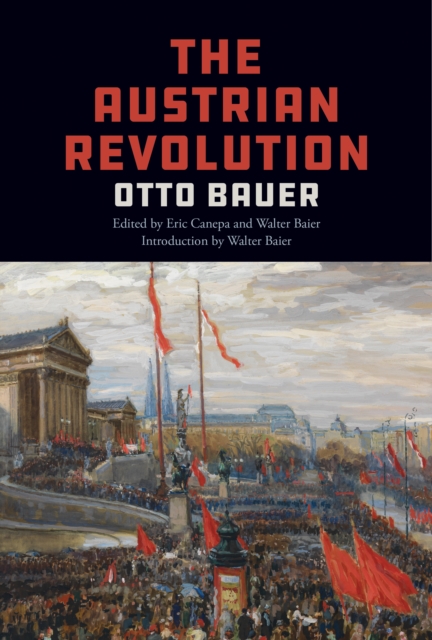
In celebration of the 150th anniversary of the Paris Commune, leftist writers Olivier Besancenot and Michael Lowy offer a deeply informed, and eminently enjoyable, imagined history of what might have been if Karl Marx and his eldest daughter, Jenny, had travelled to Paris during the heady weeks of April 1871.
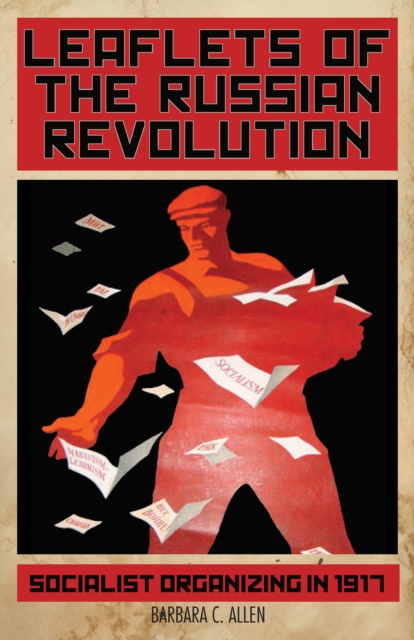
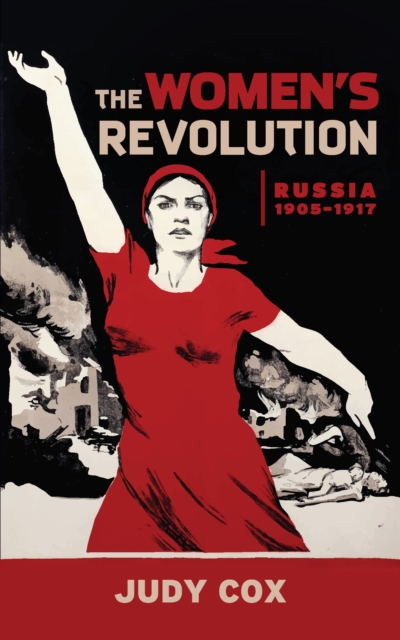
When workers and peasants rose up across Russia and smashed the centuries old Tsarist autocracy their actions reverberated across the world, and continue to inspire activists to this day.
This is the story of the decline and fall of an empire, a region devastated by war, and a world stage fundamentally transformed by the Russian Revolution.
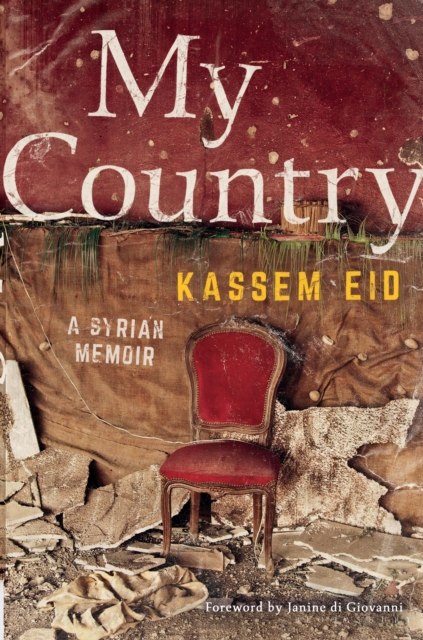
Kassem Eid survived arrest in al-Assad's regime, a chemical weapons attack that shocked the world, and the siege of a city where he fought with the Syrian rebel army.
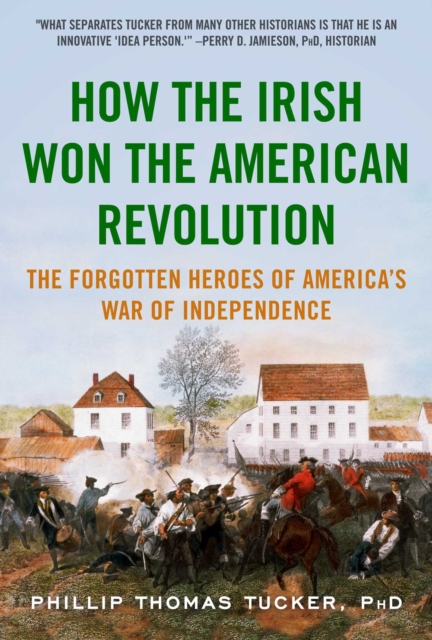
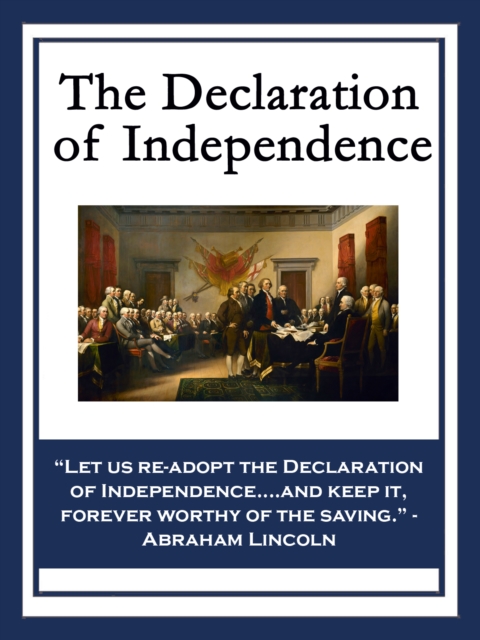
When the Continental Congress decided to declare independence from the British empire in 1776, ten percent of the population of their fledgling country were from Ireland.
The drama of John Adams and Thomas Jefferson is the foundational story of Americacourage, loyalty, hope, fanaticism, greatness, failure, forgiveness, love.
Gibbon offers an explanation for why the Roman Empire fell, a task made difficult by a lack of comprehensive written sources, though he was not the only historian to tackle the subject.
The Articles of Confederation, formally the Articles of Confederation and Perpetual Union, was an agreement among the 13 founding states that established the United States of America as a confederation of sovereign states and served as its first constitution.
Reflections on the Revolution in France is a 1790 book by Edmund Burke, one of the best-known intellectual attacks against the (then-infant) French Revolution.
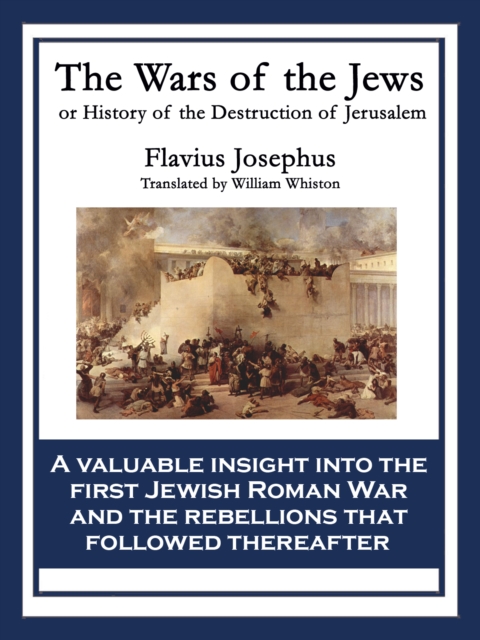
The family from which I am derived is not an ignoble one, but hath descended all along from the priests; and as nobility among several people is of a different origin, so with us to be of the sacerdotal dignity, is an indication of the splendor of a family.
I suppose that by my books of the Antiquity of the Jews, most excellent Epaphroditus, have made it evident to those who peruse them, that our Jewish nation is of very great antiquity, and had a distinct subsistence of its own originally; as also, I have therein declared how we came to inhabit this country wherein we now live.
Gibbon offers an explanation for why the Roman Empire fell, a task made difficult by a lack of comprehensive written sources, though he was not the only historian to tackle the subject.
Gibbon offers an explanation for why the Roman Empire fell, a task made difficult by a lack of comprehensive written sources, though he was not the only historian to tackle the subject.
Gibbon offers an explanation for why the Roman Empire fell, a task made difficult by a lack of comprehensive written sources, though he was not the only historian to tackle the subject.
Gibbon offers an explanation for why the Roman Empire fell, a task made difficult by a lack of comprehensive written sources, though he was not the only historian to tackle the subject.
Gibbon offers an explanation for why the Roman Empire fell, a task made difficult by a lack of comprehensive written sources, though he was not the only historian to tackle the subject.
Gibbon offers an explanation for why the Roman Empire fell, a task made difficult by a lack of comprehensive written sources, though he was not the only historian to tackle the subject.
The Confessions of Nat Turner: The Leader of the Late Insurrection in Southampton, Virginia, is a first-hand account of Turner's confessions published by a local lawyer, Thomas Ruffin Gray, in 1831
A brilliant account of the proud and ferocious American fighters who stood up to the British forces in savage battles crucial in deciding both the fate of the Carolina colonies and the outcome of the war.
The only comparative analysis available of the great navies of World War I, this work studies the Royal Navy of the United Kingdom, the German Kaiserliche Marine, the United States Navy, the French Marine Nationale, the Italian Regia Marina, the Austro-Hungarian Kaiserliche und Konigliche Kriegsmarine, and the Imperial Russian Navy to demonstrate why the war was won, not in the trenches, but upon the waves.
With a thrilling narrative that sheds much light on recent events, this national bestseller brings to life the 1953 CIA coup in Iran that ousted the countrys elected prime minister, ushered in a quarter-century of brutal rule under the Shah, and stimulated the rise of Islamic fundamentalism and anti-Americanism in the Middle East.
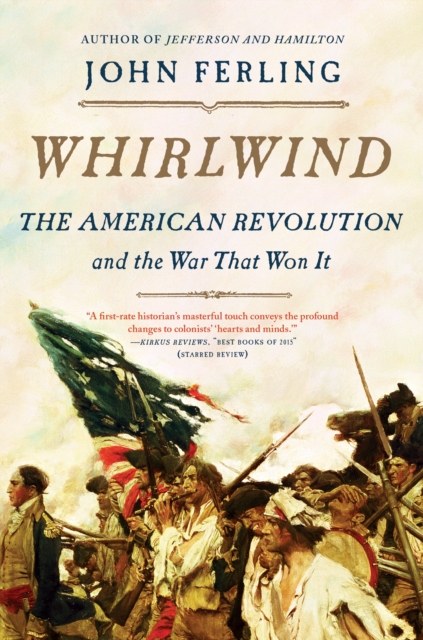
Amid a great collection of scholarship and narrative history on the Revolutionary War and the American struggle for independence, there is a gaping hole; one that John Ferling's latest book, Whirlwind, will fill.
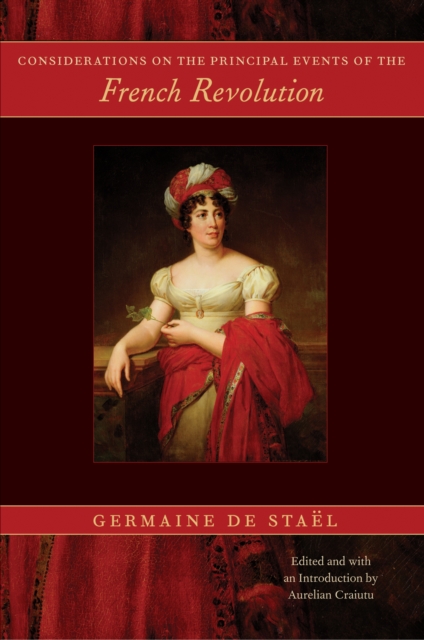
In his famous Reflections on the Revolution in France (1790), Edmund Burke excoriated French revolutionary leaders for recklessly destroying France's venerable institutions and way of life.
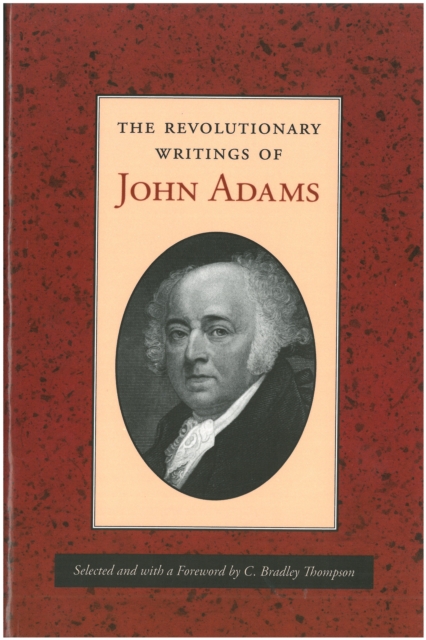
The Revolutionary Writings of John Adams presents the principal shorter writings in which Adams addresses the prospect of revolution and the form of government proper to the new United States.
Considerations on the Principal Events of the French Revolution was a winner in the Scholarly/Reference category at the Chicago Book Clinic's 2009 Book & Media Show.
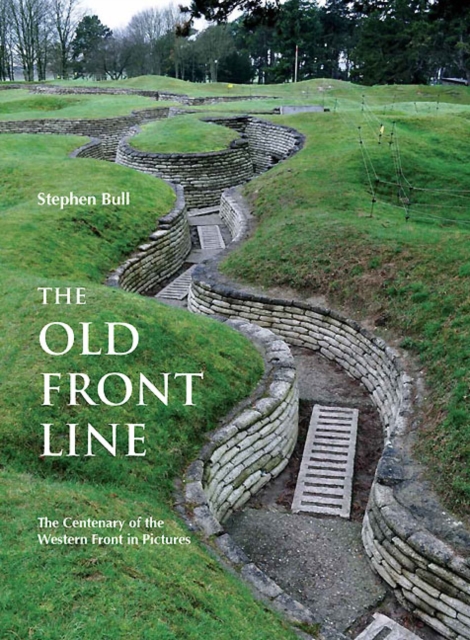
Now that the last veterans are gone, the First World War is now a completely historical subject—governed by archaeology and genealogy, battlefield tourism and military history.
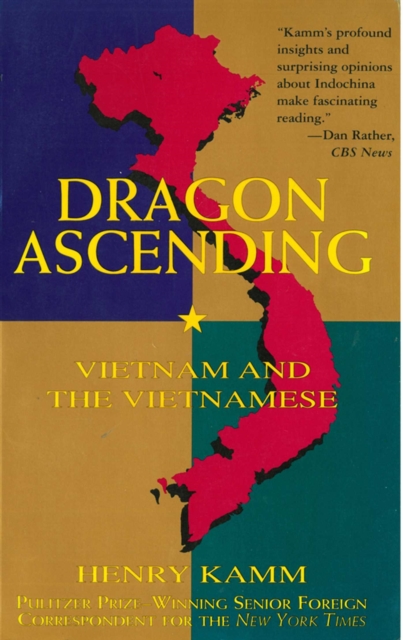
A firsthand report on contemporary Vietnam presents a portrait of a nation that is struggling under the hold of Communism and places the Vietnam war in the perspective of a four-thousand-year-old history.
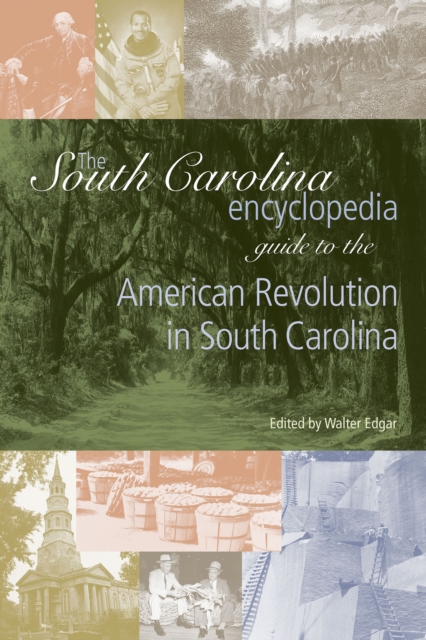
The South Carolina Encyclopedia Guide to the American Revolution in South Carolina details the people, places, and struggles that defined the region's prominent role in the path to American liberty from British authority.
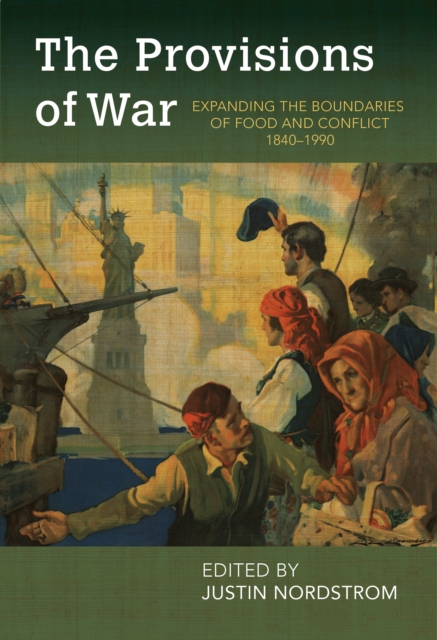
The Provisions of War examines how soldiers, civilians, communities, and institutions have used food and its absence as both a destructive weapon and a unifying force in establishing governmental control and cultural cohesion during times of conflict.
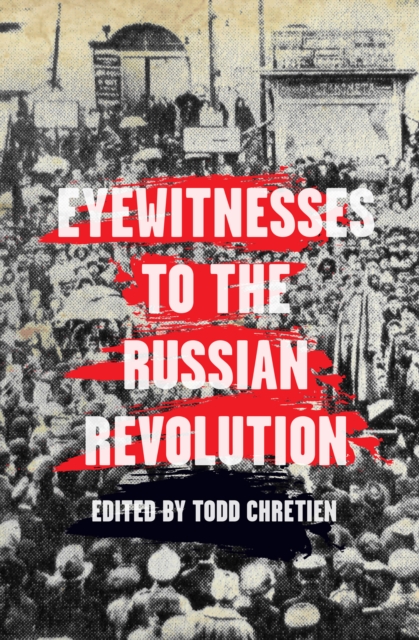
This comprehensive chronicle of the Russian Revolution is told through the eyewitness accounts of journalists, political leaders, and ordinary citizens.
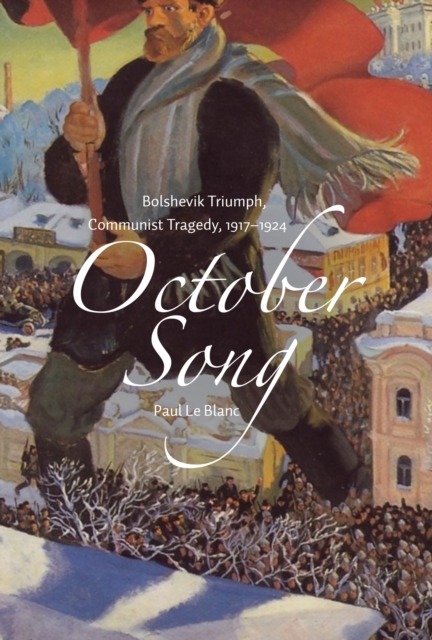
A panoramic account of the Russian Revolution of 1917 and its aftermath animated by the lives, ideas and experiences of workers, peasants, intellectuals, artists, and revolutionaries of diverse persuasions October Song vividly narrates the triumphs of those who struggled for a new society and created a revolutionary workers state.
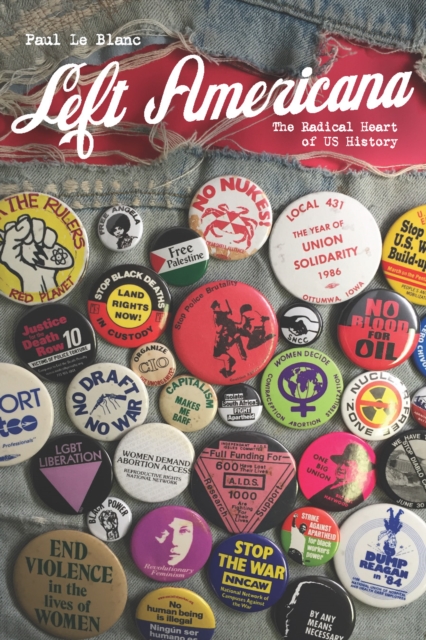
From the Marxist-tinged anarchism of the Haymarket martyrs to the Occupy Wall Street movement, these essays give a vibrant sense of the central role of the Left in social movements and struggles of the past and present, and highlights some of the amazing individuals, whose unstoppable energies generated remarkable transformations.
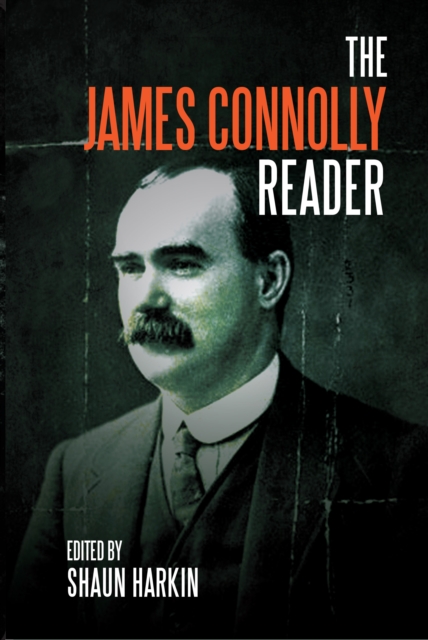
Considered by many Ireland's most important revolutionary, James Connolly devoted his life to struggles against exploitation, oppression, and imperialism.