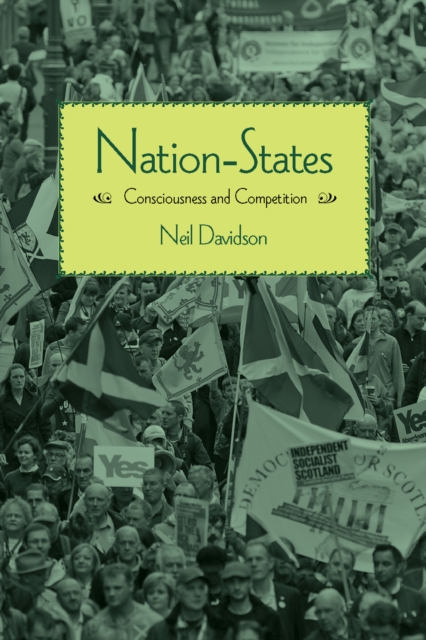
Davidson explores classic themes in historical materialism as he explains: the moments of transition from the dominance of one mode of production to another; the process of social revolution which accompany these transitions; and the problem of nationalism, both as a theoretical challenge to Marxism's capacity for historical explanation and as a practical obstacle to socialist consciousness.
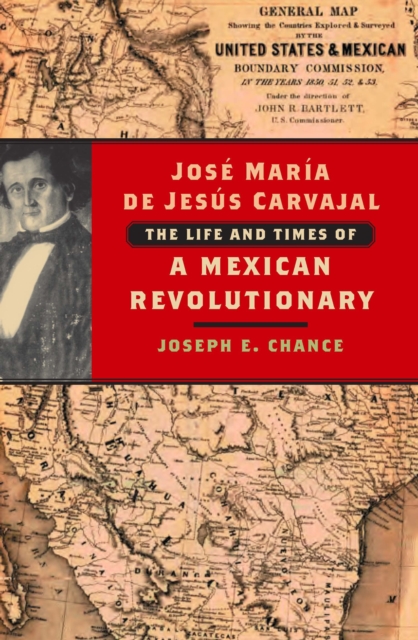
Jos Mara de Jess Carvajalis both a biography of a Mexican postrevolutionary and a study of the development of a new border between Mexico and the United States during the crucial decades of the early to midnineteenth century.
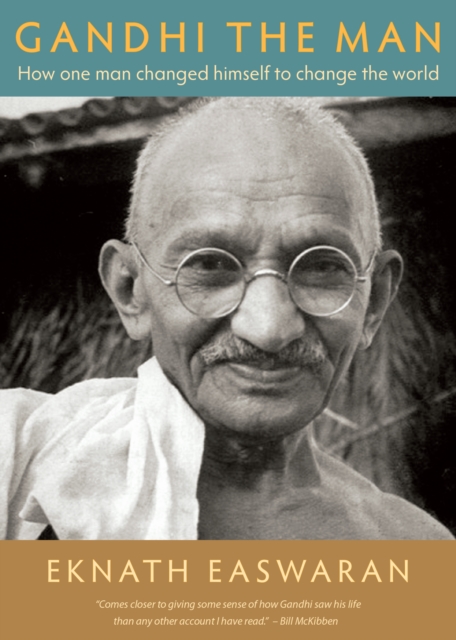
This is the story of Gandhis spiritual evolution the turning points and choices that made him not just a great political leader but also a timeless icon of nonviolence.
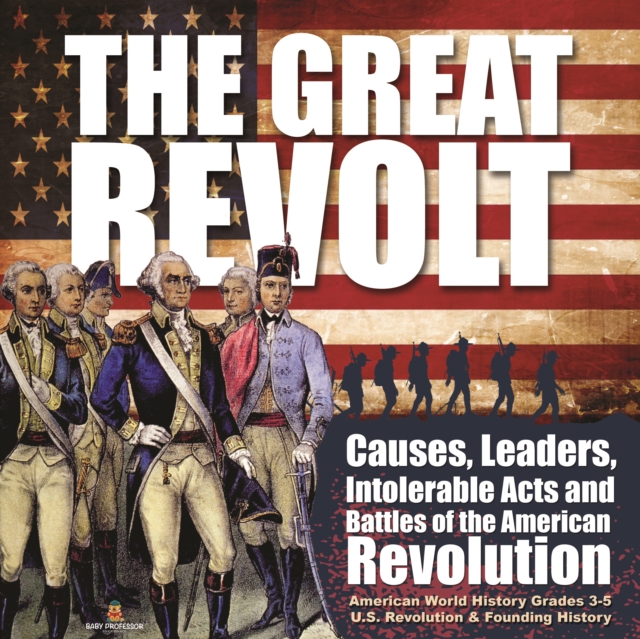
In this ebook, we're going to discuss some of the major milestones of the American Revolution namely the Treaty of Paris, the Stamp and Townshend Acts, the Continental Congress and finally, the Declaration of Independence.
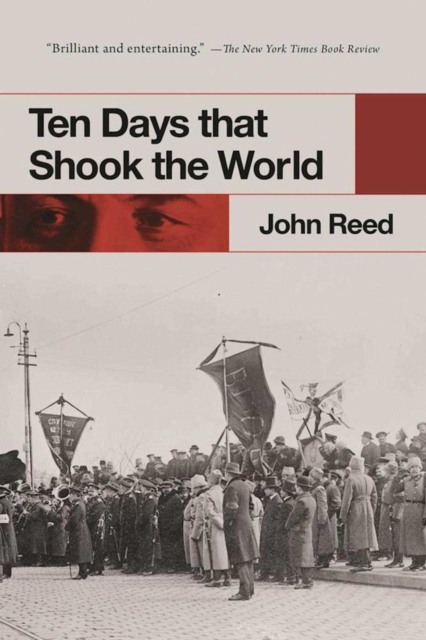
The ultimate meaning of the Russian Revolution which took place on March 7, 1917, can be best understood through the pages of the Journal of Leo Tolstoi which is here printed.
Written by one of the greatest anarchists of the late 19th and early 20th centuries, "e;The Great French Revolution - 1789-1793"e; is not to be missed by those with an interest in history and sociology.
Classic Books Library presents this brand new edition of "e;The Federalist Papers"e;, a collection of separate essays and articles compiled in 1788 by Alexander Hamilton.
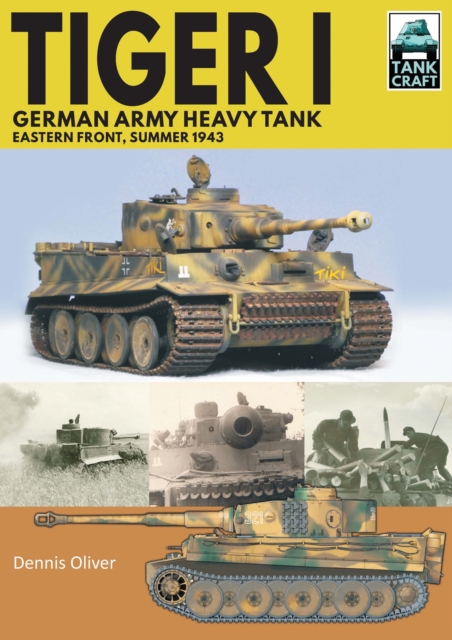
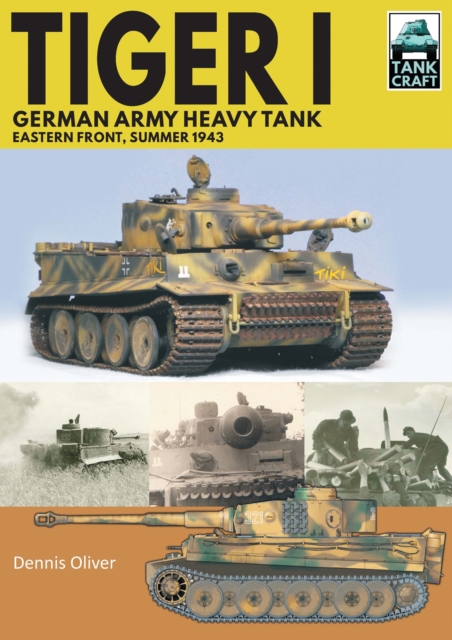
The Tiger I tank, probably the most famous German armoured vehicle of the Second World War, might have been a war-winning, break-through weapon if it had been produced in sufficient numbers and if it had been introduced earlier on the Eastern Front, before the balance of strength had tipped towards the Soviet Union.
The Tiger I tank, probably the most famous German armoured vehicle of the Second World War, might have been a war-winning, break-through weapon if it had been produced in sufficient numbers and if it had been introduced earlier on the Eastern Front, before the balance of strength had tipped towards the Soviet Union.
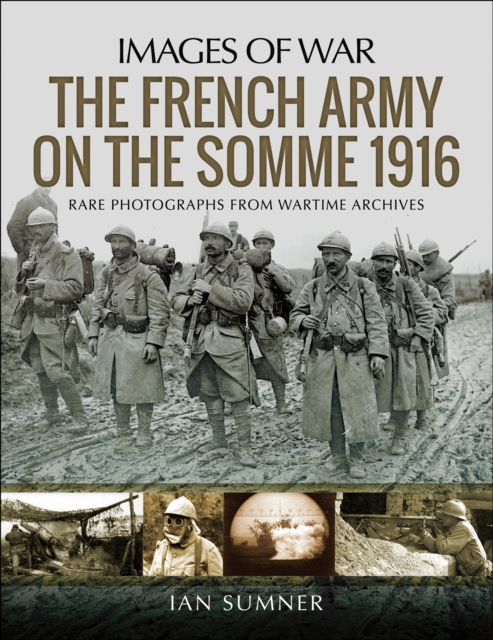
So much has been written about the 1916 Battle of the Somme that it might appear that every aspect of the four-month struggle has been described and analyzed in exhaustive detail.
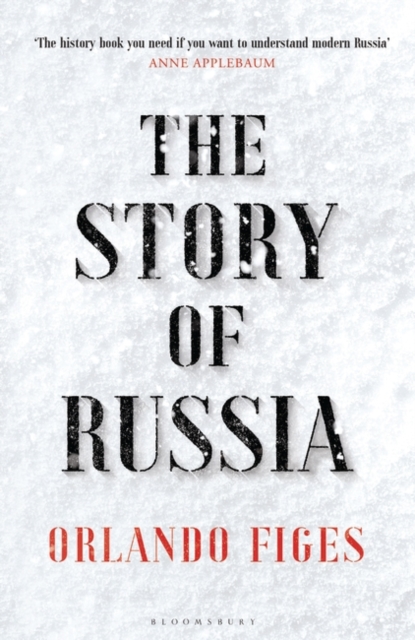
A 2022 BOOK OF THE YEAR FOR: Sunday Times * Irish Times * Spectator * Financial Times * Telegraph * Aspects of History'The history book you need if you want to understand modern Russia' ANNE APPLEBAUM'A magnificent, magisterial thousand year history of Russia .
Abby Adams is remembered for the many letters she wrote to her husband while he stayed in Philadelphia, Pennsylvania, during the Continental Congresses.
It's 1783 and wealthy Paul Deroulede has offended the young Vicomte de Marny by speaking disrespectfully of his latest infatuation, Adele de Montercheri.
Gibbon offers an explanation for why the Roman Empire fell, a task made difficult by a lack of comprehensive written sources, though he was not the only historian to tackle the subject.
Reflections on the Revolution in France is a 1790 book by Edmund Burke, one of the best-known intellectual attacks against the (then-infant) French Revolution.
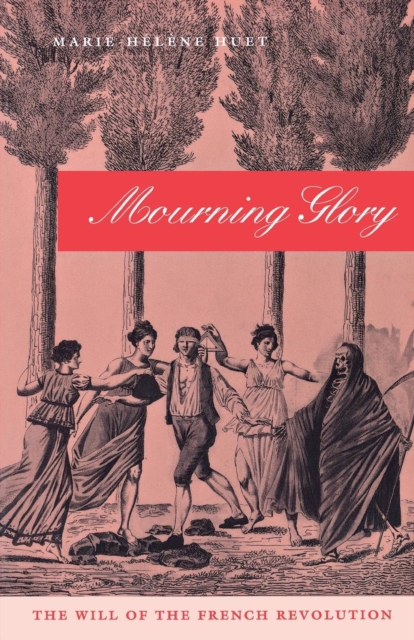
Mourning Glory sheds light on troubled times as it shows how passion and prejudice, grief and denial all contributed to the continuing creation of a revolutionary legacy that still affects our understanding of the nature of language and history.
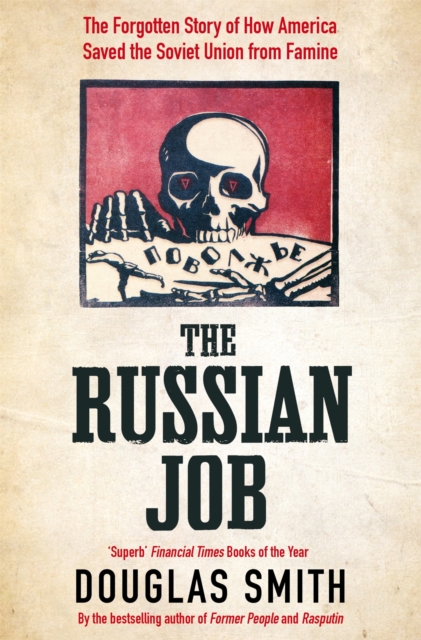
The gripping human story of how American volunteers fought famine in Bolshevik Russia, saving Lenin's revolutionary government from chaos and millions of people from starvation.
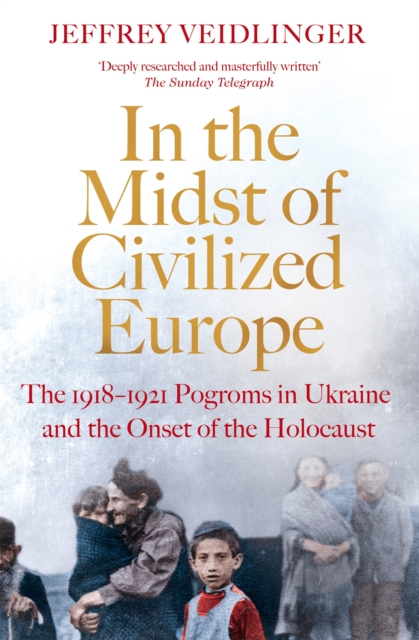
A Times Literary Supplement Book of the YearA riveting account of a forgotten holocaust: the slaughter of over one hundred thousand Ukrainian Jews in the aftermath of the Russian Revolution.