A perfect introduction to the world of Scottish dance written by the Royal Scottish Country Dance Society, including a short history of Scottish dancing.
From one of the most important chroniclers of our time, come two extended excerpts from her never-before-seen notebooks-writings that offer an illuminating glimpse into the mind and process of a legendary writer.
'A litany of fresh heroes to make the embattled heart sing' Caitlin Moran'Newman is a brilliant writer' ObserverA fresh, opinionated history of all the brilliant women you should have learned about in school but didn't.
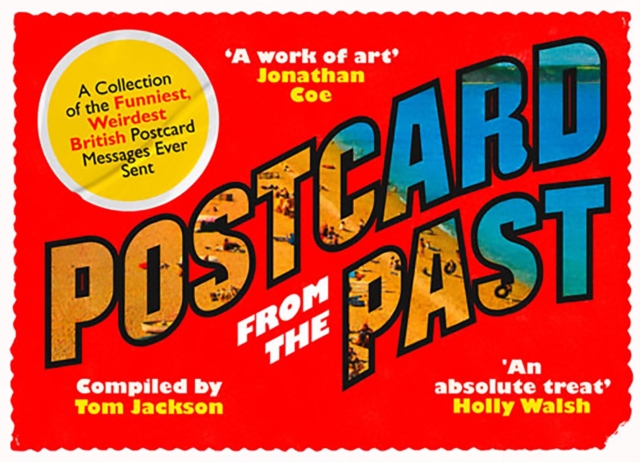
WITH AN INTRODUCTION BY MARK HADDONIn Postcard From The Past, Tom Jackson has gathered a collection of the funniest, weirdest and most moving real messages from the backs of old postcards.
From one of the greatest political journalists of recent times, an insider's account of four decades of covering the British political scene, packed with tales of the biggest political happenings of the last half century.
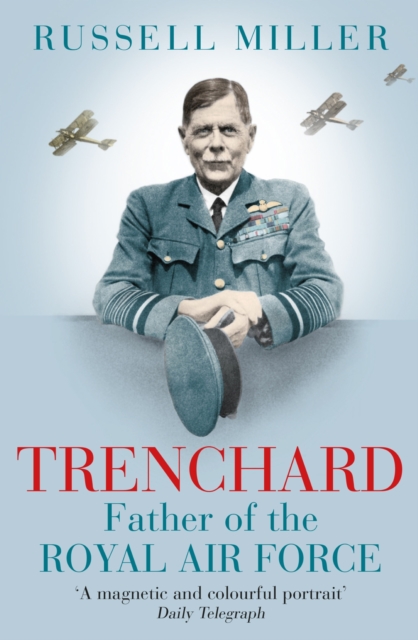
'A magnetic and colourful portrait' Daily TelegraphHugh 'Boom' Trenchard was embarrassed by being described as 'The Father of the Royal Air Force' - he thought others were more deserving.
Winner of the 2017 Wainwright Golden Beer Book Prize for nature writingThe natural history of the Western Front during the First World War'If it weren't for the birds, what a hell it would be.
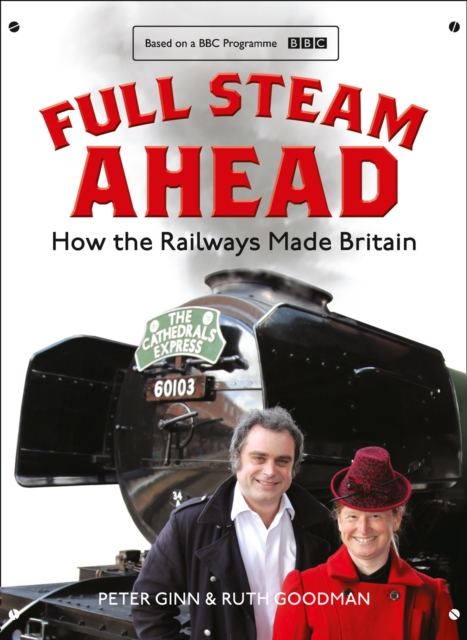
The Age of Railways was an era of extraordinary change which utterly transformed every aspect of British life - from trade and transportation to health and recreation.
The compelling love story of two extraordinary individuals - Nancy Mitford and Free French commander Gaston Palewski - living in extraordinary times - immortalised in THE PURSUIT OF LOVE'A delicious mix of drama, melancholy and enchantment' DAILY EXPRESS'Entertainingly caustic' SUNDAY TIMES'Bringing to life the worlds of Nancy Mitford's novels' INDEPENDENT'Oh, the horror of love!
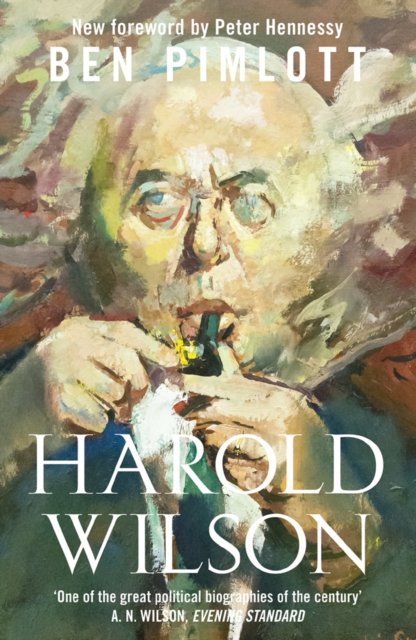
Reissued with a new foreword to mark the centenary of Harold Wilson's birth, Ben Pimlott's classic biography combines scholarship and observation to illuminate the life and career of one of Britain's most controversial post-war statesmen.
Futebol Nation by David Goldblatt - a thriling history of Brazil through its sporting passionFrom the genius of Pel to corruption and civil unrest, no nation has so closely aligned its national identity with playing and watching football as Brazil.
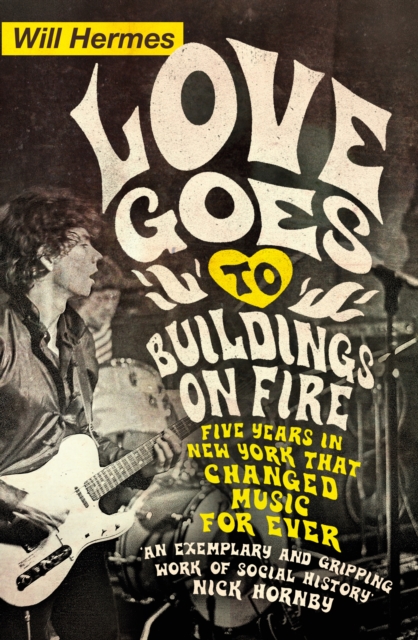
Love Goes to Buildings on Fire by Will Hermes - Five Years in New York that Changed Music Forever'A must-read for any music fan' (Boston Globe)Crime was everywhere, the government was broke and the city's infrastructure was collapsing, but between 1974 and 1978 virtually all forms of music were being recreated in New York City: disco and salsa, the loft jazz scene and the Minimalist classical composers, hip hop and punk.