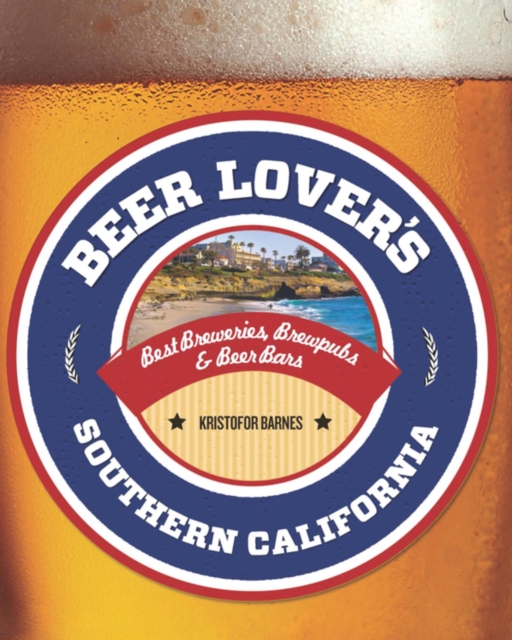
The Beer Lover's series features regional breweries, brewpubs and beer bars for those looking to seek out and celebrate the best brews--from bitter seasonal IPAs to rich, dark stouts--their cities have to offer.
The Beer Lover's series features regional breweries, brewpubs and beer bars for those looking to seek out and celebrate the best brews--from bitter seasonal IPAs to rich, dark stouts--their cities have to offer.
The Beer Lover's series features regional breweries, brewpubs and beer bars for those looking to seek out and celebrate the best brews--from bitter seasonal IPAs to rich, dark stouts--their cities have to offer.
Written by a professional journalist and beer enthusiast, this guide covers the entire beer experience for the local enthusiast and traveling visitor alike, including information on brewery and beer profiles with tasting notes, must-visit brewpubs and beer bars, top annual events and festivals, city and regional pub crawl itineraries with maps.
Written by a professional journalist and beer enthusiast, this guide covers the entire beer experience for the local enthusiast and traveling visitor alike, including information on brewery and beer profiles with tasting notes, must-visit brewpubs and beer bars, top annual events and festivals, city and regional pub crawl itineraries with maps.
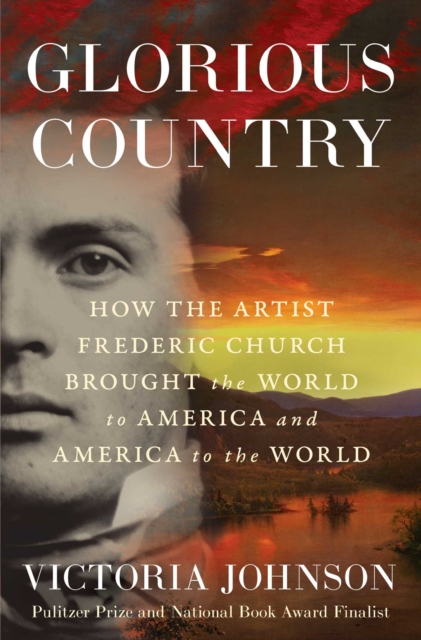
From the author of American Edenfinalist for the Pulitzer Prize, the National Book Award, and morecomes a sweeping, richly researched biography of Frederic Church, the great 19th-century American artist whose stunning paintings of remote lands and seas thrilled American audiences and put the young republic on the map of world culturepublished on Church's bicentennial.
';Brilliant' Financial Times ';Hollis expertly weaves together the human tragedy and high politics behind the explosion of one of the world's greatest cities' Dan Snow The reclaimed history of a woman whose tragic life tells a story of madness, forced marriages and how the super-rich came to own London June 1701, and a young widow wakes in a Paris hotel to find a man in her bed.
The Beer Lover's series features regional breweries, brewpubs and beer bars for those looking to seek out and celebrate the best brews--from bitter seasonal IPAs to rich, dark stouts--their cities have to offer.
The Beer Lover's series features regional breweries, brewpubs and beer bars for those looking to seek out and celebrate the best brews--from bitter seasonal IPAs to rich, dark stouts--their cities have to offer.
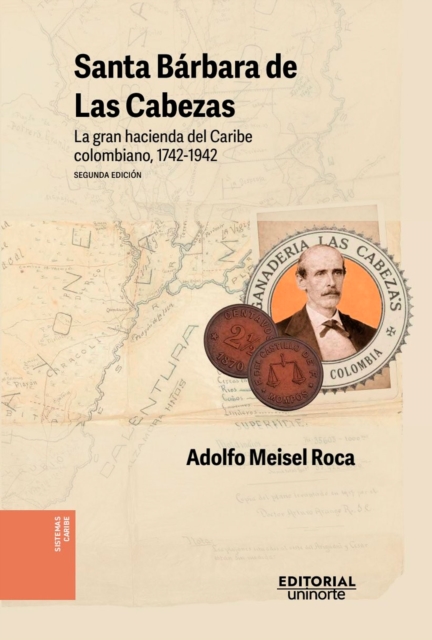
Santa Barbara de Las Cabezas, ubicada al sur del departamento del Cesar, fue la mayor hacienda ganadera en toda la region durante mas de dos siglos, perteneciendo a los descendientes de la familia Trespalacios.
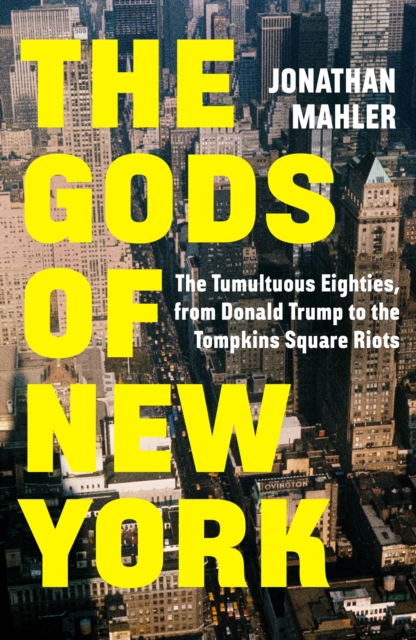
'Vivid and compelling' - The Telegraph'A masterful portrait of the city' - Observer'A propulsive, gorgeously reported account of the forces that re-shaped New York in the late 1980s, The Gods of New York is brilliant historical non-fiction that doubles as a warning about the future.
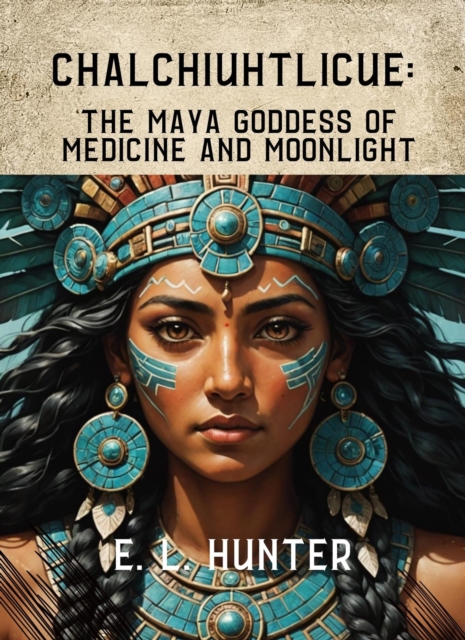
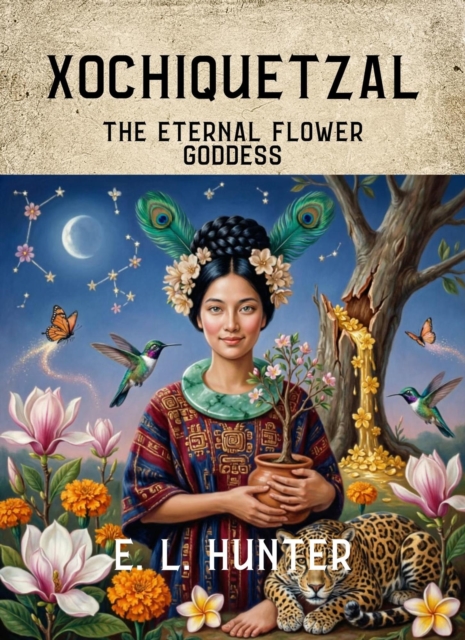
This comprehensive study of Chalchiuhtlicue reveals how the jade-skirted goddess of lakes, rivers, and springs functioned not as mere consort to Tlaloc but as a powerful divine force central to Mesoamerican religious life for over two millennia.
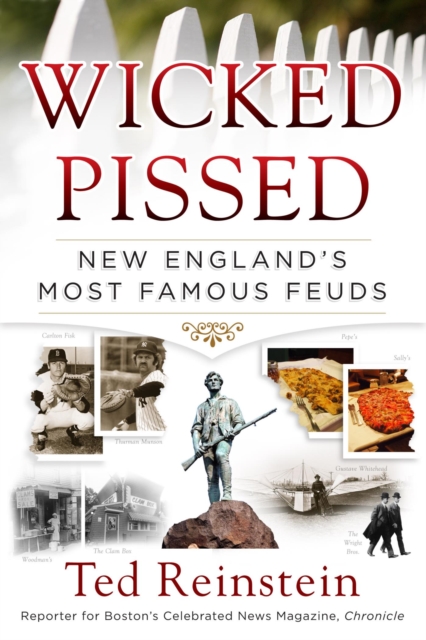
From sports to politics, food to finance, aviation to engineering, to bitter disputes over simple boundaries themselves, New England's feuds have peppered the region's life for centuries.
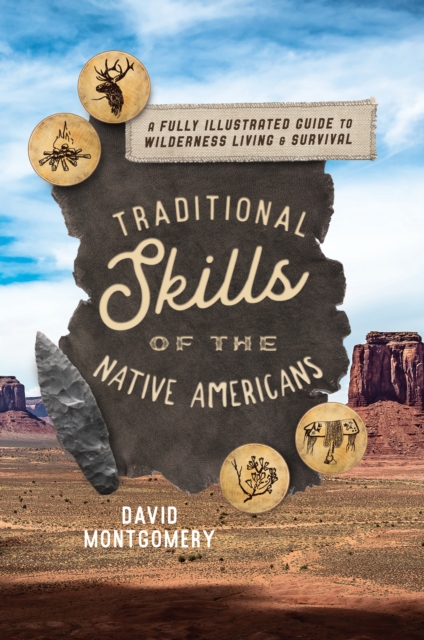
This book is geared toward all ages and gives step-by-step instructions on scores of crafts and outdoor skills cultivated by various Native American peoples over the centuries.
This book is geared toward all ages and gives step-by-step instructions on scores of crafts and outdoor skills cultivated by various Native American peoples over the centuries.
From sports to politics, food to finance, aviation to engineering, to bitter disputes over simple boundaries themselves, New England's feuds have peppered the region's life for centuries.
LONGLISTED FOR THE WAINWRIGHT PRIZE FOR NATURE WRITING 2025 AND A RADIO 4 BOOK OF THE WEEK A dazzlingly inventive work of literature Robert Macfarlane, author of The Old Ways'A wonderful, epic braiding of history, geography and personal memoir' James Rebanks, author of English Pastoral _____________________________________________________________________At the heart of this book is a highway.
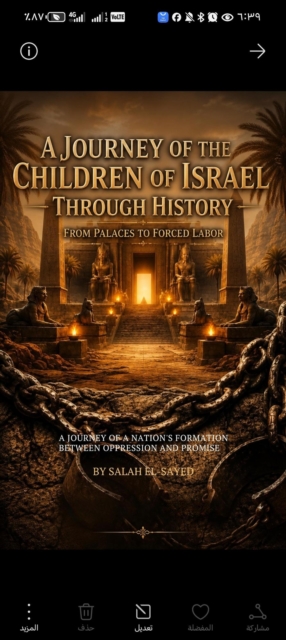
From Palaces to Forced Labor - Part 1 of the Journey of the Children of IsraelHow did the children of Jacob go from honored guests in the palaces of Egypt to slaves dragged in chains and whipped in the land of forced labor?
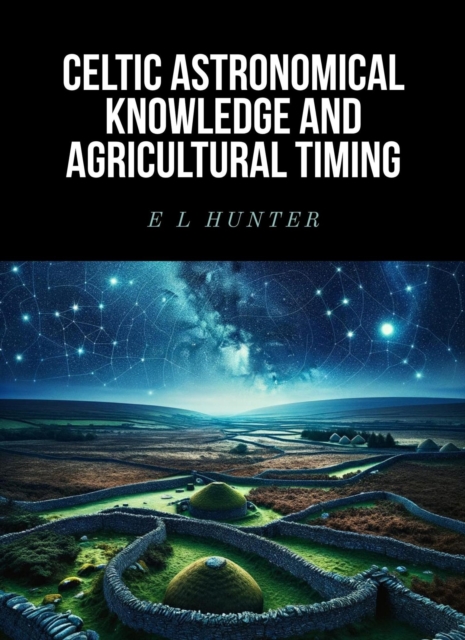
From the late Bronze Age through the Roman period, Celtic communities across Europe developed sophisticated systems integrating celestial observation with agricultural practice.
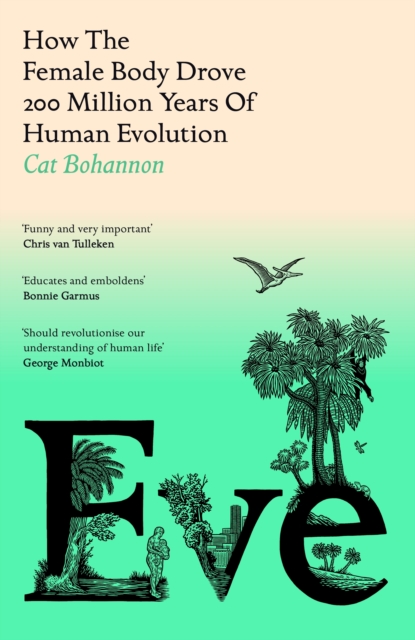
A NEW YORK TIMES BESTSELLERLONGLISTED FOR THE WOMEN'S PRIZE FOR NON-FICTION 2024SHORTLISTED FOR THE ROYAL SOCIETY TRIVEDI SCIENCE BOOK PRIZE 2024FOYLE'S NON-FICTION BOOK OF THE YEAR 2023LONGLISTED FOR BLACKWELL'S NON-FICTION BOOK OF THE YEAR 2023ONE OF THE GUARDIAN'S BEST IDEAS BOOKS OF 2023ONE OF THE TELEGRAPH'S FIFTY BEST BOOKS OF 2023ONE OF PROSPECT'S BOOKS OF THE YEAR 2023ONE OF DUA LIPA'S SERVICE95 RECOMMENDATIONS FOR '5 INSPIRING READS TO KICK START THE NEW YEAR'Funny and very important' Chris van Tulleken, bestseling author of Ultra-Processed People'Educates and emboldens' Bonnie Garmus, bestselling author of Lessons in Chemistry'Should revolutionise our understanding of human life' George Monbiot, bestselling author of Regenesis'A vast and revolutionary history of female evolution' Sunday TimesHow did wet nurses drive civilization?
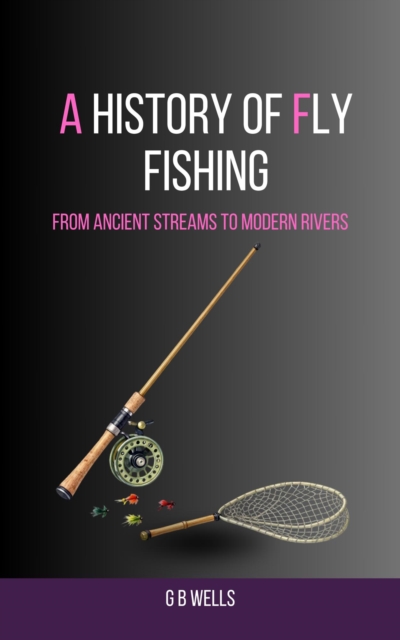
Fly fishing has a history that stretches back to Roman-era Macedonia and Tang-dynasty China, but most accounts of that history repeat the same errors: they treat the English chalk stream tradition as the natural summit of the sport, ignore the class structures that decided who could fish and where, and skip over the non-Anglophone traditions that developed in parallel.
THE SUNDAY TIMES BESTSELLER His storytelling is vivid, humorous, and refreshingly honest' DUA LIPA'Compelling, wry, self-aware, genuinely endearing' THE GUARDIAN A ride you have to take ZANE LOWE A heartfelt love letter to a bygone era BBC The most life-affirming coming-of-age story I ve read in an age' PETE PAPHIDESDISCOVER MARK RONSON S ELECTRIFYING MEMOIR ABOUT HIS DJ DAYS IN 90s NEW YORKMark Ronson was born a night person.