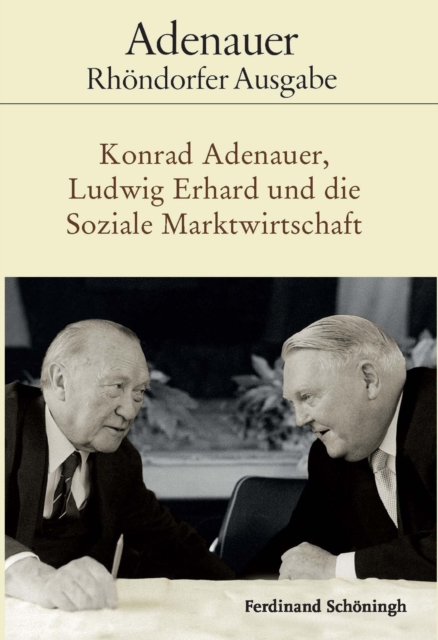
Konrad Adenauer und Ludwig Erhard - zwei ungleiche Grundervater der Bundesrepublik Deutschland, die gemeinsam eine Ara pragten, sich dann aber uber die Ausrichtung der Europapolitik zerstritten und einen erbitterten Kampf ums Kanzleramt lieferten, der in volliger Zerruttung endete.
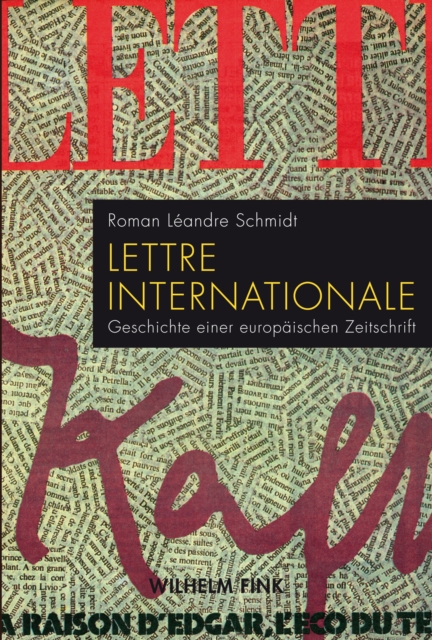
Seit Jahr und Tag zählt es zum guten Ton zwischen Lissabon und Tallinn, Dublin und Bukarest, auf die unzureichende Europäisierung der nationalen politisch-literarischen Debatten zu verweisen und diesen Zustand zu beklagen.
Wie kann man erlittene Gewalt und Massenmord in den unterschiedlichen Lagern erzählen und eine adäquate Sprache dafür finden, die das Erlittene weder banalisiert noch als überwunden beruhigend automatisiert?
I remember in 1979, I was returning from working for a year in the Kingdom of Saudi Arabia, and I found among the tapes the Rubaiyat of Salah Jahin, sung by Ali El Haggar and composed by Sayed Mekkawi.
"Volksbienenzucht" und Kampf ums Einheitshonigglas, Kunsthonig, und "Biene Maja", "völkische" Ideologie, und Wanderimker in der DDR, aber auch der Boom der Stadt-Imkerei in den letzten Jahren: Rainer Stripf erzählt mit Liebe zum Detail und sachkundigem Blick für die historischen Zusammenhänge die Geschichte der Bienenzucht in Deutschland seit dem Kaiserreich.
Die Geschichte der Infamie ist eine Geschichte der Verfemten, derjenigen, die wegen ihres Verstoßes gegen soziale Normen aus der Gesellschaft ausgeschlossen wurden.
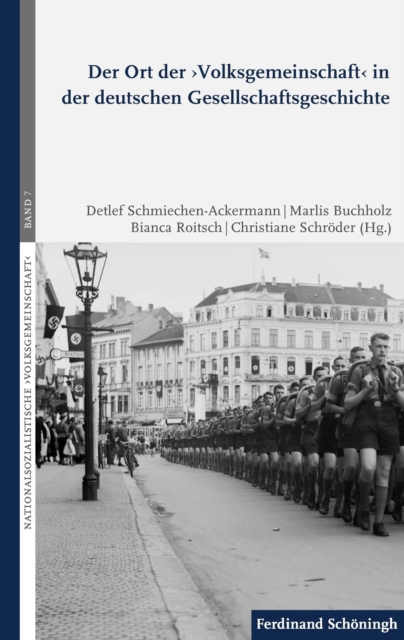
Welche Bedeutung gewannen die Propaganda der "Volksgemeinschaft" und die massenhafte Bereitschaft zum Mitmachen in der NS-Diktatur für die Gesellschaftsgeschichte Deutschlands im 20.
SHORTLISTED FOR THE ANDR SIMON DRINKS AWARD 2026ONE OF FORBES' BEST WINE AND SPIRITS BOOKS FOR 2025'A beautifully written, and also beautifully designed, guide to the huge world of agave spirits, from someone who really knows it from the inside.
Der Band untersucht dynamische Konfigurationen, die in der Interaktion von menschlichen und nicht-menschlichen Körpern, von Materialitäten und Technologien entstehen und fragt nach Konzepten, die deren gegenseitige Abhängigkeiten jenseits von Reifizierung und Naturalisierung denken.
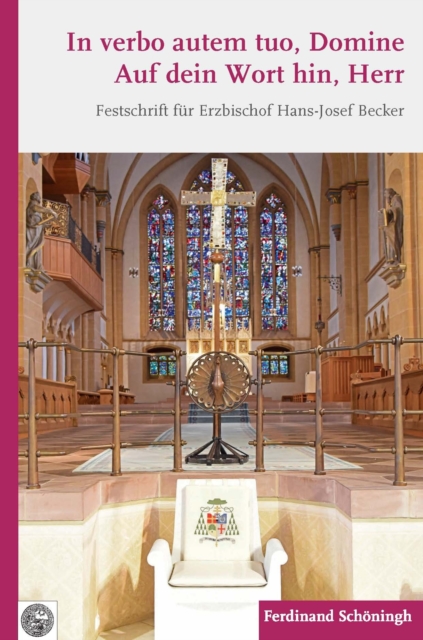
Die Theologische Fakultät Paderborn, die auf eine Stiftung von Fürstbischof Dietrich von Fürstenberg im Jahre 1614 zurückgeht, ist eine staatlich anerkannte Hochschule in Trägerschaft des Erzbischöflichen Stuhles zu Paderborn.
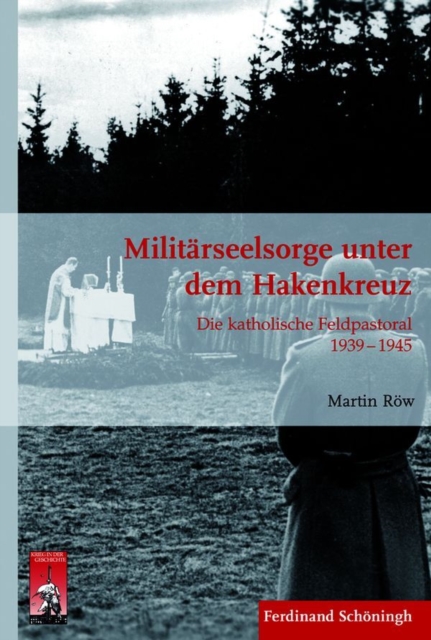
In den deutschen Streitkräften waren von 1939 bis 1945 mehrere Hundert katholische Seelsorger für die religiöse Betreuung der deutschen Soldaten im Eroberungs- und Vernichtungskrieg verantwortlich.
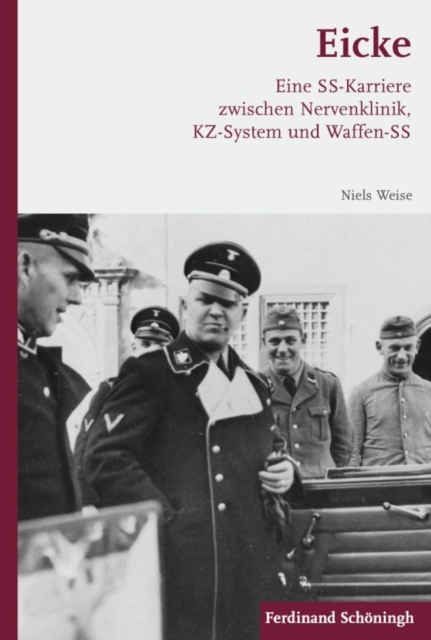
Theodor Eicke, gescheiterter Unterzahlmeister des Ersten Weltkriegs, wurde erst zum Kommandanten des KZ Dachau, dann zu einem der fanatischsten SS-Generale, ehe er 1943 den Tod an der Ostfront fand.
En los siglos XVI y XVII vieron la luz una amplia galería de mujeres que se abrieron paso en el mundo de los negocios y la empresa, contrariando la norma, pero no la ley, configurándose en pioneras.
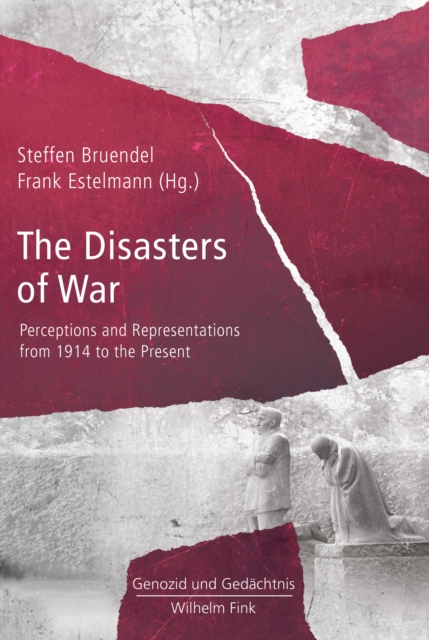
Generations after war and violence the experiences are engraved in memories and influence individual and collective attitudes toward political and social conflicts.
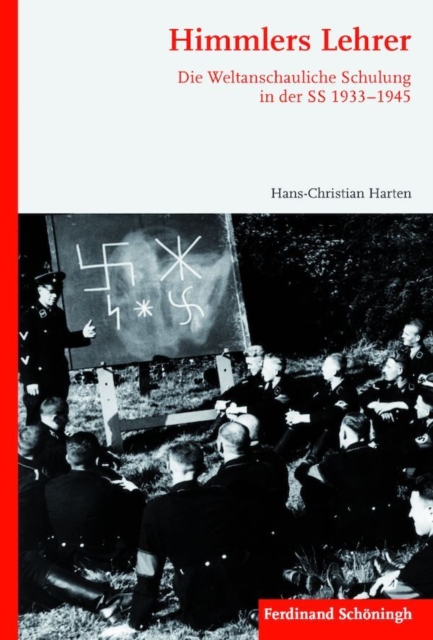
Die SS verstand sich als weltanschauliche Elite des Nationalsozialismus und betrieb deshalb mit großem Aufwand ein System der weltanschaulichen Schulung und Erziehung, das hier erstmals in seinem Gesamtzusammenhang dargestellt wird.
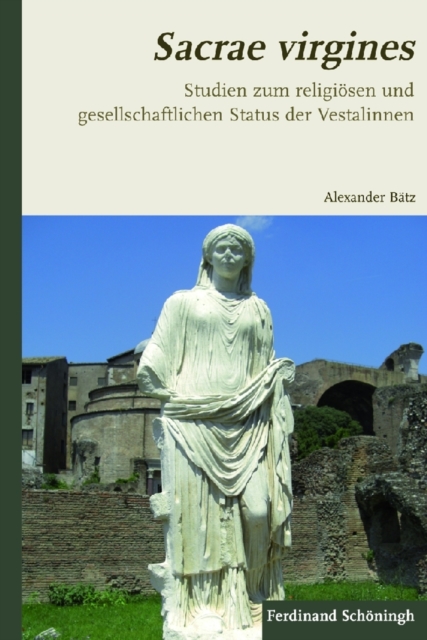
"In ihrem Rundtempel auf dem Forum Romanum hüteten die sechs jungfräulichen Priesterinnen der Vesta Tag und Nacht das ewige Feuer sowie weitere Heil(ig)tümer, die Roms Existenz sichern sollten.
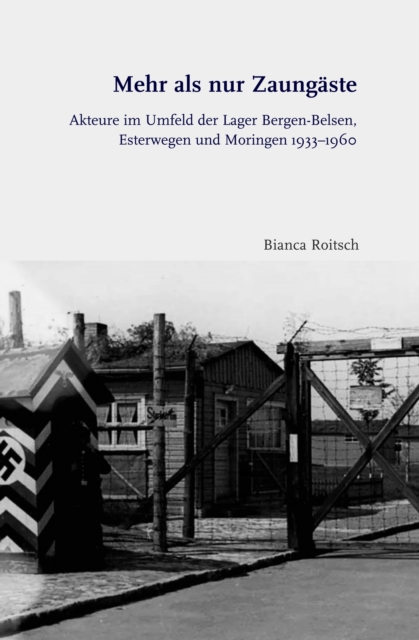
Die Autorin vergleicht die Handlungsmöglichkeiten und Sprechweisen im ländlich geprägten Umfeld der drei Konzentrationslager Bergen-Belsen, Esterwegen und Moringen.
Deutsche und Polen teilen viele Erinnerungen, und doch erinnern sich die beiden Nachbarn auf unterschiedliche Weise an die gemeinsamen und vielfach auch geteilt erlebten Erfahrungen und Ereignisse aus mehr als einem Jahrtausend europäischer Geschichte.
"In a flood of superficial media, the narrow focus of Stephan Trüby's History of the Corridor – one of the inspirations for our Elements of Architecture exhibition in Venice 2014 – reveals unsuspected depths.