Hundert Jahre nach dem Untergang Galiziens als territoriale Verwaltungseinheit der Habsburger Monarchie geht dieser Band der Frage nach, was von dem knapp 150 Jahre bestehenden Kronland und seiner multikulturellen Lebenswelt geblieben ist, was durch historische Wandlungsprozesse verloren ging und welche neuen Perspektiven in der Forschung zu Galizien eingeschlagen werden können.
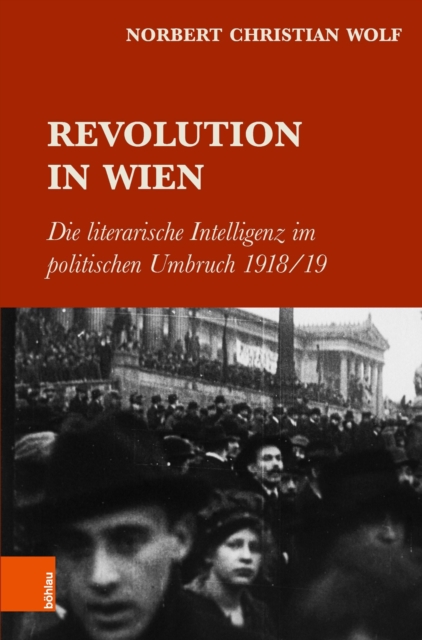
Im Herbst 1918 beteiligten sich in Wien bekannte Literaten in herausgehobener Position an den politischen Aktivitäten, die zum Ende der habsburgischen Herrschaft sowie zur Ausrufung der Republik (Deutsch-)Österreich führten.
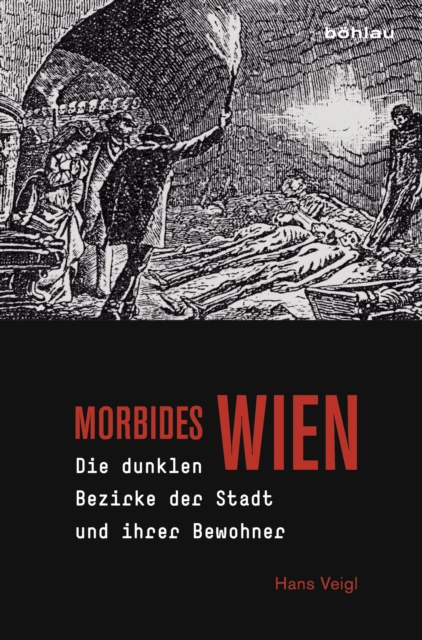
Im barocken Wien blühten Todesvorstellungen und Jenseitsinszenierungen, die zum ständigen Gefährten der Wiener Gemütlichkeit wurden und auf den Alltag übergriffen.
Spannend liest sich die Architekturgeschichte der Südbahnhotels, die aufgrund ihrer Lage zwischen Gletschern und Palmen beispielhaft für die Gründung zahlreicher Kurorte waren.
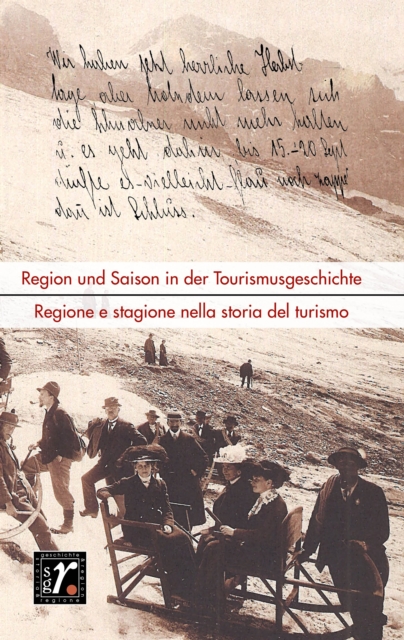
Dieses Heft von "Geschichte und Region/Storia e regione" widmet sich der Tourismusgeschichte und wählt dafür zwei verschiedene Herangehensweisen – die eine methodisch, die andere thematisch fokussiert.
A modo de una guía didáctica intensamente estética, Gonzalo Ilabaca nos presenta una visión holística y crítica de Valparaíso a través de pinturas/relatos que abarcan su historia, su condición de ciudad puerto universal, su anfiteatro como geografía natural y psíquica de los porteños, su forma de habitarlo, su idiosincrasia, su decadencia interna y vital, así como el abandono del estado a su ciudad cultural más emblemática internacionalmente, transformando su glorioso pasado en un naufragio de larga agonía.
In den 1920er und 1930er Jahren wurden auf dem Berg Scopus in Jerusalem mehrere bedeutende jüdische Institutionen etabliert: die Hebräische Universität, die jüdische Nationalbibliothek und das Hadassa-Hospital.
NATIONAL BESTSELLER Food & Wine editor Ray Isle does for wine what Michael Pollan's The Omnivore's Dilemma did for food—showing readers how to choose more delicious, interesting, and environmentally friendly wines without breaking the bank.
Die Studie analysiert die politische Denunziation in der DDR multiperspektivisch: Sie unterscheidet deren kommunikative Spezifika im Brief, per Telefon und beim persönlichen Erscheinen auf der Dienststelle – sowie im institutionellen Kontext organisierter Spitzeltätigkeit.
Diese neue Einführung in die Denk- und Wissensgeschichte der Kritischen Theorie gibt einen repräsentativen Überblick über Formen des Umgangs mit Literatur bei gesellschaftskritischen jüdischen Intellektuellen des 20.
A New Yorker Book of the Year 2024A Ryan Holiday '(Very) Best Book I Read in 2024'Excellent' Ian Samson, TLS'From plans for flying machines to philosophy - the remarkable joy of jotting things down' Guardian'Surprisingly revealing' The Sunday TimesWe see notebooks everywhere we go.
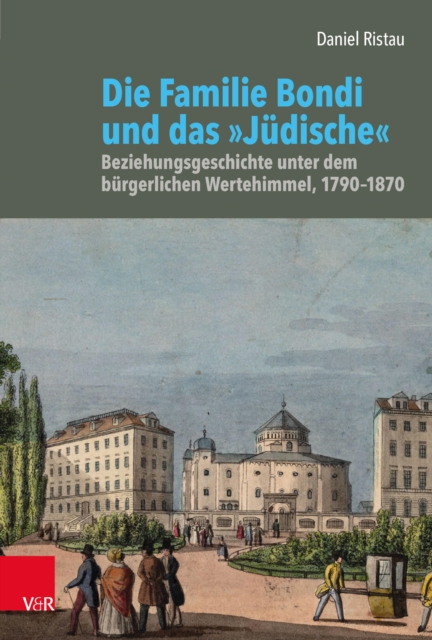
Zwischen 1790 und 1870 etablierten sich die Mitglieder des Verwandtschaftsnetzes der Familie Bondi im städtischen Bürgertum von Dresden, Mainz und Hamburg.
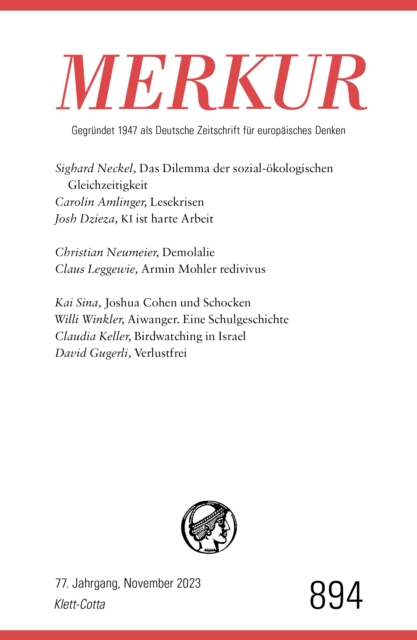
In nüchternen Worten erklärt der Soziologe Sighard Neckel, warum der zur Abwendung der Klimakatastrophe notwendige radikale gesamtgesellschafliche Wandel kaum stattfinden wird.
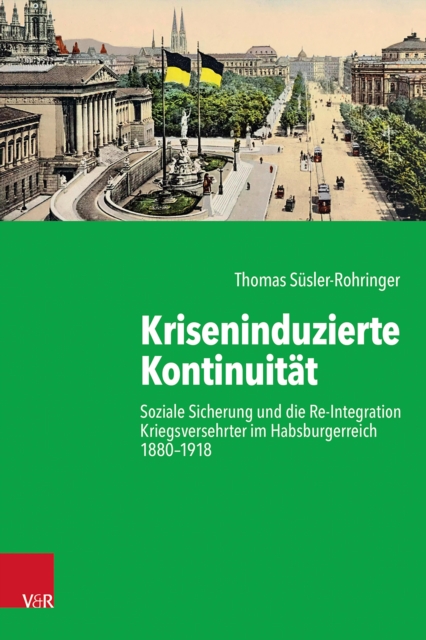
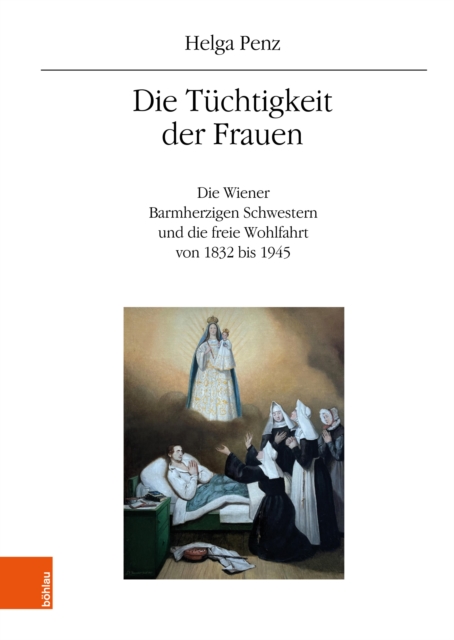
Die Sozialpolitik des Habsburgerreiches galt lange Zeit als rückständig, und seine Nachfolgestaaten werden als Beginn des modernen Wohlfahrtsstaates angesehen.
The founders and forerunners of the Southern Baptist Convention were fundamentally shaped by the thought of Puritan theologian Jonathan Edwards and his theological successors.
In Fortsetzung der bereits 2012 bei Böhlau erschienenen Briefedition zu den Jahren 1802 bis 1829 werden hier erstmals die Briefe Aleksandr Turgenevs aus den Jahren 1830 bis 1845 an den lebenslangen Freund Vasilij Žukovskij nach den Handschriften samt dessen gedruckten Gegenbriefen veröffentlicht.
Der breit angelegte Band entwickelt eine neue Perspektive auf die politische Kultur der Weimar Republik, indem er die Verfassung in ihren Kontext stellt und so einen tiefenscharfen Blick auf Mentalitäten, Kommunikationsformen, Symbole und institutionelles Handeln der Zeit wirft.
In modernen Gesellschaften bildet »Korruption« einen Brennpunkt der Kritik an Amtsmissbrauch, Klientelismus oder der Käuflichkeit administrativer Entscheidungen.
Trotz der vielen transnationalen und transkulturellen Trends in der Forschung zur deutschen Geschichte ist die Verflechtung der Weimarer Republik mit der übrigen Welt bislang seltsam unterbelichtet geblieben.
"Nadie mejor que François Dosse para asumir semejante reto: escribir una narrativa, panorámica y sistemática, de la aventura histórica y creativa de los intelectuales franceses en su momento de hegemonía mundial.