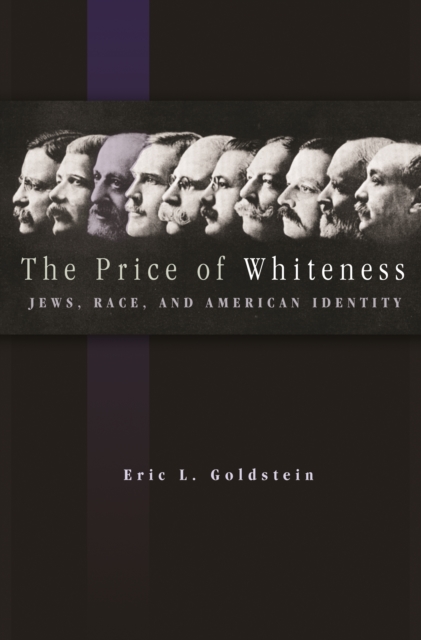
The truth about America's elite colleges and universities-who gets in, who succeeds, and whyAgainst the backdrop of today's increasingly multicultural society, are America's elite colleges admitting and successfully educating a diverse student body?
The History of the Women's Suffrage: The Origin of the Movement (Illustrated Edition) is a seminal anthology that captures the diverse literary styles and profound themes associated with the early days of the women's rights movement.
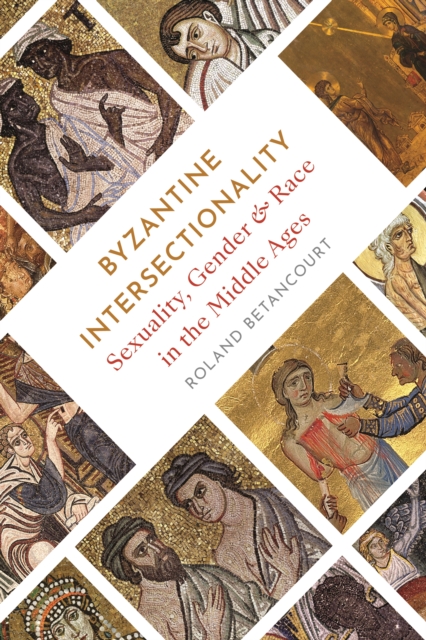
A fascinating history of marginalized identities in the medieval worldWhile the term "e;intersectionality"e; was coined in 1989, the existence of marginalized identities extends back over millennia.
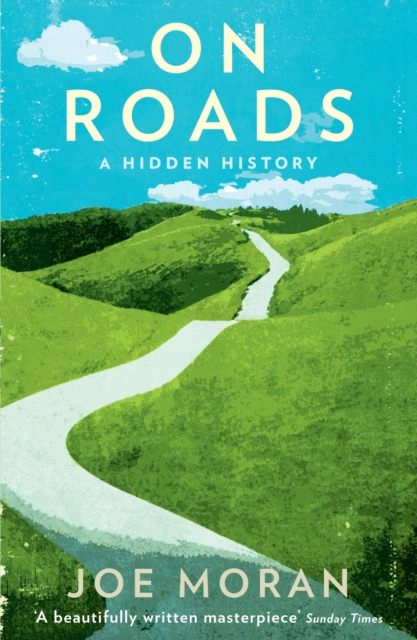
In this history of roads and what they have meant to the people who have driven them, one of Britain's favourite cultural historians reveals how a relatively simple road system turned into a maze-like pattern of roundabouts, flyovers, and spaghetti junctions.
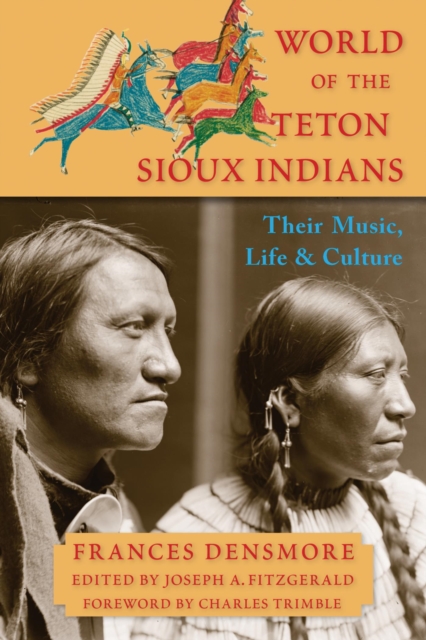
Sometime in August 1913, two Sioux warriors, Old Buffalo and Swift Dog, met with Frances Densmore at a makeshift recording site in McLaughlin, South Dakota.
The dark history of eugenic thought in Germany from the nineteenth century to todayand the courageous countervoicesBetween 1939 and 1945, Nazi genocide claimed the lives of nearly three hundred thousand people diagnosed with psychiatric illness or cognitive deficiencies.
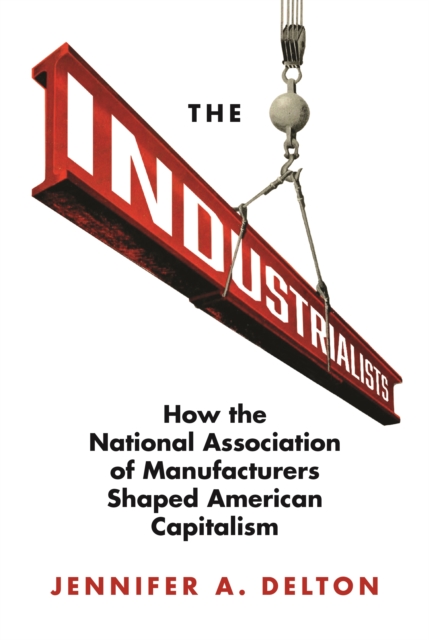
The first complete history of US industry's most influential and controversial lobbyistFounded in 1895, the National Association of Manufacturers-NAM-helped make manufacturing the basis of the US economy and a major source of jobs in the twentieth century.
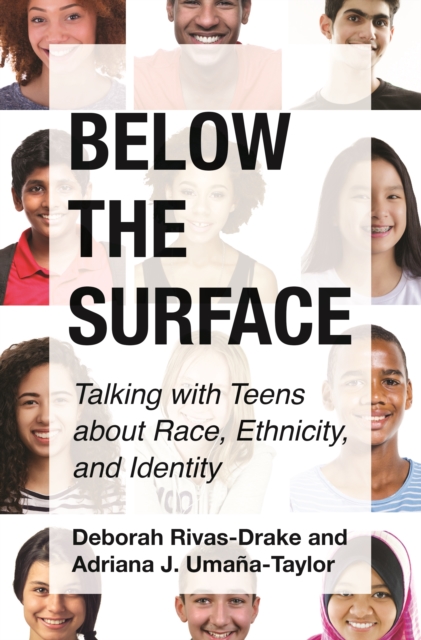
A guide to the latest research on how young people can develop positive ethnic-racial identities and strong interracial relationsToday's young people are growing up in an increasingly ethnically and racially diverse society.
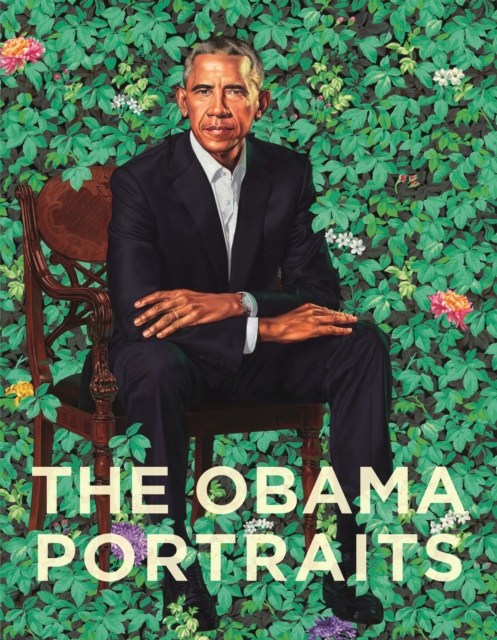
A richly illustrated celebration of the paintings of President Barack Obama and First Lady Michelle Obama From the moment of their unveiling at the National Portrait Gallery in early 2018, the portraits of Barack and Michelle Obama have become two of the most beloved artworks of our time.
Notable writers-including UK poet laureate Simon Armitage, Julian Barnes, Margaret MacMillan, and Jenny Uglow-celebrate our fascination with the houses of famous literary figures, artists, composers, and politicians of the pastWhat can a house tell us about the person who lives there?
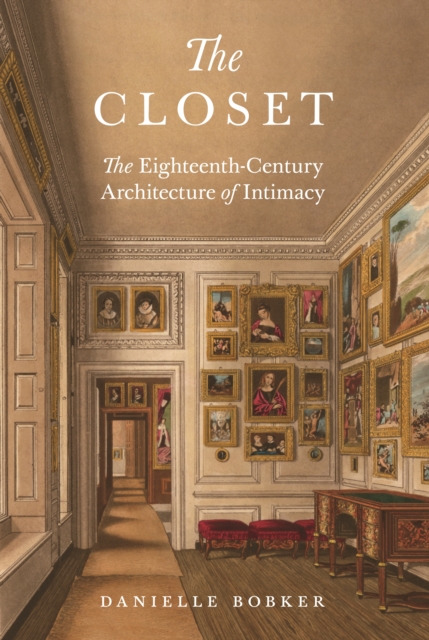
A literary and cultural history of the intimate space of the eighteenth-century closet-and how it fired the imaginations of Pepys, Sterne, Swift, and so many other writers Long before it was a hidden storage space or a metaphor for queer and trans shame, the closet was one of the most charged settings in English architecture.
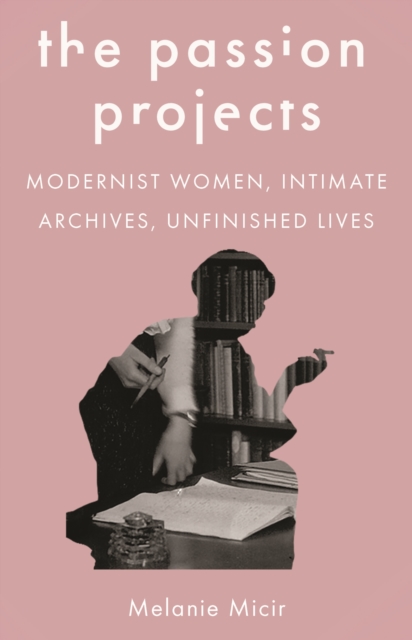
How modernist women writers used biographical writing to resist their exclusion from literary historyIt's impossible, now, to think of modernism without thinking about gender, sexuality, and the diverse movers and shakers of the early twentieth century.
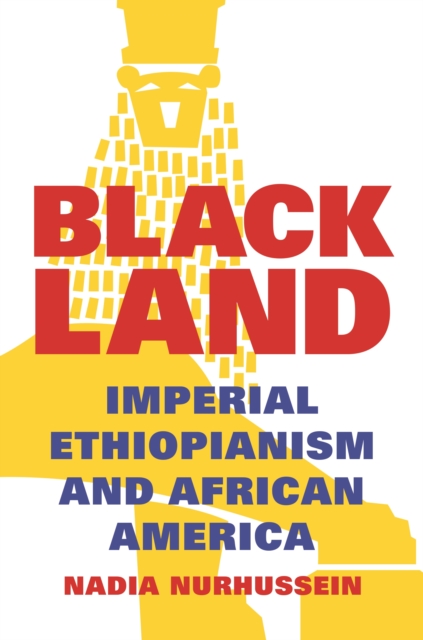
The first book to explore how African American writing and art engaged with visions of Ethiopia during the late nineteenth and early twentieth centuriesAs the only African nation, with the exception of Liberia, to remain independent during the colonization of the continent, Ethiopia has long held significance for and captivated the imaginations of African Americans.
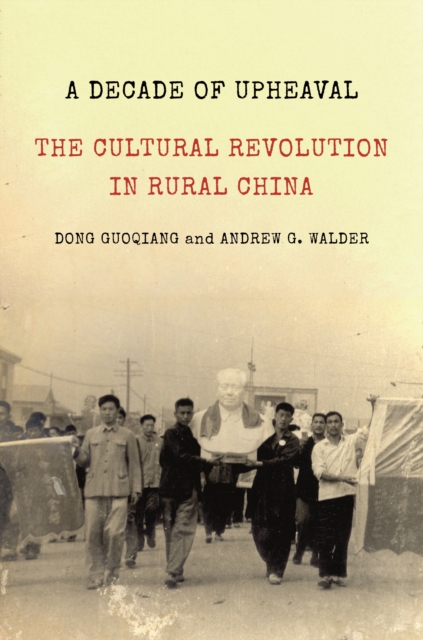
A revealing exploration of political disruption and violence in a rural Chinese county during the Cultural RevolutionA Decade of Upheaval chronicles the surprising and dramatic political conflicts of a rural Chinese county over the course of the Cultural Revolution.
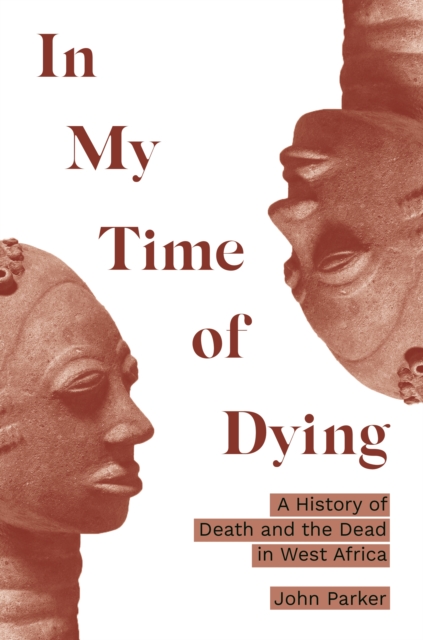
An in-depth look at how mortuary cultures and issues of death and the dead in Africa have developed over four centuriesIn My Time of Dying is the first detailed history of death and the dead in Africa south of the Sahara.
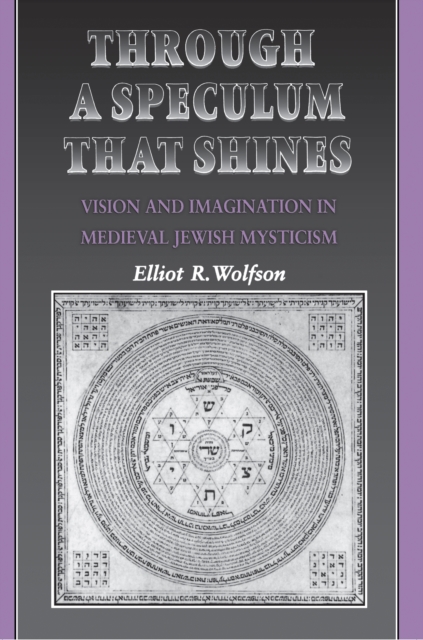
A comprehensive treatment of visionary experience in some of the main texts of Jewish mysticism, this book reveals the overwhelmingly visual nature of religious experience in Jewish spirituality from antiquity through the late Middle Ages.
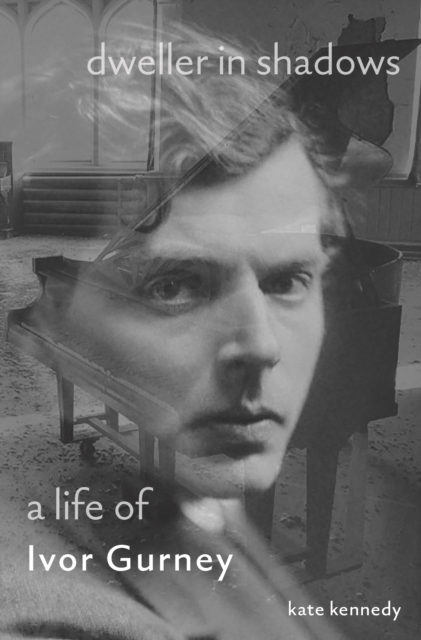
The first comprehensive biography of an extraordinary English poet and composer whose life was haunted by fighting in the First World War and, later, confinement in a mental asylumIvor Gurney (1890-1937) wrote some of the most anthologized poems of the First World War and composed some of the greatest works in the English song repertoire, such as "e;Sleep.
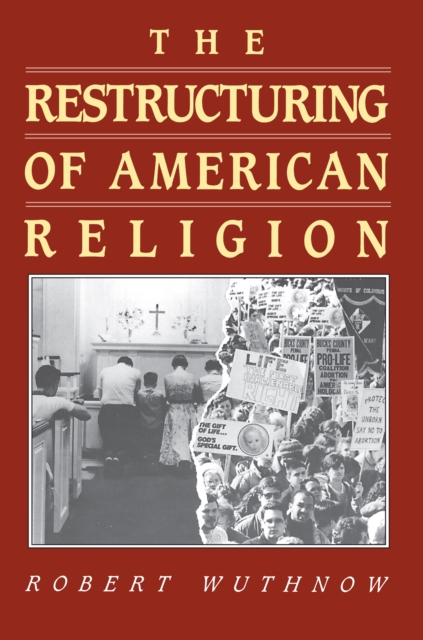
A major survey of the dramatic changes to American religious life in the decades after World War IIIn this book, Robert Wuthnow gathers a vast amount of information into a narrative that answers numerous questions about the clash of religion and politics in the United States during the postwar era.
The triumphant rise of Louis Napoleon Bonaparte over his Republican opponents has been the central theme of most narrative accounts of mid-nineteenth-century France, while resistance to the coup d'etat generally has been neglected.
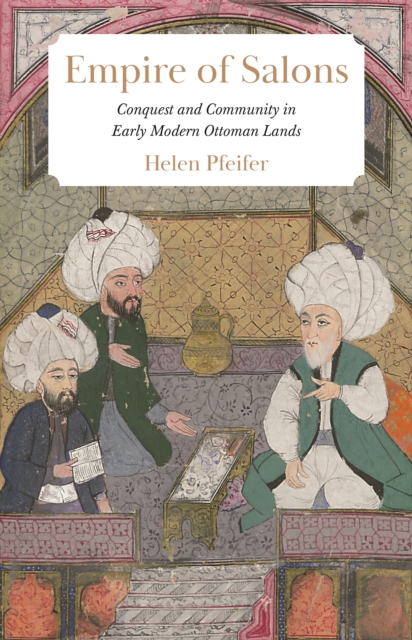
A history of the Ottoman incorporation of Arab lands that shows how gentlemanly salons shaped culture, society, and governanceHistorians have typically linked Ottoman imperial cohesion in the sixteenth century to the bureaucracy or the sultan's court.
A necessary reckoning with America's troubled history of injustice to Indigenous peopleAfter One Hundred Winters confronts the harsh truth that the United States was founded on the violent dispossession of Indigenous people and asks what reconciliation might mean in light of this haunted history.
A history of celebrity from Byron to BeckhamLove it or hate it, celebrity is one of the dominant features of modern life-and one of the least understood.
As waves of epidemic disease swept the Philippines in the late nineteenth century, some colonial physicians began to fear that the indigenous population would be wiped out.
A comprehensive and accessible account of the life and thought of Judaism's most celebrated philosopherMaimonides was the greatest Jewish philosopher and legal scholar of the medieval period, a towering figure who has had a profound and lasting influence on Jewish law, philosophy, and religious consciousness.
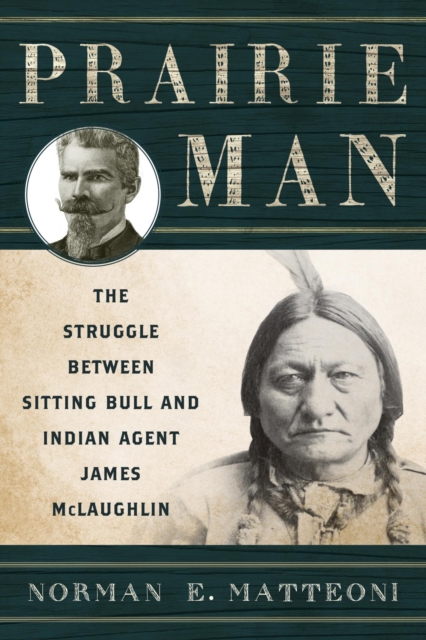
One week after the infamous June 1876 Battle of the Little Big Horn, when news of the defeat of General George Armstrong Custer and his 7th Cavalry troops reached the American public, Sitting Bull became the most wanted hostile Indian in America.
A groundbreaking look at how group expectations unify Black Americans in their support of the Democratic partyBlack Americans are by far the most unified racial group in American electoral politics, with 80 to 90 percent identifying as Democrats-a surprising figure given that nearly a third now also identify as ideologically conservative, up from less than 10 percent in the 1970s.
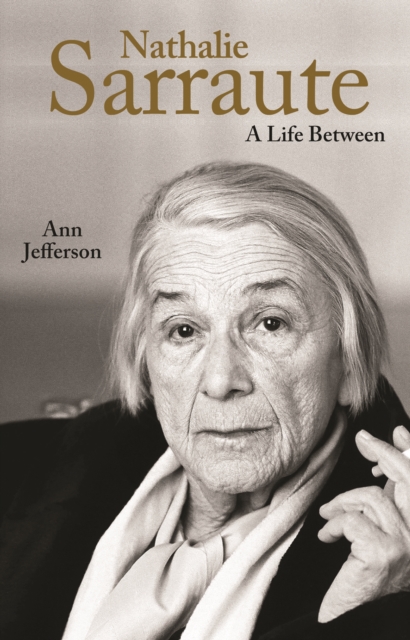
The definitive biography of a leading twentieth-century French writerA leading exponent of the nouveau roman, Nathalie Sarraute (1900-1999) was also one of France's most cosmopolitan literary figures, and her life was bound up with the intellectual and political ferment of twentieth-century Europe.
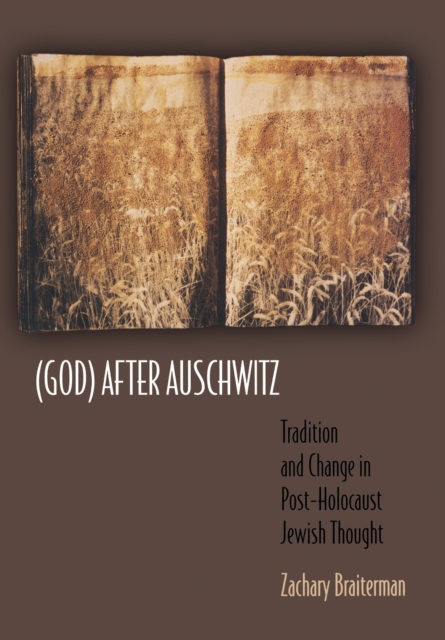
The impact of technology-enhanced mass death in the twentieth century, argues Zachary Braiterman, has profoundly affected the future shape of religious thought.
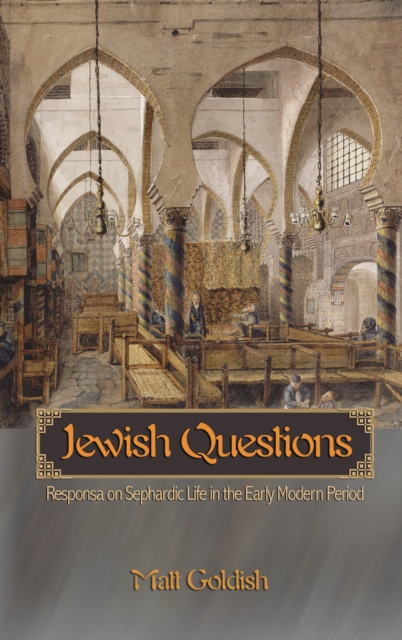
In Jewish Questions, Matt Goldish introduces English readers to the history and culture of the Sephardic dispersion through an exploration of forty-three responsa--questions about Jewish law that Jews asked leading rabbis, and the rabbis' responses.
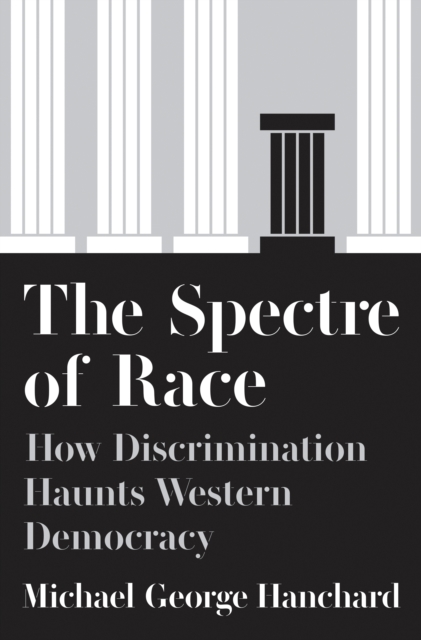
How racism and discrimination have been central to democracies from the classical period to todayAs right-wing nationalism and authoritarian populism gain momentum across the world, liberals, and even some conservatives, worry that democratic principles are under threat.
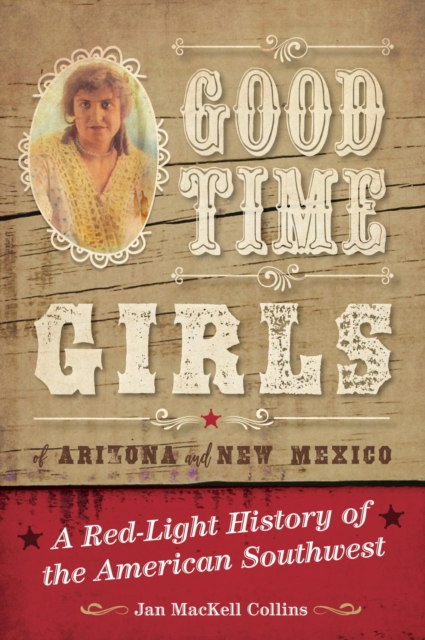
As settlements and civilization moved West to follow the lure of mineral wealth and the trade of the Santa Fe Trail, prostitution grew and flourished within the mining camps, small towns, and cities of the nineteenth-century Southwest.