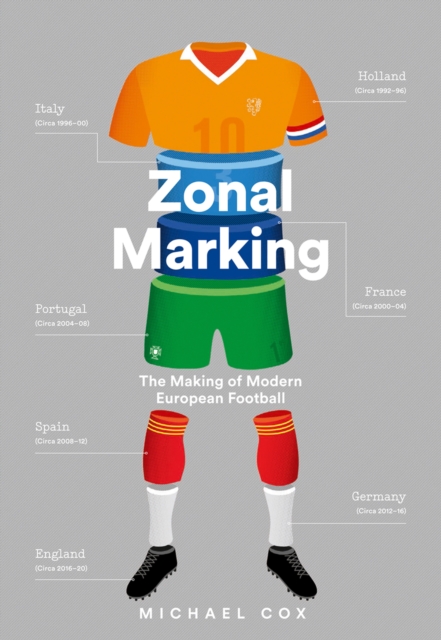
'A wonderful overview of tactical development in European football' Matthew Syed, The Times'A fascinating assessment of football in 2019' ObserverAn insightful, comprehensive and always entertaining appreciation of how European football has developed over the last three decades by the author of the much heralded The Mixer.
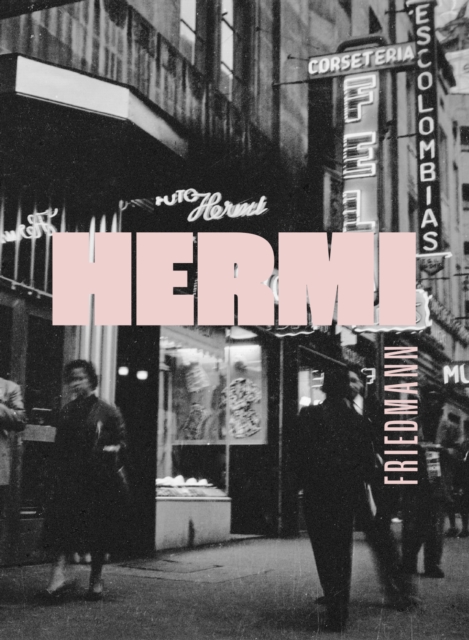
Pocos saben que, para la década de 1940, en medio de un ambiente unidireccionalmente masculino, Hermi Friedmann, graduada de la primera generación de fotógrafas profesionales que estudiaron en la Graphische Lehr und Versuchsanstalt de Viena, creó Foto Hermi, en el centro histórico de Bogotá.
*AN INTERNATIONAL BESTSELLER*WINNER OF THE POLITIKEN LITERATURE PRIZE 2024'Brilliantly rewrites the history of economic thought to place 'her story' at its heart.
WINNER of 75th Nation al Jew ish Book Award: BiographyFinalist for the Dayton Literary Peace Prize 2026 FIVE STARS Magnificent Telegraph Compulsively readable Financial Times Gripping and timely The Times'Crackingly told' Philippe Sands'A kind of masterclass' Sebastian JungerTHE NEW BOOK FROM THE BESTSELLING, COSTA PRIZE-WINNING AUTHOR OF THE VOLUNTEERThe true story of a Jewish lawyer who returned to Germany after WWII to prosecute war crimes, only to find himself pitted against a nation determined to bury the past.
A first-hand account of art, survival and resistance in wartime Ukraine The most beautifully written, moving book I can ever remember reading PHILIPPA PERRY A book for our times PHILIPPE SANDS'A brilliant and unforgettable book' EDMUND DE WAALCharlotte Higgins never imagined she would report on a war.
Chains and Laurels: Slavery and the Making of Ancient Greece The civilisation that gave the world the word "e;freedom"e; was built and sustained by people who had none.
The Sicilian RopeMass Lynching and Anti-Italian Terror in the United StatesA Hidden History of Racial Hatred 1880-1945This book, The Sicilian Rope, explores the intricate history of Italian immigration to the United States during the late 19th and early 20th centuries, with a particular emphasis on Southern Italians and Sicilians.
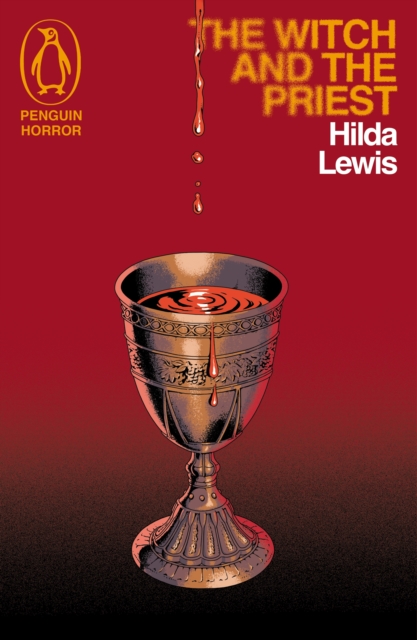
PENGUIN HORROR: A celebration of the very best literary horror, a series of terrifying novels and tales that for generations have thrilled, captivated and kept readers wide awake at night.
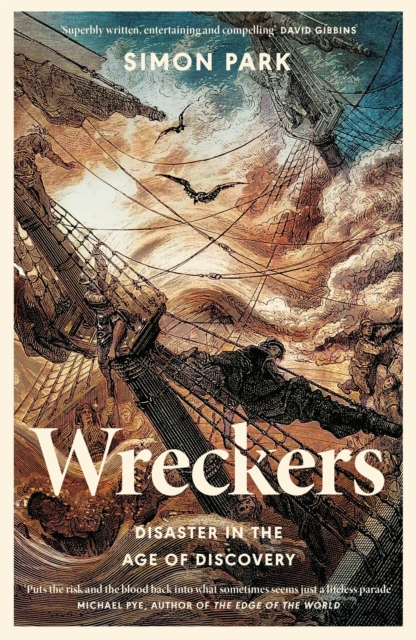
Wreckers sinks the old narratives of imperialism, revealing the violent, chaotic and improvised reality of empire-building from the fifteenth to seventeenth centuries.
The First Adirondackers challenges the widespread, long-standing belief that the Adirondack uplands of northern New York were uninhabited before the arrival of European colonizers.
The First Adirondackers challenges the widespread, long-standing belief that the Adirondack uplands of northern New York were uninhabited before the arrival of European colonizers.
SUNDAY TIMES BOOK OF THE WEEKREVEALED FOR THE FIRST TIME: THE TRUE STORY OF THE DECEPTION OF PRINCESS DIANA Dianarama often has the feel of a thriller a well written, pacy book SUNDAY TIMES'Sensational.
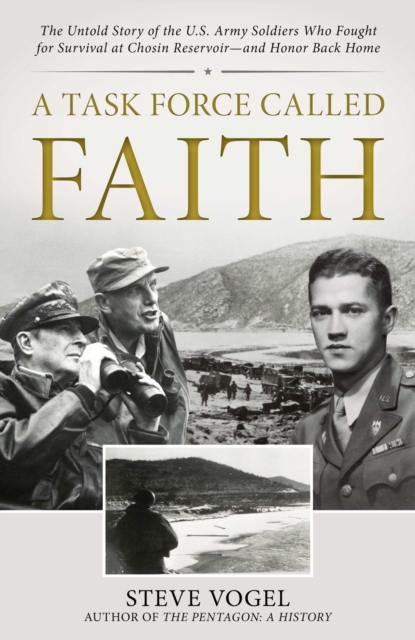
WINNER OF THE 2025 ARMY HISTORICAL FOUNDATION (AHF) DISTINGUISHED WRITING AWARD ("e;Operational-Battle History"e; Category)The forgotten heroes of Chosinhow Task Force Faith fought against impossible odds and a legacy of unfair shame.
THE BOOK: In every generation, according to Jewish tradition, thirty-six just men, the Lamed-waf, are born to take the burden of the world's suffering upon themselves.
'Unflinchingly candid and extraordinarily powerful' DAILY TELEGRAPH'Dominic Gregory hasn't just delivered a survey of courage and determination - Lifeboat at the End of the World is a hymn to human decency, and that makes it a very timely book indeed' TIM WINTONDo you really think all lives are worth saving?
From the Author of WOMEN, RACE AND CLASS, this is a timely provocation that examines the concept of attaining freedom in light of our current world conflictsIn these newly collected essays, interviews and speeches, world-renowned activist and scholar Angela Y.