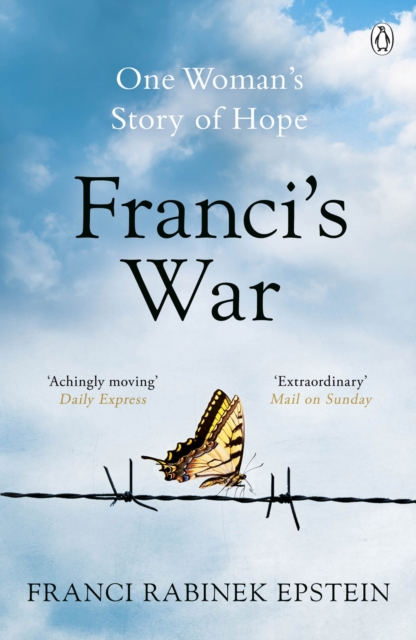
Discover unrelenting spirit and strength in the extraordinary true story of Franci: a woman who survived the holocaust against all of the odds'Achingly moving, gives much-needed hope.
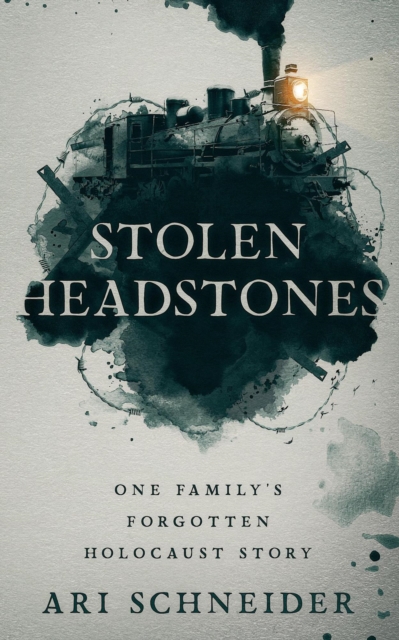
The acclaimed true story—originally published in Mountain Gazette and a finalist for the Livingston Award in International Reporting One night in September 1943, a Jewish mother took her nine-year-old son in one arm and five-year-old daughter in the other and jumped off a moving train to save their lives.
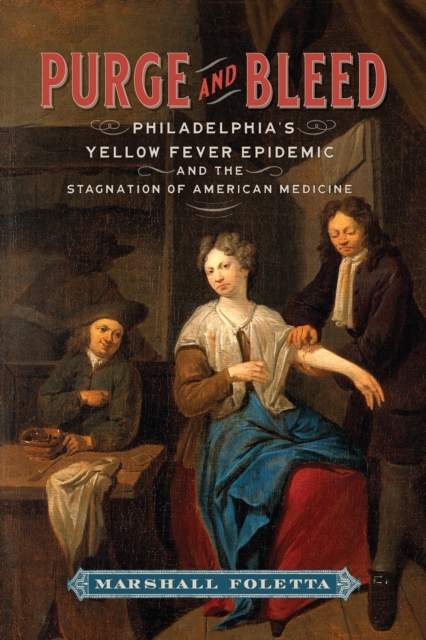
Explaining the deadly stasis of American medicine in the nineteenth century The 1793 yellow fever epidemic in Philadelphia was a shock to the system of American medicineor it should have been.
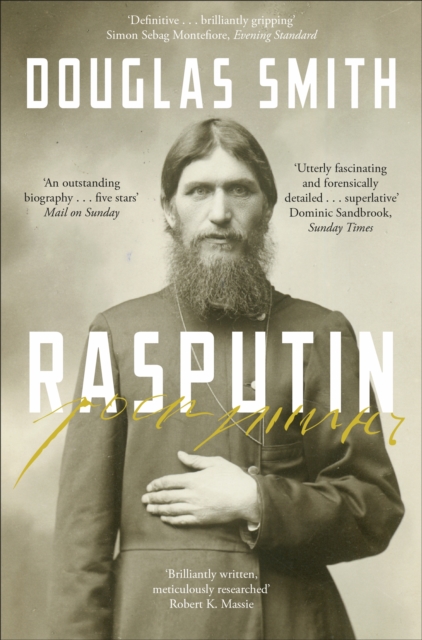
'The definitive biography' - Simon Sebag Montefiore, bestselling author of The RomanovsGet lost in the labyrinthine life of Grigori Rasputin, an enigmatic figure that continues to puzzle historians to this day.
France Today was first published in 1971 and quickly established itself as a valuable and important volume of essays providing a stimulating, clearly written introduction to contemporary France.
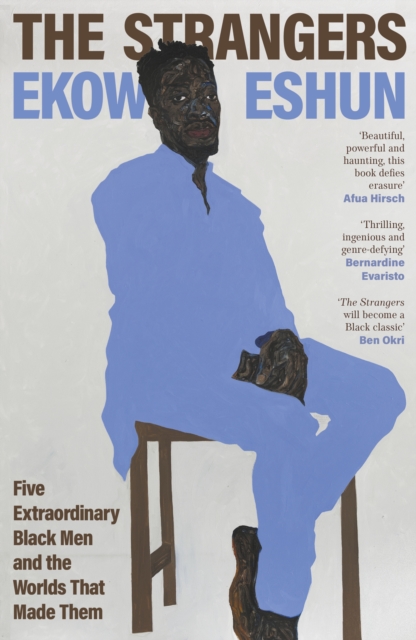
LONGLISTED FOR THE GORDON BURN PRIZE 2025LONGLISTED FOR THE JHALAK PRIZE 2025A Book of the Year 2024 in the Guardian, Times Literary Supplement and ObserverRichly imaginative and powerfully empathetic, an intimate portrait of five remarkable Black men, and a meditation on race, estrangement and the search for home'Thrilling and ingenious, propulsive and genre-defying: The Strangers is an outstanding book' Bernardine Evaristo'Luminous and extraordinary.
A landmark exploration of women-led communities worldwide and what they can teach us about new ways to live, think and govern, from BBC global correspondent Megha Mohan.
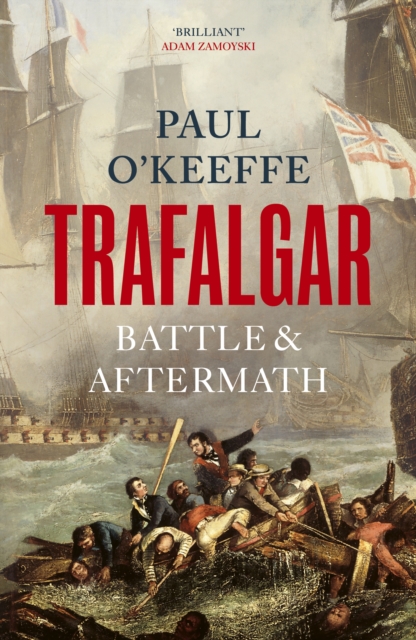
A vivid and visceral portrayal of the most famous naval battle in history, focusing on the human cost of war, by a brilliant military historian'A striking success' The Times'Fresh, original and brilliantly vivid' Telegraph'The best all-round book on the subject yet' SpectatorAt about 1.
Kenya's Independence Constitution: Constitution-Making and End of Empire is a narrative of the evolution of the constitution that was put into effect as Kenya's history as a colonial possession came to an end.
Explaining the deadly stasis of American medicine in the nineteenth century The 1793 yellow fever epidemic in Philadelphia was a shock to the system of American medicineor it should have been.
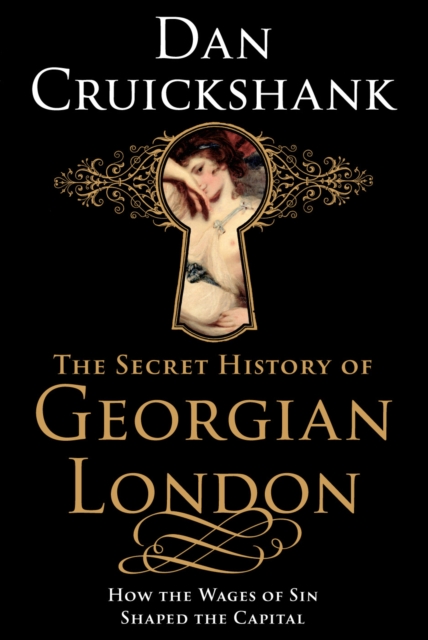
Georgian London evokes images of elegant buildings and fine art, but it was also a city where prostitution was rife, houses of ill repute widespread, and many tens of thousands of people dependent in some way or other on the wages of sin.
Kenya's Independence Constitution: Constitution-Making and End of Empire is a narrative of the evolution of the constitution that was put into effect as Kenya's history as a colonial possession came to an end.
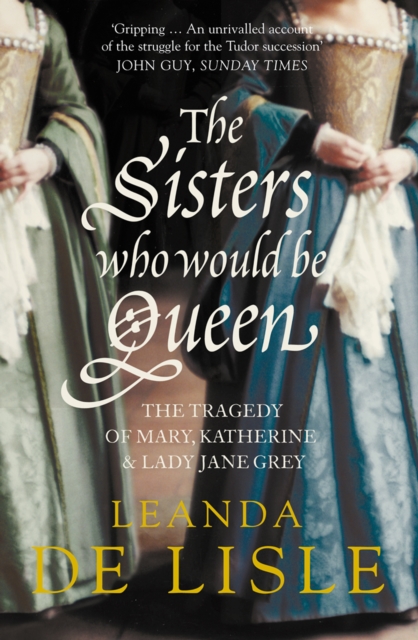
'Leanda de Lisle brings the story of nine days' queen, Lady Jane Grey and her forgotten sisters, the rivals of Elizabeth I, to vivid life in her fascinating biography' Philippa GregoryThe dramatic untold story of the three tragic Grey sisters, all heirs to the Tudor throne, all victims to their royal blood.
Por que si Tenancingo, Villa Guerrero y Zumpahuacan compartieron una serie de procesos locales, y, mas aun, por que si estos municipios fueron impactados por los mismos procesos macroestructurales, sus relaciones de poder han tomado caminos distintos.
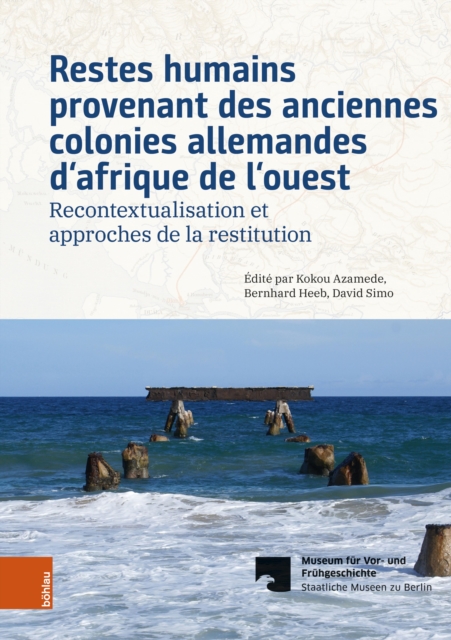
Depuis 2021, des recherches ont été menées sur l'acquisition de plus de 400 restes humains provenant des colonies allemandes d'Afrique de l'Ouest et conservés au Museum für Vor- und Frühgeschichte de Berlin.
A NEW YORKER BEST BOOK OF THE WEEK PICK Equal parts investigative reporting and cultural criticism, this is a look at the sex lives of young adults in post-Roe v.
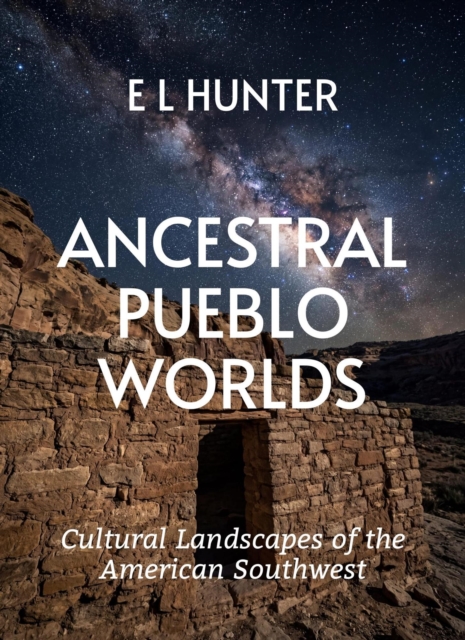
They dragged more than two hundred thousand trees across fifty miles of desert to raise a canyon full of great houses where almost no one seems to have lived.
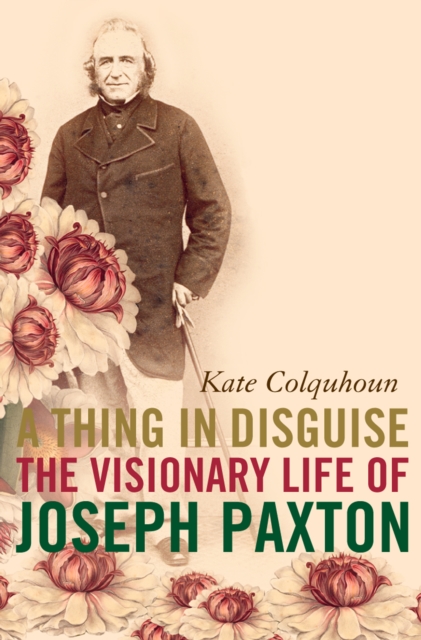
A biography of an unsung Victorian hero, Joseph Paxton was the man behind the garden design at Chatsworth and the Crystal Palace at the Great Exhibition of 1851.
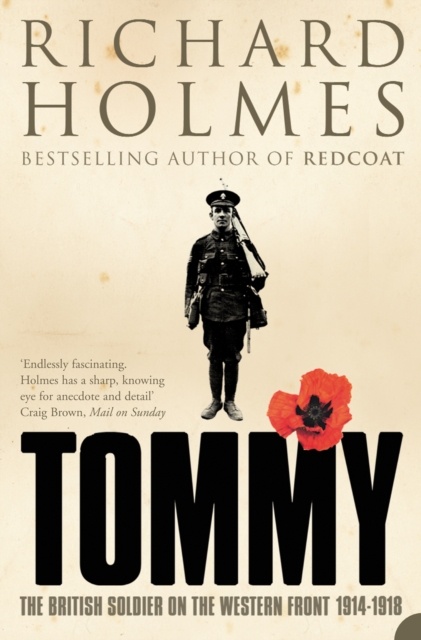
Groundbreaking and critically-acclaimed, Tommy is the first history of World War I to place the British soldier who fought in the trenches centre-stage.
From the author of 'Seven Wonders of the Industrial World', the ebook edition of the TV tie-in charting the shocking but true story behind the space race - and the ruthless, brilliant scientists who fuelled it.
A Waterstones Best History Book 2024'Compulsively readable' - Times Literary Supplement'An outstanding work' - Philippa Gregory'A powerful narrative told with frankness and sensitivity' - Helen Fry, historian and author of Women In Intelligence'A woman, a dog and a walnut tree, the more they are beaten, the better they'll be.
A warning to humankind from one of the world s greatest physicists'What drives these pages is the guilty conscience of my profession, theoretical physics.