Letzte Worte binden seltener die Person, die damit ihren "letzten" Willen erklärt, sondern vor allem diejenigen, denen eine letztwillige Verfügung gilt.
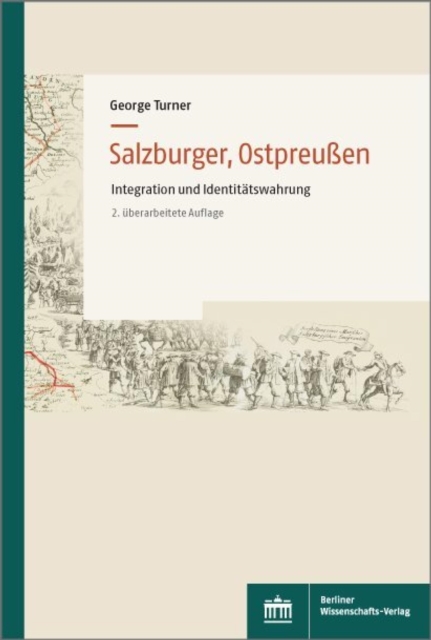
Vielleicht sind es Folgen des Lutherjahres: Offenbar ist das Interesse am Schicksal von Religionsflüchtlingen so groß, dass bereits drei Jahre nach Erscheinen der ersten Auflage eine zweite erforderlich wird.
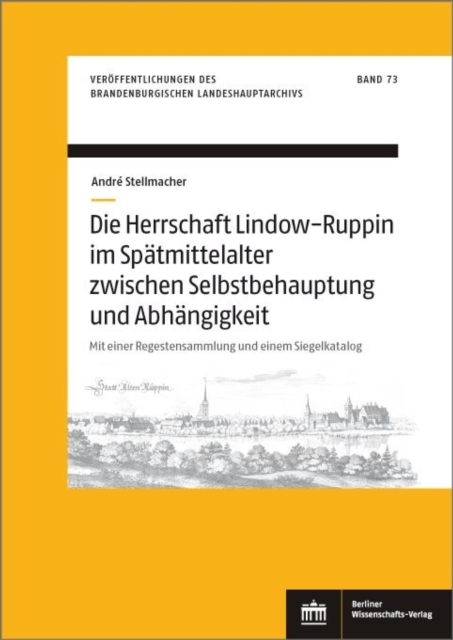
Obwohl die Herrschaft Lindow-Ruppin im Spätmittelalter eine zentrale Lage zwischen den großen Landesherrschaften im Osten des Reiches einnahm und sich ihre beiden Landesteile über eine weite Entfernung erstreckten, ist sie weitgehend in Vergessenheit geraten.
Die Flüchtlingsströme aus dem Nahen Osten rufen in Erinnerung, dass es eine solche Erscheinung auch in der deutschen Geschichte am Ende und nach Beendigung des Zweiten Weltkriegs gegeben hat.
50 Jahre Forschung über Hochschulen im Osten Deutschlands: 1964 war das Institut für Hochschulpolitik an der Humboldt-Universität zu Berlin gegründet worden.
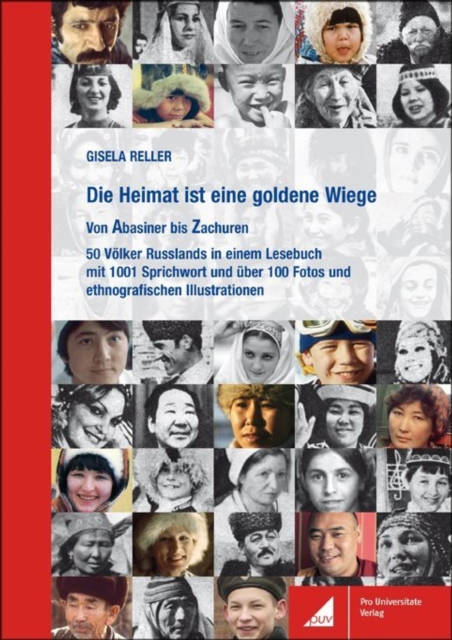
Vielen ist nicht bewusst, dass die Russländische Föderation – das flächenmäßig größte Land der Erde – nicht nur Heimat der Russen ist, sondern auch Heimat von über hundert nichtslawischen Völkern.
Aufsatze des Frankfurter Zeithistorikers Christoph Cornelien zum Wandel der modernen Geschichtswissenschaft und ihrer Position in der Erinnerungskultur.
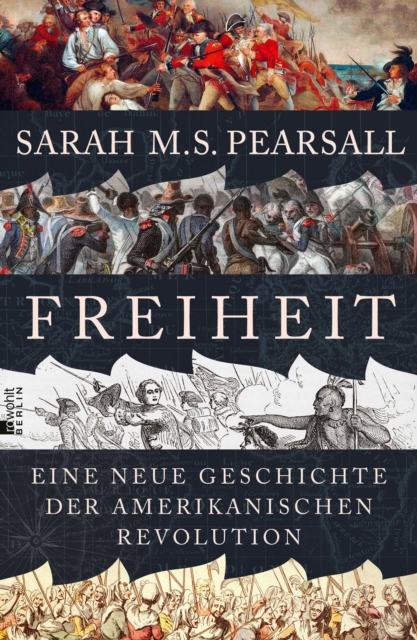
Die Amerikanische Revolution war ein Epochenereignis: Ohne die Unabhängigkeitserklärung von 1776 wären die Französische Revolution und der Wandel des «alten Kontinents» nicht denkbar gewesen.
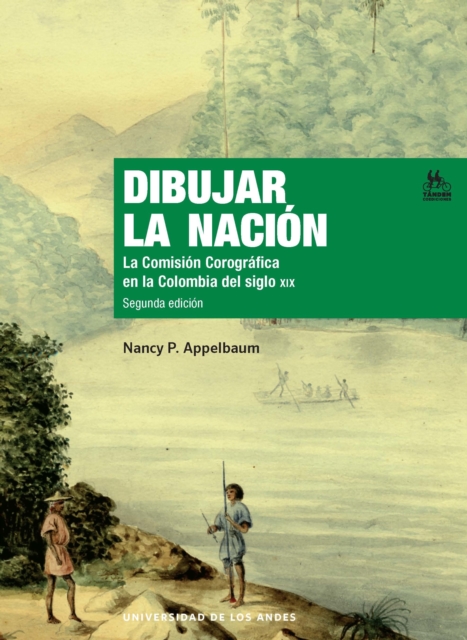
Premio Iberoamericano de Libro Académico del Siglo XIX (2017), otorgado por la Latin American Studies Association (LASA) «Dibujar la nación es un libro perspicaz y revolucionario que muestra las muchas contradicciones y paradojas del proceso de construcción de nación en Colombia, en particular, y en las Américas, en general, a mediados del siglo XIX.
Dentro de la amplia producción del Sello Editorial del IDPC, en estos últimos años el título más querido y aclamado de forma general por los lectores es el bogotálogo.
O mundo en xeral, e a sociedade galega en particular, está a experimentar profundos cambios asociados con procesos de dixitalización que afectan as organizacións e a nosa vida cotiá: os grandes riscos e as crises globais e, en concreto, o cambio climático e a transición ecolóxica que cambian os nosos océanos, os nosos montes; a nosa forma de consumir; o envellecemento da poboación que afecta a vida activa e o xeito de nos relacionar e de organizar as familias; o abandono do rural e a ordenación dos espazos que fan necesario mudar a estrutura tradicional de municipios e provincias por outras máis axeitadas; a posmodernidade e a forma de ordenar o traballo e o lecer.
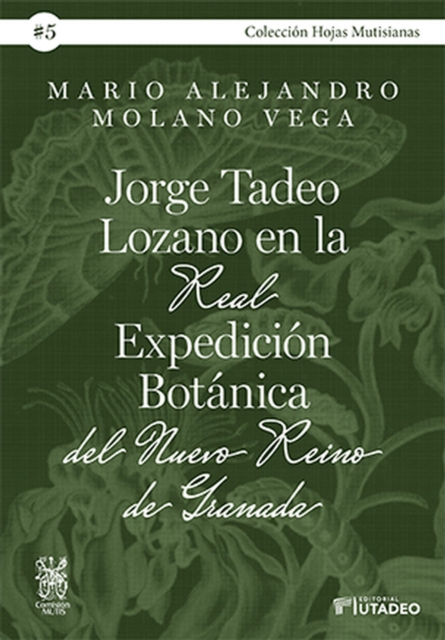
Lozano se unio oficialmente a la Expedicion Botanica el 23 de enero de 1803 como zoologo agregado, pero su vinculo con el circulo de los ilustrados neogranadinos comenzo en sus anos de formacion en filosofia en el Colegio del Rosario.
Zwei Weltmeistertitel, ein Olympiasieg und weitere Trophäen prägen den sportlichen Werdegang der italienischen Fußballnationalmannschaft ("Squadra Azzurra") in den 1930er Jahren.
This classic text, now extensively updated, is your portal to the world of witchcraft past, present and future Whether you are witch-curious or a practitioner ready to connect with like-minded souls, this sumptuous guide will illuminate a thrilling space in which to deepen your craft and create magick collectively.
Terrifying, compulsive, wonderful Daily Mail, Book of the Week An immensely knowledgeable and engaging guide The TimesA remarkable feat of scholarship and empathy Shelley Puhak, author of The Blood CountessAstounding .
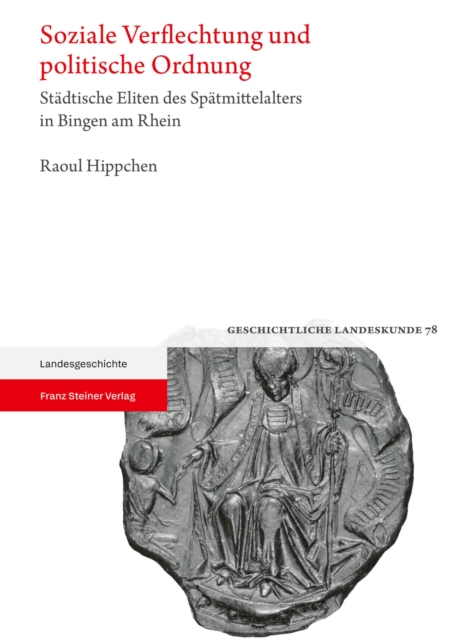
Unter der Prämisse, dass Sozial- und Verfassungsgeschichte untrennbar miteinander verbunden sind, richtet sich die Untersuchung auf die politischen Eliten der Stadt Bingen am Rhein vom 12.
Anhand der Entwicklung der Tübinger Frauenklinik von 1797 bis 1918 zeigt sich, wie medizinischer Fortschritt, gesellschaftliche Erwartungen und intentionelle Entscheidungen den Weg zur modernen Geburtshilfe formten.
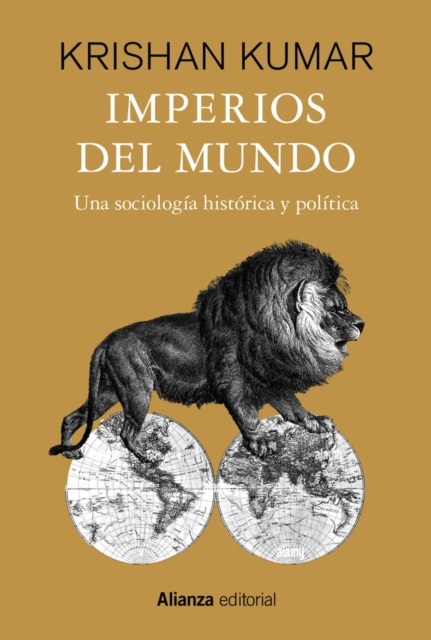
El imperio ha sido la forma de organización política más común durante la mayor parte de nuestra historia, pero las líneas que lo definen se han ido haciendo cada vez más borrosas.
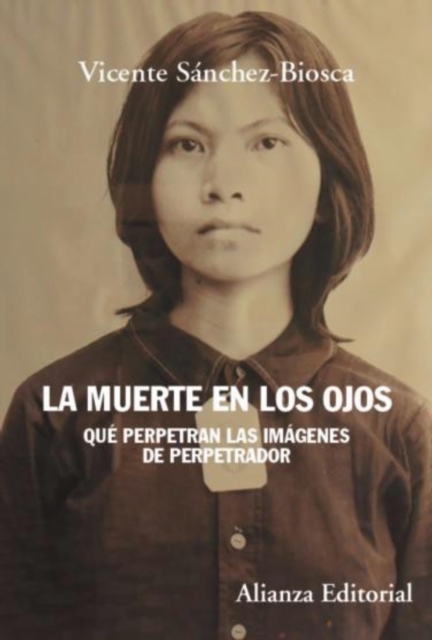
¿Qué tienen en común las fotografías de vejaciones humanas de Abu Ghraib, el álbum de Auschwitz y las fotos de prisioneros arrancadas por los torturadores de las más feroces dictaduras de Chile, Argentina, Brasil o Camboya?