A rich blend of history and spirituality, adventure and politics, laced with the thread of black comedy familiar to readers of William Dalrymple's previous work.
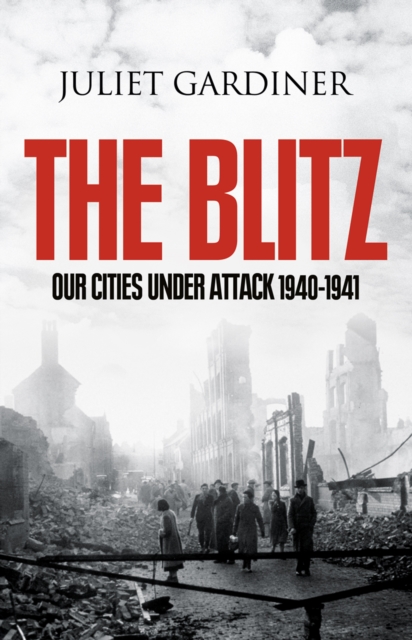
In a series of powerful accounts drawn from diaries, letters, sound archives and interviews recorded during the period of devastation, discovery and transformation that make the blitz such an outstanding event in Britain's recent past, "e;The Blitz"e; brings to life the intense experiences, as they happened all over Britain.
In his first book, award-winning radio and TV presenter Ryan Tubridy tells the fascinating story of the iconic president John F Kennedy's visit to Ireland.
"e;The Annals"e; is a history of the Roman Empire from the death of Augustus to that of Nero, the years AD 14-68, covering the reigns of Tiberius, Caligula, Claudius and Nero.
A trailblazing study of the social bandit or rebelBANDITS is a study of the social bandit or bandit-rebel - robbers and outlaws who are not regarded by public opinion as simple criminals, but rather as champions of social justice, as avengers or as primitive resistance fighters.
WINNER OF THE SOCIETY FOR MILITARY HISTORY'S DISTINGUISHED BOOK AWARD 2021SHORTLISTED FOR THE GILDER LEHRMAN PRIZE FOR MILITARY HISTORY AND THE BRITISH ARMY MILITARY BOOK OF THE YEAR AWARD A BBC HISTORY MAGAZINE BOOK OF THE YEAR 2019, AND FINANCIAL TIMES BOOK OF THE YEAR 2020'A masterpiece.
Dieses eBook: "Gesammelte politische Schriften" ist mit einem detaillierten und dynamischen Inhaltsverzeichnis versehen und wurde sorgfältig korrekturgelesen.
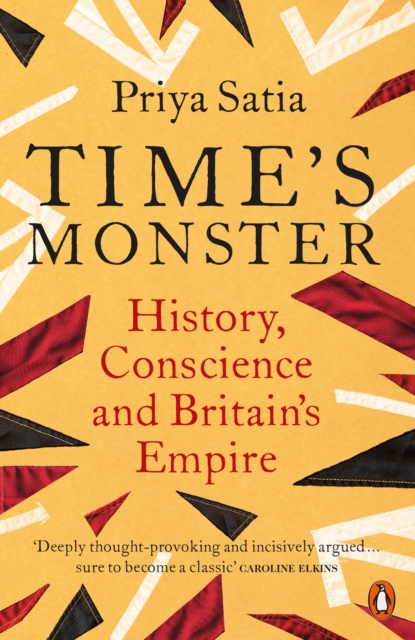
CHOSEN AS A BOOK OF THE YEAR BY NEW STATESMAN AND BBC HISTORY MAGAZINE'In this searing book, Priya Satia demonstrates, yet again, that she is one of our most brilliant and original historians' Sunil Amrith, author of Unruly WatersFor generations, the history of the British empire was written by its victors.
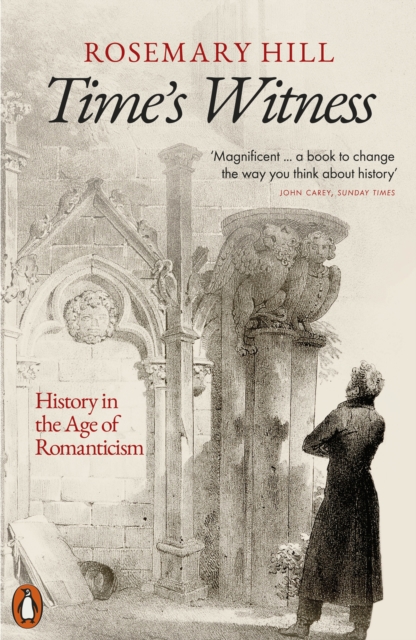
From the Wolfson Prize-winning author of God's Architect: Pugin and the Building of Romantic BritainBetween the fall of the Bastille in 1789 and the opening of the Great Exhibition in 1851, history changed.
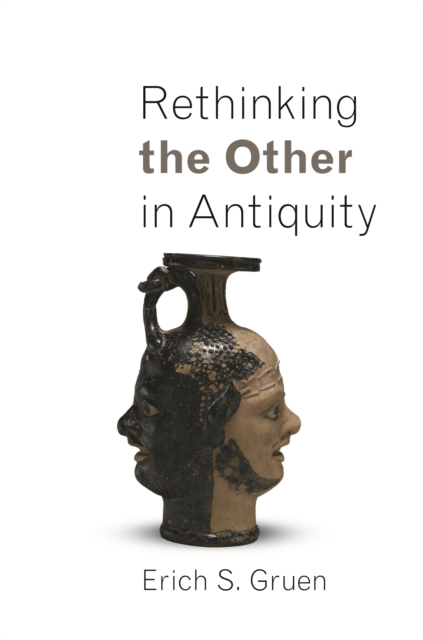
Prevalent among classicists today is the notion that Greeks, Romans, and Jews enhanced their own self-perception by contrasting themselves with the so-called Other--Egyptians, Phoenicians, Ethiopians, Gauls, and other foreigners--frequently through hostile stereotypes, distortions, and caricature.
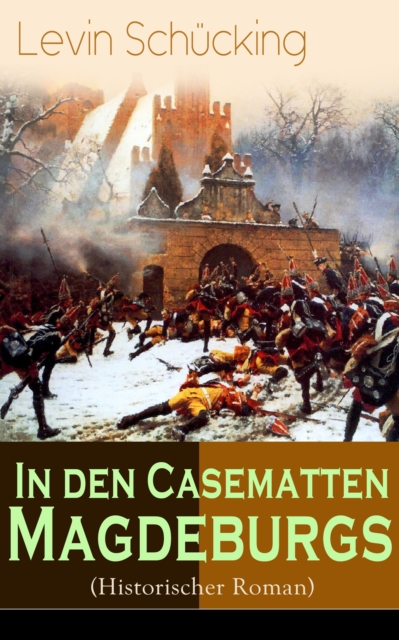
Dieses eBook: "In den Casematten Magdeburgs (Historischer Roman)" ist mit einem detaillierten und dynamischen Inhaltsverzeichnis versehen und wurde sorgfältig korrekturgelesen.
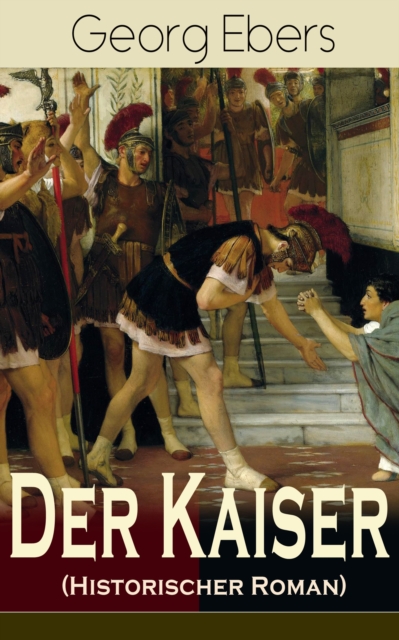
Dieses eBook: "Der Kaiser (Historischer Roman)" ist mit einem detaillierten und dynamischen Inhaltsverzeichnis versehen und wurde sorgfältig korrekturgelesen.
Die Kulturentwicklung des sogenannten Abendlands dreht sich um diese Achse des Verständnisses des Menschen, der immer klarer in seinem Wesen und in seiner Bedeutung im Rahmen der Wirklichkeit wurde und wird.
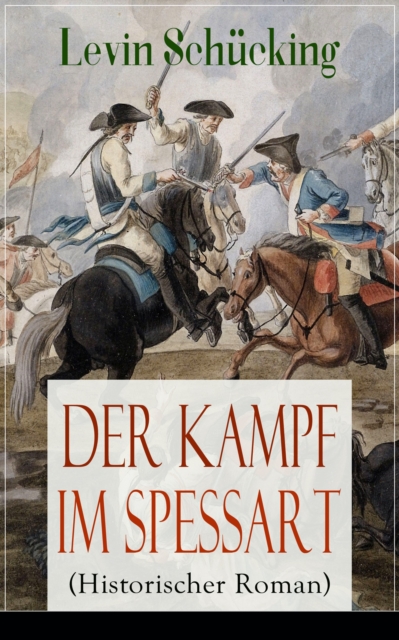
Dieses eBook: "Der Kampf im Spessart (Historischer Roman)" ist mit einem detaillierten und dynamischen Inhaltsverzeichnis versehen und wurde sorgfältig korrekturgelesen.