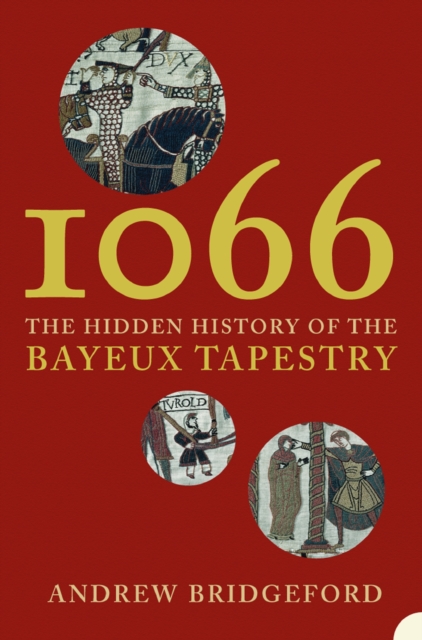
A brilliant new reading of the Bayeux Tapestry that radically alters our understanding of the events of 1066 and reveals the astonishing story of the survival of early medieval Europe's greatest treasure.
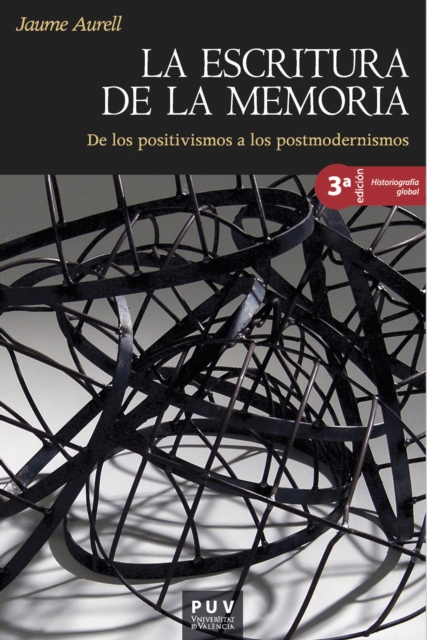
Este vibrante recorrido por la historiografia de los siglos XX y XXI, que combina el desarrollo de la teoria con la referencia a autores y obras concretas, repasa las corrientes que han dominado la disciplina historica durante ese periodo: desde el surgimiento de los positivismos decimononicos hasta las terceras vias superadoras del postmodernismo a principios del siglo XXI, destacando los capitulos dedicados a las tendencias mas recientes: la historia de la cultura material, la vida cotidiana y las emociones, la historia de genero, las historias subalternas, los estudios postcoloniales y las historias globales.
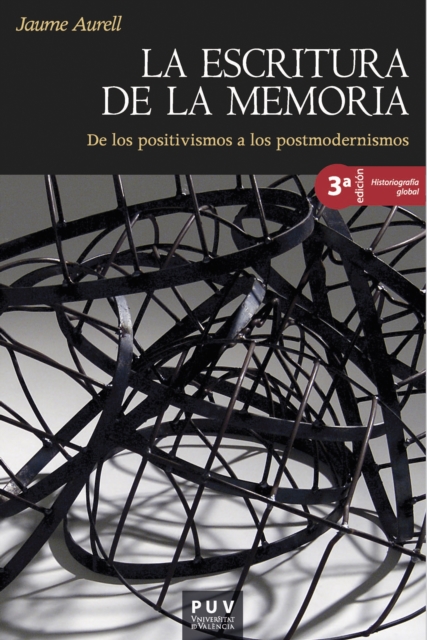
Este vibrante recorrido por la historiografia de los siglos XX y XXI, que combina el desarrollo de la teoria con la referencia a autores y obras concretas, repasa las corrientes que han dominado la disciplina historica durante ese periodo: desde el surgimiento de los positivismos decimononicos hasta las terceras vias superadoras del postmodernismo a principios del siglo XXI, destacando los capitulos dedicados a las tendencias mas recientes: la historia de la cultura material, la vida cotidiana y las emociones, la historia de genero, las historias subalternas, los estudios postcoloniales y las historias globales.
Este libro es un homenaje a uno de los intelectuales más destacados del siglo xix mexicano, cuyo legado aún es fundamental para la historiografía y la filología nacionales.
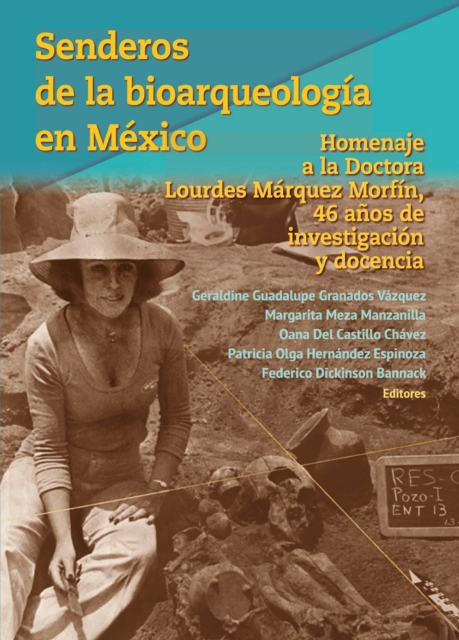
Senderos de la bioarqueología en México celebra la trayectoria de la doctora Lourdes Márquez Morfín, figura fundamental en la formación y consolidación de la bioarqueología mexicana.
Reúne un conjunto de investigaciones que reflexionan sobre la relevancia de la arqueología como disciplina fundamental para enriquecer la comprensión de la historia colonial de México y América Latina.
Desde que el humanismo se empe�� en rescatar el conocimiento antiguo se viene cultivando una suerte de ejercicio reflexivo a modo de acompa�amiento de la ense�anza y pr�ctica de diversas artes, al que se le ha entendido tambi�n como un arte.
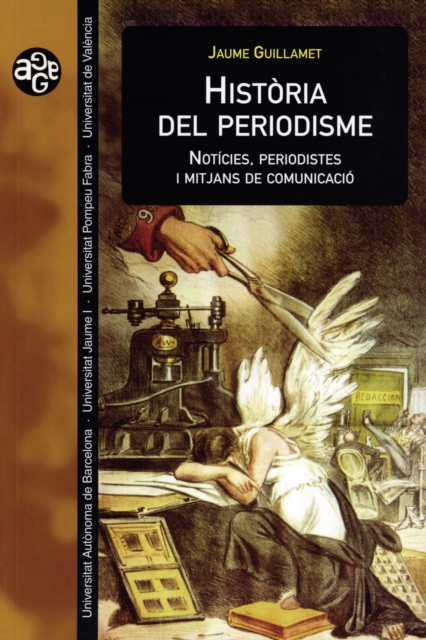
Jaume Guillamet planteja una lectura global de l'evolució del periodisme, des dels fulls de notícies manuscrites i impreses dels segles XVI i XVII fins a la diversitat present de mitjans impresos i electrònics, textuals i audiovisuals.
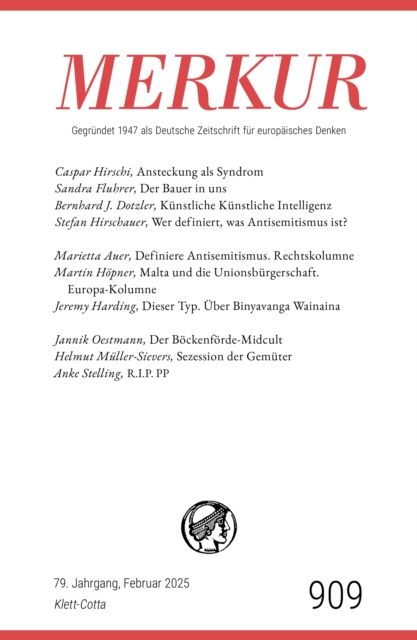
Der Begriff der "Ansteckung" ist in erster Linie aus dem Bereich des Gesundheitswesens vertraut – hat aber in jüngerer Vergangenheit darüber hinaus Karriere gemacht: Caspar Hirschi hat sich das für den Bereich der Ausbreitung von Gewalt und des Finanzwesens genauer angesehen.
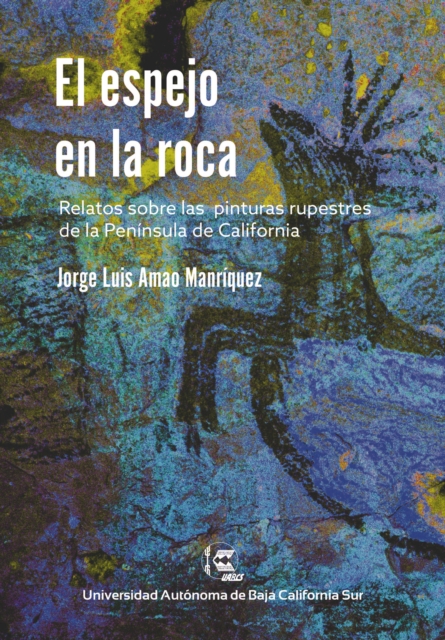
Este libro aborda el tema de las pinturas rupestres desde el campo de la historia con el apoyo de diferentes disciplinas con la finalidad de lograr las lecturas de algunos lienzos de piedra de diferentes sitios de la península de Baja California.
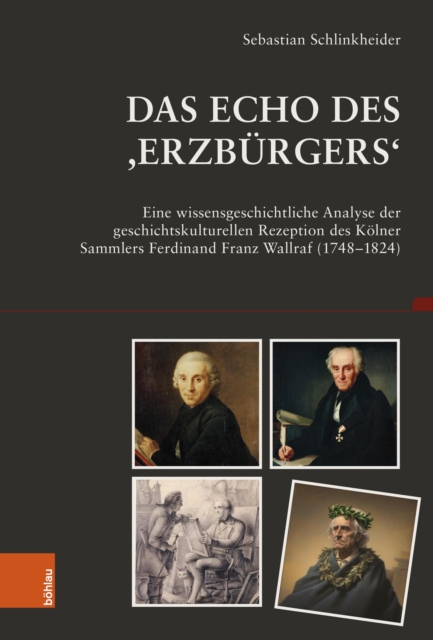
Sebastian Schlinkheider beleuchtet ausführlich die geschichtskulturelle Verarbeitung des Sammlers Ferdinand Franz Wallraf in den vergangenen rund 200 Jahren: Vor allem die Figur des 'Erzbürgers' Wallraf stellt geradezu eine Personifikation der städtischen Kultur dar, die seit seinem Tod 1824 seinen Mitbürger:innen vielfältige Identifikationspotentiale geboten hat und bietet.
Atendiendo a las consecuencias históricas y a la realidad social de posacuerdo en Colombia, se consideran en este trabajo postulados teleológicos, para la universidad soportados en la obra del filósofo colombiano Estanislao Zuleta y sus aportes teóricos sobre tres conceptos nucleares: el conflicto, la diferencia y el diálogo.
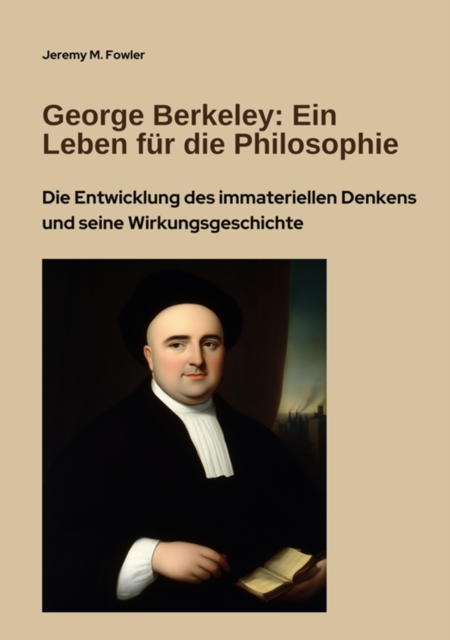
George Berkeley (1685–1753) war nicht nur ein scharfsinniger Denker seiner Zeit, sondern ein Philosoph, der die Vorstellungen von Realität und Existenz revolutionierte.
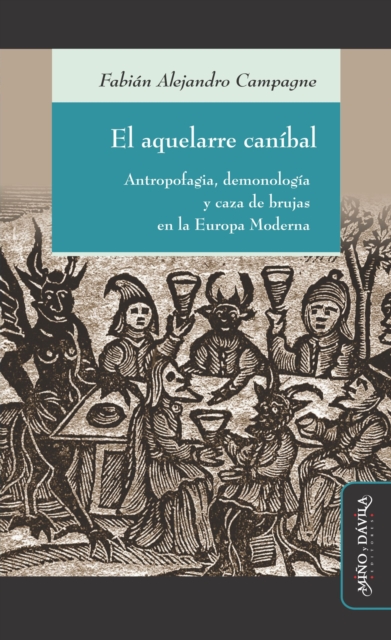
¿Es la bruja caníbal del imaginario renacentista un monstruo interno o externo a la comunidad cristiana que la fabrica y que la persigue, que la inventa para aniquilarla?
Este libro, motivado por la apuesta politica feminista de su autora, presenta una investigacion historica que analiza, desde una perspectiva de genero, los discursos y practicas judiciales, legales y medicas en torno a la violacion de mujeres (ninas y adolescentes) en Colombia, entre 1936 y 1960.
Consagrada a estudiar el papel desempeñado por lo escrito entre el fin de la Edad Media y el tiempo presente, la cátedra "Escrito y cultura en la Europa moderna" fue inaugurada por Roger Chartier en el Collège de France en octubre de 2007.
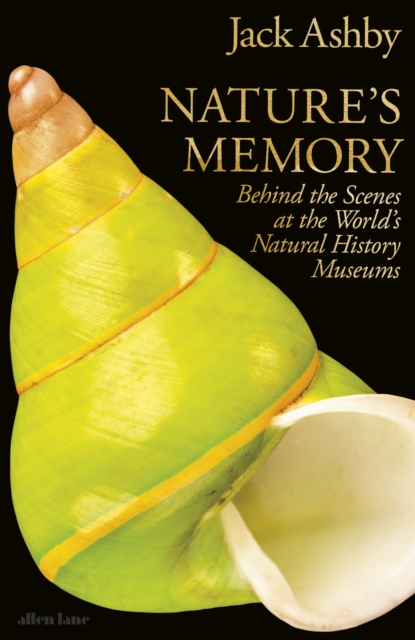
A 'compelling, arresting' (New Scientist) behind-the-scenes tour through the world's greatest natural history museums, revealing their hidden secrets Zoologist Jack Ashby spends his life working in Britain's natural history museums, and in Nature's Memory he guides us through a series of extraordinary collections, from marvellous mounted whale skeletons and impossibly tiny insect cabinets to buried treasures in vast museum storehouses.
This book attempts something that the destruction of 146 BCE made permanently difficult: a comprehensive account of Carthaginian civilization from its Phoenician origins to its Roman afterlife, grounded in the available evidence and honest about its limits.
En este libro un grupo de historiadores y juristas responden a una batería de preguntas sobre una problemática crucial en una sociedad hiperacelerada como la nuestra, en donde las nociones de justicia, historia y política aparecen cada día más enredadas.
Die Autorinnen und Autoren dieses Bandes gehen der grundlegenden Frage nach, ob und inwiefern regional- und lokalgeschichtliche Perspektivierungen besondere Lernpotenziale für Kinder und Jugendliche wie auch für historisch interessierte Erwachsene bieten.