Im Anschluss an Publikationen zum Spätmittelalter und zur Frühen Neuzeit nimmt der vorliegende Tagungsband die Wirtschaftsgeschichte Oberschwabens von 1850 bis zur Gegenwart in den Blick.
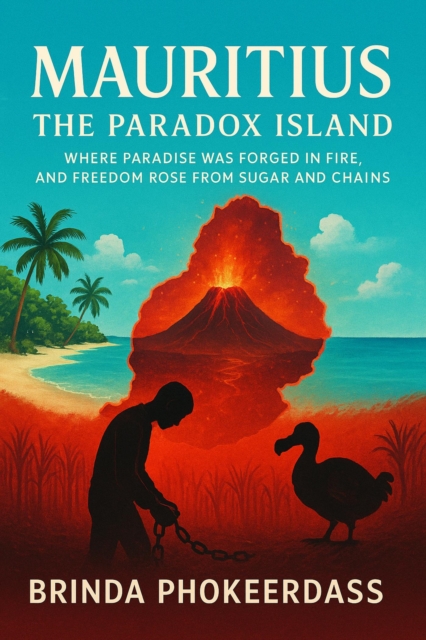
Mauritius – The Paradox IslandBy Brinda PhokeerdassBeneath the postcard perfection of Mauritius lies a history of volcanic fury, human suffering, and astonishing resilience.
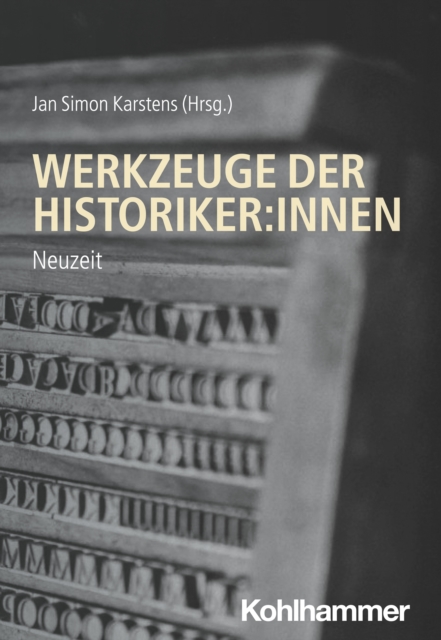
Denkmäler konzipieren, eine Netflix-Serie entwerfen, mit Spielzeug eine Klassenzimmerausstellung gestalten – diese umfassende Methodensammlung inspiriert mit involvierenden Ideen zu einem zeitgemäßen Geschichtsunterricht.
Historisch-politische Bildung hat die Aufgabe, demokratische Werte zu vermitteln, gesellschaftliche Teilhabe zu ermöglichen und zur Selbstbestimmung in der Gesellschaft zu befähigen.
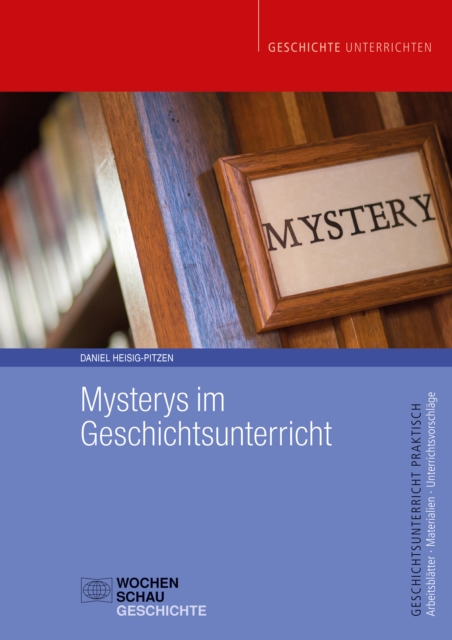
Mysterys sind herausfordernde, schüleraktivierende Unterrichtssettings, bei denen die Lernenden sich mit unterschiedlichen Materialien auseinandersetzen, um einem historischen Rätsel auf die Spur kommen.
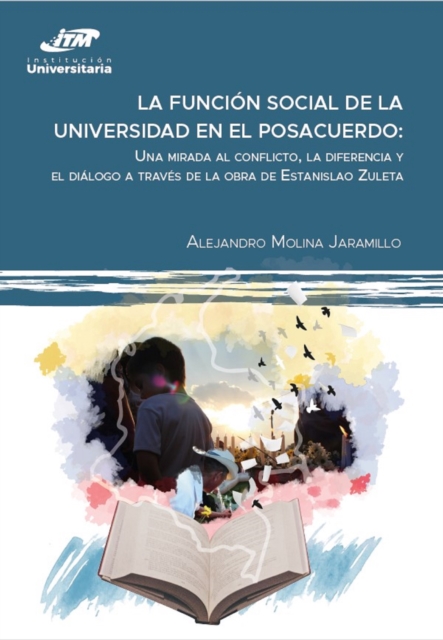
Atendiendo a las consecuencias históricas y a la realidad social de posacuerdo en Colombia, se consideran en este trabajo postulados teleológicos, para la universidad soportados en la obra del filósofo colombiano Estanislao Zuleta y sus aportes teóricos sobre tres conceptos nucleares: el conflicto, la diferencia y el diálogo.
Die in diesem Band versammelten Beiträge widmen sich aktuellen Fragen zu Geschichtskultur und digitalem Wandel: Was passiert mit gesellschaftlich geteilten Geschichten, wenn sich Öffentlichkeit und gesellschaftliche Aushandlungsprozesse immer mehr in den digitalen Raum verlagern und sogar zu ihrem Ausgangspunkt werden?
Auch wenn die besondere "Authentizität", die Briefen als Zeugnissen der Vergangenheit gern zugeschrieben wird, angezweifelt werden muss, geben sie als bewusst oder unbewusst inszenierte Selbstbilder Aufschluss über die Vergangenheit.
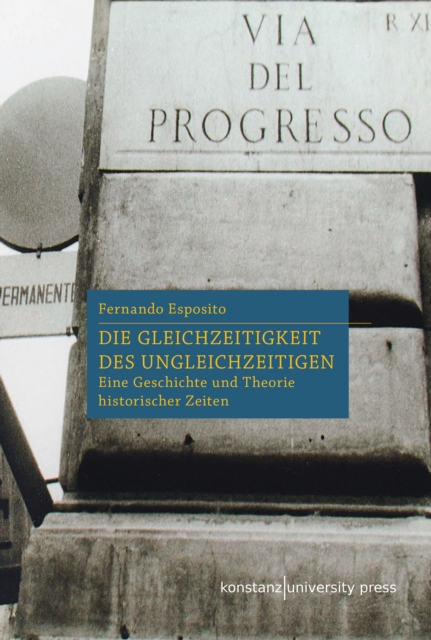
Fernando Esposito erzählt eine Geschichte und Theorie historischer Zeiten und plädiert für einen Aufbruch ins wilde Dickicht einer vielzeitigen Geschichte.
Este libro es un viaje por las mentes más brillantes y renovadoras de la historia contemporánea: diez historiadores e historiadoras fundamentales exploran los temas a los que se han dedicado, mientras recorren sus biografías y sus trayectorias.
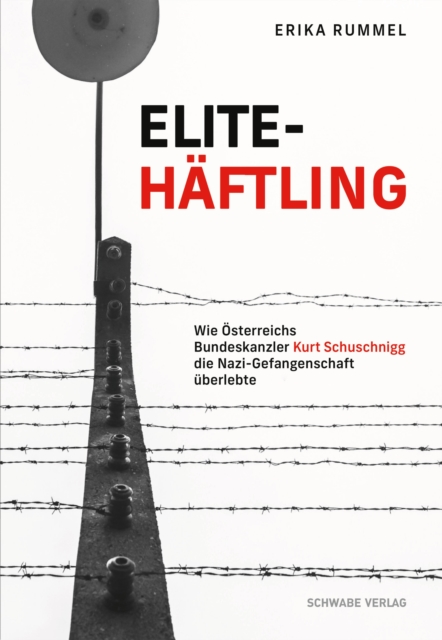
Nach dem «Anschluss» 1938 zwangen die Nazis den österreichischen Bundeskanzler Kurt Schuschnigg zum Rücktritt und hielten ihn sieben Jahre lang in Haft, bis ihn 1945 die Alliierten befreiten.
A traves de una serie de casos mas o menos anomalos, el reconocido historiador italiano Carlo Ginzburg reflexiona sobre las imagenes en el arte y su largo dialogo con las palabras: De Vasari a Aby Warburg; de Federico Zeri a Anthony Grafton; de Francis Galton a Freud y Wittgenstein.
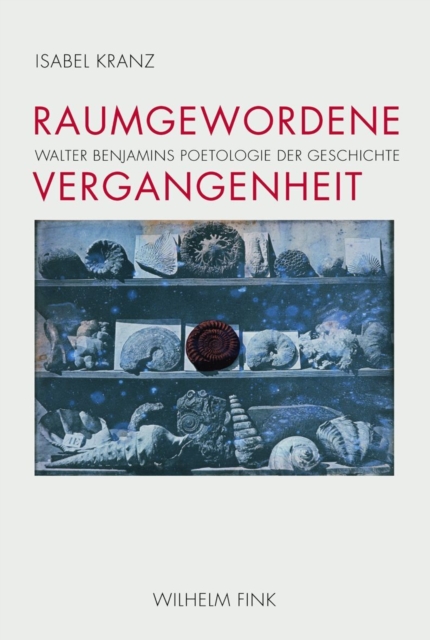
Die Emanzipation der modernen Menschen von übermächtigen Bedingungen traut Benjamin nicht den Individuen selbst zu, sondern nur einer übersubjektiv-messianischen Instanz.
Als Fortsetzer des Kirchenvaters Hieronymus befasst sich Prosper Tiro als einer von wenigen zeitgenossischen Autoren mit der Geschichte des Westromischen Reichs in der ersten Halfte des 5.
Die beiden anonym überlieferten und eng miteinander verwandten gallischen Chroniken, die nach den jeweiligen Endpunkten ihrer Berichte als "Chronik von 452" und "Chronik von 511" bezeichnet werden, befassen sich als Fortsetzungen der Chronik des Hieronymus mit der Geschichte des Weströmischen Reichs, insbesondere Galliens, im 5.
Die Kirchengeschichte des Philostorgios entfaltet aus dem Blickwinkel der Eunomianer, einer in den dogmatischen Kämpfen des fünften Jahrhunderts unterlegenen Richtung, ein Panorama der Zeit von 305 bis 425, mit eingehenden Beschreibungen innerkirchlicher Intrigen, mit oft detaillierten Darstellungen ereignisgeschichtlicher Zusammenhänge, mit geographischen und naturwissenschaftlichen Exkursen.
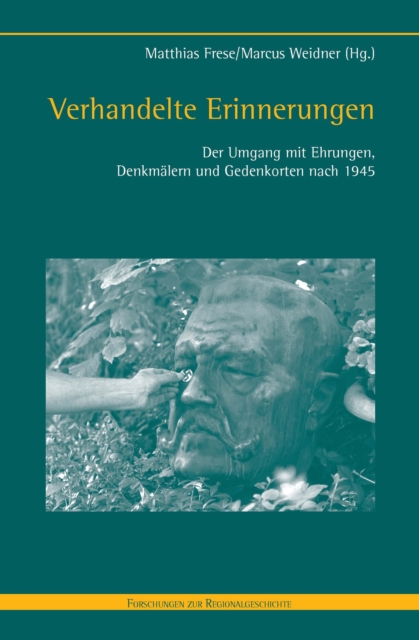
Erinnerung, Ehrung und Politik beschreiben einen Spannungsbogen, der viele Auseinandersetzungen um Gedenkstätten, Denkmäler, Erinnerungsplätze und Namensgeber von Preisen, Gebäuden oder Straßen kennzeichnet.
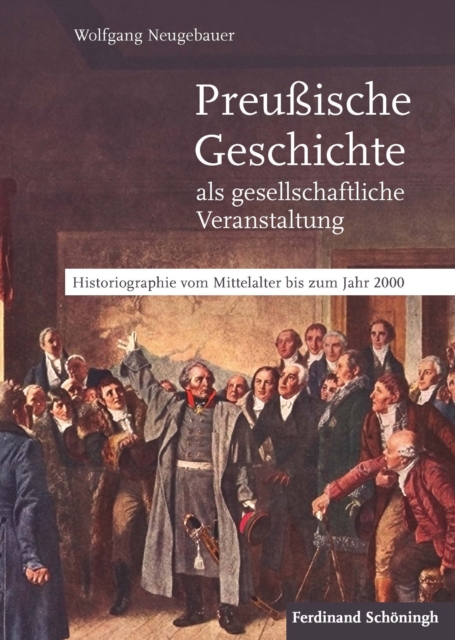
Der Berliner Historiker Wolfgang Neugebauer schildert, wie vom Mittelalter bis heute das Wissen von der preußischen Geschichte und unser Bild von Preußen entstanden ist.
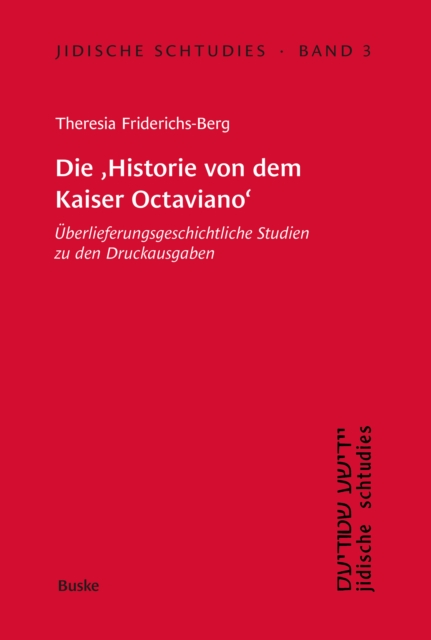
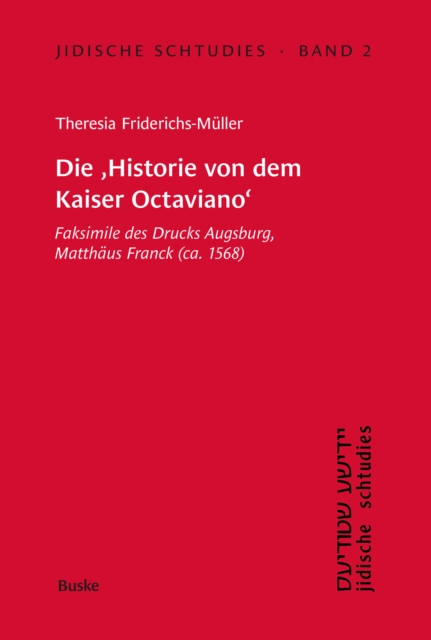
Die jidischen schtudies gehören zu den wenigen Reihen im deutschen Sprachraum, in denen Editionen jiddischer literarischer Werke sowie Beiträge zur Geschichte der Sprache und Literatur der aschkenasischen Juden veröffentlicht werden.
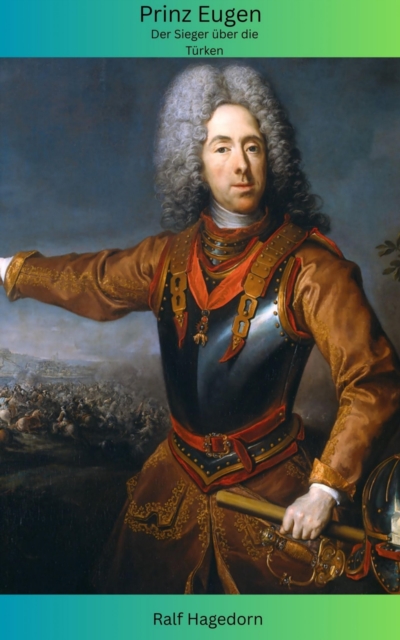
In dieser fesselnden Biografie wird das Leben einer der bedeutendsten Gestalten der europäischen Geschichte neu erzählt: Prinz Eugen von Savoyen (1663–1736).
Die jidischen schtudies gehören zu den wenigen Reihen im deutschen Sprachraum, in denen Editionen jiddischer literarischer Werke sowie Beiträge zur Geschichte der Sprache und Literatur der aschkenasischen Juden veröffentlicht werden.
Die jidischen schtudies gehören zu den wenigen Reihen im deutschen Sprachraum, in denen Editionen jiddischer literarischer Werke sowie Beiträge zur Geschichte der Sprache und Literatur der aschkenasischen Juden veröffentlicht werden.