Completed in 1938, the Trans-Iranian Railway connected Tehran to Iran's two major bodies of water: the Caspian Sea in the north and the Persian Gulf in the south.
Hotter and dryer than most parts of the world, the Middle East could soon see climate change exacerbate food and water shortages, aggravate social inequalities, and drive displacement and political destabilization.
Within the broad contours of Islamic traditions, Muslims are enjoined to fast during the month of Ramadan, they are invited to a disciplined practice of prayer, and they are offered the Quran as the divine revelation in the most beautiful verbal form.
Among the Jewish writers who emigrated from Eastern Europe to France in the 1910s and 1920s, a number chose to switch from writing in their languages of origin to writing primarily in French, a language that represented both a literary center and the promises of French universalism.
This book offers a provocative retelling of Palestinian political history through an examination of the international commissions that have investigated political violence and human rights violations.
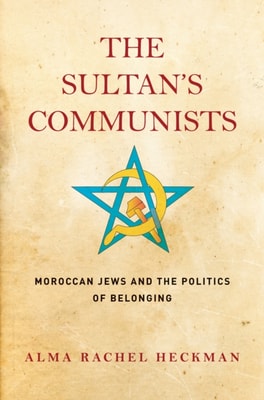
The Sultan's Communists uncovers the history of Jewish radical involvement in Morocco's national liberation project and examines how Moroccan Jews envisioned themselves participating as citizens in a newly-independent Morocco.
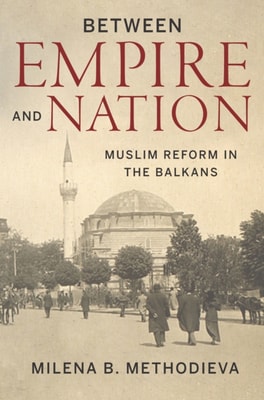
Between Empire and Nation tells the story of the transformation of the Muslim community in modern Bulgaria during a period of imperial dissolution, conflicting national and imperial enterprises, and the emergence of new national and ethnic identities.
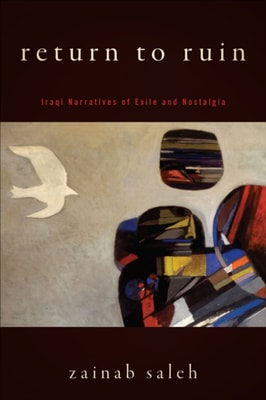
This volume of exiles' accounts "e;[uses] the stories as springboards to discussing Iraqi history, politicization, and diasporic experiences in depth"e; (International Journal of Middle East Studies).
This cultural history reveals how cats became the undisputed mascot of the internet-"e;an essential look at life online"e; (Ryan Milner, author of The World Made Meme).
Poetry has long dominated the cultural landscape of modern Iraq, simultaneously representing the literary pinnacle of high culture and giving voice to the popular discourses of mass culture.
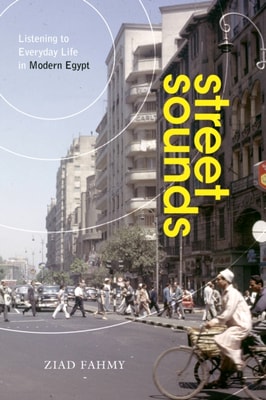
As the twentieth century roared on, transformative technologies-from trains, trams, and automobiles to radios and loudspeakers-fundamentally changed the sounds of the Egyptian streets.
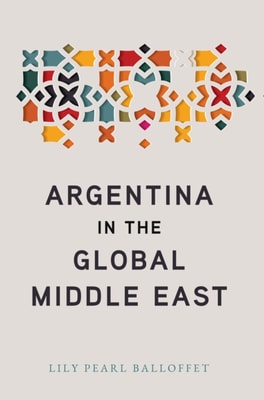
Argentina lies at the heart of the American hemisphere's history of global migration booms of the mid-nineteenth to early twentieth century: by 1910, one of every three Argentine residents was an immigrant-twice the demographic impact that the United States experienced in the boom period.
A National Endowment for Democracy Notable Book of 2022Protest has been a key method of political claim-making in Jordan from the late Ottoman period to the present day.
The fourth edition of this classic work provides a systematic, comparative assessment of the efforts of major immigrant-receiving countries and the European Union to manage migration, paying particular attention to the dilemmas of immigration control and immigrant integration.
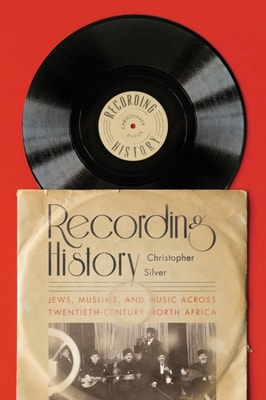
A new history of twentieth-century North Africa, that gives voice to the musicians who defined an era and the vibrant recording industry that carried their popular sounds from the colonial period through decolonization.
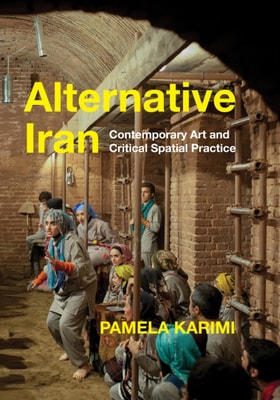
Alternative Iran offers a unique contribution to the field of contemporary art, investigating how Iranian artists engage with space and site amid the pressures of the art market and the state's regulatory regimes.
Sayyid Fadl, a descendant of the Prophet Muhammad, led a unique life-one that spanned much of the nineteenth century and connected India, Arabia, and the Ottoman Empire.
In recent decades, Palestinian heritage organizations have launched numerous urban regeneration and museum projects across the West Bank in response to the enduring Israeli occupation.
The compelling life story of Armenian ceramicist David Ohannessian, whose work changed the face of Jerusalem-and a granddaughter's search for his legacy.
Iraq was the first postcolonial state recognized as legally sovereign by the League of Nations amid the twentieth-century wave of decolonization movements.
The 1923 Greek-Turkish population exchange forcibly relocated one and a half million people: Muslims in Greece were resettled in Turkey, and Greek Orthodox Christians in Turkey were moved to Greece.