Attitudes toward homosexuality in the pre-modern Arab-Islamic world are commonly depicted as schizophrenic-visible and tolerated on one hand, prohibited by Islam on the other.
On April 10, 2003, as the world watched a statue of Saddam Hussein come crashing down in the heart of Baghdad, a mob of looters attacked the Iraq National Museum.
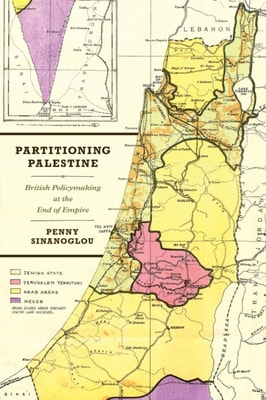
Partitioning Palestine is the first history of the ideological and political forces that led to the idea of partition-that is, a division of territory and sovereignty-in British mandate Palestine in the first half of the twentieth century.
The recent reopening of Iraq's National Museum attracted worldwide attention, underscoring the country's dual image as both the cradle of civilization and a contemporary geopolitical battleground.
Bridging the gap between migration studies and the anthropological tradition, Ghassan Hage illustrates that transnationality and its attendant cultural consequences are not necessarily at odds with classic theory.
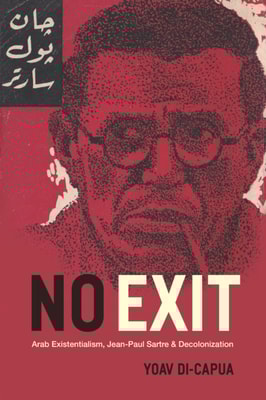
It is a curious and relatively little-known fact that for two decades-from the end of World War II until the late 1960s-existentialism's most fertile ground outside of Europe was in the Middle East, and Jean-Paul Sartre was the Arab intelligentsia's uncontested champion.
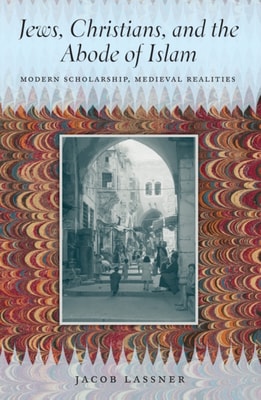
In Jews, Christians, and the Abode of Islam, Jacob Lassner examines the triangular relationship that during the Middle Ages defined-and continues to define today-the political and cultural interaction among the three Abrahamic faiths.
While the twentieth century's conflicting visions and exploitation of the Middle East are well documented, the origins of the concept of the Middle East itself have been largely ignored.
Controversial megachurch pastor Mark Driscoll proclaimed from a conference stage in 2013, "e;I know who made the environment and he's coming back and going to burn it all up.
From the beginning of the colonial period to the recent conflicts in the Middle East, encounters with the Muslim world have helped Americans define national identity and purpose.
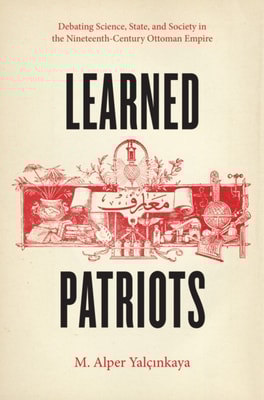
The nineteenth century was, for many societies, a period of coming to grips with the growing, and seemingly unstoppable, domination of the world by the "e;Great Powers"e; of Europe.
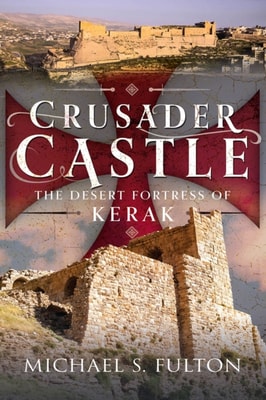
This is the ultimate history and guide to Kerak, one of the greatest crusader castles, tracing the architectural history of the castle over the course of 800 years.
In the years since the end of apartheid, South Africans have enjoyed a progressive constitution, considerable access to social services for the poor and sick, and a booming economy that has made their nation into one of the wealthiest on the continent.
The state of Israel is often spoken of as a haven for the Jewish people, a place rooted in the story of a nation dispersed, wandering the earth in search of their homeland.
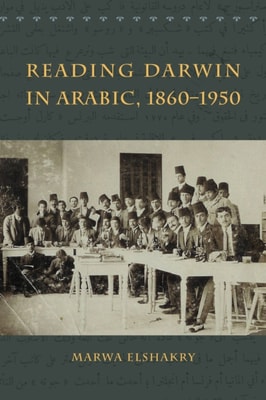
In Reading Darwin in Arabic, Marwa Elshakry questions current ideas about Islam, science, and secularism by exploring the ways in which Darwin was read in Arabic from the late 1860s to the mid-twentieth century.
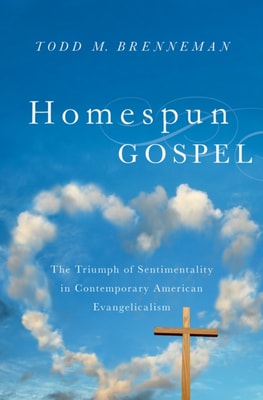
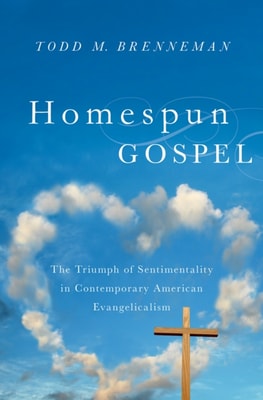
In popular evangelical literature, God is loving and friendly, described in heartfelt, often saccharine language that evokes nostalgia, comfortable domesticity, and familial love.
In popular evangelical literature, God is loving and friendly, described in heartfelt, often saccharine language that evokes nostalgia, comfortable domesticity, and familial love.
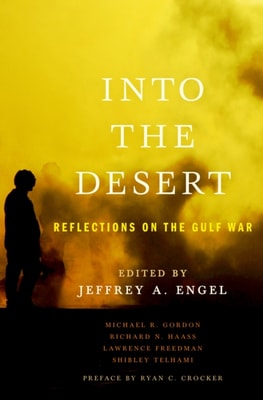
In the decade following the first Gulf War, most observers regarded it as an exemplary effort by the international community to lawfully and forcefully hold a regional aggressor in check.
In the late 1980s, the Alevis, at that time thought to be largely assimilated into the secular Turkish mainstream, began to assert their difference as they never had before.
This volume of essays presents a compelling and comprehensive analysis of the intriguing issue of the gift of the land of Israel and the fate of the Canaanites as presented in diverse biblical sources.
Winner of the Award for Excellence in the Study of Religion: Textual Studies from the American Academy of ReligionFakhr al-Din al-Razi (1148 - 1210) wrote prolifically in the disciplines of theology, Quranic exegesis, and philosophy.
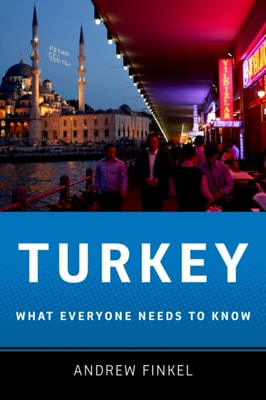
Turkey occupies a strategic position in today's world: the only predominantly Muslim nation to be a member of NATO and an ally of Israel, it straddles both Europe and Asia.
Turkey occupies a strategic position in today's world: the only predominantly Muslim nation to be a member of NATO and an ally of Israel, it straddles both Europe and Asia.
Abdul-Rahman Mustafa offers a deft new translation of a large extract from the book I'lam al Muwaqqi'in 'An Rabb al 'Alamin, by the thirteenth-century Islamic scholar, Ibn Qayyim al Jawziyya.