The Iranian cleric Ayatollah Montazeri (1922-2009) played an integral role in the founding of the Islamic Republic in the wake of the Iranian Revolution of 1978/9.
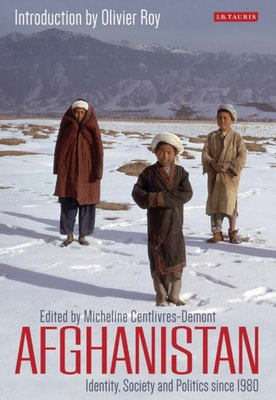
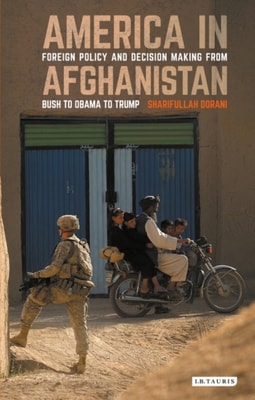
Over the last three decades Afghanistan has been plagued by crisis - from Soviet invasion in 1979 and Taliban rule to US invasion following the events of 9/11.
Ibn Jubayr's account of his journey from his home in then Islamic Spain to the holy cities of Mecca and Medina, Syria, the Crusader Kingdoms and ultimately Egypt is a landmark text for the study and understanding of the Medieval Islamic World.
The eruption of violent sectarianism in Iraq following the US invasion in 2003 brought the question of Sunni-Shi'i relations in the country to the forefront of the international public agenda.
Zhand Shakibi presents a new interpretation of the political and social dynamics of the last decade of the Shah's rule that challenges the binary view of pro-West Shah and anti-West Ayatollah by drawing attention to the Pahlavi state's reaction to the intellectual and societal backlash against cultural and moral Occidentalism in its last decade.
Modern Chaldeans are an Aramaic speaking Catholic Syriac community from northern Iraq, not to be confused with the ancient Mesopotamian civilization of the same name.
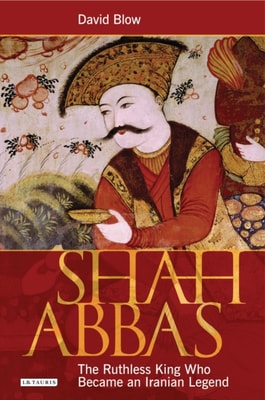
The Ottoman–Safavid conflict was viewed by the countries of Europe as being beneficial to their interests and there was therefore a subsequent hunger for up-to-date intelligence of events in that part of the world.
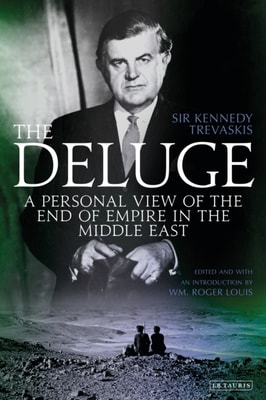
Sir Kennedy Trevaskis was the last High Commissioner of South Arabia - a role he held from 1963-1965, which provided the pinnacle of his career and yet also his ultimate failure.
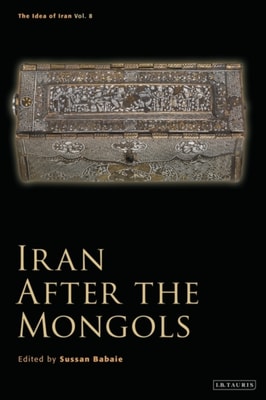
Following the devastating Mongol conquest of Baghdad in 1258, the domination of the Abbasids declined leading to successor polities, chiefly among them the Ilkhanate in Greater Iran, Iraq and the Caucasus.
Afghanistan has been a theatre of civil and international conflict for much of the twentieth century – stability is essential if there is to be peace in the Greater Middle East.
During the EOKA period of Greek Cypriot revolt against British colonial rule, the Greek Cypriots and the British deployed propaganda as a means of swaying allegiances, both within Cyprus and on the international scene.
At an auction in Edinburgh in 2010, the sale of an old walking stick belonging to a British officer, Captain Gill, shed new light on one of the mysterious crimes of the Victorian era.
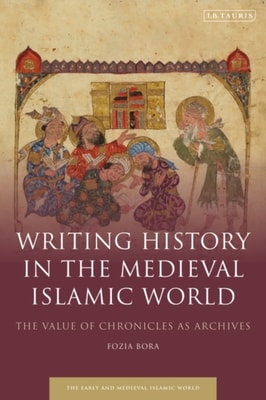
In the 'encyclopaedic' fourteenth century, Arabic chronicles produced in Mamluk cities bore textual witness to both recent and bygone history, including that of the Fatimids (969–1171CE).
Turkish Intelligence and the Cold War examines the hitherto unexplored history of secret intelligence cooperation between three asymmetric partners specifically the UK, US and Turkey from the end of the Second World War until the Turkey's first military coup d' tat on 27 May 1960.
Few images are as evocative as the silhouette of the Arab dhow as, under full sail, it tacks to windward on glittering waters of Red Sea before moving across the face of the rising or setting sun.
The uprisings of 2011, which erupted so unexpectedly and spread across the Middle East, once again propelled the armies of the region to the centre of the political stage.
Shi`i Ismaili Muslims are unique in following for centuries a living, hereditary Imam (spiritual leader), whom they believe to be directly descended from the Prophet Muhammad.
The Mongol invasions in the first half of the thirteenth century led to profound and shattering changes to the historical trajectory of Islamic West Asia.
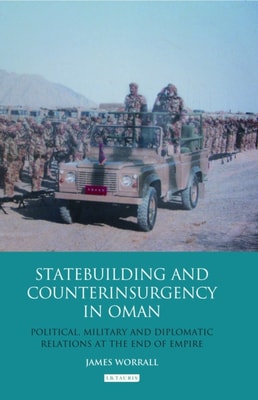
In the depths of the Cold War and in the wake of Britain's announcement of its intention to withdraw 'East of Suez' by the end of 1971, Britain was faced with the stark reality of a Marxist rebellion in the Dhofar province of Oman.
Whether defined as essentially 'Turkish', and therefore alien to the Lebanese experience, or remembered in its final years as a tyrannical and brutal dictatorship, the period has not been thought of fondly in most Lebanese historiography.
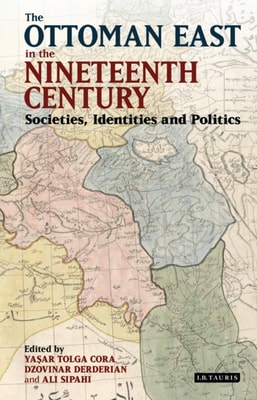
The Ottoman East what is also called Western Armenia, Northern Kurdistan or Eastern Anatolia compared to other peripheries of the Ottoman Empire, has received very little attention in Ottoman historiography.
The 'Cedar Revolution' in Lebanon, which was sparked by the assassination of former Prime Minister Rafiq Hariri on 14 February 2005, was seen by many as an opportunity for Lebanon's fragile political system to move towards a more stable form of democracy.
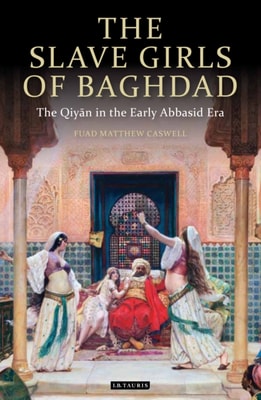
The history of courtesans and slave girls in the medieval Arab world transcends traditional boundaries of study and opens up new fields of sociological and cultural enquiry.
Ibn Jubayr's account of his journey from his home in then Islamic Spain to the holy cities of Mecca and Medina, Syria, the Crusader Kingdoms and ultimately Egypt is a landmark text for the study and understanding of the Medieval Islamic World.