Emperor Theodosius (379-95) was the last Roman emperor to rule a unified empire of East and West and his reign represents a turning point in the policies and fortunes of the Late Roman Empire.
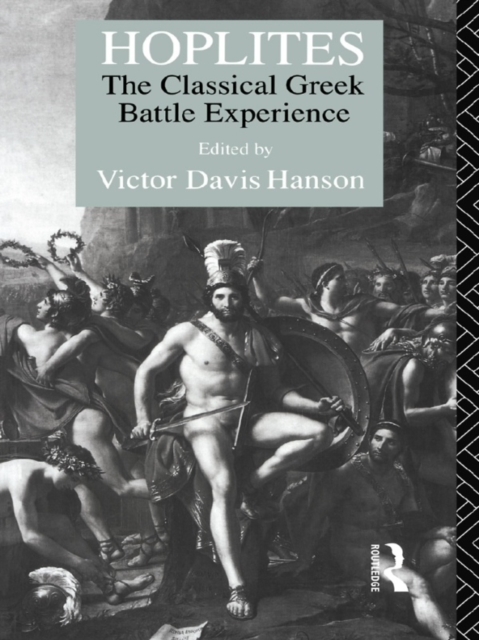
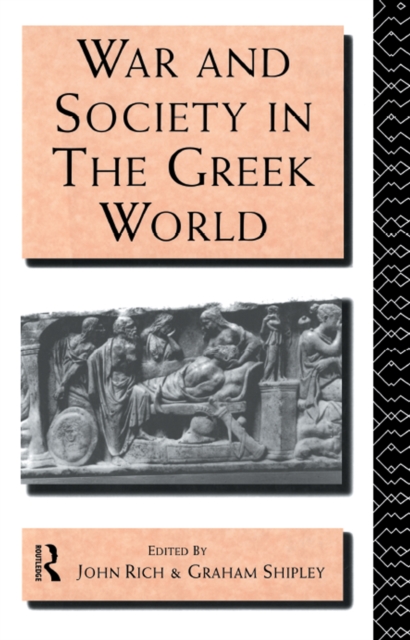
Incorporating research found in ancient literary, iconographic, epigraphic, and archaeological sources, this book explores the experiences of the soldiers who conducted battle on the small plains of ancient Greece.
Incorporating research found in ancient literary, iconographic, epigraphic, and archaeological sources, this book explores the experiences of the soldiers who conducted battle on the small plains of ancient Greece.
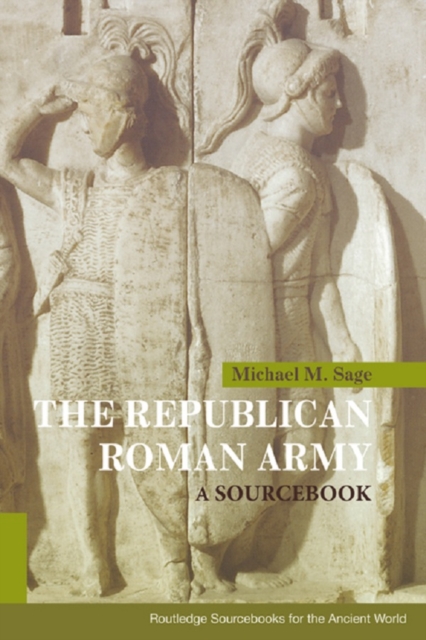
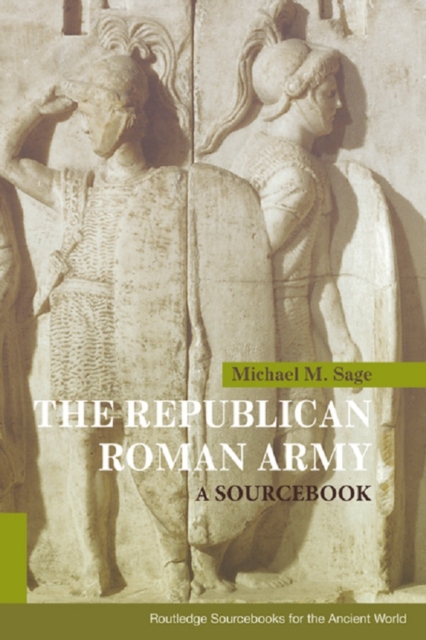
The Republican Roman Army assembles a wide range of source material and introduces the latest scholarship on the evolution of the Roman Army and the Roman experience of war.
The Republican Roman Army assembles a wide range of source material and introduces the latest scholarship on the evolution of the Roman Army and the Roman experience of war.
From renowned and respected author David Shotter, this updated and expanded edition of Roman Britain offers a concise introduction to this period, drawing on the wealth of recent scholarship to explain the progress of the Romans and their objectives in conquering Britain.
From renowned and respected author David Shotter, this updated and expanded edition of Roman Britain offers a concise introduction to this period, drawing on the wealth of recent scholarship to explain the progress of the Romans and their objectives in conquering Britain.
The Roman Revolution is one of the most momentous periods of change in history, in which an imperial but quasidemocratic power changed into an autocracy.
The Roman Revolution is one of the most momentous periods of change in history, in which an imperial but quasidemocratic power changed into an autocracy.
This book aims to reconceptualise the Graeco-Roman military phenomenon of the "e;war cry"e;; the term itself is inadequate for defining an ancient military practice that has been misrepresented in modern media and understudied by contemporary scholars.
This book aims to reconceptualise the Graeco-Roman military phenomenon of the "e;war cry"e;; the term itself is inadequate for defining an ancient military practice that has been misrepresented in modern media and understudied by contemporary scholars.
Most of the following chapters were written some time since, at the request of the publisher, whose intention it was to present the readers of Irish history with a portable volume, which, while removing the necessity of wading through many tomes, would give an authentic account of the two leading events of a very important period,-the battles of the Boyne and Aughrim.
This volume focuses on special military and diplomatic missions in various provinces of the Empire that Augustus and Tiberius entrusted to selected members of the domus Augusta, granting them special prerogatives (imperia extraordinaria).
This volume focuses on special military and diplomatic missions in various provinces of the Empire that Augustus and Tiberius entrusted to selected members of the domus Augusta, granting them special prerogatives (imperia extraordinaria).
This volume demonstrates the development of Roman military bureaucracy during the Middle Republic, expanding on recent research to examine these administrative systems that made possible Rome's expansion in this period.
This volume demonstrates the development of Roman military bureaucracy during the Middle Republic, expanding on recent research to examine these administrative systems that made possible Rome's expansion in this period.
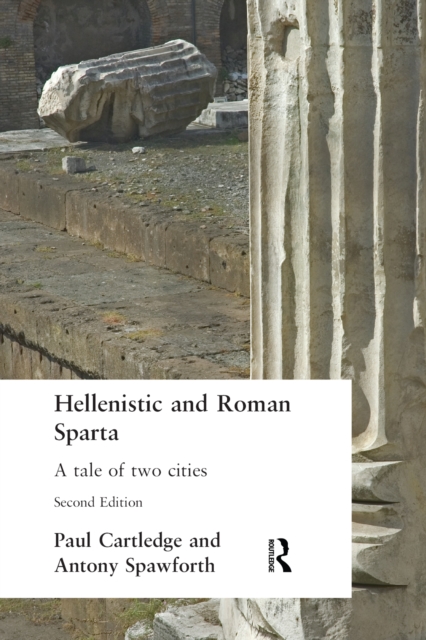
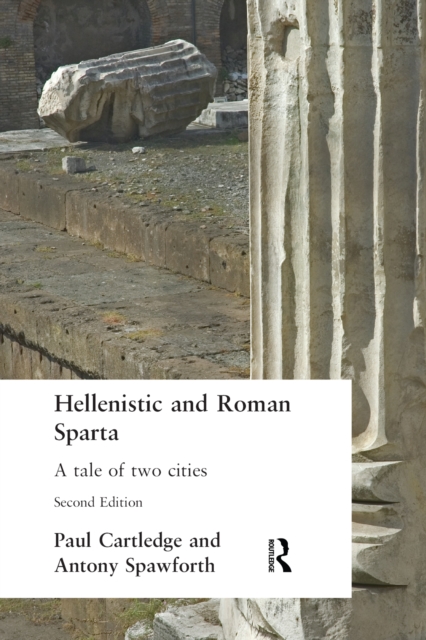
In this new edition, Paul Cartledge and Antony Spawforth have taken account of recent finds and scholarship to revise and update their authoritative overview of later Spartan history, and of the social, political, economic and cultural changes in the Spartan community.
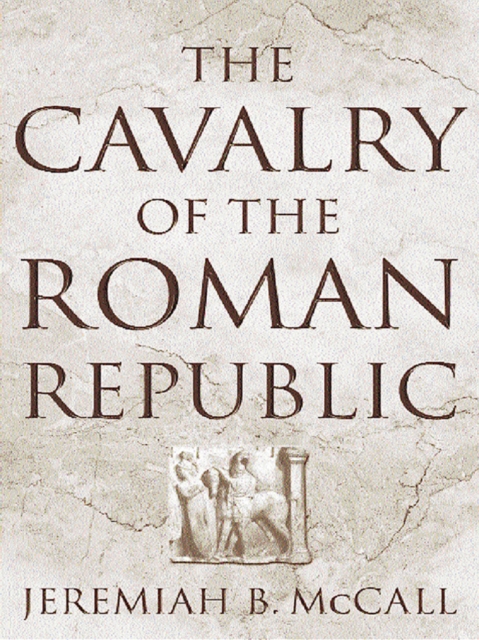
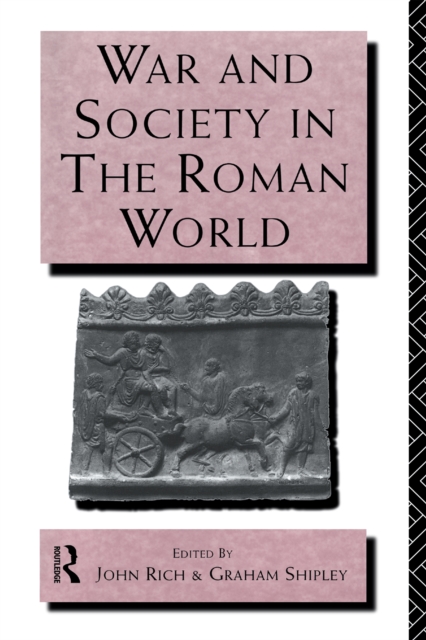
This volume focuses on the changing relationship between warfare and the Roman citizenry; from the Republic, when war was at the heart of Roman life, through to the Principate, when it was confined to professional soldiers, and to the Late Empire and the Roman army's eventual failure.
The Gallic War & The Civil War gathers Julius Caesar's celebrated commentaries on conquest abroad and conflict at home, tracing the Roman subjugation of Gaul, encounters with Britons and Germans, and the subsequent struggle against Pompey and the senatorial faction.
Many chaplains were not permitted to go near the Front in the First World War - others insisted on doing so, like Kenneth Best in the Gallipoli Campaign.
The second novella in Simon Scarrow's Roman Arena series, following novice gladiator Pavo's next gruelling test, which will put mentor Macro's loyalties on the line.
The first in a series of action-packed novellas set in Ancient Rome introducing Pavo, a novice gladiator, and featuring Simon Scarrow's ongoing soldier character Optio Macro.