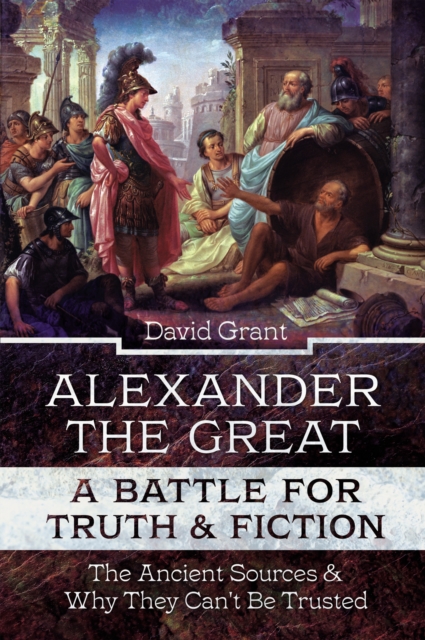
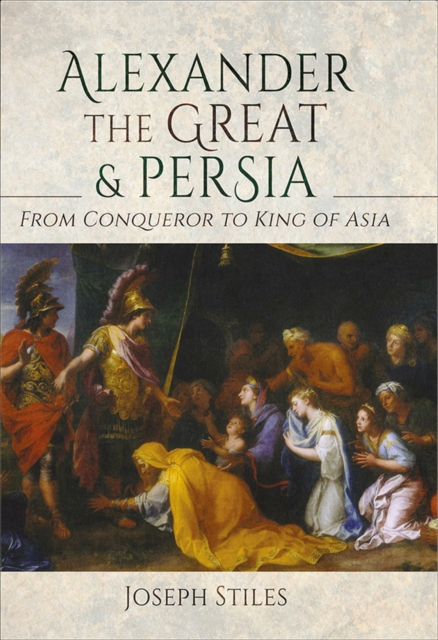
Most of what we 'know' about Alexander the Great (356-323 BC) comes from the pages of much later historians, writing 300 years or more after these events.
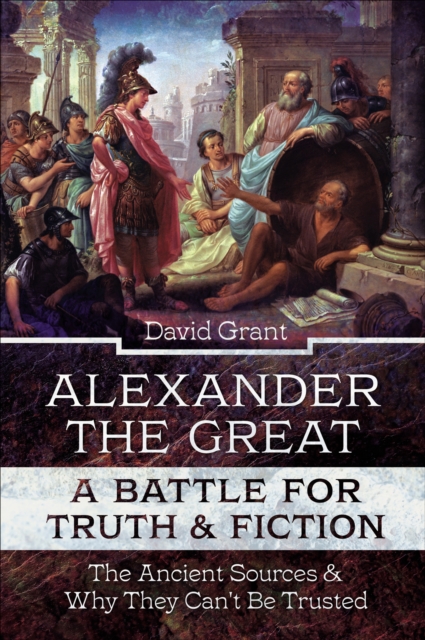
Most of what we 'know' about Alexander the Great (356-323 BC) comes from the pages of much later historians, writing 300 years or more after these events.
Upon his return from India, Alexander the Great travelled to the Persian royal city of Pasargadae to pay homage at the tomb of King Cyrus, founder of the Achaemenid Persian Empire, whom he admired greatly.
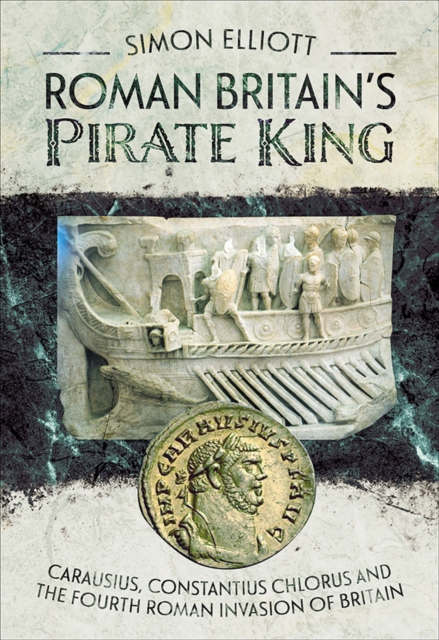
A "e;fascinating and engaging"e; study of the naval commander who defied an emperor and ruled in Britain and northern Gaul for a decade (Midwest Book Review).
A "e;fascinating and engaging"e; study of the naval commander who defied an emperor and ruled in Britain and northern Gaul for a decade (Midwest Book Review).
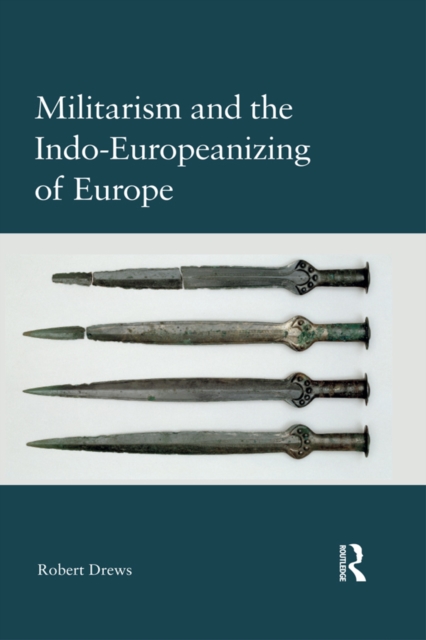
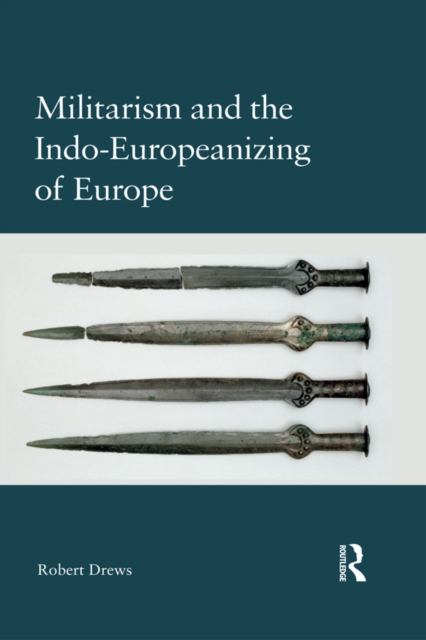
This book argues that the Indo-Europeanizing of Europe essentially began shortly before 1600 BC, when lands rich in natural resources were taken over by military forces from the Eurasian steppe and from southern Caucasia.
This book argues that the Indo-Europeanizing of Europe essentially began shortly before 1600 BC, when lands rich in natural resources were taken over by military forces from the Eurasian steppe and from southern Caucasia.
The articles in this volume explore the way in which military developments helped to sculpt, out of very strange and diverse components, our familiar Europe.
The articles in this volume explore the way in which military developments helped to sculpt, out of very strange and diverse components, our familiar Europe.
The study of Syria as a Roman province has been neglected by comparison with equivalent geographical regions such as Italy, Egypt, Greece and even Gaul.
The study of Syria as a Roman province has been neglected by comparison with equivalent geographical regions such as Italy, Egypt, Greece and even Gaul.
First published in 1898, this history of medieval warfare, written by one of the great medievalists of his time, Sir Charles Oman, remains for students and general readers one of the best accounts of military art in the Middle Ages.
First published in 1898, this history of medieval warfare, written by one of the great medievalists of his time, Sir Charles Oman, remains for students and general readers one of the best accounts of military art in the Middle Ages.
Combined Arms Warfare in Ancient Greece examines the timelines of military developments that led from the hoplite-based armies of the ancient Greeks to the hugely successful and multi-faceted armies of Philip II, Alexander the Great, and his Successors.
Combined Arms Warfare in Ancient Greece examines the timelines of military developments that led from the hoplite-based armies of the ancient Greeks to the hugely successful and multi-faceted armies of Philip II, Alexander the Great, and his Successors.
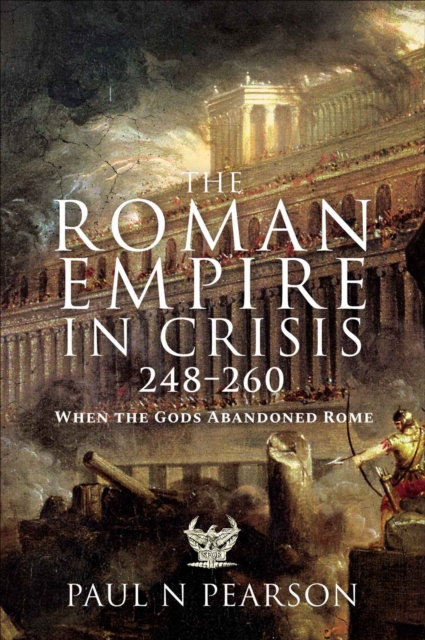
The third century of the Roman Empire is a confused and sparsely documented period, punctuated by wars, victorious conquests and ignominious losses, and a recurring cycle of rebellions that saw several Emperors created and eliminated by the Roman armies.
The third century of the Roman Empire is a confused and sparsely documented period, punctuated by wars, victorious conquests and ignominious losses, and a recurring cycle of rebellions that saw several Emperors created and eliminated by the Roman armies.
This substantially revised and updated second edition of The Marshals of Alexander's Empire (1992) examines Alexander's most important officers, who commanded army units and were involved in military and political deliberations.
This substantially revised and updated second edition of The Marshals of Alexander's Empire (1992) examines Alexander's most important officers, who commanded army units and were involved in military and political deliberations.
In the Later Han period the region covering the modern provinces of Gansu, southern Ningxia, eastern Qinghai, northern Sichuan, and western Shaanxi, was a porous frontier zone between the Chinese regimes and their Central Asian neighbours, not fully incorporated into the Chinese realm until the first century BCE.
In the Later Han period the region covering the modern provinces of Gansu, southern Ningxia, eastern Qinghai, northern Sichuan, and western Shaanxi, was a porous frontier zone between the Chinese regimes and their Central Asian neighbours, not fully incorporated into the Chinese realm until the first century BCE.
This book is a study of the settlement of legionary veterans during the principate, and discovers why legionary veterans were settled in colonies, when such settlements ceased to be made, and where the men preferred to settle when the choice was left to them.
This book is a study of the settlement of legionary veterans during the principate, and discovers why legionary veterans were settled in colonies, when such settlements ceased to be made, and where the men preferred to settle when the choice was left to them.
From Simpson's donkey and the Emu War to Vietnam and Ben Roberts-Smith, Australian military history is full of events that didn't happen the way most people think they did.
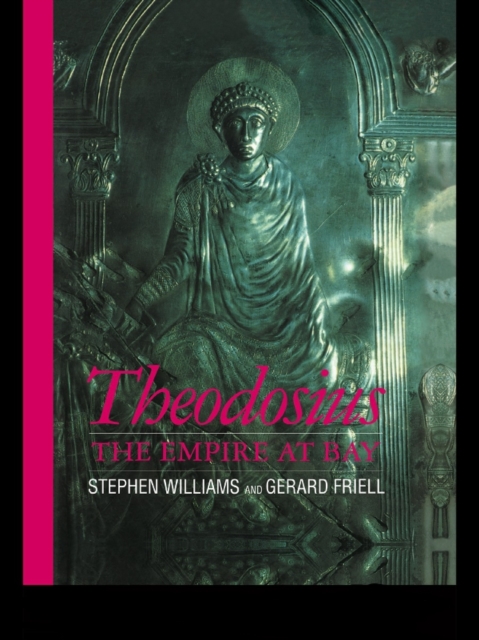
Emperor Theodosius (379-95) was the last Roman emperor to rule a unified empire of East and West and his reign represents a turning point in the policies and fortunes of the Late Roman Empire.