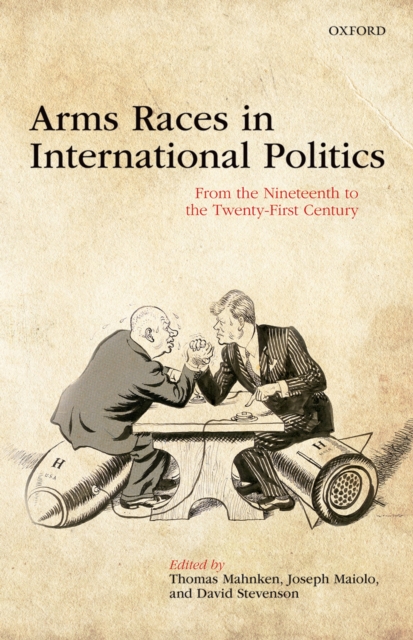
The East-West struggle for supremacy from 1945 to 1989 shaped the lives of hundreds of millions and brought the world to the brink of disaster on several occasions.
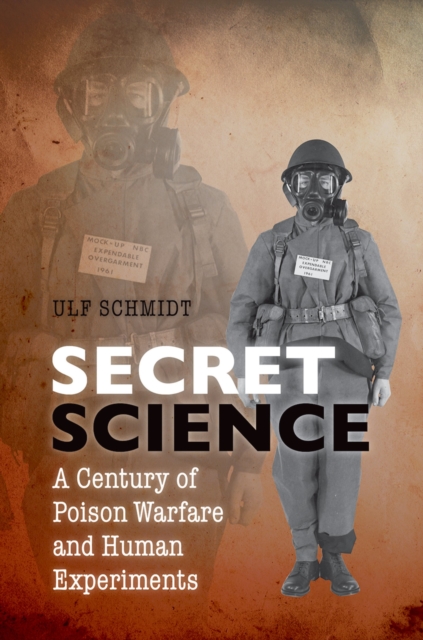
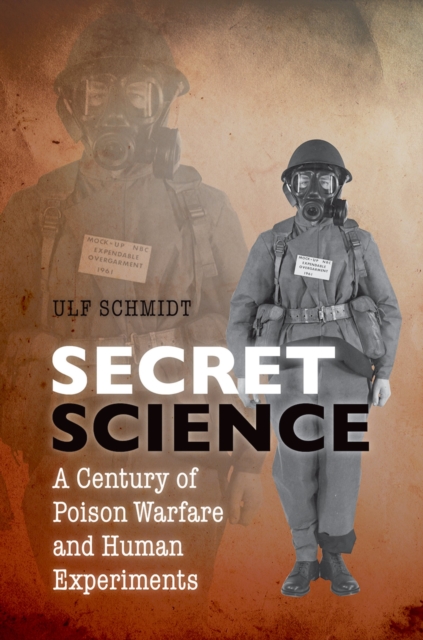
From the early 1990s, allegations that servicemen had been duped into taking part in trials with toxic agents at top-secret Allied research facilities throughout the twentieth century featured with ever greater frequency in the media.
From the early 1990s, allegations that servicemen had been duped into taking part in trials with toxic agents at top-secret Allied research facilities throughout the twentieth century featured with ever greater frequency in the media.
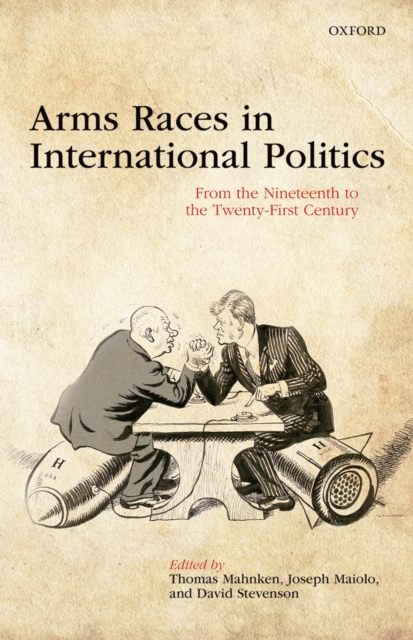
This volume provides the first comprehensive history of the arms racing phenomenon in modern international politics, drawing both on theoretical approaches and on the latest historical research.
This volume provides the first comprehensive history of the arms racing phenomenon in modern international politics, drawing both on theoretical approaches and on the latest historical research.
Drawing on material from eighty archives in six different countries worldwide, as well as eyewitness testimonies from over 100 former pupils, Helen Roche presents the first comprehensive history of the Third Reich's most prominent elite schools, the National Political Education Institutes (Napolas / NPEA).
The East-West struggle for supremacy from 1945 to 1989 shaped the lives of hundreds of millions and brought the world to the brink of disaster on several occasions.
Concentration camps are a relatively new invention, a recurring feature of twentieth century warfare, and one that is important to the modern global consciousness and identity.
Concentration camps are a relatively new invention, a recurring feature of twentieth century warfare, and one that is important to the modern global consciousness and identity.
The British-led Mediterranean Expeditionary Force that attacked the Ottoman Empire at Gallipoli in 1915 was a multi-national affair, including Australian, New Zealand, Irish, French, and Indian soldiers.
The British-led Mediterranean Expeditionary Force that attacked the Ottoman Empire at Gallipoli in 1915 was a multi-national affair, including Australian, New Zealand, Irish, French, and Indian soldiers.
Culture, Northern Ireland, and the Second World War explores the impact of the Second World War on literature and culture in Northern Ireland between 1939 and 1970.
Slave Labor in Nazi Concentration Camps examines the slave labor carried out by concentration camp prisoners from 1942 and the effect this had on the German wartime economy.
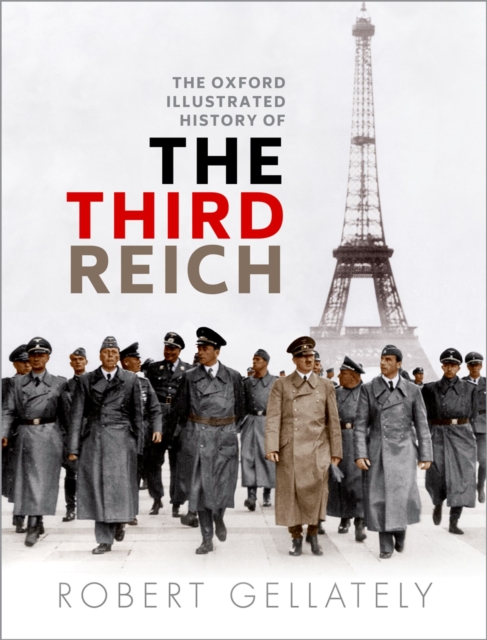
Any consideration of the 20th century would be incomplete without a discussion of Nazi Germany, an extraordinary regime which dominated European history for 12 years, and left a legacy that still echoes with us today.
Any consideration of the 20th century would be incomplete without a discussion of Nazi Germany, an extraordinary regime which dominated European history for 12 years, and left a legacy that still echoes with us today.
This is the untold story of how some of Germany's top aristocrats contributed to Hitler's secret diplomacy during the Third Reich, providing a direct line to their influential contacts and relations across Europe -- especially in Britain, where their contacts included the press baron and Daily Mail owner Lord Rothermere and the future King Edward VIII.
This is the untold story of how some of Germany's top aristocrats contributed to Hitler's secret diplomacy during the Third Reich, providing a direct line to their influential contacts and relations across Europe -- especially in Britain, where their contacts included the press baron and Daily Mail owner Lord Rothermere and the future King Edward VIII.
From the brink of dissolution in 1945 to the triumph of the Geneva Conventions in 1949, via the Nuremberg Trials, runaway Nazis, and furious battles with communist critics on the eve of the Cold War, this is the intriguing and remarkable story of the International Red Cross - and how it survived its ambiguous relationship with the Nazis during the Second World War.
How did British authorities manage to secure the commitment of large dominion and Indian armies that could plan, fight, shoot, communicate, and sustain themselves, in concert with the British Army and with each other, during the era of the two world wars?