A War of Peoples, 1914-1919 provides a new perspective on the First World War, offering a concise narrative of the war from the first military actions in July 1914 until the signing of the peace treaty by Germany in July 1919.
The failed naval offensive to force a passage through the Straits of the Dardanelles in 1915 drove Winston Churchill from office in disgrace and nearly destroyed his political career.
The failed naval offensive to force a passage through the Straits of the Dardanelles in 1915 drove Winston Churchill from office in disgrace and nearly destroyed his political career.
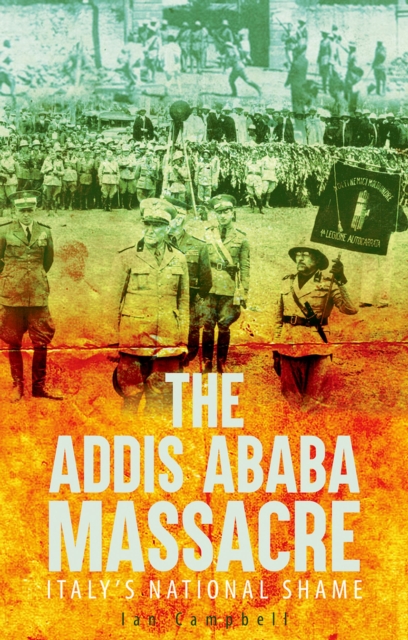
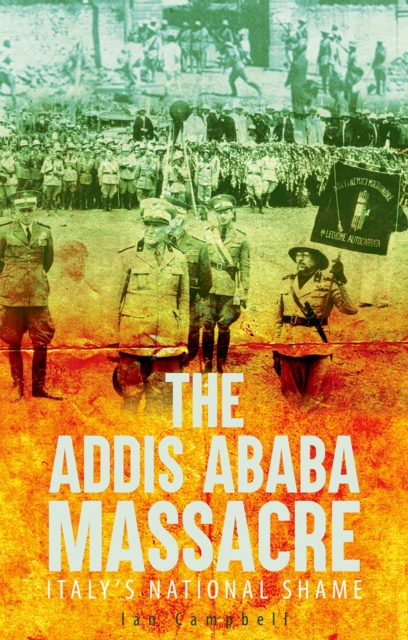
In February 1937, following an abortive attack by a handful of insurgents on Mussolini's High Command in Italian-occupied Ethiopia, 'repression squads' of armed Blackshirts and Fascist civilians were unleashed on the defenseless residents of Addis Ababa.
In February 1937, following an abortive attack by a handful of insurgents on Mussolini's High Command in Italian-occupied Ethiopia, 'repression squads' of armed Blackshirts and Fascist civilians were unleashed on the defenseless residents of Addis Ababa.
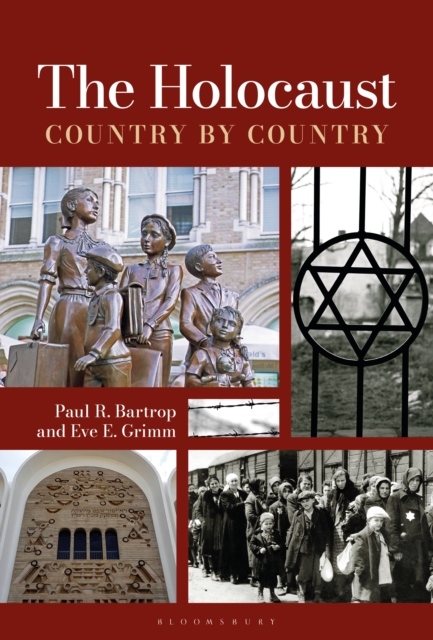
A RUSA Outstanding Reference Source 2025From genocidal campaigns to careful neutrality to valiant lifesaving efforts, every country's experience of the Holocaust was different during and immediately following World War II.
The Battle of Britain tells the extraordinary story of one of the pivotal events of the Second World War - the struggle between British and German air forces in the late summer and autumn of 1940.
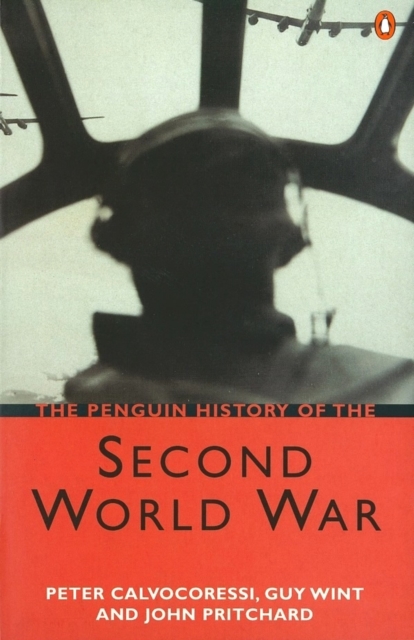
First published in 1972 under the title TOTAL WAR, THE PENGUIN HISTORY OF THE SECOND WORLD WAR was designed by its authors to show a rising generation why the Second World War happened and how it was conducted.
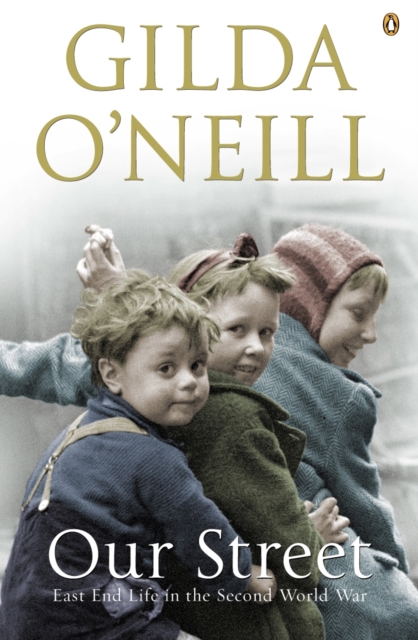
Step into the everyday lives of East End Londoners during the Second World War 'I wanted to write about a time and a place when living in such a street - or rather a community - would have been part of so-called ordinary working people's everyday experience, but when the circumstances couldn't exactly be described as normal.
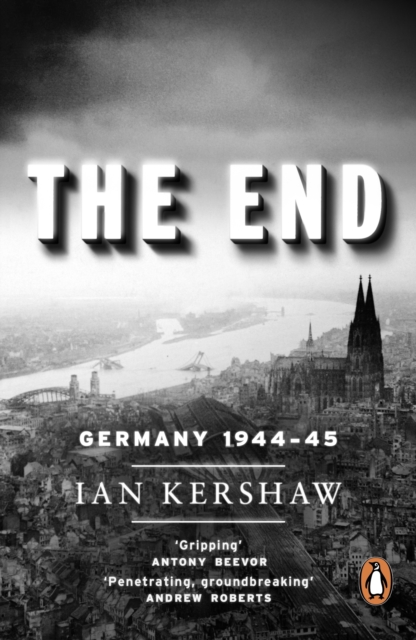
Named Book of the Year by the Sunday Times, TLS, Spectator, Sunday Telegraph, Daily Mail and Scotland on Sunday, Ian Kershaw's The End is a searing account of the final months of Nazi Germany, laying bare the fear and fanaticism that drove a nation to destruction.
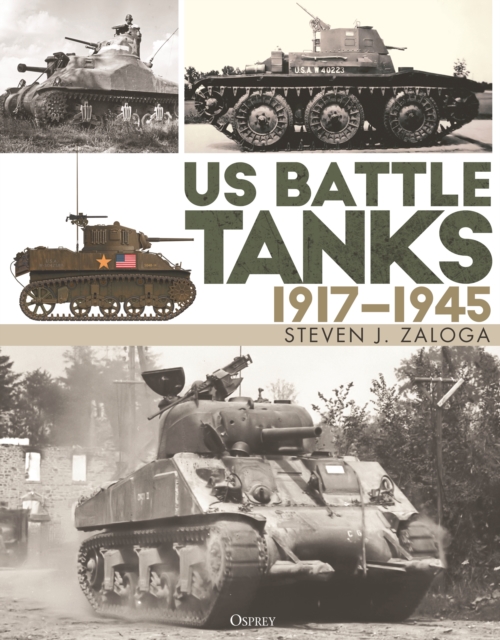
A comprehensive and detailed illustrated examination of the development and combat performance of US battle tanks from World War I to the end of World War II.
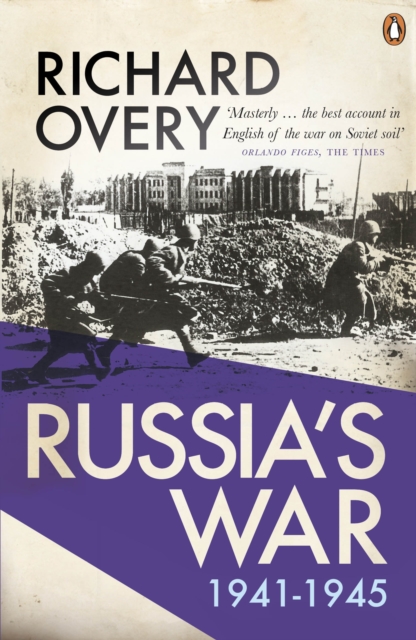
On 2 August 1944, in the wake of the complete destruction of the German Army Group Centre in Belorussia, Winston Churchill mocked Adolf Hitler in the House of Commons by the rank he had reached in the First World War.
For most of 1992-1995, Britain stood aside while an internationally recognised state was attacked by externally-sponsored rebels bent on a campaign of territorial aggression and ethnic cleansing.
The ultimate history of the Blitz and bombing in the Second World War, from Wolfson Prize-winning historian and author Richard OveryThe use of massive fleets of bombers to kill and terrorize civilians was an aspect of the Second World War which continues to challenge the idea that Allies specifically fought a 'moral' war.
A NEW YORK TIMES BESTSELLERWINNER OF THE DUKE OF WELLINGTON MEDAL FOR MILITARY HISTORYSHORTLISTED FOR THE GILDER LEHRMAN PRIZE FOR MILITARY HISTORY'A masterpiece.
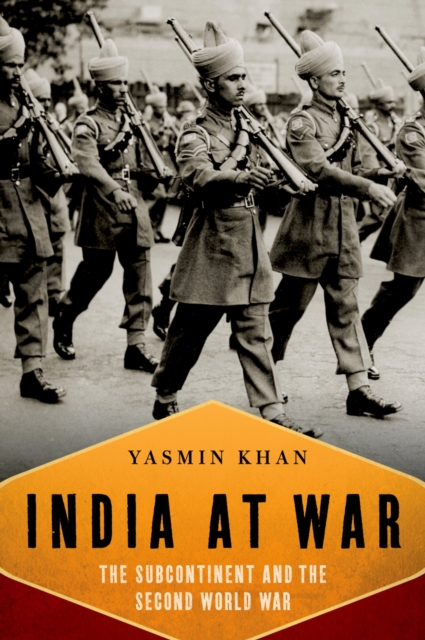
The vast crescent of British-ruled territories from India down to Singapore appeared in the early stages of the Second World War a massive asset in the war with Germany, providing huge quantities of soldiers and raw materials and key part of an impregnable global network denied to the Nazis.
A Moment of War is the magnificent conclusion to Laurie Lee s autobiographical trilogy begun in Cider with Rosie and As I Walked Out One Midsummer Morning .
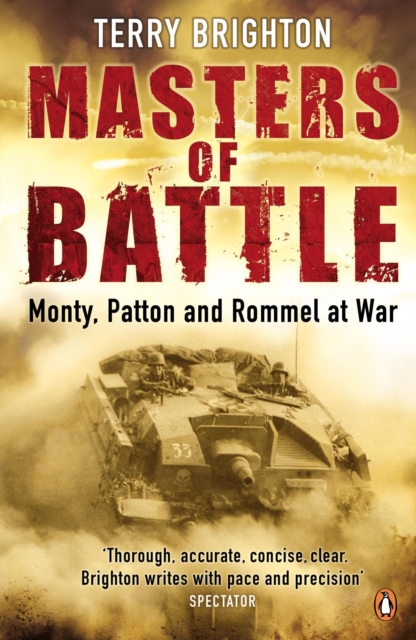
In the Second World War, Great Britain, the United States and Germany each produced one land force commander who stood out from the rest: Bernard Montgomery, George Patton and Erwin Rommel.
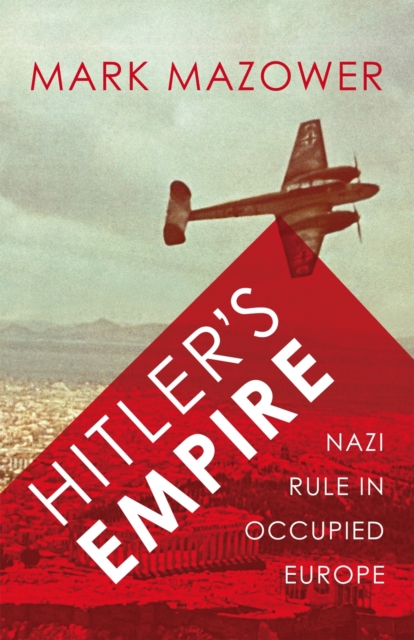
The powerful, disturbing history of Nazi Europe by Mark Mazower, one of Britain's leading historians and bestselling author of Dark Continent and Governing the World Hitler's Empire charts the landscape of the Nazi imperial imagination - from those economists who dreamed of turning Europe into a huge market for German business, to Hitler's own plans for new transcontinental motorways passing over the ethnically cleansed Russian steppe, and earnest internal SS discussions of political theory, dictatorship and the rule of law.
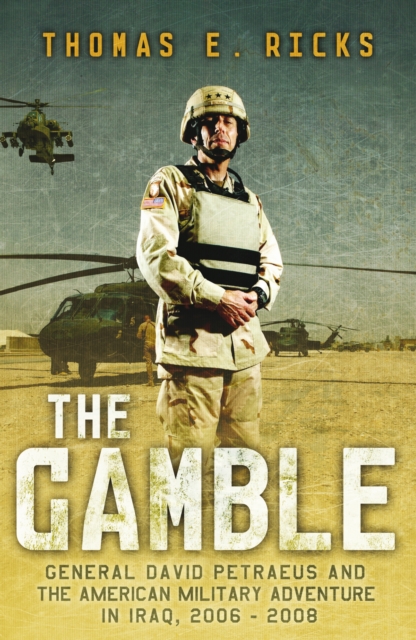
Based on unprecedented real-time access to the military's entire chain of command, The Gamble is the definitive account of the insurgency within the US military that led to a radical shift in America's strategy in Iraq - and the bloody implementation of that strategy on the ground.
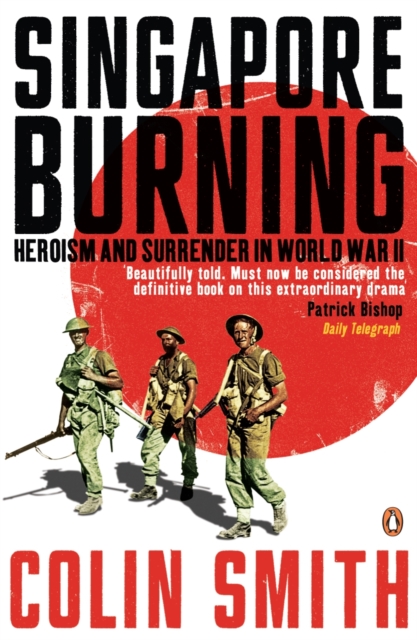
Churchill's description of the fall of Singapore on 15 February 1942, after Lt-Gen Percival's surrender led to over 100,000 British, Australian and Indian troops falling into the hands of the Japanese, was no wartime exaggeration.