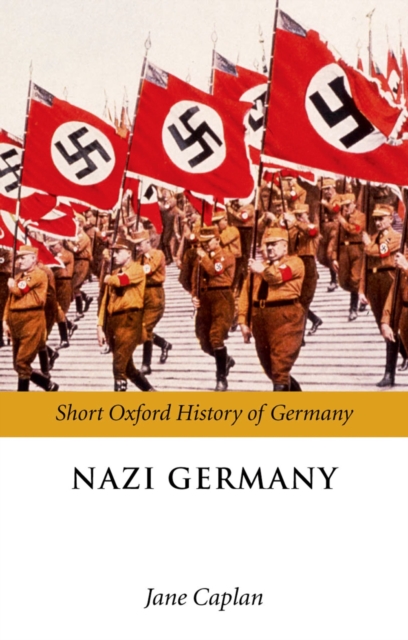
The history of National Socialism as movement and regime remains one of the most compelling and intensively studied aspects of twentieth-century history, and one whose significance extends far beyond Germany or even Europe alone.
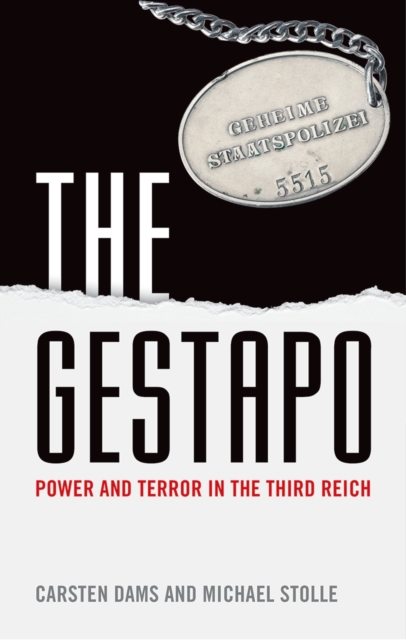
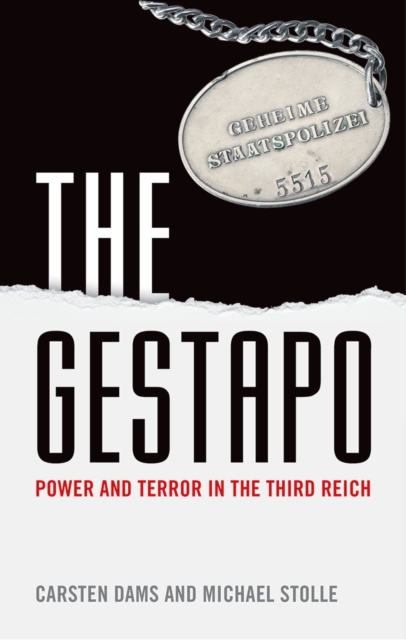
The Gestapo was the most feared instrument of political terror in the Third Reich, brutally hunting down and destroying anyone it regarded as an enemy of the Nazi regime: socialists, Communists, Jews, homosexuals, and anyone else deemed to be an 'anti-social element'.
The Gestapo was the most feared instrument of political terror in the Third Reich, brutally hunting down and destroying anyone it regarded as an enemy of the Nazi regime: socialists, Communists, Jews, homosexuals, and anyone else deemed to be an 'anti-social element'.
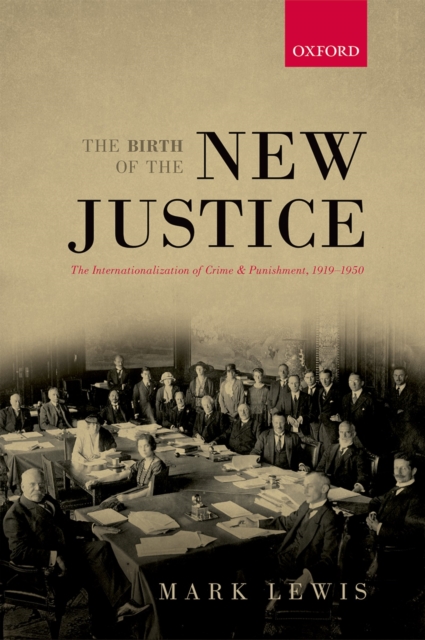
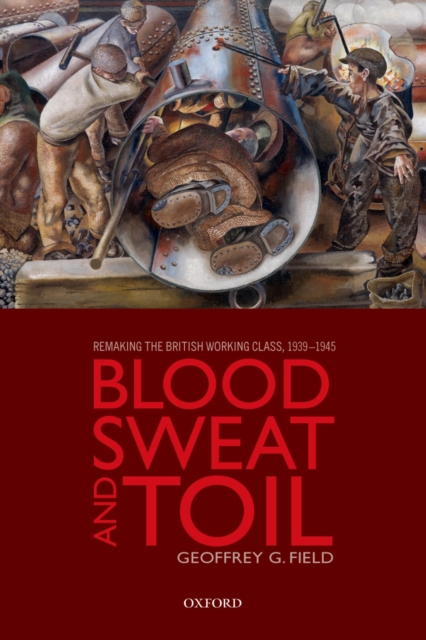
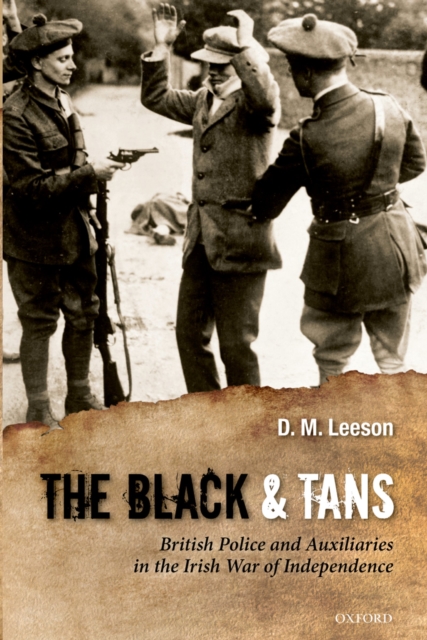
The belief that crime declines at the beginning of major wars, as young men are drawn into the armed forces, and increases with the restoration of peace, as brutalised veterans are released on to a labour market reorganising for peace, has a long pedigree in Britain.
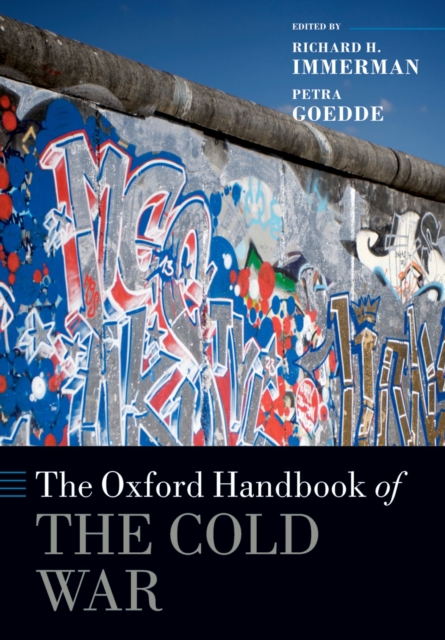
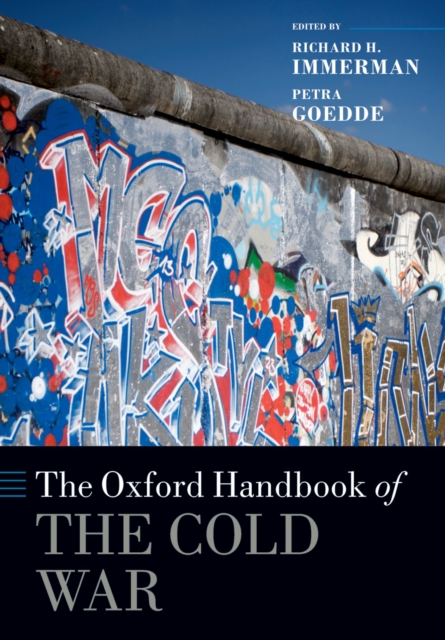
The Oxford Handbook of the Cold War offers a broad reassessment of the period war based on new conceptual frameworks developed in the field of international history.
The Oxford Handbook of the Cold War offers a broad reassessment of the period war based on new conceptual frameworks developed in the field of international history.
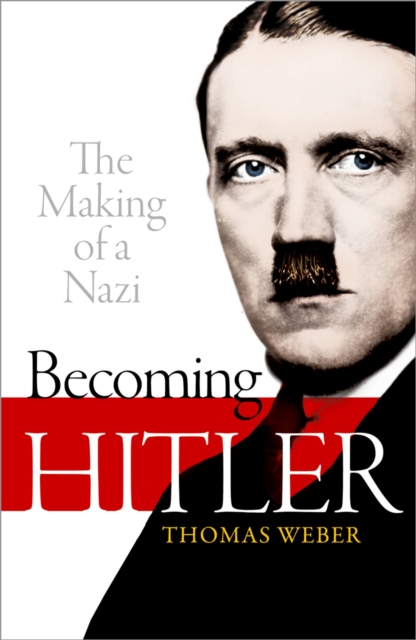
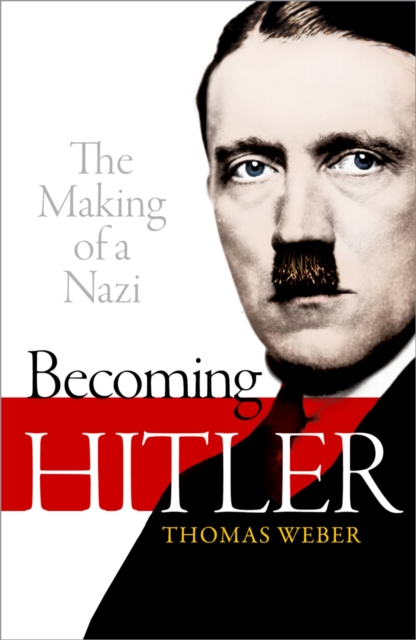
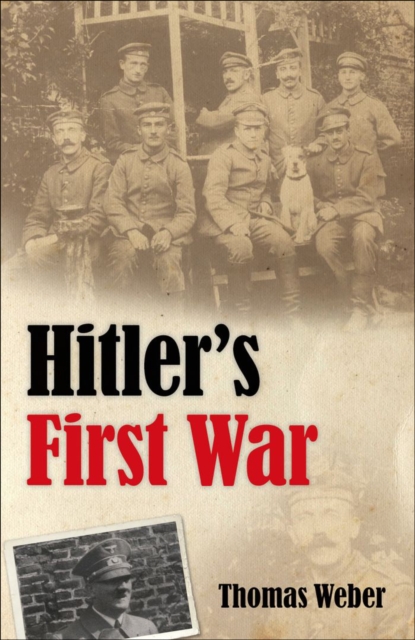
The story of the making of Adolf Hitler that we are all familiar with is the one Hitler himself wove in his 1924 trial, and then expanded upon in Mein Kampf.
The story of the making of Adolf Hitler that we are all familiar with is the one Hitler himself wove in his 1924 trial, and then expanded upon in Mein Kampf.
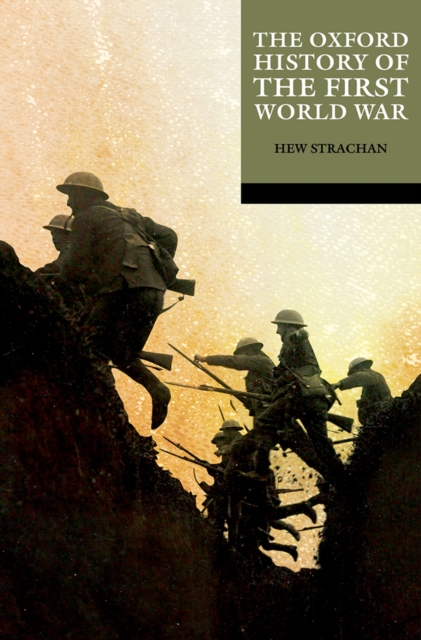
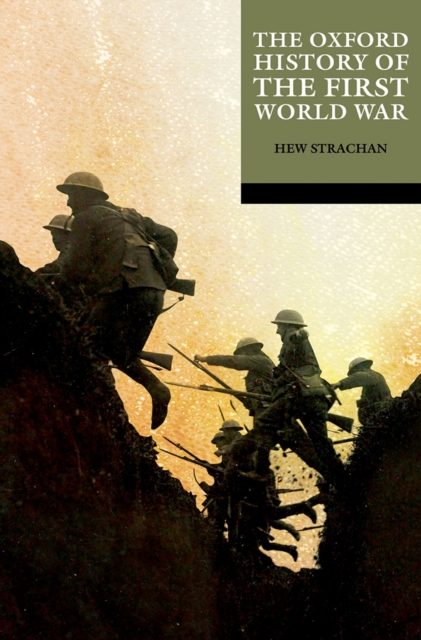
The First World War, now a century ago, still shapes the world in which we live, and its legacy lives on, in poetry, in prose, in collective memory and political culture.
The First World War, now a century ago, still shapes the world in which we live, and its legacy lives on, in poetry, in prose, in collective memory and political culture.
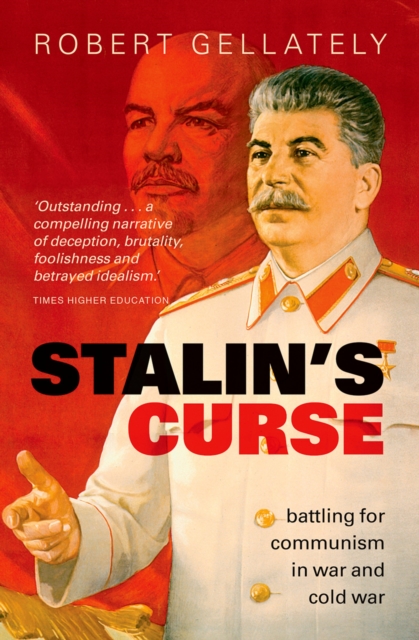
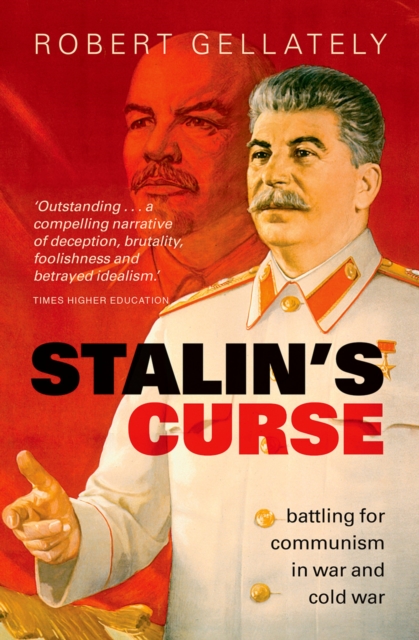
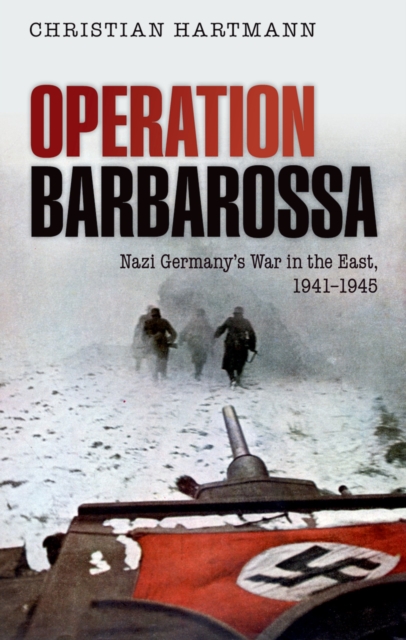
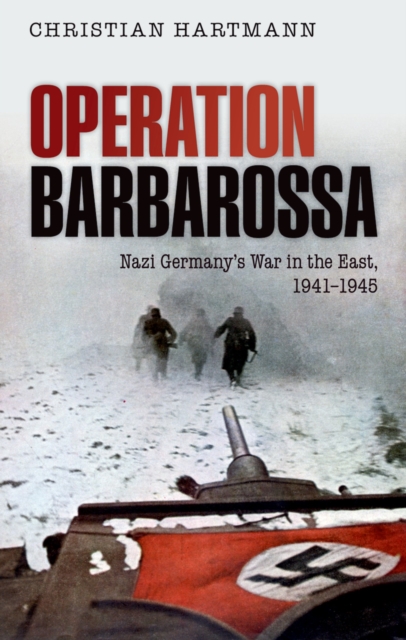
The war between Nazi Germany and Stalin's Soviet Union that raged between 1941 and 1945 was the ultimate confrontation between the two great totalitarian ideologies of the twentieth century.
The war between Nazi Germany and Stalin's Soviet Union that raged between 1941 and 1945 was the ultimate confrontation between the two great totalitarian ideologies of the twentieth century.
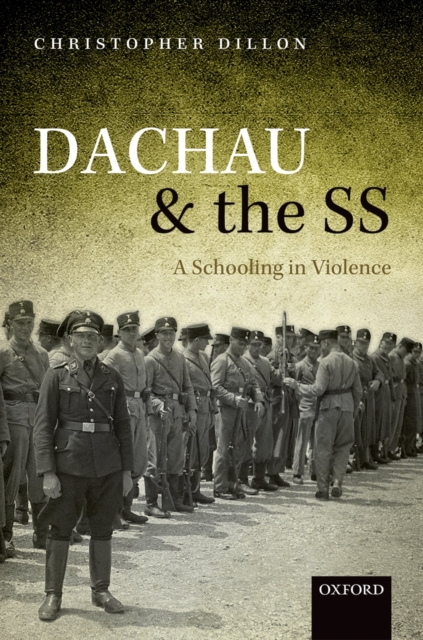
Dachau and the SS studies the concentration camp guards at Dachau, the first SS concentration camp and a national 'school' of violence for its concentration camp personnel.
During the Korean War nearly a thousand British servicemen, along with a handful of British civilians, were captured by North Korean and Red Chinese forces.
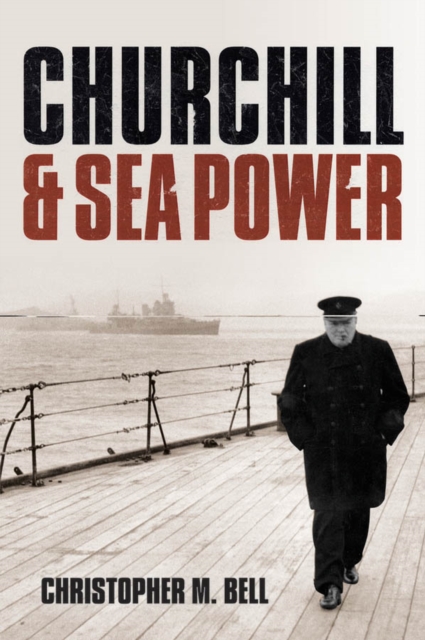
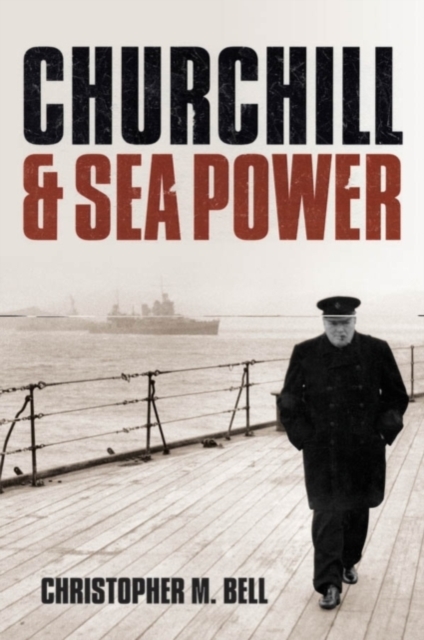
Winston Churchill had a longer and closer relationship with the Royal Navy than any British statesman in modern times, but his record as a naval strategist and custodian of the nation's sea power has been mired in controversy since the ill-fated Dardanelles campaign in 1915.
Winston Churchill had a longer and closer relationship with the Royal Navy than any British statesman in modern times, but his record as a naval strategist and custodian of the nation's sea power has been mired in controversy since the ill-fated Dardanelles campaign in 1915.
This Very Short Introduction offers a powerfully-written explanation of the war's complex origins and course, and explores its impact on a personal and international scale.
As head of the SS, chief of police, 'Reichskommissar for the Consolidation of Germanness', and Reich Interior Minister, Heinrich Himmler enjoyed a position of almost unparalleled power and responsibility in Nazi Germany.
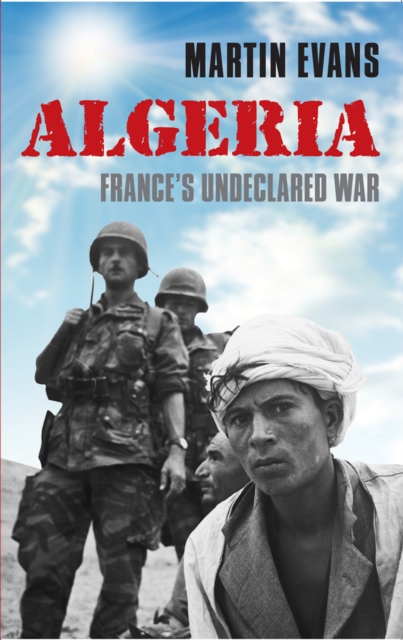
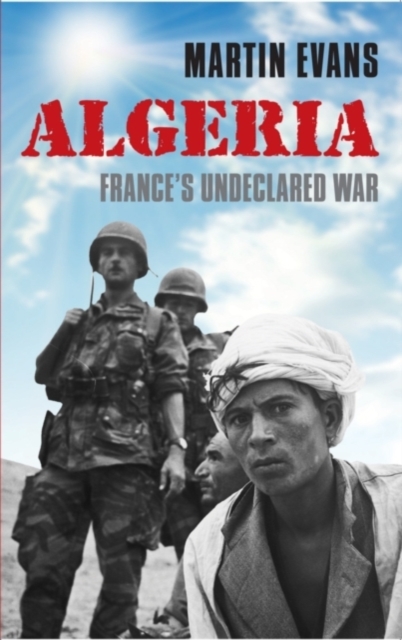
Invaded in 1830, populated by one million settlers who co-existed uneasily with nine million Arabs and Berbers, Algeria was different from other French colonies because it was administered as an integral part of France, in theory no different from Normandy or Brittany.
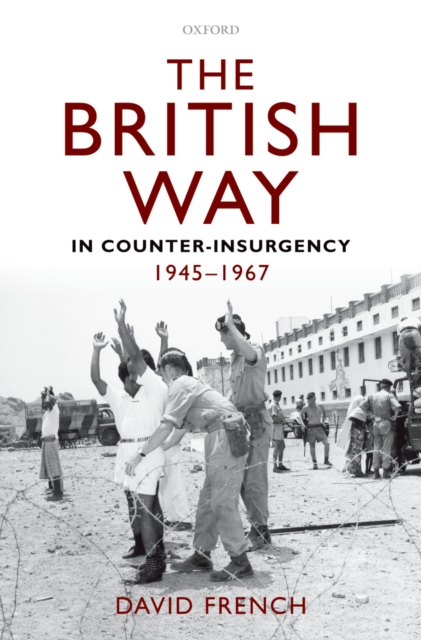
The claim by the Ministry of Defence in 2001 that 'the experience of numerous small wars has provided the British Army with a unique insight into this demanding form of conflict' unravelled spectacularly in Iraq and Afghanistan.
Invaded in 1830, populated by one million settlers who co-existed uneasily with nine million Arabs and Berbers, Algeria was different from other French colonies because it was administered as an integral part of France, in theory no different from Normandy or Brittany.
As head of the SS, chief of police, 'Reichskommissar for the Consolidation of Germanness', and Reich Interior Minister, Heinrich Himmler enjoyed a position of almost unparalleled power and responsibility in Nazi Germany.
Between 1939 and 1945, the British public was spellbound by the martial endeavours and dashing style of the young men of the RAF, especially those with silvery fabric wings sewn above the breast pocket of their glamorous slate-blue uniform.
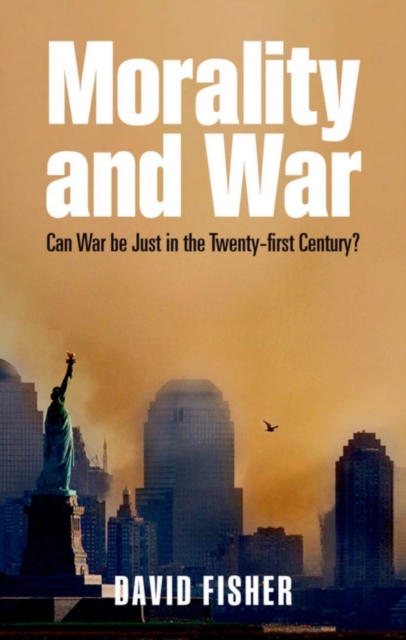
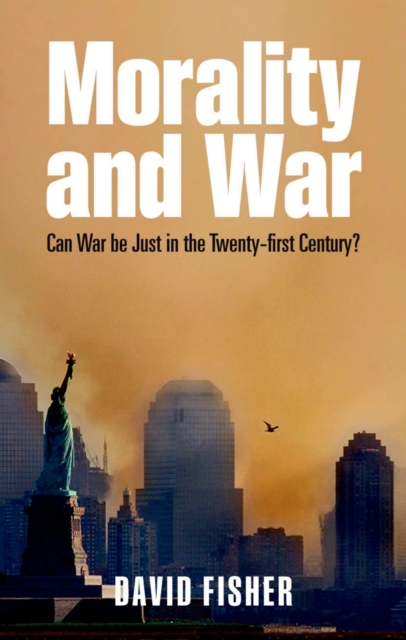
With the ending of the strategic certainties of the Cold War, the need for moral clarity over when, where and how to start, conduct and conclude war has never been greater.
With the ending of the strategic certainties of the Cold War, the need for moral clarity over when, where and how to start, conduct and conclude war has never been greater.
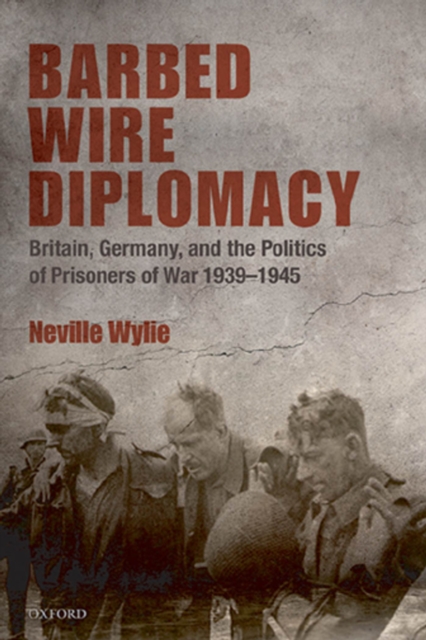
Barbed Wire Diplomacy examines how the United Kingdom government went about protecting the interests, lives and well-being of its prisoners of war (POWs) in Nazi Germany between 1939 and 1945.