The East-West struggle for supremacy from 1945 to 1989 shaped the lives of hundreds of millions and brought the world to the brink of disaster on several occasions.
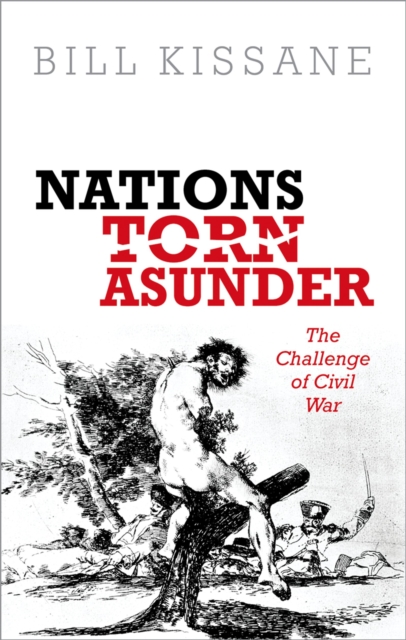
Concentration camps are a relatively new invention, a recurring feature of twentieth century warfare, and one that is important to the modern global consciousness and identity.
Concentration camps are a relatively new invention, a recurring feature of twentieth century warfare, and one that is important to the modern global consciousness and identity.
The British-led Mediterranean Expeditionary Force that attacked the Ottoman Empire at Gallipoli in 1915 was a multi-national affair, including Australian, New Zealand, Irish, French, and Indian soldiers.
The British-led Mediterranean Expeditionary Force that attacked the Ottoman Empire at Gallipoli in 1915 was a multi-national affair, including Australian, New Zealand, Irish, French, and Indian soldiers.
Culture, Northern Ireland, and the Second World War explores the impact of the Second World War on literature and culture in Northern Ireland between 1939 and 1970.
Slave Labor in Nazi Concentration Camps examines the slave labor carried out by concentration camp prisoners from 1942 and the effect this had on the German wartime economy.
Any consideration of the 20th century would be incomplete without a discussion of Nazi Germany, an extraordinary regime which dominated European history for 12 years, and left a legacy that still echoes with us today.
Any consideration of the 20th century would be incomplete without a discussion of Nazi Germany, an extraordinary regime which dominated European history for 12 years, and left a legacy that still echoes with us today.
This is the untold story of how some of Germany's top aristocrats contributed to Hitler's secret diplomacy during the Third Reich, providing a direct line to their influential contacts and relations across Europe -- especially in Britain, where their contacts included the press baron and Daily Mail owner Lord Rothermere and the future King Edward VIII.
This is the untold story of how some of Germany's top aristocrats contributed to Hitler's secret diplomacy during the Third Reich, providing a direct line to their influential contacts and relations across Europe -- especially in Britain, where their contacts included the press baron and Daily Mail owner Lord Rothermere and the future King Edward VIII.
From the brink of dissolution in 1945 to the triumph of the Geneva Conventions in 1949, via the Nuremberg Trials, runaway Nazis, and furious battles with communist critics on the eve of the Cold War, this is the intriguing and remarkable story of the International Red Cross - and how it survived its ambiguous relationship with the Nazis during the Second World War.
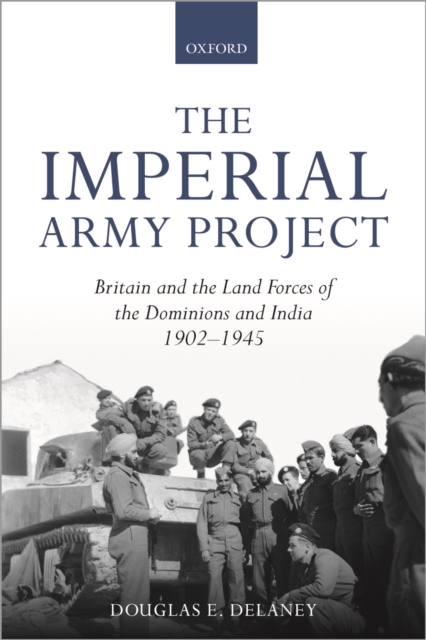
How did British authorities manage to secure the commitment of large dominion and Indian armies that could plan, fight, shoot, communicate, and sustain themselves, in concert with the British Army and with each other, during the era of the two world wars?
A War of Peoples, 1914-1919 provides a new perspective on the First World War, offering a concise narrative of the war from the first military actions in July 1914 until the signing of the peace treaty by Germany in July 1919.
The failed naval offensive to force a passage through the Straits of the Dardanelles in 1915 drove Winston Churchill from office in disgrace and nearly destroyed his political career.
The failed naval offensive to force a passage through the Straits of the Dardanelles in 1915 drove Winston Churchill from office in disgrace and nearly destroyed his political career.
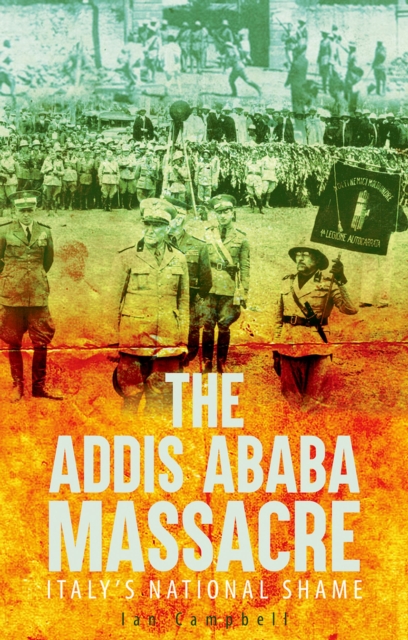
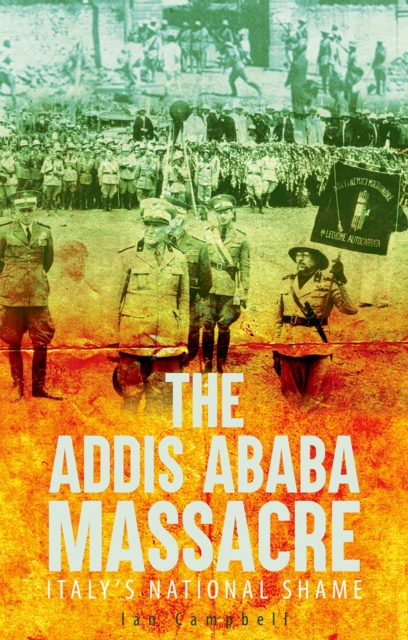
In February 1937, following an abortive attack by a handful of insurgents on Mussolini's High Command in Italian-occupied Ethiopia, 'repression squads' of armed Blackshirts and Fascist civilians were unleashed on the defenseless residents of Addis Ababa.
In February 1937, following an abortive attack by a handful of insurgents on Mussolini's High Command in Italian-occupied Ethiopia, 'repression squads' of armed Blackshirts and Fascist civilians were unleashed on the defenseless residents of Addis Ababa.
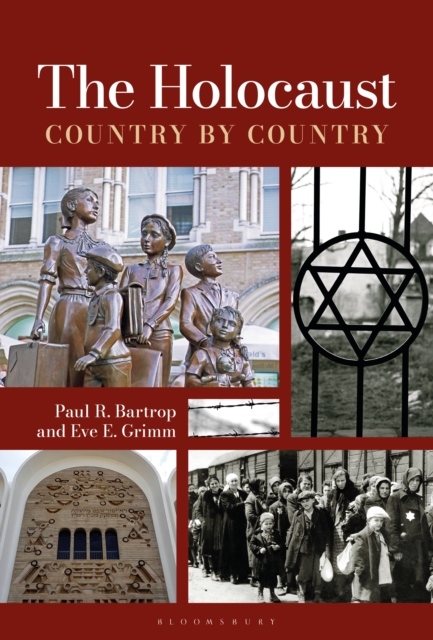
A RUSA Outstanding Reference Source 2025From genocidal campaigns to careful neutrality to valiant lifesaving efforts, every country's experience of the Holocaust was different during and immediately following World War II.
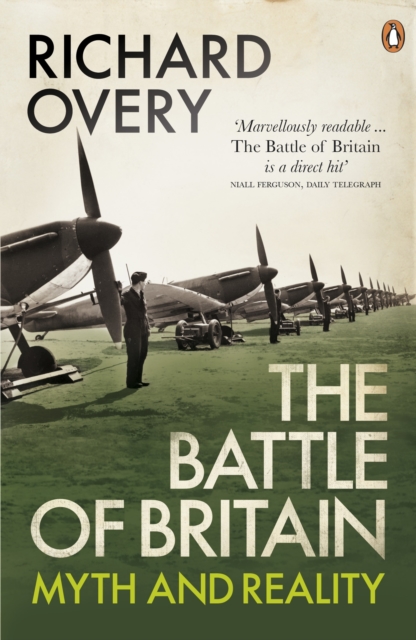
The Battle of Britain tells the extraordinary story of one of the pivotal events of the Second World War - the struggle between British and German air forces in the late summer and autumn of 1940.
First published in 1972 under the title TOTAL WAR, THE PENGUIN HISTORY OF THE SECOND WORLD WAR was designed by its authors to show a rising generation why the Second World War happened and how it was conducted.
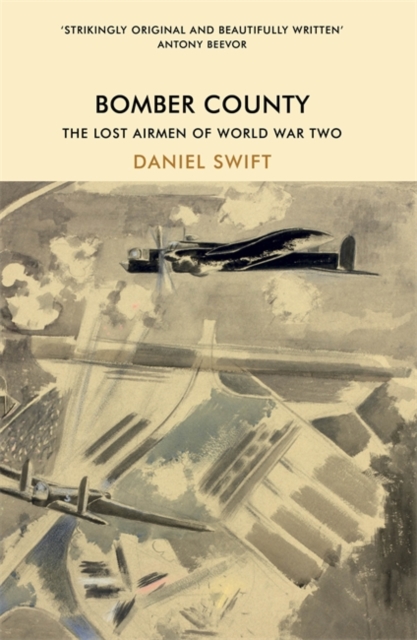
In early June 1943, James Eric Swift, a pilot with 83 Squadron of the Royal Air Force, boarded his Lancaster bomber for a night raid on M nster and disappeared.
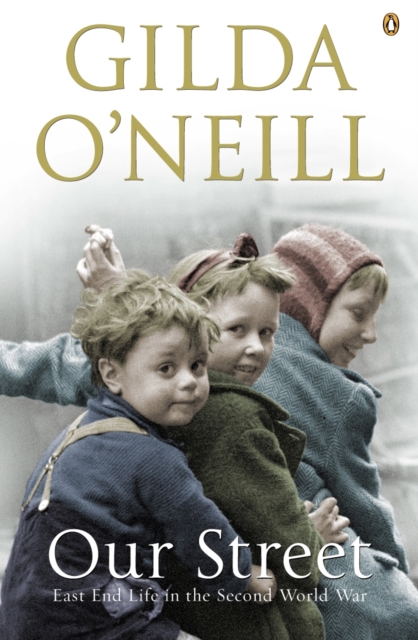
Step into the everyday lives of East End Londoners during the Second World War 'I wanted to write about a time and a place when living in such a street - or rather a community - would have been part of so-called ordinary working people's everyday experience, but when the circumstances couldn't exactly be described as normal.
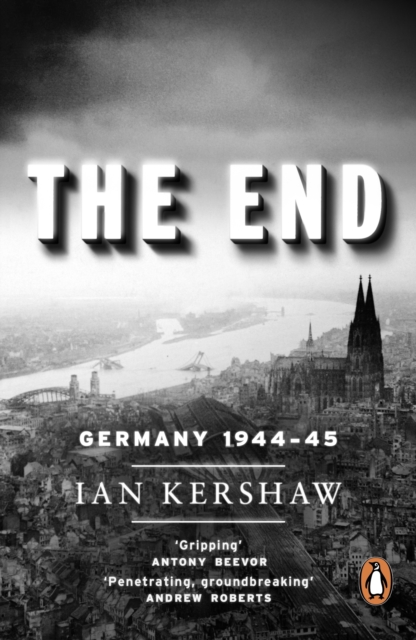
Named Book of the Year by the Sunday Times, TLS, Spectator, Sunday Telegraph, Daily Mail and Scotland on Sunday, Ian Kershaw's The End is a searing account of the final months of Nazi Germany, laying bare the fear and fanaticism that drove a nation to destruction.
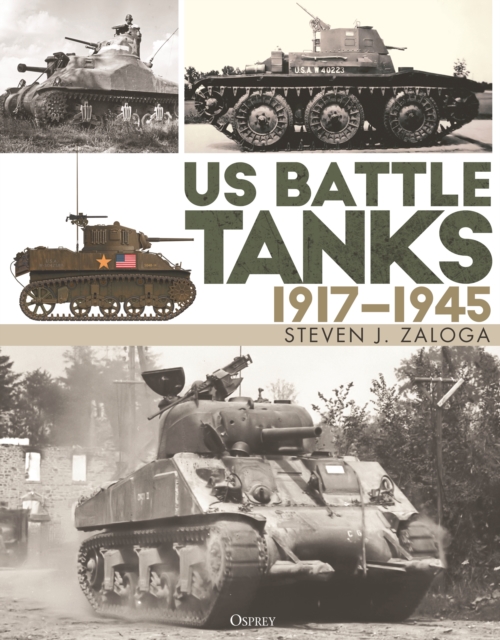
A comprehensive and detailed illustrated examination of the development and combat performance of US battle tanks from World War I to the end of World War II.
On 2 August 1944, in the wake of the complete destruction of the German Army Group Centre in Belorussia, Winston Churchill mocked Adolf Hitler in the House of Commons by the rank he had reached in the First World War.