The first English-language monograph on the Slovak-Polish border in 1918-47 explores the interplay of politics, diplomacy, moral principles and self-determination.
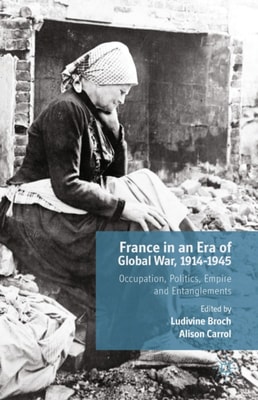
In France in an Era of Global War, scholars re-examine experiences of French politics, occupation, empire and entanglements with the Anglophone world between 1914 and 1945.
Japan as the Occupier and the Occupied examines transwar political, military and social transitions in Japan and various territories that it controlled, including Korea, Borneo, Singapore, Manchuria and China, before and after August 1945.
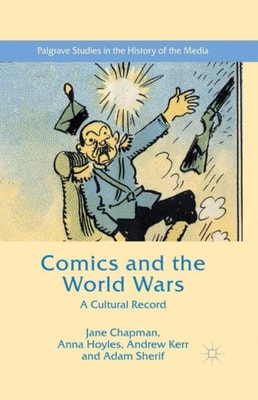
Comics, the Holocaust and Hiroshima breaks new ground for history by exploring the relationship between comics as a cultural record, historiography, memory and trauma studies.
The novel-essay emerged in France, in the last quarter of the nineteenth century, and reached its highest formal complexity in Austria and Germany, during the interwar period.
Based on an exploration of both pre-Nazi and Nazi theory and practice, Pete Kakel challenges the dominant narrative of the murder of European Jewry, illuminating the Holocaust's decidedly imperial-colonial origins, context, and content in a book of interest to students, teachers, and lay readers, as well as specialist and non-specialist scholars.
Despite an outpouring in recent years of history and cultural criticism related to the Holocaust, Italian women's literary representations and testimonies have not received their proper due.
Some of the first figures the Nazis conscripted in their rise to power were rhetoricians devoted to popularizing the German vocabulary of Leben (life).
Offering a cross-media exploration of Israeli media on Holocaust Remembrance Day, one of Israel's most sacred national rituals, over the past six decades, this fascinating book investigates the way in which variables such as medium, structure of ownership, genre and targeted audiences shape the collective recollection of traumatic memories.
Covering the period between the Munich Agreement and the Communist Coup in February 1948, this groundbreaking work offers a novel, provocative analysis of the political activities and plans of the Czechoslovak exiles during and after the war years, and of the implementation of the plans in liberated Czechoslovakia after 1945.
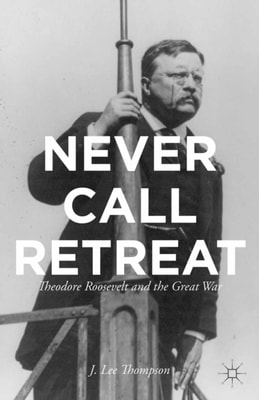
The first modern account of Theodore Roosevelt and the First World War, this is a tale of war and politics as well as the private story of true love and family devotion: a story as multi-faceted as TR's own personality.
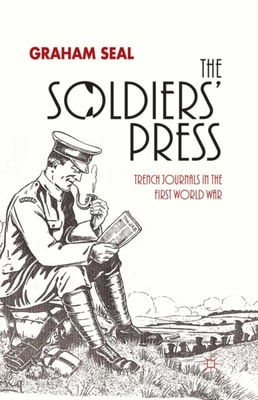
Through the first comprehensive investigation and analysis of the English language trench periodicals of the First World War, The Soldiers' Press presents a cultural interpretation of the means and methods through which consent was negotiated between the trenches and the home front.
Taking a comparative approach and bringing together perspectives from Japan, China, Korea, and Taiwan, this volume considers former Japanese prime minister Tomiichi Murayama's 1995 apology statement, the height of Japan's post-war apology, and examines its implications for memory, international relations, and reconciliation in Asia.
After the German occupation of 1940, Britain was forced to reassess its relationship with Norway, a country largely on the periphery of the main theatres of the Second World War.
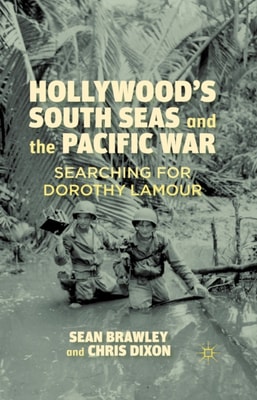
This book explores the expectations, experiences, and reactions of Allied servicemen and women who served in the wartime Pacific and viewed the South Pacific through the lens of Hollywood's South Seas.
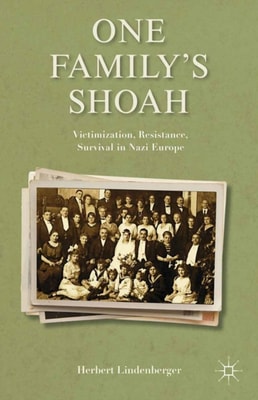
Deploying concepts of interpretation, liberation, and survival, esteemed literary critic Herbert Lindenberger reflects on the diverse fates of his family during the Holocaust.
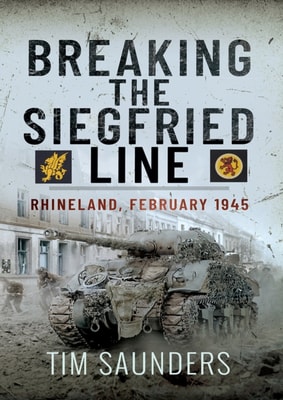
In this second of Tim Saunders' volumes on the opening stage of the 1945 Rhineland Campaign, the focus is to the north of the Reichswald, on the flood plain of the River Rhine and a narrow strip of slightly higher ground.
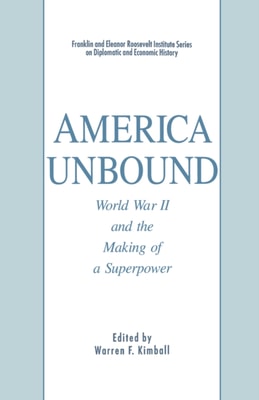
Whether World War II made or merely marked the transition of the United States from a major world power to a superpower, the fact remains that America's role in the world around it had undergone a dramatic change.
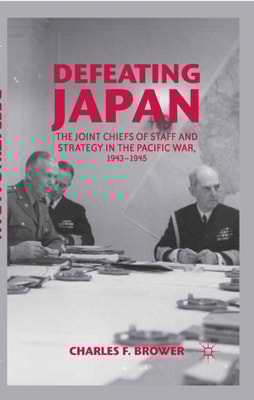
This book argues that American strategists in the Joint Chiefs of Staff were keenly aware of the inseparability of political and military aspects of strategy in the fight against Japan in World War II.