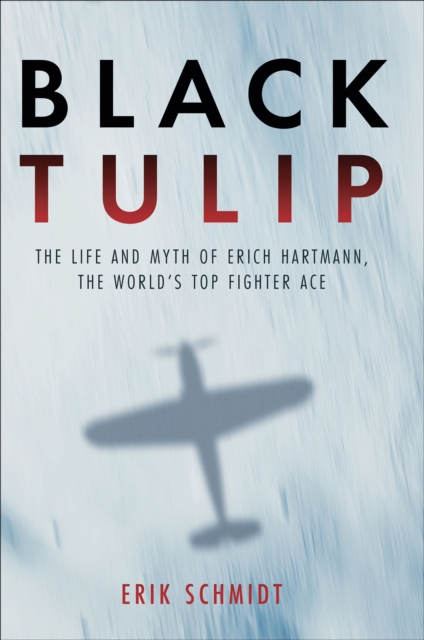
This myth-busting military biography reveals the true story of the legendary WWII German flying ace-and how his story was manipulated during the Cold War.
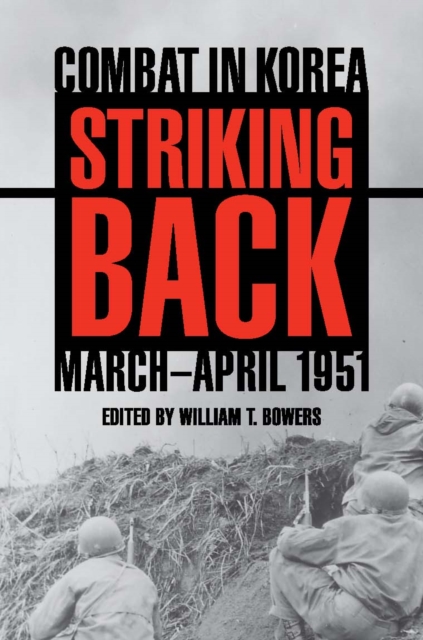
Striking Back: Combat in Korea, March-April 1951 is the second book in a three-volume series about the Korean War, examining the fighting that occurred during the late winter and early spring of the war's first year.
" When the Japanese Imperial Forces invaded the Philippine Islands at the onset of World War II, they quickly rounded up Allied citizens on Luzon and imprisoned them as enemy aliens.
This volume examines how the Ottoman Army was able to evolve and maintain a high level of overall combat effectiveness despite the primitive nature of the Ottoman State during the First World War.
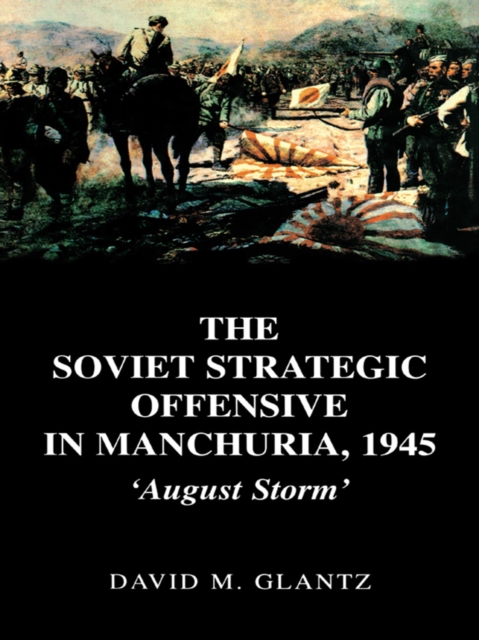
This critical examination of the final Soviet strategic offensive operation during World War II seeks to chip away at two generally inaccurate pictures many Westerners have of the war.
With Americans turning against the war in ever greater numbers, struggles for power between the government and the military, and no end in sight to the fighting, the Tet Offensive of 1968 proved to be the turning point of the Vietnam War.
Despite the catastrophic effects of war, wars have also proved to be instrumental to long-term change in world history This text is the first of its kind to survey how warfare has developed from ancient times to the present day and the role it has played in shaping the world we know.
This book investigates the complexities of modern urban operations-a particularly difficult and costly method of fighting, and one that is on the rise.
This book offers a complete narrative of the development of Nordicism, from its roots in the National Romantic movement of the late eighteenth century, through to its most notorious manifestation in Nazi Germany, and finally to the fragmented forms that still remain in contemporary society.
This book analyses four case studies of Holocaust memory activism in Poland, contextualized within recent debates about Polish-Jewish relations and approached through a theoretical framework informed by critical theory.
This book offers a unique perspective on contemporary Polish cinema's engagement with histories of Polish violence against their Jewish neighbours during the Holocaust.
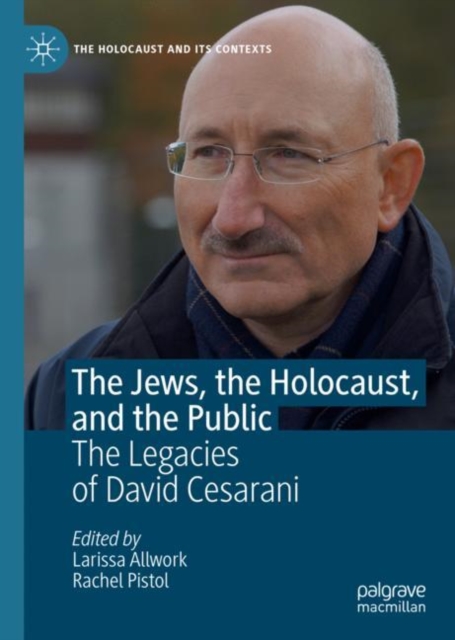
This book explores the work and legacy of Professor David Cesarani OBE, a leading British scholar and expert on Jewish history who helped to shape Holocaust research, remembrance and education in the UK.
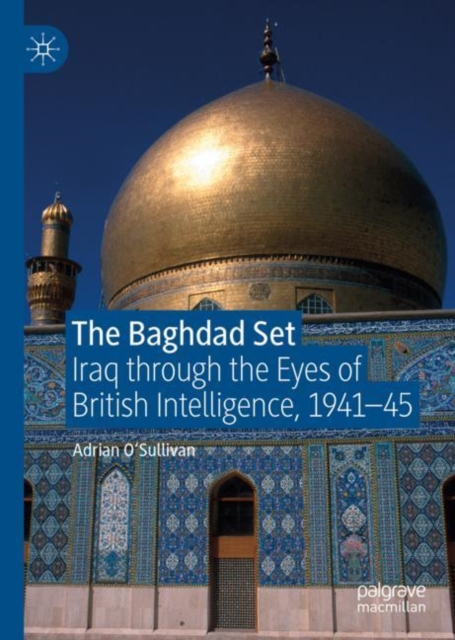
This book provides the first ever intelligence history of Iraq from 1941 to 1945, and is the third and final volume of a trilogy on regional intelligence and counterintelligence operations that includes Nazi Secret Warfare in Occupied Persia (Iran) (2014), and Espionage and Counterintelligence in Occupied Persia (Iran) (2015).
This book chronicles a professor's experience with a group of US undergraduate students at Holocaust memorials, museums, and sites of remembrance as part of a yearly Holocaust study abroad program to Germany and Poland.
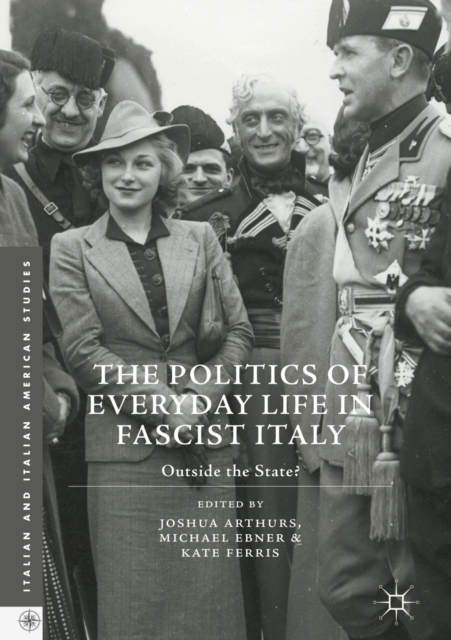
This book explores the complex ways in which people lived and worked within the confines of Benito Mussolini's regime in Italy, variously embracing, appropriating, accommodating and avoiding the regime's incursions into everyday life.
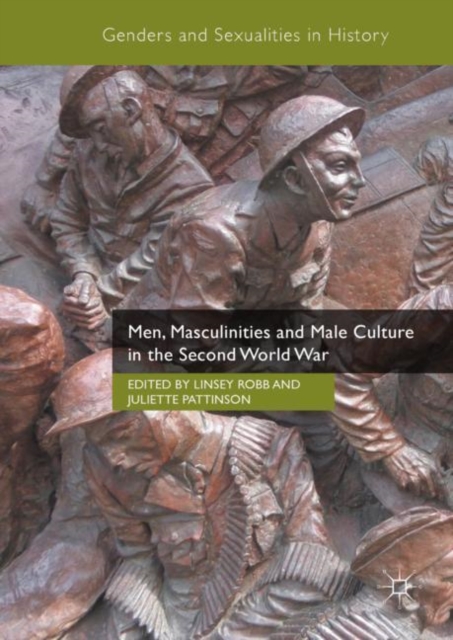
This edited collection brings together cutting-edge research on British masculinities and male culture, considering the myriad ways British men experienced, understood and remembered their exploits during the Second World War, as active combatants, prisoners and as civilian workers.
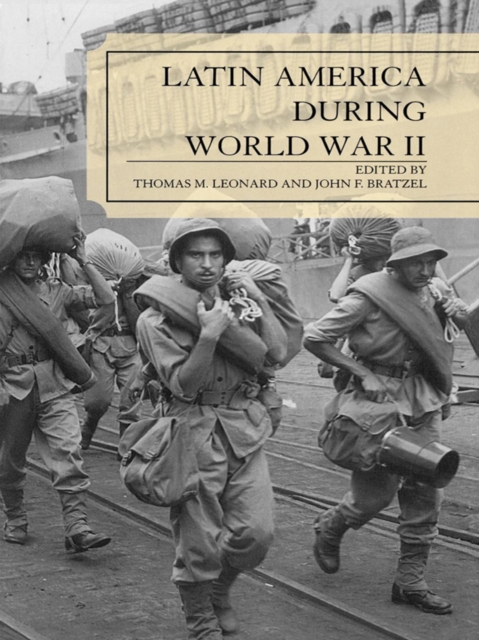
The first full-length study of World War II from the Latin American perspective, this unique volume offers an in-depth analysis of the region during wartime.
This book compares female administrators who specifically chose to serve the Nazi cause in voluntary roles with those who took on such work as a progression of established careers.
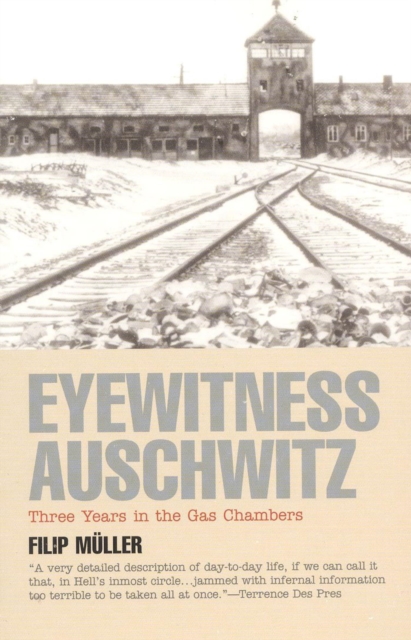
Filip Muller came to Auschwitz with one of the earliest transports from Slovakia in April 1942 and began working in the gassing installations and crematoria in May.
The Royal Naval Commandos had one of the most dangerous and the most important tasks of any in World War II - they were first on to the invasion beaches and they were the last to leave.
An SS colonel goes underground at the end of WWIIEugen Dollmann was a scholar and member of the SS whose connections among Italian society led to a posting as a liaison officer attached to Mussolini during World War II.
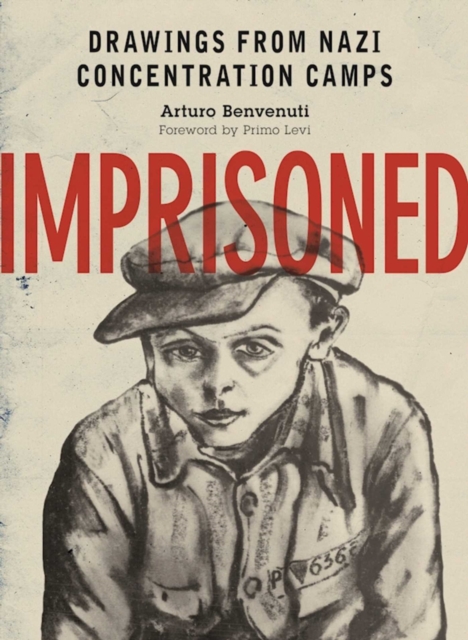
In September 1979, at age fifty-six, writer and artist Arturo Benvenuti fueled up his motor home and set forth on what he knew would be an emotional journey.
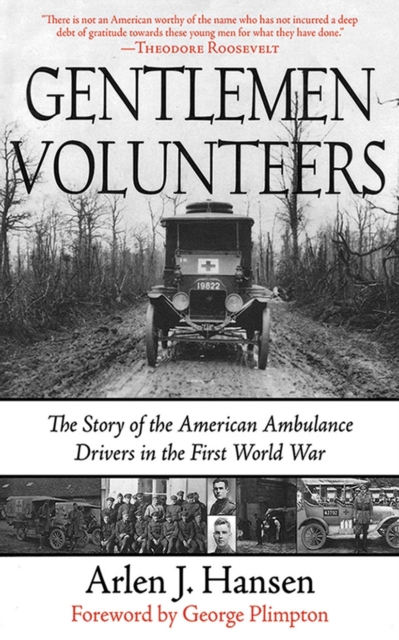
They left Harvard, Yale, Princeton, Michigan, and Stanford to drive ambulances on the French front, and on the killing fields of World War I they learned that war was no place for gentlemen.
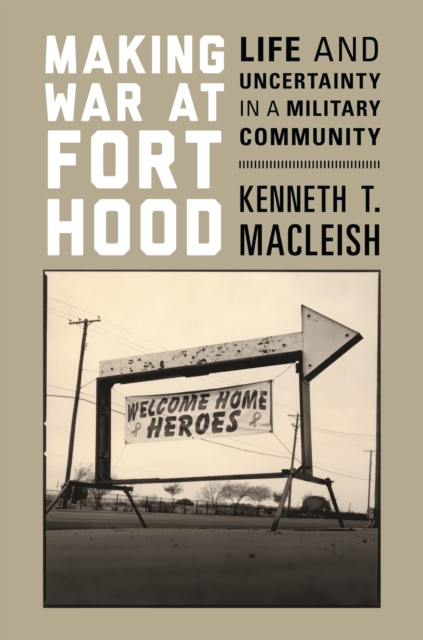
An intimate look at war through the lives of soldiers and their families at Fort HoodMaking War at Fort Hood offers an illuminating look at war through the daily lives of the people whose job it is to produce it.
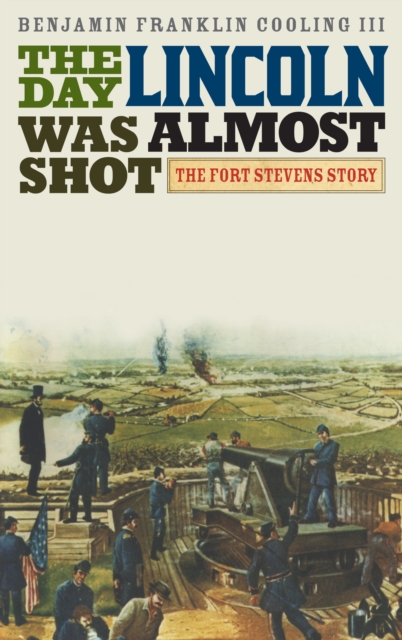
The Day Lincoln Was Almost Shot: The Fort Stevens Story recounts the story of President Abraham Lincoln's role in the Battle of Fort Stevens in July 1864.
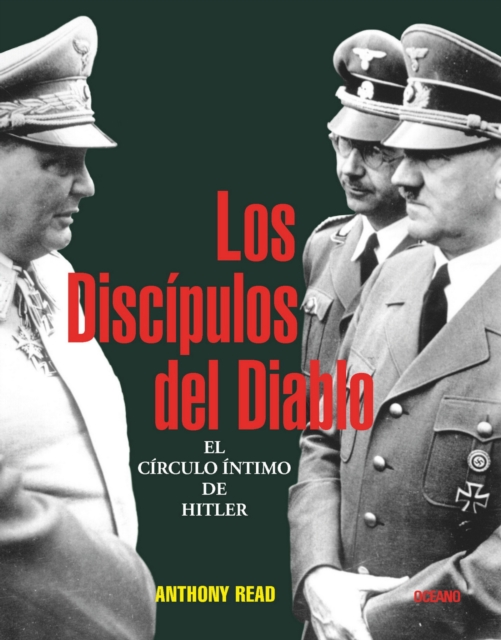
El meteórico ascenso al poder de Hitler, el férreo control ideológico que impuso en Alemania, su popularidad frente a las masas y la eficaz maquinaria bélica que puso en marcha constituyen aspectos de un proceso cuyo éxito dependió, en buena medida, del trabajo realizado por su círculo íntimo.
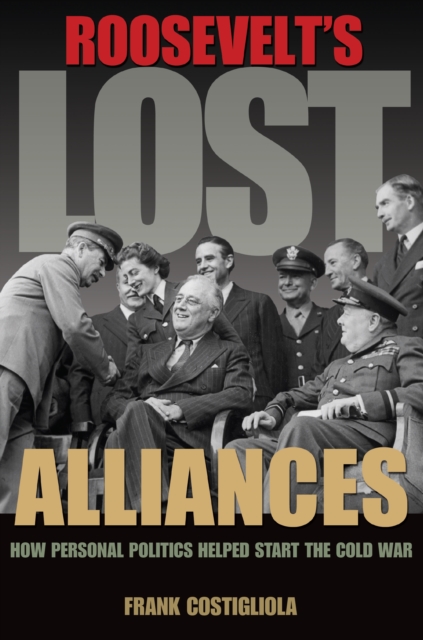
How the Grand Alliance of World War II succeeded-and then collapsed-because of personal politicsIn the spring of 1945, as the Allied victory in Europe was approaching, the shape of the postwar world hinged on the personal politics and flawed personalities of Roosevelt, Churchill, and Stalin.