A close look at Woodrow Wilson's political thought and international diplomacyIn the widely acclaimed To End All Wars, Thomas Knock provides an intriguing, often provocative narrative of Woodrow Wilson's epic quest for a new world order.
An Unflinching Look at a Black Chapter in Our War in Iraq and Americas Failure to Serve JusticeIn the waning days of 2005, twelve Marines were ambushed by Sunni Muslim insurgents on Route Chestnut, an ancient Mesopotamian road at the south edge of Haditha, Iraq, when an IED detonated under one of four Humvees they occupied, killing or wounding a quarter of their number.
At two o'clock in the morning on 27 April 1865, seven miles north of Memphis on the Mississippi, the sidewheel steamboat Sultana's boilers suddenly exploded.
The encirclement of the German 6th Army at Stalingrad in mid-November 1942 and its final collapse in February 1943 was a signature defeat for Hitler, as more than 100,000 of his soldiers were marched off into captivity.
This, the fourth volume in Andrew Field's highly praised study of the Waterloo campaign from the French perspective, depicts in vivid detail the often neglected final phase the rout and retreat of Napoleon's army.
The acclaimed World War II historian delivers "e;a panoramic and compelling boots-on-the-ground illumination of one of the Bulge's most epic battles"e; (Patrick K.
The battles for the Germans' last line of defense in World War II, including Arnhem, Aachen, the Huertgen Forest, and MetzHow German commanders made decisions under fireBuilt as a series of forts, bunkers, and tank traps, the West Wall--known as the Siegfried Line to the Allies--stretched along Germany's western border.
Epic story of low-level strikes on Axis navies in World War II One of the most dangerous forms of air attack used during the war Written by a participant This stirring book recounts how British torpedo-bombers took the war to enemy naval fleets and shipping vessels during World War II.
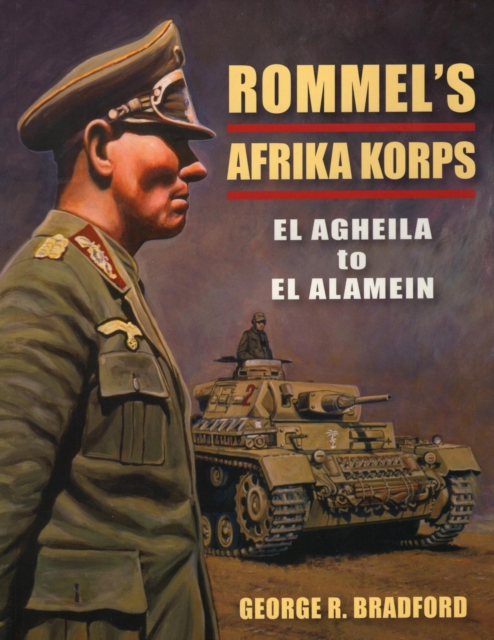
Portrait of this famous World War II unit at the height of its success Completely illustrated with photos, maps, and diagrams--in color where available In the sands of the Western Desert in 1941-42, Erwin Rommel made history as the Desert Fox, waging a brilliant and bold campaign against the British.
Among the more than 260 American submarines that patrolled the Pacific during World War II, the USS Swordfish in 1941 was the first to sink a Japanese armed merchant ship, marking the beginning of the submarine's colorful history.
Originally constructed in the 18th century as a military barracks by Austrian Emperor Joseph II, Theresienstadt (now Terezin) was used as a ghetto and concentration camp by the Nazis early in World War II in their ruse of peaceful resettlement of the Jews of Europe.
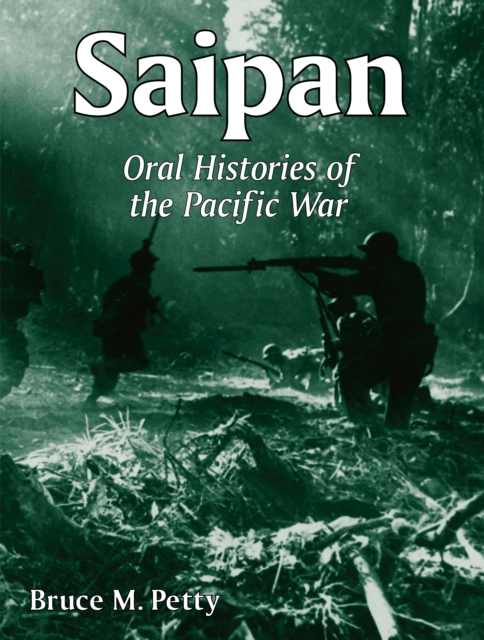
The battle for Saipan is remembered as one of the bloodiest battles fought in the Pacific during World War II, and was a turning point on the road to the defeat of Japan.
The Freckleton catastrophe of August 23, 1944, occurred when an American B-24 Liberator crashed into the small village of Freckleton in northwest England.
The combat engineers of the First Marine Division, 9th Engineer Battalion, risked their lives daily in Vietnam as they cleared the roads of mines, repaired and paved the famous "e;Highway 1,"e; disarmed booby traps, built bridges and culverts, and destroyed enemy bunkers and tunnels.
In April 1917, the United States ended its nonintervention policy and entered World War I as an "e;Associated Power"e; to aid the Allies in their fight against the Central Powers.
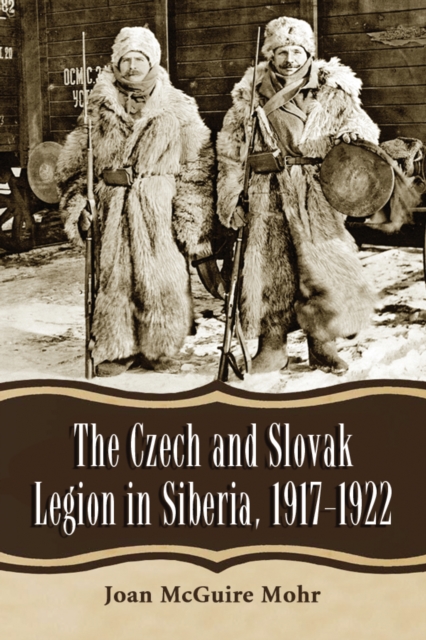
During World War I, a specialized Russian battalion comprised of ethnic Czechs and Czech and Slovak prisoners of war--the Legion--became a pawn in an international game of power and deceit.
Chronicling the growth of a recruit from boot camp at Parris Island, South Carolina, to a seasoned troop leader, this memoir also relates the experiences of the 200 marines in A Company, First Battalion, Second Marines, as they engaged in island warfare in the South Pacific at Guadalcanal, Tarawa, Saipan and Tinian.
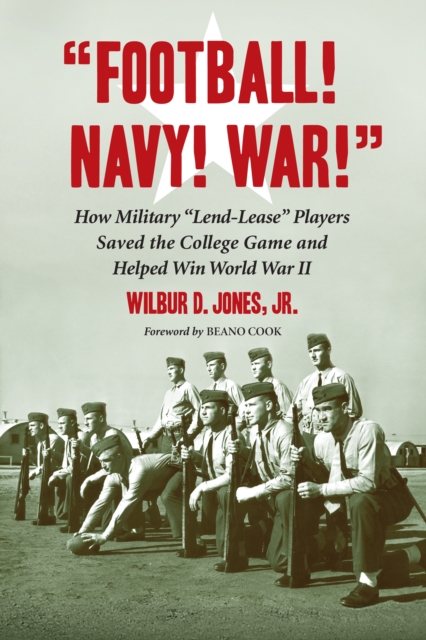
Not coincidentally, the sport of football naturally employs terms usually associated with war, such as "e;aerial attack,"e; "e;blitz,"e; and "e;trench warfare.
Before Jutland is a definitive study of the naval engagements in northern European waters in 1914-15 when the German High Sea Fleet faced the Grand Fleet in the North Sea and the Russian Fleet in the Baltic.
By the summer of 1915 Germany was faced with two major problems in fighting World War I: how to break the British blockade and how to stop or seriously disrupt the British supply line across the Atlantic.
A privileged, hell-raising youth who had greatly embarrassed his familyand especially his war-hero fatherby being dismissed from West Point, Michael J.