Dieses eBook: "Das Bombardement von Åbo" ist mit einem detaillierten und dynamischen Inhaltsverzeichnis versehen und wurde sorgfältig korrekturgelesen.
Fifty years after the war Dagmar Ostermann, a former prisoner at Auschwitz-Birkenau, and Hans Wilhelm Munch, former Nazi and SS physician, talk face to face.
This magnificent Pulitzer Prize-winning history, told primarily from the Japanese viewpoint, traces the dramatic fortunes of the Empire of the Sun from the invasion of Manchuria to the dropping of the atomic bombs, demolishing many myths surrounding this catastrophic conflict.
Fresh off their mission to rescue Holocaust victims in 1944 Poland, the Bad Love Gang assemble at the White Hole Project to celebrate New Year's Eve 1975.
First raised by his maternal grandmother and her four youngest sisters in the harbour city of Le Havre, in the English Channel, a boy, Jean, will discover later in tragic circumstances the love of his mother.
Edwin Lutyens' Memorial to the Missing of the Somme at Thiepval in Northern France, visited annually by tens of thousands of tourists, is arguably the finest structure erected by any British architect in the twentieth century.
The Battle of Jutland, May 31-June 1, 1916, pitted Great Britain and Imperial Germany-the two largest fleets of World War I-against one another for the first time.
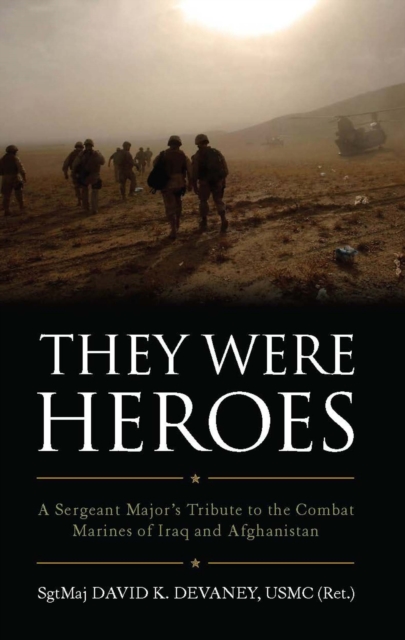
The Marine Corps covered itself in glory in World War II with victories over the Japanese in hard-fought battles such as Guadalcanal, Tarawa, and Iwo Jima.
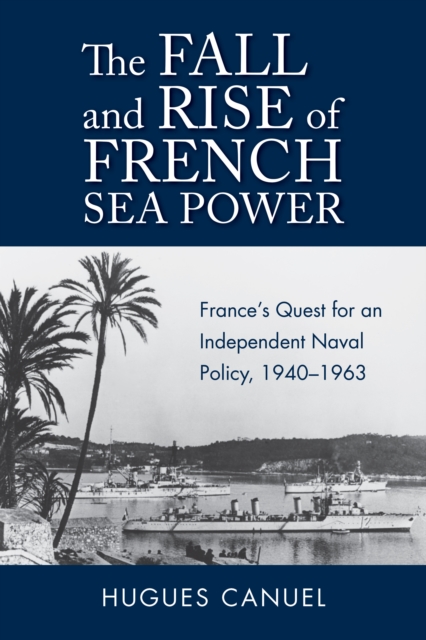
The Fall and Rise of French Sea Power explores the renewal of French naval power from the fall of France in 1940 through the first two decades of the Cold War.
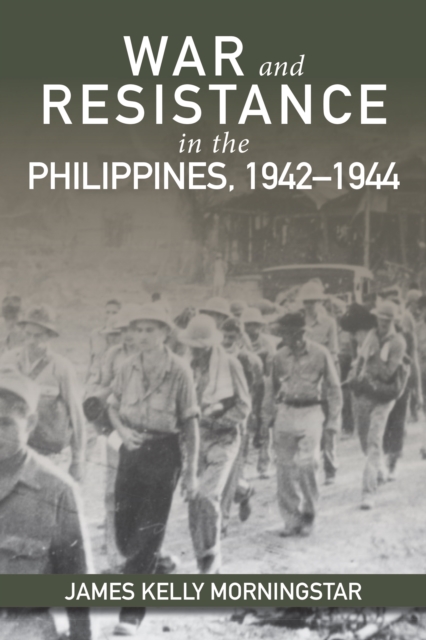
War and Resistance in the Philippines, 1942-1944 repairs the fragmentary and incomplete history of events in the Philippine Islands between the surrender of Allied forces in May 1942 and MacArthur's return in October 1944.
Genesis of the Grand Fleet: The Admiralty, Germany, and the Home Fleet, 1896-1914 tells the story of the prewar predecessor to the Royal Navy's war-winning Grand Fleet: the Home Fleet.
Given the dearth of scholarship on the Phoney War, this book examines the early months of World War II when Winston Churchill's ability to lead Britain in the fight against the Nazis was being tested.
While scores of books have been published about the atomic bombings that helped end World War II, little has been written about the personal lives and relationship of the three men that led the raids.
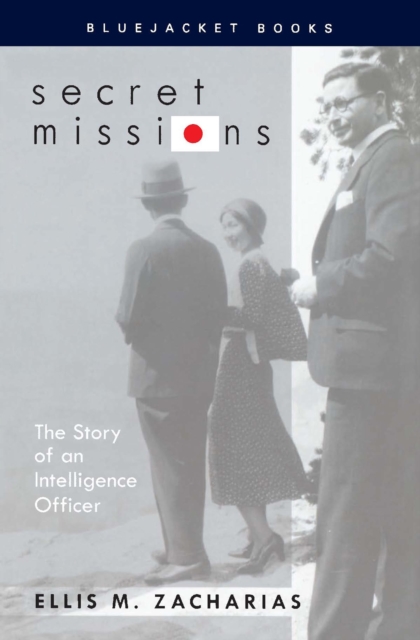
An instant bestseller when it was first published in 1946, this memoir recounts the author's nearly forty years of service in naval intelligence, beginning in 1908.
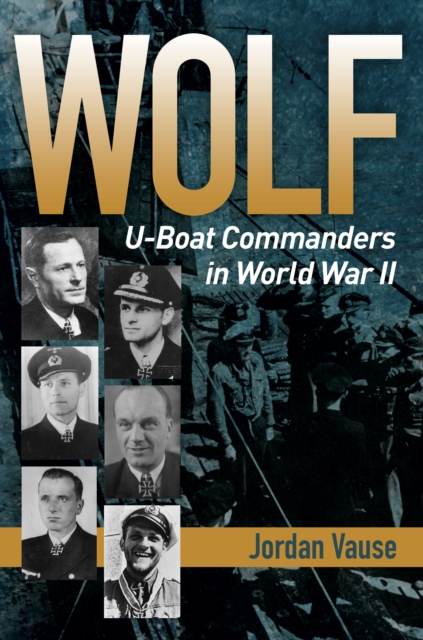
Cultivated by the Allied press during the war and fostered by movies and novels ever since, the image of a U-boat skipper held by most Americans is the personification of evil: the wolf who stalks innocents.
When his electronic warfare plane--call sign Bat 21--was shot down on 2 April 1972, fifty-three-year-old Air Force navigator Iceal "e;Gene"e; Hambleton parachuted into the middle of a North Vietnamese invasion force and set off the biggest and most controversial air rescue effort of the Vietnam War.
The tragic, the comic, the terrifying, the poignant are all part of the story of the Black Pony pilots who distinguished themselves in the Mekong Delta during the Vietnam War.
As plans got under way for the Allied invasion of Sicily in June 1943, British counter-intelligence agent Ewen Montagu masterminded a scheme to mislead the Germans into thinking the next landing would occur in Greece.
Rufus Phillips offers an extraordinary inside history of the most critical years of American involvement in Vietnam, from 1954 to 1968, and explains why it still matters.
Today only a select few know firsthand what it is like to feel their ship shudder from the blast of their own guns, watch enemy guns flash back, and see friendly ships erupt in flames.
Admittedly small and vulnerable, PT boats were, nevertheless, fast-the fastest craft on the water during World War II-and Dick Keresey's account of these tough little fighters throws new light on their contributions to the war effort.
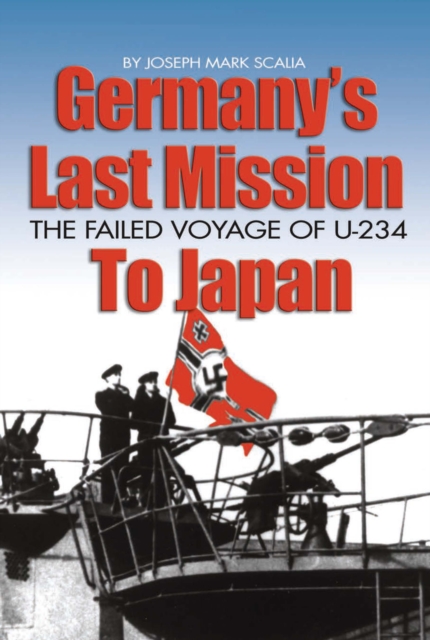
When U-234 slipped out of a Norwegian harbor in March 1945 destined for Japan, it was loaded with some of the most technically advanced weaponry and electronic detection devices of the era, along with a select group of officials.